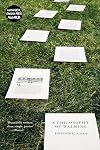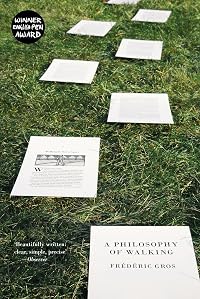
A Philosophy of Walking
by Frédéric Gros
On This Page
Description
In A Philosophy of Walking, leading thinker Frederic Gros charts the many different ways we get from A to B -- the pilgrimage, the promenade, the protest march, the nature ramble -- and reveals what they say about us. Gros draws attention to other thinkers who also saw walking as something central to their practice. On his travels he ponders Thoreau's eager seclusion in Walden Woods; the reason Rimbaud walked in a fury, while Nerval rambled to cure his melancholy. He shows us how Rousseau show more walked in order to think, while Nietzsche wandered the mountainside to write. In contrast, Kant marched through his hometown every day, exactly at the same hour, to escape the compulsion of thought. Brilliant and erudite, "A Philosophy of Walking" is an entertaining and insightful manifesto for putting one foot in front of the other. show lessTags
Recommendations

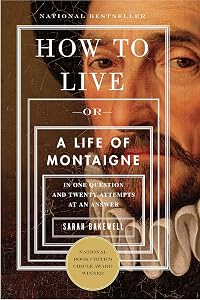
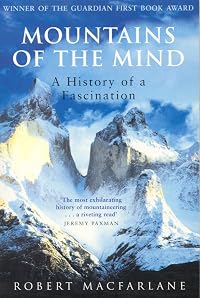
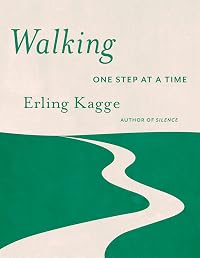
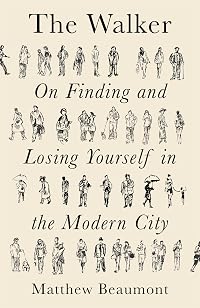
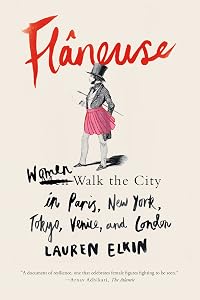
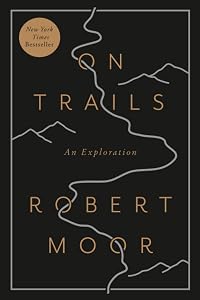

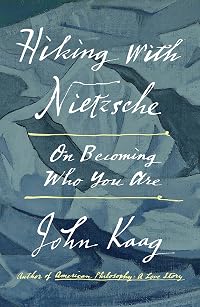
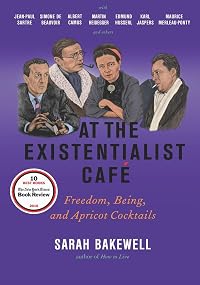








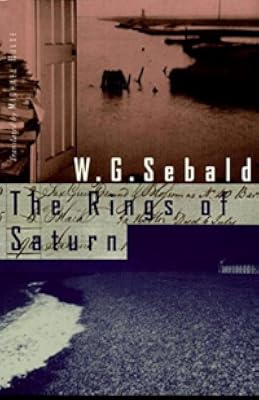

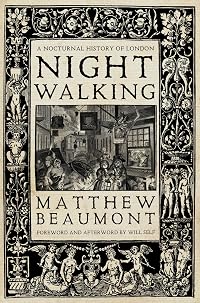
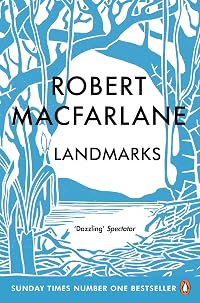
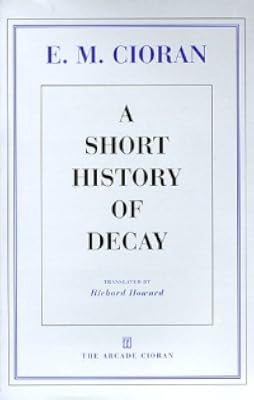




Member Recommendations
Member Reviews
Summary: An extended reflection on the significance of walking as part of the human condition, consisting of short chapters interspersed with accounts of walking philosophers.
During the pandemic, the daily walk, usually about an hour before the last light of the day, has become part of my pandemic routine. It is the time I de-compress from a day of zoom calls and other activities that usually involve sitting in front of a computer. I need to move my body and clear my head. Sometimes I pray, sometimes I think, sometimes I notice the effects of the changing seasons on the yards of my neighbors. And sometimes I’m just present, putting one foot in front of the other in this most basic of human activities.
It turns out I’m hardly the show more first to reflect on something we’ve been doing since late in our first year of life. Frédéric Gros is a philosopher at the University of Paris, specializing in the philosophy of Michel Foucault. In this work, Gros explores the meaning of walking, the different ways and reasons we walk, and offers vignettes of other philosophers for whom walking was important. Each chapter is headed with finely drawn illustrations reflecting the chapter theme.
He begins by reminding us that walking is not a sport. We don’t keep track of rankings or times (although walking apps actually do this, which seems to be a good way to ruin a good walk). He observes: “Walking is the best way to go more slowly than any other method that has ever been found.” He considers the freedom of walking and the reversal of our normal indoor lives, especially on long walks where we spend our days outdoors and only shelter indoors, or sometimes in a tent we carry. Basic to walking is its slowness that lengthens and enriches time. He discusses the paradox of solitary walking, in which we are actually more aware of the company of the world about us. Even when we walk with others, we enjoy solitude as our paces vary. We embrace silence as the chatter of our days falls away. We experience states of well-being.
Gros considers various kinds of walks beginning with the ultimate walk, the pilgrimage, the walk that symbolizes our journey through life. Pilgrims embark to bear witness to and deepen their faith, and sometimes to expiate their sins. Over a couple of chapters he considers some of the most significant pilgrimage routes in various parts of the world. Then he turns to the Cynics, whose walks are a kind of protest against all the conventions of human society.
At the opposite end of walking is the stroll, probably describing the kind of walks that are part of my daily routine (as well as the philosopher Kant–although don’t set your clocks by mine!). Then there are the promenades in public gardens and the flaneurs, strolling and stopping to gaze at the crowds and the scene. That might describe our teen years at the local shopping mall!
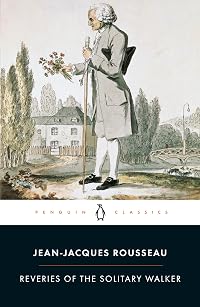
Gros breaks up his musings on walking with vignettes on philosophers who walked. Most fascinating, and perhaps the most disturbing was Nietzsche, who walked to relieve his terrible headaches, who composed some of his greatest works while walking, and whose physical and mental decline corresponded with an eventual paralysis that ended his walks, his work, and his life. We meet the poet Rimbaud whose walking led to a swelled knee requiring amputation, which led to his death. We trace the passage from morning to night in Rousseau’s life, from the exaltation of his youth evident in Confessions, to the increasing solitude of his middle years when he identified himself as homo viator, and finally the last walks in the evening of life around Paris, when he wrote Reveries.
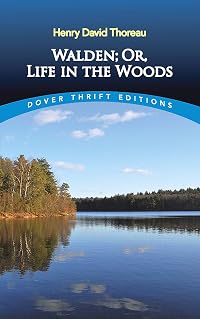
Thoreau’s writings are filled with his walks. We meet the melancholy Nerval who in the end hangs himself. Perhaps the great contrast to so many of these is Kant who loved his work and his table and adhered to a disciplined schedule people could set their clocks by. Gros contends that the monotony of bodily effort liberated the mind, that the regularity of walking fueled the steady and massive output of thought, and its inescapability reflected a will working steadily toward the arrival at an end. Most inspiring, perhaps was his account of Gandhi, who walked and marched throughout his life, a picture of simply keeping going.
It was fascinating how important walking was to the work of these philosophers. Yet walking was far from a panacea it seems–in some cases like Rimbaud, a contributing factor to his death. I wonder if there was something in walking, and this is apparent in Thoreau and Gandhi, of life stripped to its essentials, its marrow. I wonder if we also walk in an awareness of the shadow of death, walking while we can in the awareness of the coming day when we will be unable.
Frédéric Gros has given us a book filled with reflections of why we walk, stroll, go for hikes, embark on pilgrimages. He invites us to not leave our walking unexamined but to live in awareness of this elemental practice capable of giving us joy, wonder, clear minds, and awareness of our nature and destiny. show less
During the pandemic, the daily walk, usually about an hour before the last light of the day, has become part of my pandemic routine. It is the time I de-compress from a day of zoom calls and other activities that usually involve sitting in front of a computer. I need to move my body and clear my head. Sometimes I pray, sometimes I think, sometimes I notice the effects of the changing seasons on the yards of my neighbors. And sometimes I’m just present, putting one foot in front of the other in this most basic of human activities.
It turns out I’m hardly the show more first to reflect on something we’ve been doing since late in our first year of life. Frédéric Gros is a philosopher at the University of Paris, specializing in the philosophy of Michel Foucault. In this work, Gros explores the meaning of walking, the different ways and reasons we walk, and offers vignettes of other philosophers for whom walking was important. Each chapter is headed with finely drawn illustrations reflecting the chapter theme.
He begins by reminding us that walking is not a sport. We don’t keep track of rankings or times (although walking apps actually do this, which seems to be a good way to ruin a good walk). He observes: “Walking is the best way to go more slowly than any other method that has ever been found.” He considers the freedom of walking and the reversal of our normal indoor lives, especially on long walks where we spend our days outdoors and only shelter indoors, or sometimes in a tent we carry. Basic to walking is its slowness that lengthens and enriches time. He discusses the paradox of solitary walking, in which we are actually more aware of the company of the world about us. Even when we walk with others, we enjoy solitude as our paces vary. We embrace silence as the chatter of our days falls away. We experience states of well-being.
Gros considers various kinds of walks beginning with the ultimate walk, the pilgrimage, the walk that symbolizes our journey through life. Pilgrims embark to bear witness to and deepen their faith, and sometimes to expiate their sins. Over a couple of chapters he considers some of the most significant pilgrimage routes in various parts of the world. Then he turns to the Cynics, whose walks are a kind of protest against all the conventions of human society.
At the opposite end of walking is the stroll, probably describing the kind of walks that are part of my daily routine (as well as the philosopher Kant–although don’t set your clocks by mine!). Then there are the promenades in public gardens and the flaneurs, strolling and stopping to gaze at the crowds and the scene. That might describe our teen years at the local shopping mall!
Gros breaks up his musings on walking with vignettes on philosophers who walked. Most fascinating, and perhaps the most disturbing was Nietzsche, who walked to relieve his terrible headaches, who composed some of his greatest works while walking, and whose physical and mental decline corresponded with an eventual paralysis that ended his walks, his work, and his life. We meet the poet Rimbaud whose walking led to a swelled knee requiring amputation, which led to his death. We trace the passage from morning to night in Rousseau’s life, from the exaltation of his youth evident in Confessions, to the increasing solitude of his middle years when he identified himself as homo viator, and finally the last walks in the evening of life around Paris, when he wrote Reveries.
Thoreau’s writings are filled with his walks. We meet the melancholy Nerval who in the end hangs himself. Perhaps the great contrast to so many of these is Kant who loved his work and his table and adhered to a disciplined schedule people could set their clocks by. Gros contends that the monotony of bodily effort liberated the mind, that the regularity of walking fueled the steady and massive output of thought, and its inescapability reflected a will working steadily toward the arrival at an end. Most inspiring, perhaps was his account of Gandhi, who walked and marched throughout his life, a picture of simply keeping going.
It was fascinating how important walking was to the work of these philosophers. Yet walking was far from a panacea it seems–in some cases like Rimbaud, a contributing factor to his death. I wonder if there was something in walking, and this is apparent in Thoreau and Gandhi, of life stripped to its essentials, its marrow. I wonder if we also walk in an awareness of the shadow of death, walking while we can in the awareness of the coming day when we will be unable.
Frédéric Gros has given us a book filled with reflections of why we walk, stroll, go for hikes, embark on pilgrimages. He invites us to not leave our walking unexamined but to live in awareness of this elemental practice capable of giving us joy, wonder, clear minds, and awareness of our nature and destiny. show less
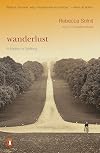
This is another entry in what I’ve come to think of as "Craig Mod books," reflections on walking and what that activity does to thought through the body. I initially read Rebecca Solnit’s Wanderlust on his recommendation from that essay and loved it. It treated walking as something with a history, with many purposes in time and in different cultures, and treated those purposes with respect and a genuine criticality that reflected the impossibility of covering as broad a concept as "walking" in a book only a couple hundred pages long.
A Philosophy of Walking is something ostensibly in this vein, but it’s more poetic and abstract, more distant. It opens with language like, "Walking is the best way to go more slowly than any other show more method than has ever been found" and "what liberates you from time and space alienates you from speed." I feel these things in walking. But I wonder how useful any of this is to people who have never walked in the woods a ways.
What I mean is that by walking you are not going to meet yourself. By walking, you escape from the very idea of identity, the temptation to be someone, to have a name and a history. ... The freedom in walking lies in not being anyone; for the walking body has no history, it is just an eddy in the stream of immemorial life.
That’s lovely. And vague. I feel what he’s saying. I can easily lose myself in these reveries, and the book feels like that’s the point of reading it. But I don’t understand it, because the path up to that point is surely part of the history of the body that led the sensing mind there. In a chapter called "Silences," he says, "Walking: it hits you at first like an immense breathing in the ears. You feel the silence as if it were a great fresh wind blowing away clouds."
The book’s real meat comes in reflections on history’s beloved walkers: Nietzsche, Rimbaud, Rousseau, Thoreau, Nerval, Gandhi. All (troubled) men. The histories are fractured in a way that I think the reader is supposed to know about these men and what they’ve done, or at least their stature in the skyline of western thought. These histories are also tightly coupled with walking and the liberation walking provides to the (hurt) mind. He leaves out details about the way some of the people treated the people around them that don’t fit the mold of romantic reveries about philosophy, literature, and the mind and body.
And then come passages like these:
Among the sources of morning, we find the West. The East is where our memory resides: the East is culture and books, history and old defeats. There is nothing to be learned from the past, because learning from that means repeating former errors.
This claim flops about the page, undiscussed. I hate it.
Nerval has this quality of dreamy melancholy: slow rambles awakening ghosts from earlier times, kindly women’s faces. And the certainty, when walking, of a childhood spent only and always in this light. Not nostalgia for lost years, nor nostalgia for childhood, but childhood itself as nostalgia (only children know the miracle of nostalgia without a past).
What the hell does that mean? But in the same vein, this description of pleasure felt correct:
Pleasure is a matter of encountering. It is a possibility of feeling that finds completion in an encounter with a body, element or substance. That is all there is to pleasure: agreeable sensations, sweet, unprecedented, deliciously unexpected, wild ... It is always some sensation, and always triggered by an encounter, by something that confirms, from outside, the possibilities inscribed in our bodies. Pleasure is the encounter with the good object: the one that causes a possibility of feeling to blossom.
He goes on to describe habituation, and the clarity of reflection that becoming accustomed to some pleasure can provide. He does this in fittingly pleasurable prose.
The book is a pleasurable read. It’s better to think of this as a kind of reverie of walking, poems reflecting a walking body, just set in text and contextualized in history. As an exhaustive reference, it’s poor; it’s uncritical both of its subjects and the whole subject of walking, which only recently became accessible and safe to women, and even then only in limited contexts. It doesn’t attempt to describe the history of walking itself, a history of the difference between the societal views of the kind of walking a medieval pilgrim was doing (the subject of one of its chapters) and what Rousseau was doing (also a chapter). I’m glad I read Wanderlust before this otherwise I would be pregnant with questions throughout. This lack of criticality shows in the sense that the author wrote a book in 2011 using "he" everywhere, and the translator chose to maintain that. He uses phrases like "Oriental" poorly and without the specificity that a nine-year-old with five minutes and an iPhone could provide. Never mind the constant ableism and lack of discussion of disability and how that relates to the reverential headspace he seems intent on maintaining.
If you like walking and have read Wanderlust, this might be nice. Don’t read it if you haven’t read Wanderlust: it’s important to know the vast chasms this book leaves out to maintain its sense of reverie and abstraction. show less
This was just the book on walking I had hoped for - and so much more. Gros looks at several great thinkers and artists who were also great walkers - and points to the inspiration they each found in walking. From Nietzsche who thought out his philosophy ever-ascending mountains to the frantic never-ending walking of Rimbeau, the “wildman” Thoreau immersed in the beauty of nature, the slow city-stroll of Kierkegaard in order to feel connected to people, Kants obsessive daily one-hour walk, and Gandhis walk as protest and as means to a simple lifestyle.
So many aspects of walking are presented - and a lot resonated with me. I loved the brief portraits - but also the interspersed brief essays where Gros reflects on different aspects of show more walking.
The emphasis here is not the physical benefits of walking - or walking as “sport” - although it’s touched upon, but more the mental, psychological, and spiritual aspects of walking - in chapters like “slowness”, “silences”, “eternities”, “heaviness” and “repetitions” Gros really display his own philosophy of walking - one where body, mind, and spirit melt together with nature and being - being in the present, unburdened, attentive to the small things, the simple life, the unhurried existence.
It’s simply a beautiful book, and so many sentences and passages are now underlined and need further reflection. show less
So many aspects of walking are presented - and a lot resonated with me. I loved the brief portraits - but also the interspersed brief essays where Gros reflects on different aspects of show more walking.
The emphasis here is not the physical benefits of walking - or walking as “sport” - although it’s touched upon, but more the mental, psychological, and spiritual aspects of walking - in chapters like “slowness”, “silences”, “eternities”, “heaviness” and “repetitions” Gros really display his own philosophy of walking - one where body, mind, and spirit melt together with nature and being - being in the present, unburdened, attentive to the small things, the simple life, the unhurried existence.
It’s simply a beautiful book, and so many sentences and passages are now underlined and need further reflection. show less
This is an attractively produced book and covers a range of interesting walking-related topics, but I didn't enjoy the writer's style and felt that he went too far away from his central concerns. If he'd walked more and written more about those walks, this book would have felt bigger than it was; I recommend those interested in the topic refer to Solnit instead.
Quem me conhece sabe que sou imensamente influenciada pelo caminhar, desde a infância e minhas peregrinações pela nossa propriedade rural, passando pelos anos em que morei em Londrina e atravessava a cidade de cabo a rabo sem nunca pegar ônibus ou carro até as contemplações dos dias de hoje. Não dirijo até hoje porque prefiro caminhar, muito embora o sol e o calor estejam muito mais insuportáveis hoje do que há 20, 30 anos.
É sobre essa paixão que fala esse livro de Frederic Gros, fazendo distinção aos mais diferentes tipos de caminhar e perpassando com isso a história da filosofia, é um belo tratado sobre uma das mais prazerosas e intelectualmente estimulantes atividades concebidas pela humanidade.
Não sem contar com show more dois poréns, o primeiro é a ausência de um texto sobre Freud que também amava caminhar e, o segundo é mais importante, é a ausência de um exemplo feminino de caminhar e o abismo de dificuldade que mulheres encontram ao caminharem sozinhas, seja na natureza, seja nas cidades como flâneuse. É impressionante que a gente sempre tem que lembrar aos homens que mulheres existem, se não somos nós mesmas que temos que falar sobre o assunto em questão ninguém o fará por nós, por isso acho que talvez estivesse melhor servida se lido o livros da Rebecca Solnit ou Lauren Elkin que também discorreram sobre o assunto. show less
É sobre essa paixão que fala esse livro de Frederic Gros, fazendo distinção aos mais diferentes tipos de caminhar e perpassando com isso a história da filosofia, é um belo tratado sobre uma das mais prazerosas e intelectualmente estimulantes atividades concebidas pela humanidade.
Não sem contar com show more dois poréns, o primeiro é a ausência de um texto sobre Freud que também amava caminhar e, o segundo é mais importante, é a ausência de um exemplo feminino de caminhar e o abismo de dificuldade que mulheres encontram ao caminharem sozinhas, seja na natureza, seja nas cidades como flâneuse. É impressionante que a gente sempre tem que lembrar aos homens que mulheres existem, se não somos nós mesmas que temos que falar sobre o assunto em questão ninguém o fará por nós, por isso acho que talvez estivesse melhor servida se lido o livros da Rebecca Solnit ou Lauren Elkin que também discorreram sobre o assunto. show less
Critica della camminata pura (ossia senza ragione).
Noi non siamo di quelli che riescono a pensare solo in mezzo ai libri, sotto la scossa di libri - e' nostra consuetudine pensare all'aria aperta, camminando, saltando, salendo, danzando, preferibilmente su monti solitari o sulla riva del mare, laddove sono le vie stesse a farsi meditabonde. Nietzsche (23)
Andiamo, cappello, mantella, i pugni in tasca e usciamo.
Avanti, forza!
Andiamo!
Rimbaud (51)
Spesso l'uomo che incontro m'insegna meno del silenzio che lui stesso rompe.
Thoreau (63)
Ecco: camminare e' accompagnare il tempo, mettersi al suo passo come si fa con un bambino. (79)
Paesaggi, in Nerval, di castelli e di torri merlate, masse rosse mobili dei boschetti sul verde delle valli, show more dorature aranciate dei tramonti. Alberi, sempre alberi. Paesaggi piatti come un sonno. Le nebbie azzurrine del mattino fanno comparire fantasmi in ogni dove. Le sere d'ottobre sono d'oro vecchio. Vi si cammina come in sogno, lentamente, senza sforzo (pochi rilievi accidentati). Lo scricchiolio delle goglie morte. (149-50)
Alle cinque del pomeriggio, si sapeva che Kant sarebbe uscito a fare la sua passeggiata. Era come un rito immutabile, regolare e capitale come il sorgere del sole. (160)
Probabilmente, come si e' sempre letto, erano le tre del pomeriggio.
Non c'e' modo di essere piu' terreni che marciando: la monotonia smisurata del suolo. (182)
La marcia permette quel rapporto deciso con se' stessi che non appartiene all'ordine dell'introspezione indefinita (quest'ultima preferisce la posizione sdraiata su un divano), ma a quello dell'esame meticoloso. (193)
Manca Hemingway, che scriveva in piedi. show less
Noi non siamo di quelli che riescono a pensare solo in mezzo ai libri, sotto la scossa di libri - e' nostra consuetudine pensare all'aria aperta, camminando, saltando, salendo, danzando, preferibilmente su monti solitari o sulla riva del mare, laddove sono le vie stesse a farsi meditabonde. Nietzsche (23)
Andiamo, cappello, mantella, i pugni in tasca e usciamo.
Avanti, forza!
Andiamo!
Rimbaud (51)
Spesso l'uomo che incontro m'insegna meno del silenzio che lui stesso rompe.
Thoreau (63)
Ecco: camminare e' accompagnare il tempo, mettersi al suo passo come si fa con un bambino. (79)
Paesaggi, in Nerval, di castelli e di torri merlate, masse rosse mobili dei boschetti sul verde delle valli, show more dorature aranciate dei tramonti. Alberi, sempre alberi. Paesaggi piatti come un sonno. Le nebbie azzurrine del mattino fanno comparire fantasmi in ogni dove. Le sere d'ottobre sono d'oro vecchio. Vi si cammina come in sogno, lentamente, senza sforzo (pochi rilievi accidentati). Lo scricchiolio delle goglie morte. (149-50)
Alle cinque del pomeriggio, si sapeva che Kant sarebbe uscito a fare la sua passeggiata. Era come un rito immutabile, regolare e capitale come il sorgere del sole. (160)
Probabilmente, come si e' sempre letto, erano le tre del pomeriggio.
Non c'e' modo di essere piu' terreni che marciando: la monotonia smisurata del suolo. (182)
La marcia permette quel rapporto deciso con se' stessi che non appartiene all'ordine dell'introspezione indefinita (quest'ultima preferisce la posizione sdraiata su un divano), ma a quello dell'esame meticoloso. (193)
Manca Hemingway, che scriveva in piedi. show less
Not philosophy, I think. Though many philosophers get mentioned along with poets, painters, and thinkers ancient and modern. Basically, Gros thinks walking — that is, “real” walking — is good. It’s great! Apart from any health benefits that may accrue to the walker (i.e. real walker), there are less well-codified benefits such as a connection to the earth, which is apparently a good thing, and a connection to nature in its broadest sense (again, a good thing, says Gros). Also, you can sometimes get from one place to another by walking, even places very far away. It’s just one foot in front of the other. The same is true, however, even if the place you are getting to is the place you set out from in a longish circular walk. show more However, strolling about city streets, peering into the shops, noticing others walking near you, being a flâneur if you will, is not good. It’s bad. As Walter Benjamin long ago explained. But real walking, going for long (sometimes very long) hikes by yourself with as little gear as possible, is good.
Even if you aren’t convinced by Gros’ overall project, there may still be part of this book that you will enjoy. He is, after all, a fine wordsmith and his enthusiasm for his subject(s) goes a long way. The book divides, for the most part, into chapters of semi-historical biography (on such figures as Nietzsche, Rimbaud, Rousseau, Thoreau, Nerval, Proust, and Gandhi) which are pleasantly informative, and alternating chapters in which Gros gets a bit more speculative. However, no coherent philosophical treatment of walking emerges. Which leaves the reader merely with enthusiasm. And perhaps that’s what you’ve come to this book for in the first place. Thus, success.
It’s a gentle read which might well accompany a long walk far away from anywhere. show less
Even if you aren’t convinced by Gros’ overall project, there may still be part of this book that you will enjoy. He is, after all, a fine wordsmith and his enthusiasm for his subject(s) goes a long way. The book divides, for the most part, into chapters of semi-historical biography (on such figures as Nietzsche, Rimbaud, Rousseau, Thoreau, Nerval, Proust, and Gandhi) which are pleasantly informative, and alternating chapters in which Gros gets a bit more speculative. However, no coherent philosophical treatment of walking emerges. Which leaves the reader merely with enthusiasm. And perhaps that’s what you’ve come to this book for in the first place. Thus, success.
It’s a gentle read which might well accompany a long walk far away from anywhere. show less
Members
- Recently Added By
Lists

Books & Films Referenced by Cal Newport's Deep Work
43 works; 1 member
Author Information

19+ Works 1,137 Members
Some Editions
Awards and Honors
Awards
Series
Belongs to Publisher Series
Common Knowledge
- Canonical title
- A Philosophy of Walking
- Original title
- Marcher, une philosophie
- Original publication date
- 2014 (English translation) (English translation); 2009; 2011
- Blurbers
- Caldwell, Christopher; Coupe, Laurence
Classifications
Statistics
- Members
- 859
- Popularity
- 31,814
- Reviews
- 25
- Rating
- (3.63)
- Languages
- 11 — Catalan, Chinese, Dutch, English, Finnish, French, German, Italian, Polish, Portuguese, Spanish
- Media
- Paper, Ebook
- ISBNs
- 23
- ASINs
- 6