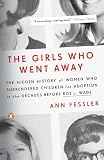
The Girls Who Went Away: The Hidden History of Women Who Surrendered Children for Adoption in the Decades Before Roe v. Wade
by Ann Fessler
On This Page
Description
This book brings to light the lives of 1.5 million single American women in the years following World War II who, under enormous social and family pressure, were coerced to give up their newborn children. It tells not of wild and carefree sexual liberation, but rather of a devastating double standard that has had punishing long-term effects on these women and on the children they gave up. Single pregnant women were shunned by family and friends, evicted from schools, sent away to maternity show more homes to have their children alone, and often treated with cold contempt by doctors, nurses, and clergy. The majority of the women interviewed by Fessler, herself an adoptee, have never spoken of their experiences, and most have been haunted by grief and shame their entire adult lives.--From publisher description. show lessTags
Recommendations
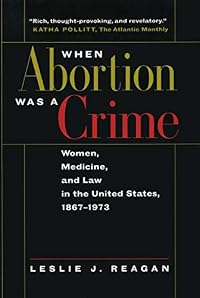

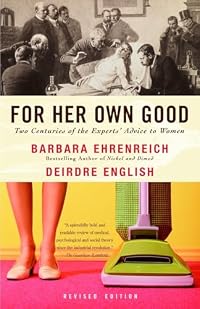
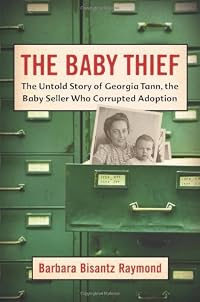
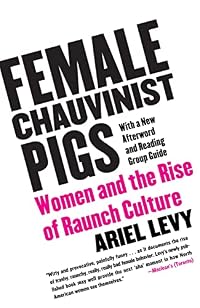
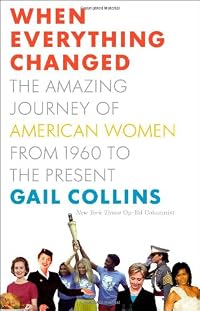

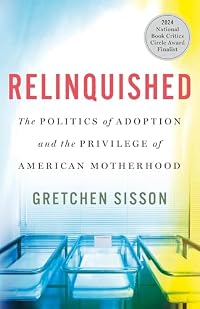
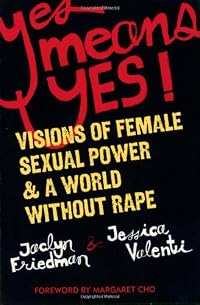




Member Recommendations
Member Reviews
Ann Fessler is an adopted daughter of an adopted daughter, and her art is photography, not creative writing; so most of this excellent book consists of stories from women, in their own words of the suffering they have experienced. She ties the stories together and places them in historical context.
I wish every woman who was lied to, forced or coerced into giving a baby up for adoption could read this book. Fessler describes how alone they feel, often for life. I'm sure it would help for them to know how many other women had been in he same circumstances - told for their whole pregnancy that they were not fit to be a mother then expected to be a fine mother later when their sex was "official".
There were several women in the book who show more told about their overwhelming life long anger. Here's one: I think this whole experience has made me incredibly strong. But if I had not been reunited with my daughter, I don't think it would have made me strong. I think I would have continued to be very, very, very angry until I died of a heart attack. Fortunately there are stories of reunion and women coming to terms with their decision. But not all women are so lucky.
Another comment from the same woman Listen, you know, I've gotten to the point in my life that when I see something that I really long for, I know it's not for me. That's when I realized what losing her had done. My experience was...that what I wanted was going to be held up in front of me and I was going to look at it but I could never have it. Just like the nurse holding her up. That's what it does.
According to Fessler, early in the 20th century when "unwed women's homes" were run by charity the staff might be likely to assist a woman to keep her baby, even find a way to help her get education or a job. However, after social workers took control of the system they seem to have worked it as a way to provide those they considered worthy with the children they longed for as they took advantage of women who had he audacity to have sex outside of marriage. For a while they labeled these women as feebleminded which often lead to their being sterilized and/or institutionalized. Later they were termed perverted or delinquent - obviously incapable of parenting - and again liable to be institutionalized. Later still they were just termed neurotic - not institutionalized, but not assisted either.
This is an eye-opening, heart breaking book recommended to anyone interested in adoption, women's studies or the humane treatment of people in difficult situations. show less
I wish every woman who was lied to, forced or coerced into giving a baby up for adoption could read this book. Fessler describes how alone they feel, often for life. I'm sure it would help for them to know how many other women had been in he same circumstances - told for their whole pregnancy that they were not fit to be a mother then expected to be a fine mother later when their sex was "official".
There were several women in the book who show more told about their overwhelming life long anger. Here's one: I think this whole experience has made me incredibly strong. But if I had not been reunited with my daughter, I don't think it would have made me strong. I think I would have continued to be very, very, very angry until I died of a heart attack. Fortunately there are stories of reunion and women coming to terms with their decision. But not all women are so lucky.
Another comment from the same woman Listen, you know, I've gotten to the point in my life that when I see something that I really long for, I know it's not for me. That's when I realized what losing her had done. My experience was...that what I wanted was going to be held up in front of me and I was going to look at it but I could never have it. Just like the nurse holding her up. That's what it does.
According to Fessler, early in the 20th century when "unwed women's homes" were run by charity the staff might be likely to assist a woman to keep her baby, even find a way to help her get education or a job. However, after social workers took control of the system they seem to have worked it as a way to provide those they considered worthy with the children they longed for as they took advantage of women who had he audacity to have sex outside of marriage. For a while they labeled these women as feebleminded which often lead to their being sterilized and/or institutionalized. Later they were termed perverted or delinquent - obviously incapable of parenting - and again liable to be institutionalized. Later still they were just termed neurotic - not institutionalized, but not assisted either.
This is an eye-opening, heart breaking book recommended to anyone interested in adoption, women's studies or the humane treatment of people in difficult situations. show less
A fascinating and very important book on a topic that is not discussed much. It was sad to read so many first hand accounts about how stigmatized women were back in the 50s and 60s if they became pregnant out of wedlock. There was little to NO sex education, and no access to birth control in most cases. When pregnancy occurred, often young unwed mothers were coerced if not forced to give up their babies against their will, by social workers, parents, and society in general. It was traumatic and something that affected them their whole lives, and that they had to live with mostly in secret. Very interesting to read. And as an adoptive parent reading so many birth mothers' accounts, it really gave me more empathy and understanding for the show more feelings they live with. show less
This is a straight-forward account of how young pregnant women and teenagers were often shipped off to special homes to await giving birth and how the infants born were taken away from them. The girls were then expected to return to their lives and pretend that nothing had happened. The long-term repercussions of this were many and Ann Fessler allows personal accounts to illustrate that to devastating effect. This is an extraordinary book. I'm not generally an audiobook reader, but this one held my complete attention throughout.
It was interesting to see how the blame always fell squarely on the girls, even when they had been coerced or raped, while the boys were let off. Of course, some boys chose to try to take responsibility, but by show more sending the girls away and forcing them to surrender their babies, that opportunity was denied them. And some of the women talked about how they might have chosen to give the baby away, but they were not given the choice. And the number of girls who knew so little about reproduction, that they didn't know that they could get pregnant. It's a shameful part of American history and one I hope we do not repeat. show less
It was interesting to see how the blame always fell squarely on the girls, even when they had been coerced or raped, while the boys were let off. Of course, some boys chose to try to take responsibility, but by show more sending the girls away and forcing them to surrender their babies, that opportunity was denied them. And some of the women talked about how they might have chosen to give the baby away, but they were not given the choice. And the number of girls who knew so little about reproduction, that they didn't know that they could get pregnant. It's a shameful part of American history and one I hope we do not repeat. show less
What a heartbreaking book, in so many ways. Fessler is describing a society-wide failure (at least within a specific social stratum), but these women were not just failed by society in a vague, structural way. They were betrayed by their parents, teachers, doctors, nurses, clergy—people who should have protected them, or at least recognized their humanity. Instead, those roles became mechanisms of silence, punishment, even abandonment—all in the name of “doing the right thing.”
The structure of the book works pretty well, floating the abstract, structural analysis on a flood of powerful, emotional, detailed individual narratives. I could point out any number that stood out for me, but I'm sure a different group of them are show more impactful for each reader of the book. It's a powerful book, in any case—not one that I'll forget any time soon. show less
The structure of the book works pretty well, floating the abstract, structural analysis on a flood of powerful, emotional, detailed individual narratives. I could point out any number that stood out for me, but I'm sure a different group of them are show more impactful for each reader of the book. It's a powerful book, in any case—not one that I'll forget any time soon. show less
This very well researched book lends a voice to the hundreds of young women forced to relinquish their babies. Much of the book takes place in a time period when families were shamed if an unmarried daughter became pregnant. So many were sent to homes for unwed mothers that were a placement until they were required to give their babies to "more suitable" families. There were no other options or recognition of their rights. These are the heartbreaking stories of the women who never forgot their children - some were eventually reunited; some are still hoping for that moment. Throughout this book, I am overcome with sadness and anger that there were people who valued others' opinions rather than focusing on supporting their daughters. It show more is also noteworthy that the men who fathered these children didn't face the same censure as the women. This is a book that resonates deeply, and is especially noteworthy following the reversal of Roe v. Wade, which leads to overwhelming an already broken foster care system. show less
“This never happened.”
Don Draper says that all the time on Mad Men, and in fact he says it to a character who's in the midst of a breakdown after an unwed pregnancy. Those script writers are good: although they didn’t invent the line, it is fiction: it did happen, and the women never forget.
Subtitled, The Hidden History of Women Who Surrendered Children for Adoption in the Decades Before Roe v. Wade, this is an excellent exploration of the social and legal intolerance of teenage unwed pregnancy and motherhood in 1950s-‘60s USA, with a compelling collection of oral histories from those birth mothers.
There wasn’t much contraception and it absolutely wasn’t much available (mostly denied to single women, or accompanied by a big show more dose of judgment, and condoms were behind the pharmacy counter). Even information about contraception was illegal, and sex education was nil. The 1950s was a period of extreme social conformity and violations came with catastrophic fallout. And it was all on the girl -- reliable proof of paternity wasn’t there yet -- who generally hid it with tight girdles in the early months and disappeared for the latter months to group homes (e.g. Florence Crittenton; typically under the guise of an illness or caring for a family member) and then adoption.
They said, “You can’t raise the baby alone.” But no one expects a widow to give up her baby because her husband dies, do they? No. It’s punitive.
I’ve always appreciated Title IX of the Education Amendments Act of 1972 for its mandate of equal sports opportunities for women, but until now I didn’t realize its provision was broader -- No person in the United States shall, on the basis of sex, be excluded from participation in, be denied the benefits of, or be subjected to discrimination under any education program or activity receiving federal financial assistance -- prohibiting high schools and colleges from expelling pregnant girls and teenage mothers.
And I marked dozens of passages despite my having lived at the late edge of the time. My older sister’s husband only learned in his 50s that (while he was away at college) his younger sister had been sent away and her teen pregnancy never revealed. I shudder at the lifelong burden these women bear (it reminds me of The Things They Carried and the narrator’s guilt thathe conformed by serving in Vietnam rather than resisting -- following his beliefs and seeking refuge in Canada ):
One of the questions that come up when you go to court and relinquish is they ask you if you have been coerced in any way, and I thought it was the height of hypocrisy. Of course you’re coerced. You’re coerced by your parents, who said, “Don’t come home again if you plan to keep that child. We’re not going to help you.” You’re coerced by everyone around you because of the shame and the lack of acceptance by society and your community. You’re not acknowledged as a fit mother because you had sex before marriage. The judge congratulated me on how courageous I was. I was furious that he would tell me it was about courage. It was about defeat. It was totally about shame and defeat. show less
Don Draper says that all the time on Mad Men, and in fact he says it to a character who's in the midst of a breakdown after an unwed pregnancy. Those script writers are good: although they didn’t invent the line, it is fiction: it did happen, and the women never forget.
Subtitled, The Hidden History of Women Who Surrendered Children for Adoption in the Decades Before Roe v. Wade, this is an excellent exploration of the social and legal intolerance of teenage unwed pregnancy and motherhood in 1950s-‘60s USA, with a compelling collection of oral histories from those birth mothers.
There wasn’t much contraception and it absolutely wasn’t much available (mostly denied to single women, or accompanied by a big show more dose of judgment, and condoms were behind the pharmacy counter). Even information about contraception was illegal, and sex education was nil. The 1950s was a period of extreme social conformity and violations came with catastrophic fallout. And it was all on the girl -- reliable proof of paternity wasn’t there yet -- who generally hid it with tight girdles in the early months and disappeared for the latter months to group homes (e.g. Florence Crittenton; typically under the guise of an illness or caring for a family member) and then adoption.
They said, “You can’t raise the baby alone.” But no one expects a widow to give up her baby because her husband dies, do they? No. It’s punitive.
I’ve always appreciated Title IX of the Education Amendments Act of 1972 for its mandate of equal sports opportunities for women, but until now I didn’t realize its provision was broader -- No person in the United States shall, on the basis of sex, be excluded from participation in, be denied the benefits of, or be subjected to discrimination under any education program or activity receiving federal financial assistance -- prohibiting high schools and colleges from expelling pregnant girls and teenage mothers.
And I marked dozens of passages despite my having lived at the late edge of the time. My older sister’s husband only learned in his 50s that (while he was away at college) his younger sister had been sent away and her teen pregnancy never revealed. I shudder at the lifelong burden these women bear (it reminds me of The Things They Carried and the narrator’s guilt that
One of the questions that come up when you go to court and relinquish is they ask you if you have been coerced in any way, and I thought it was the height of hypocrisy. Of course you’re coerced. You’re coerced by your parents, who said, “Don’t come home again if you plan to keep that child. We’re not going to help you.” You’re coerced by everyone around you because of the shame and the lack of acceptance by society and your community. You’re not acknowledged as a fit mother because you had sex before marriage. The judge congratulated me on how courageous I was. I was furious that he would tell me it was about courage. It was about defeat. It was totally about shame and defeat. show less
Ann Fessler’s book chronicles the lives of young, single women who gave up their children for adoption in the 1950s and 60s. That what was allowed to happen to them was still going on in my lifetime is shocking to me. No sex education, no assistance, no rights, no choice. Just a little empathy would have been nice, but there was none of that either. If you’re in your 60s then this is your generation’s history, in your 30s-50s, it’s a horror story of what may have been and for women in their teens and 20s, a cautionary tale about not taking your rights lightly. The women interviewed here are your mothers, sisters, best friends, neighbors and co-workers. Don’t fool yourself into thinking this couldn’t possibly have affected show more you, you may never know. The secrecy of their situations and the shame they were made to feel may still remain to this day. The callous manner in which they were treated is absolutely appalling. The stories presented here are interspersed with facts and together make for an engaging, heartbreaking read. This is a non-fiction work that, bizarrely enough, reminded me of Margaret Atwood’s The Handmaids Tale. Their gut-wrenching stories deserve to be told – finally. show less
Members
- Recently Added By
Published Reviews
ThingScore 100
.Ann Fessler was nearly 56 when she first met her biological mother, who was 75. By then Fessler had already collected more than 100 oral histories for "The Girls Who Went Away....Unmarried girls in the 1950's and 60's may have felt increasingly liberated to have intercourse (Helen Gurley Brown's "Sex and the Single Girl" was published in 1962, identifying a revolution that was well on its show more way) but the babies they bore were still considered illegitimate, and pregnancy outside of marriage was still a disgrace. A girl who found herself "in trouble" had virtually no means of resisting the forces that conspired either to push her into a speedy marriage or to hustle her out of town to have her baby far from the sight of all who would condemn her. "In one of the strictest forms of banishment," Fessler writes, "high schools and most colleges required a pregnant girl to withdraw immediately.Mothers and fathers went to what now seem ridiculous lengths to conceal their daughters' shame, "disappearing" them before they sent them away to deliver their babies show less
added by vancouverdeb
Lists

Top Five Books of 2013
1,564 works; 722 members

Top Five Books of 2015
811 works; 240 members

Atheism, humanism, freethought, &c. — Best nonfiction books in favour of
167 works; 14 members

Teen Pregnancy
25 works; 3 members

Penguin Random House
458 works; 4 members

Books Read in 2006
418 works; 8 members
Author Information

9 Works 1,030 Members
Ann Fessler is a professor of photography at Rhode Island School of Design.
Awards and Honors
Awards
Distinctions
Common Knowledge
- Original publication date
- 2006
- Dedication
- For my two mother, Hazel and Eleanor
- First words
- My mother told me that on my first three birthdays she lit a special candle on my cake for the young woman who had given birth to me.
Classifications
- Genres
- General Nonfiction, Nonfiction, Sexuality and Gender Studies, History, Biography & Memoir
- DDC/MDS
- 362.8298 — Social sciences Social problems and social services Social problems of and services to groups of people Problems of and services to other groups Families Specific problems
- LCC
- HV875.55 .F465 — Social sciences Social pathology. Social and public welfare. Criminology Social pathology. Social and public welfare. Protection, assistance and relief Special classes Children Destitute, neglected, and abandoned
- BISAC
Statistics
- Members
- 1,018
- Popularity
- 25,377
- Reviews
- 51
- Rating
- (4.17)
- Languages
- English
- Media
- Paper, Audiobook, Ebook
- ISBNs
- 11
- ASINs
- 7