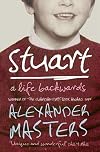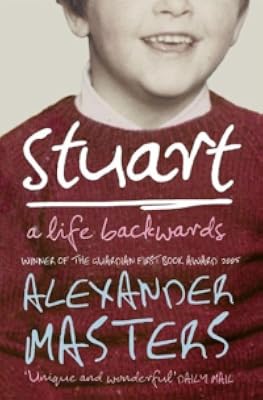
Stuart: A Life Backwards
by Alexander Masters
On This Page
Description
Masters has created a moving portrait of a troubled man, an unlikely friendship, and a desperate world few ever see. A whodunit journey back in time, it begins with Masters meeting a drunken Stuart lying on a sidewalk in Cambridge, England, and leads through layers of hell...back through crimes and misdemeanors, prison and homelessness, suicide attempts, violence, drugs, juvenile halls and special schools-to expose the smiling, gregarious thirteen-year-old boy who was Stuart before his long, show more sprawling, dangerous fall. A writer's quest to give voice to a man who, beneath his forbidding exterior, has a message for us all: that every life--even the most chaotic and disreputable--is a story worthy of being told.--From publisher description. show lessTags
Recommendations












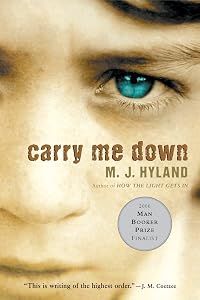
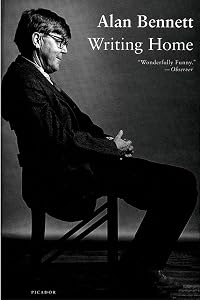

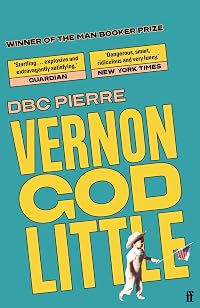
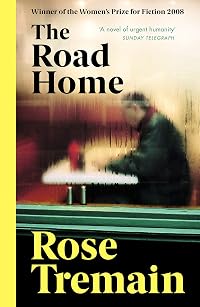













Member Recommendations

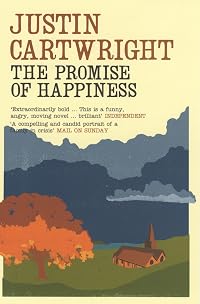
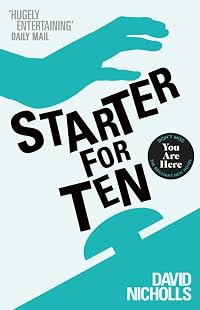
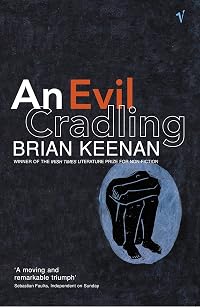
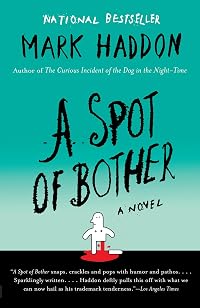
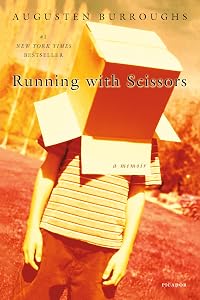
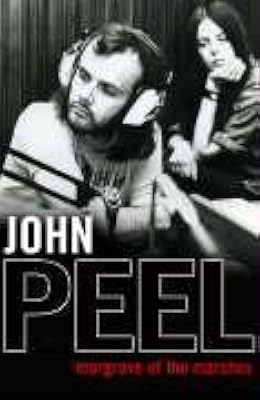
akblanchard Two tales of the modern British underclass.
Member Reviews
This is the last of the 25 World Book Night 2011 books I had to read. A workmate picked up a WBN copy of it in Cambridge and gave it to me, the last book I needed to pick up and set in the Cambridge area. What a stroke of luck!
Masters met the titular Stuart begging in Cambridge, a moment which changed his life. As suggested by the subtitle, Stuart's story is told in reverse. In this way, we see how Stuart ends up on the streets, a combination of many factors. Through his interaction with Stuart, Masters brings us the inside story of the people we pass every day, showing us how easy it is to fall down the rabbit hole, and how hard it is to get back out. Stuart opens up to Masters, letting us in to the darker details of life, and the show more incidents that caused him to become homeless in the first place.
What makes the book so readable, though, is the relationship between Stuart and his biographer, making both more 3-dimensional. The result is a book that is readable, thought-provoking and so very sad. show less
Masters met the titular Stuart begging in Cambridge, a moment which changed his life. As suggested by the subtitle, Stuart's story is told in reverse. In this way, we see how Stuart ends up on the streets, a combination of many factors. Through his interaction with Stuart, Masters brings us the inside story of the people we pass every day, showing us how easy it is to fall down the rabbit hole, and how hard it is to get back out. Stuart opens up to Masters, letting us in to the darker details of life, and the show more incidents that caused him to become homeless in the first place.
What makes the book so readable, though, is the relationship between Stuart and his biographer, making both more 3-dimensional. The result is a book that is readable, thought-provoking and so very sad. show less
Finished this brilliant book today. It is the story of a man who probably shares a lot in common with other homeless men but who has a unique voice and ability to share and contemplate his experiences. The narrative is quite disjointed, switching from the present (the story of the author's relationship with Stuart as they work together on behalf of two shelter workers who have been unjustly imprisoned) to the past and back again, with the chapters on Stuart's past working chronologically backward to his childhood. It was difficult for me to follow at first but I soon found the rhythm of it and came to see it as another way to illustrate just how unstructured and disjointed Stuart's life was.
Stuart is a delightful yet concurrently show more alarming character, swinging from personable and witty to out-of-his-mind violent. His story illustrates the near futility of trying to solve the problem of crime and the homeless. According to the author, Stuart is part of the "chaotic homeless...[who] are beyond repair...What unites the chaotic is the confusion of their days. Cause and effect are not connected in the usual way. Beyond their own governance, let alone within grasp of ours, they are constantly on the brink of raring up or breaking down. Charity staff fuss especially hard over these people because they are the worst face of homeless and, when not the most hateful, the most pitiable extremity of street life."
When asked how long he lived in a particular place, Stuart replies, "To be honest, that sort of question don't mean nothing to a person like me. That's what you're going to find difficult to understand. You grew up with order so you're going to want order to explain things. Where, me, anything ordered was wrong. It weren't a part of my days. My life is so complicated it's hard for me to actually say what happened in them days let alone in what order." So Stuart lives a chaotic life but has the intellect to recognize why it is difficult to understand.
When Masters met Stuart, the homeless man was living in a flat and receiving medical care. He was off drugs and considered a success story by the government workers who had helped him. After spending a couple of years with Stuart, Masters comments in frustration, "If Stuart is a success story, then it is pointless to imagine that we can ever really help these people without breaking the national budget...The chaotic? It isn't a bedsit and employment that they need; it is a new brain."
The actual story of Stuart's life could probably belong to any one of a thousand homeless men. He had violence in his genes from his father, he suffered sexual abuse at the hands of those he should have been able to trust, he was teased and bullied until he "discovered" violence, he sought escape in drugs and drink, he raged at the world. In that brief synopsis, he's almost a cliche. But at the hands of Alexander Masters, who became his friend and who genuinely tried to understand Stuart, his life, and the way of life of the homeless, Stuart becomes a tragic and poetic character.
The power of Stuart's story is in the telling and in putting a single unique face to the homeless. It is heartbreaking and hopeless but has flashes of great hope and humor. I highly recommend it. show less
Stuart is a delightful yet concurrently show more alarming character, swinging from personable and witty to out-of-his-mind violent. His story illustrates the near futility of trying to solve the problem of crime and the homeless. According to the author, Stuart is part of the "chaotic homeless...[who] are beyond repair...What unites the chaotic is the confusion of their days. Cause and effect are not connected in the usual way. Beyond their own governance, let alone within grasp of ours, they are constantly on the brink of raring up or breaking down. Charity staff fuss especially hard over these people because they are the worst face of homeless and, when not the most hateful, the most pitiable extremity of street life."
When asked how long he lived in a particular place, Stuart replies, "To be honest, that sort of question don't mean nothing to a person like me. That's what you're going to find difficult to understand. You grew up with order so you're going to want order to explain things. Where, me, anything ordered was wrong. It weren't a part of my days. My life is so complicated it's hard for me to actually say what happened in them days let alone in what order." So Stuart lives a chaotic life but has the intellect to recognize why it is difficult to understand.
When Masters met Stuart, the homeless man was living in a flat and receiving medical care. He was off drugs and considered a success story by the government workers who had helped him. After spending a couple of years with Stuart, Masters comments in frustration, "If Stuart is a success story, then it is pointless to imagine that we can ever really help these people without breaking the national budget...The chaotic? It isn't a bedsit and employment that they need; it is a new brain."
The actual story of Stuart's life could probably belong to any one of a thousand homeless men. He had violence in his genes from his father, he suffered sexual abuse at the hands of those he should have been able to trust, he was teased and bullied until he "discovered" violence, he sought escape in drugs and drink, he raged at the world. In that brief synopsis, he's almost a cliche. But at the hands of Alexander Masters, who became his friend and who genuinely tried to understand Stuart, his life, and the way of life of the homeless, Stuart becomes a tragic and poetic character.
The power of Stuart's story is in the telling and in putting a single unique face to the homeless. It is heartbreaking and hopeless but has flashes of great hope and humor. I highly recommend it. show less
As Alexander Masters says at the beginning of this book, there are many different types of homeless people:
'There are those who where doing all right beforehand, but have suffered a temporary setback because their wife has run off with another man (or surprisingly often, another woman). Their business may have collapsed. Their daughter has been killed in a car crash or both....
Then there are the ones who suffer from chronic poverty brought on by illiteracy or social ineptness or what are politely called 'learning disabilities'. Perhaps they are dyslexic, autistic, shy to the point of inanity, never went to school ....
The youngsters who have fallen out with their parents, or have come out of care and don't know what to do next or even show more make their own breakfast, they're a third homeless category ....
Ex-convicts and ex-army - take away the format of their lives and all they can do is crumple downwards ....
Right at the bottom of this abnormal heap are the people such as Stuart, the 'chaotic' homeless. The chaotic ('Kai-yo-ic'), as Stuart calls them, are beyond repair.'
Alexander Masters first discovers Stuart begging in a doorway around the corner from Sidney Sussex College in Cambridge. From these inauspicious beginnings, when Stuart announced 'As soon as I get the opportunity I'm going to top meself', Alexander and Stuart develop a somewhat unlikely friendship. Alexander is working for a homeless charity and when the directors of the charity are convicted and imprisoned for allowing drugs to be supplied on the charity's premises, both men are key members of the action group that is trying to get the conviction overturned. The development of Alexander's friendship, and frequent utter frustration, with Stuart forms the foreground of the book. Alongside this Alexander looks backwards over Stuart's adult life and childhood to try and discover what went wrong with his life. And a lot has gone wrong with Stuart's life, from glue-sniffing, to drug addiction and alcoholism, from minor crime to car theft, robbery, violence and possible charges of attempted murder. There are reasons why Stuart is known as 'Knife Man Dan' and 'that mad bastard on Level D' to the other homeless of Cambridge city centre. And yet Stuart is also seen as a success story by the social workers and homeless charities that deal with him, and is extraordinarily convincing in his work for the action group.
This is a fascinating, if not very cheerful book, that throws light on a lot of the issues faced by homeless people. Stuart never lived to see the book published, stepping in front of the 11.15 London to King's Lynn train. Recommended. show less
'There are those who where doing all right beforehand, but have suffered a temporary setback because their wife has run off with another man (or surprisingly often, another woman). Their business may have collapsed. Their daughter has been killed in a car crash or both....
Then there are the ones who suffer from chronic poverty brought on by illiteracy or social ineptness or what are politely called 'learning disabilities'. Perhaps they are dyslexic, autistic, shy to the point of inanity, never went to school ....
The youngsters who have fallen out with their parents, or have come out of care and don't know what to do next or even show more make their own breakfast, they're a third homeless category ....
Ex-convicts and ex-army - take away the format of their lives and all they can do is crumple downwards ....
Right at the bottom of this abnormal heap are the people such as Stuart, the 'chaotic' homeless. The chaotic ('Kai-yo-ic'), as Stuart calls them, are beyond repair.'
Alexander Masters first discovers Stuart begging in a doorway around the corner from Sidney Sussex College in Cambridge. From these inauspicious beginnings, when Stuart announced 'As soon as I get the opportunity I'm going to top meself', Alexander and Stuart develop a somewhat unlikely friendship. Alexander is working for a homeless charity and when the directors of the charity are convicted and imprisoned for allowing drugs to be supplied on the charity's premises, both men are key members of the action group that is trying to get the conviction overturned. The development of Alexander's friendship, and frequent utter frustration, with Stuart forms the foreground of the book. Alongside this Alexander looks backwards over Stuart's adult life and childhood to try and discover what went wrong with his life. And a lot has gone wrong with Stuart's life, from glue-sniffing, to drug addiction and alcoholism, from minor crime to car theft, robbery, violence and possible charges of attempted murder. There are reasons why Stuart is known as 'Knife Man Dan' and 'that mad bastard on Level D' to the other homeless of Cambridge city centre. And yet Stuart is also seen as a success story by the social workers and homeless charities that deal with him, and is extraordinarily convincing in his work for the action group.
This is a fascinating, if not very cheerful book, that throws light on a lot of the issues faced by homeless people. Stuart never lived to see the book published, stepping in front of the 11.15 London to King's Lynn train. Recommended. show less
This is the biography of a very disturbed homeless man the author met when they both got involved in a campaign to free two jailed charity workers. It sucked me right in, & taught me a lot about a section of society I knew nothing about. Not in a way that made me sympathetic, but it gave me a new level of understanding. I enjoyed the writing style a lot - the author got to know Stuart on a personal level more than a subject-author basis & so a lot of the reflections are so real, like the comments you may make about your own friends when they annoy you or show a sensitive side. As a result you as a reader don't just view Stuart as a subject or character, but as utterly real. His life is a very sad story, but the book doesn't milk that or show more play on that. It simply works backwards through time trying to find the one thing that turned Stuart into the mess he was as a grown man & finds a tangled ball of threads all equally weighted in making him who he was. show less
Stuart Shorter was a homeless man in Cambridge, England, with a chaotic life of abuse, drug addiction, alcoholism, self-mutilating, suicidal impulses, violence (he’s a ‘maelstrom of fury’), theft, imprisonment and institutionalisation. He had a form of muscular dystrophy, as did his father, and a ‘refusal to be thwarted’.
Once he had been a ‘happy little boy’, as his mother described him. From about the age of twelve he changed, became a Jekyll and Hyde character, uncontrollable. What this book does is to show how he changed, why, and the depths of his struggles.
Alexander Masters and Stuart met in 1999, on a campaign to free charity workers who had been imprisoned unjustly. They would do presentations together, Masters show more speaking first about the campaign, then Stuart would tell the audience his life story. As the author describes his friend’s contribution: ‘he folds letters and he exposes his soul’.
The author wondered how to write the biography of a person who was not famous; it was Stuart who told him how to do it, and poignantly. ‘âÂ?What murdered the boy I was?âÂ?â he says, suggesting that his story be written as a murder mystery, and written backwards, from adulthood through to his childhood. This works very well, with StuartâÂÂs conversations with the author interspersed throughout.
Masters is often critical of Stuart, and asks him, repeatedly, to explain his ruinous behaviour. Stuart attempts answers, but also asks the author to âÂÂgive it a restâ sometimes when the subject is too sensitive. We come to respect Stuart for his gigantic efforts to understand his wounded self, and come to understand that some questions canâÂÂt be answered easily, or at all: âÂÂStop asking me why, Alexander. I donâÂÂt know why. I was so off-key, half the time me mind had a head of its own.âÂÂ
And Stuart often chastises the author for being too simplistic, not treating each person and each incident on an individual basis, and for not listening. âÂÂHomelessness- itâÂÂs not about not having a homeâ says Stuart in one of the epigraphs, âÂÂItâÂÂs about something being seriously f...... wrong.âÂÂ
There are whimsical drawings by Masters throughout the book, as well as some photographs, newspaper reports and scraps from StuartâÂÂs diary. One of the drawings shows Stuart barricaded into his bedsit, every piece of furniture and every object he owns pushed against the door to stop the police getting in. His figure is desperate, hands in the air above his head, face distraught. Stuart against the world. Masters found a partial tape recording from him amongst the mess, and the transcript is reproduced: StuartâÂÂs voice tells his friend of his anger and despair and how he wishes he could escape from it.
Masters and Stuart are very funny, forthright, profane, and confronting. The author often shocks himself (and the reader) out of his judgemental attitude. For a first book, this is impressive: itâÂÂs original, about a tortured man with important things to say, and told with humanity and tough affection.
published in The Courier Mail, April 29-30 2006 show less
Once he had been a ‘happy little boy’, as his mother described him. From about the age of twelve he changed, became a Jekyll and Hyde character, uncontrollable. What this book does is to show how he changed, why, and the depths of his struggles.
Alexander Masters and Stuart met in 1999, on a campaign to free charity workers who had been imprisoned unjustly. They would do presentations together, Masters show more speaking first about the campaign, then Stuart would tell the audience his life story. As the author describes his friend’s contribution: ‘he folds letters and he exposes his soul’.
The author wondered how to write the biography of a person who was not famous; it was Stuart who told him how to do it, and poignantly. ‘âÂ?What murdered the boy I was?âÂ?â he says, suggesting that his story be written as a murder mystery, and written backwards, from adulthood through to his childhood. This works very well, with StuartâÂÂs conversations with the author interspersed throughout.
Masters is often critical of Stuart, and asks him, repeatedly, to explain his ruinous behaviour. Stuart attempts answers, but also asks the author to âÂÂgive it a restâ sometimes when the subject is too sensitive. We come to respect Stuart for his gigantic efforts to understand his wounded self, and come to understand that some questions canâÂÂt be answered easily, or at all: âÂÂStop asking me why, Alexander. I donâÂÂt know why. I was so off-key, half the time me mind had a head of its own.âÂÂ
And Stuart often chastises the author for being too simplistic, not treating each person and each incident on an individual basis, and for not listening. âÂÂHomelessness- itâÂÂs not about not having a homeâ says Stuart in one of the epigraphs, âÂÂItâÂÂs about something being seriously f...... wrong.âÂÂ
There are whimsical drawings by Masters throughout the book, as well as some photographs, newspaper reports and scraps from StuartâÂÂs diary. One of the drawings shows Stuart barricaded into his bedsit, every piece of furniture and every object he owns pushed against the door to stop the police getting in. His figure is desperate, hands in the air above his head, face distraught. Stuart against the world. Masters found a partial tape recording from him amongst the mess, and the transcript is reproduced: StuartâÂÂs voice tells his friend of his anger and despair and how he wishes he could escape from it.
Masters and Stuart are very funny, forthright, profane, and confronting. The author often shocks himself (and the reader) out of his judgemental attitude. For a first book, this is impressive: itâÂÂs original, about a tortured man with important things to say, and told with humanity and tough affection.
published in The Courier Mail, April 29-30 2006 show less
This is the story of Stuart Shorter, a former homeless man and drug addict, as told by his writer/illustrator friend Alexander. Stuart and Alexander meet at the Wintercomfort homeless centre in Cambridge during a campaign to free the centre's directors from prison (they had been arrested for allegedly condoning drug deals on the premises). Stuart wanders into a campaign meeting and provides the organizers with firsthand insights into the prison experience. From there, Alexander sets out to tell the life story of Stuart, working backwards to discover just how he became the person he ended up as.
It was Stuart's idea to tell the story backwards; he envisioned it as a sort of murder mystery, a murder of the psyche. Alexander interviews show more Stuart's family, delves into archives and recounts his own encounters with Stuart to tell the whole story. He does so very wryly; dealing with Stuart is always an adventure and does not lack for exasperation. Alexander does his best to understand the life Stuart leads, although Stuart does sometimes have to remind him that, as a "nine-to-fiver", Alexander sees life a bit differently.
Stuart did not lead an entirely happy life: sexual abuse, drug addiction, psychiatric issues, and so on. Still, there are moments that will make the reader crack a smile: I liked the parts where Stuart would comment on Alexander's manuscript (the first draft was "bollocks boring") or his illustrations (one of a police dog earned the comment "You muppet, Alexander, it was an Alsatian not a pug"). The humour helps but does not entirely alleviate (and nor should it alleviate) the hard times. Reading this book will give you a firsthand look at the issues of homelessness, poverty and drug addiction, as well as the problems and struggles of "The System" that is intended to help but sometimes does harm.
The book was first published in 2005 and made into a TV movie in 2007, starring Benedict Cumberbatch as Alexander and Tom Hardy as Stuart. Recommended for those who like biographies of lesser-known figures or who are interested in social issues. show less
It was Stuart's idea to tell the story backwards; he envisioned it as a sort of murder mystery, a murder of the psyche. Alexander interviews show more Stuart's family, delves into archives and recounts his own encounters with Stuart to tell the whole story. He does so very wryly; dealing with Stuart is always an adventure and does not lack for exasperation. Alexander does his best to understand the life Stuart leads, although Stuart does sometimes have to remind him that, as a "nine-to-fiver", Alexander sees life a bit differently.
Stuart did not lead an entirely happy life: sexual abuse, drug addiction, psychiatric issues, and so on. Still, there are moments that will make the reader crack a smile: I liked the parts where Stuart would comment on Alexander's manuscript (the first draft was "bollocks boring") or his illustrations (one of a police dog earned the comment "You muppet, Alexander, it was an Alsatian not a pug"). The humour helps but does not entirely alleviate (and nor should it alleviate) the hard times. Reading this book will give you a firsthand look at the issues of homelessness, poverty and drug addiction, as well as the problems and struggles of "The System" that is intended to help but sometimes does harm.
The book was first published in 2005 and made into a TV movie in 2007, starring Benedict Cumberbatch as Alexander and Tom Hardy as Stuart. Recommended for those who like biographies of lesser-known figures or who are interested in social issues. show less
Stuart Shorter did a lot of living, most of it not very pleasant, before his tragic death-by-train at the age of thirty-three. A victim of muscular dystrophy, Stuart was ostracized and ridiculed by children his age because of the way he walked. He suffered at the hands of sexual predators, both in his own home, and in the Cambridge, England, facility he lived in after being placed “in care.” His drug usage progressed all the way from glue sniffing to heroin and his thievery landed him in more than a dozen prisons – where he would spend several years of his short life. When not locked up, Stuart Shorter lived on the streets and, though people feared his tendency toward violence, he most often managed to do more physical damage to show more himself than to others.
When Alexander Masters, while studying at Cambridge University, met him, Stuart Shorter was more in control of his life than he had been for a long time. He was living in his own small flat and had limited his use of alcohol and drugs enough to keep himself from getting into much new trouble with the law. Masters, an advocate for the homeless, saw the spark in Stuart that made his story an exceptionally tragic one and the two worked together for over three years to get that story down on paper. The result is "Stuart: A Life Backwards."
Neither believed that the early trauma and taunting associated with Stuart’s illness predestined him to homelessness, severe drug addiction, or his violent nature. There was much more to it, and Stuart’s question “What murdered the boy I was?” became the central theme of the book. It was when they hit on the idea of telling Stuart’s story in reverse, a backwards biography of sorts, that a variety of answers was unearthed for their consideration.
"Stuart: A Life Backwards" is largely told in Stuart’s own words along with Alexander’s reaction to his stories about prison life, school days, homelessness, violence, sexual abuse, and drugs. It begins at the point the two first meet, when Stuart is 29 years old, and progresses backward by jumps of roughly five years all the way to Stuart’s birth. Each of the segmented periods includes a real-time conversation between Stuart and Alexander about those years plus what the author learned through his own research.
As Stuart and Alexander search for the answer to his question, Stuart becomes a unique, and surprisingly insightful, person in the eyes of the reader. As the real tragedy of his life is revealed, one comes to believe that Stuart cannot possibly come to a good end – and, sadly, he does not.
Alexander Masters provides an interesting look into a lifestyle seldom described through the eyes of someone actually living it, especially someone self-aware to the extent that Stuart is, a man struggling to find answers of his own. What a shame it is that Stuart was not around long enough to see the finished product. show less
When Alexander Masters, while studying at Cambridge University, met him, Stuart Shorter was more in control of his life than he had been for a long time. He was living in his own small flat and had limited his use of alcohol and drugs enough to keep himself from getting into much new trouble with the law. Masters, an advocate for the homeless, saw the spark in Stuart that made his story an exceptionally tragic one and the two worked together for over three years to get that story down on paper. The result is "Stuart: A Life Backwards."
Neither believed that the early trauma and taunting associated with Stuart’s illness predestined him to homelessness, severe drug addiction, or his violent nature. There was much more to it, and Stuart’s question “What murdered the boy I was?” became the central theme of the book. It was when they hit on the idea of telling Stuart’s story in reverse, a backwards biography of sorts, that a variety of answers was unearthed for their consideration.
"Stuart: A Life Backwards" is largely told in Stuart’s own words along with Alexander’s reaction to his stories about prison life, school days, homelessness, violence, sexual abuse, and drugs. It begins at the point the two first meet, when Stuart is 29 years old, and progresses backward by jumps of roughly five years all the way to Stuart’s birth. Each of the segmented periods includes a real-time conversation between Stuart and Alexander about those years plus what the author learned through his own research.
As Stuart and Alexander search for the answer to his question, Stuart becomes a unique, and surprisingly insightful, person in the eyes of the reader. As the real tragedy of his life is revealed, one comes to believe that Stuart cannot possibly come to a good end – and, sadly, he does not.
Alexander Masters provides an interesting look into a lifestyle seldom described through the eyes of someone actually living it, especially someone self-aware to the extent that Stuart is, a man struggling to find answers of his own. What a shame it is that Stuart was not around long enough to see the finished product. show less
Members
- Recently Added By
Published Reviews
ThingScore 100
[...] one of the several achievements of Stuart: A Life Backwards is that it leaves you feeling thoroughly ashamed of your own cynicism and thoroughly infuriated - buttingly so - by that of other people. I love this book and, now I have finished reading it, I am certain of its power and unique spirit; I don't care who knows it.
added by Nevov
Author Information

8+ Works 1,289 Members
Awards and Honors
Awards
Series
Belongs to Publisher Series
Common Knowledge
- Original publication date
- 2005
- People/Characters
- Stuart Shorter; Alexander Masters; Ruth Wyner; John Brock
- Important places
- Cambridge, Cambridgeshire, England, UK
- Related movies
- Stuart: A Life Backwards (2007 | IMDb)
- Epigraph
- Alexander, sort it out - you're the writer.
I just done the living.
Stuart Shorter - Dedication
- For my father, Dexter Masters
- First words
- Stuart does not like the manuscript.
- Last words
- (Click to show. Warning: May contain spoilers.)The next morning, before the vicar could spot her, she crept up to the grave and removed the cans and needles.
Classifications
Statistics
- Members
- 987
- Popularity
- 26,538
- Reviews
- 38
- Rating
- (3.90)
- Languages
- Dutch, English, German, Italian
- Media
- Paper, Audiobook, Ebook
- ISBNs
- 19
- ASINs
- 6