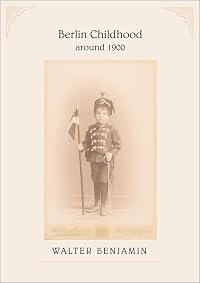
Berlin Childhood around 1900
by Walter Benjamin
On This Page
Description
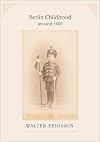
Begun in Poveromo, Italy, in 1932, and extensively revised in 1938, Berlin Childhood around 1900 remained unpublished during Walter Benjamin's lifetime, one of his "large-scale defeats." Now translated into English for the first time in book form, on the basis of the recently discovered "final version" that contains the author's own arrangement of a suite of luminous vignettes, it can be more widely appreciated as one of the masterpieces of twentieth-century prose writing. Not an show more autobiography in the customary sense, Benjamin's recollection of his childhood in an upper-middle-class Jewish home in Berlin's West End at the turn of the century becomes an occasion for unified "expeditions into the depths of memory." In this diagram of his life, Benjamin focuses not on persons or events but on places and things, all seen from the perspective of a child--a collector, flaneur, and allegorist in one. This book is also one of Benjamin's great city texts, bringing to life the cocoon of his childhood--the parks, streets, schoolrooms, and interiors of an emerging metropolis. It reads the city as palimpsest and labyrinth, revealing unexpected lyricism in the heart of the familiar. As an added gem, a preface by Howard Eiland discusses the genesis and structure of the work, which marks the culmination of Benjamin's attempt to do philosophy concretely. show lessTags
Recommendations










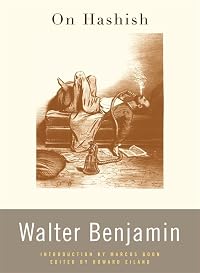












Member Recommendations
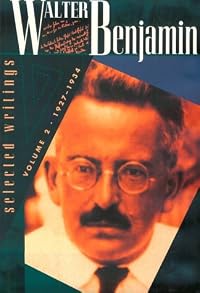
aileverte As an epigraph to the translator's Foreword, Howard Eiland used a quote from "On Hashish" which encapsulates the essence of Benjamin's small book: "I'd like to write something that comes from things the way wine comes from grapes." The same sensuous attentiveness to objects can be found in the poetry of Francis Ponge, although with the added spice of the poet's wry humor.
aileverte Sebald shares with Benjamin a keen sensitivity to the sensory aspects of the most neglected things and places, allowing them to unfold the secret layers of their history and their mythology, thus retracing an invisible nerve network that connects them often in uncanny ways.
Member Reviews
Walter Benjamins Berliner Kindheit um neunzehnhundert gehörte zu den ersten Büchern, die Peter Suhrkamp 1950 veröffentlichte. Benjamins Kindheitsbuch ist eine der schönsten autobiographischen Schriften des 20. Jahrhunderts und zugleich ein Schlüsseltext der Moderne.
In Prosaminiaturen oder Momentaufnahmen beschreibt Benjamin seine Kindheit im Berlin der Jahrhundertwende, auf das im Rückblick bereits der Schatten des Exils fällt. Benjamin hat von 1932 bis 1938 an der Berliner Kindheit gearbeitet, aber keine der drei Fassungen lag für diese erste Buchfassung vor, die Theodor W. Adorno aus verschiedenen Manuskripten, Typoskripten und Teilabdrucken zusammenstellte. Erst 1981 wurde in der Bibliothèque Nationale in Paris ein show more Typoskript der 1938 entstandenen Fassung letzter Hand wiedergefunden. Eine weitere, noch später zugänglich gewordene Fassung ist bis heute unveröffentlicht geblieben. Sie erscheint zum Jubiläum des Verlages. Ihr beigegeben sind historische Photographien aus dem Berlin der Jahrhundertwende und Dokumente aus dem Nachlaß Walter Benjamins. show less
In Prosaminiaturen oder Momentaufnahmen beschreibt Benjamin seine Kindheit im Berlin der Jahrhundertwende, auf das im Rückblick bereits der Schatten des Exils fällt. Benjamin hat von 1932 bis 1938 an der Berliner Kindheit gearbeitet, aber keine der drei Fassungen lag für diese erste Buchfassung vor, die Theodor W. Adorno aus verschiedenen Manuskripten, Typoskripten und Teilabdrucken zusammenstellte. Erst 1981 wurde in der Bibliothèque Nationale in Paris ein show more Typoskript der 1938 entstandenen Fassung letzter Hand wiedergefunden. Eine weitere, noch später zugänglich gewordene Fassung ist bis heute unveröffentlicht geblieben. Sie erscheint zum Jubiläum des Verlages. Ihr beigegeben sind historische Photographien aus dem Berlin der Jahrhundertwende und Dokumente aus dem Nachlaß Walter Benjamins. show less
I'm certain I haven't read any Walter Benjamin since college, although I always recall "The Work of Art in the Age of Mechanical Reproduction" quite fondly. This is a series of very short descriptions of his memories of childhood. Despite being very narrow in focus -- he's a young child so many of the remembered incidents are specific to his own home and his family, they do come together to give you a very ephemeral sense of life in Berlin at this time. This fascinated me a lot -- it's as if you catch glimpses of Berlin much like a person might remember only brief impressions of a place he or she experienced as a small child. He's pretty upfront about the fact that his family's Berlin life was more comfortable than most, too. Benjamin show more wrote this series when he was living outside of Germany in the late 30s, unable to return because of his Jewish background. A few years later, he was trying to get to the US, and killed himself when his traveling party was stopped at the French border. The details are a little murky, but it would seem the premise was that he didn't want to risk deportation to Germany. This is the first complete English collection of Berlin Childhood and it also includes a few pieces that were original to the manuscript, but edited out by Benjamin before publication. It's not in the text, and it's quite possible I'm projecting it myself, but I believe this book does have the feel of something written about a very beloved time and place, with an added urgency and confusion about the current state of things. "You can't go home again" is a common enough theme, but you feel the special keenness of that in this book.
Grade: B+
Recommended: Benjamin translated Proust for German publication, and you definitely get the idea that Berlin Childhood owes a lot to Remembrance of Things Past (although not in length). The episodes are extremely philosophical and contemplative, they aren't the "funny things I did as a kid" type. This would probably be enjoyed by people who like Proust and/or Rilke, or have a specific interest in German life during this period. Oh, it's probably also much more satisfying to read if you have the leisure to sit back and allow time for your own musings on the topics raised, I get the feeling it would be a particularly frustrating book to rush through. show less
Grade: B+
Recommended: Benjamin translated Proust for German publication, and you definitely get the idea that Berlin Childhood owes a lot to Remembrance of Things Past (although not in length). The episodes are extremely philosophical and contemplative, they aren't the "funny things I did as a kid" type. This would probably be enjoyed by people who like Proust and/or Rilke, or have a specific interest in German life during this period. Oh, it's probably also much more satisfying to read if you have the leisure to sit back and allow time for your own musings on the topics raised, I get the feeling it would be a particularly frustrating book to rush through. show less
About the thinking and feeling of a boy, who, in spite of being grown up in a steady, materially safeguarded parental home, feels himself lonely at an early stage. Due to this fact, Benjamin conceives his own position throughout live as extremely labile.
Esta obra central en el universo benjaminiano se empezó a escribir en los años treinta del pasado siglo como contrapeso al mítico (y extrañado) proyecto del Libro de los Pasajes y al ascenso de los nazis al poder.
Benjamin se torna a mirar su propia infancia: el nacimiento del «apetito de historias» en un niño enfermizo. No obstante, influido por Proust (de quien fue traductor), el autor alcanza una resonancia mayor y le devuelve su libertad fundacional a la forma ensayística: capta la compleja trama de temporalidades que nos conforma, la resistencia del pasado a marcharse y su promesa de futuro. Con un acercamiento detallista y ensoñado, Benjamin observa un teléfono, un costurero o un parque en medio de la ciudad, y extrae de show more ellos el fundamento de la imaginación infantil, la magia de un pensar en imágenes, porque este libro es un mapa de la ciudad y un manual de instrucciones de la infancia en un momento en que ambas, ciudad y niñez, han desaparecido. Sin embargo, como siempre en Benjamin, lo extinguido adquiere una súbita modernidad. Y su mirada, entrenada en el arte de la espera, se transforma en una cartografía de los sueños contemporáneos. show less
Benjamin se torna a mirar su propia infancia: el nacimiento del «apetito de historias» en un niño enfermizo. No obstante, influido por Proust (de quien fue traductor), el autor alcanza una resonancia mayor y le devuelve su libertad fundacional a la forma ensayística: capta la compleja trama de temporalidades que nos conforma, la resistencia del pasado a marcharse y su promesa de futuro. Con un acercamiento detallista y ensoñado, Benjamin observa un teléfono, un costurero o un parque en medio de la ciudad, y extrae de show more ellos el fundamento de la imaginación infantil, la magia de un pensar en imágenes, porque este libro es un mapa de la ciudad y un manual de instrucciones de la infancia en un momento en que ambas, ciudad y niñez, han desaparecido. Sin embargo, como siempre en Benjamin, lo extinguido adquiere una súbita modernidad. Y su mirada, entrenada en el arte de la espera, se transforma en una cartografía de los sueños contemporáneos. show less
Sep 20, 2022Spanish
Benjamins majesteitelijke vertelstem overdondert. Evocatieve precisie van de zuiverste graad, memoires die zinderen van beeldende rijkdom, eenduidig maar tegelijk zinnenprikkelend, betekenisvol uitwaaierend tot verre, fantasievolle horizonten. Poëtisch proza zoals enkel poëzie prozaïsch kan zijn.
Nov 29, 2015Dutch
Recordaba este libro como de prosa preciosa y nostálgica de cuando lo leí hace años en la edición de Alfaguara traducido por Klaus Wagner, pero esta edición de Periférica no me ha gustado, resulta áspera y rígida y poco acogedora y está llena de arcaicismos que imagino que serán técnica o académicamente apropiados pero que molestan al leer.
Jan 20, 2022Spanish
un bambino che gioca e cresce in una Berlino a cavallo di due secoli, che ci racconta le sue strade, e anche se ci avverte che non possiamo mai recuperare interamente quanto si è dimenticato, lui ci racconta molti dei suoi ricordi infantili, ci fa rivere quello stupore, quella magia con la quale spesso, fortunatamente, i bambini guardano al mondo intorno a loro.
Nov 18, 2010Italian
1
Members
- Recently Added By
Lists

Die besten Werke der deutschsprachigen Erzählliteratur von 1924 bis 2024
100 works; 2 members
Author Information

517+ Works 16,220 Members
Walter Benjamin (1892-1940) was a German-Jewish Marxist literary critic, essayist, translator and philosopher associated with the Frankfurt School of critical theory.
Some Editions
Series
Belongs to Publisher Series
Common Knowledge
- Canonical title*
- Berliner Kindheit um 1900
- Original title
- Berliner Kindheit um neunzehnhundert
- Original publication date
- 1950
- Important places
- Berlín, Alemania
- Epigraph
- Oh, columna de la Victoria, dorada en el horno con el azúcar invernal de los días de la infancia.
- Dedication
- A mi querido Esteban
- First words
- Im Jahre 1932, als ich im Ausland war, begann mir klar zu werden, daß ich in Bälde einen längeren, vielleicht einen dauernden Abschied von der Stadt, in der ich geboren bin, würde nehmen müssen.
En 1932, estando en el extranjero, comencé a vislumbrar claramente que pronto tendría que despedirme durante un tiempo, tal vez duradero, de la ciudad donde nací. - Quotations
- O braungebackene Siegessäule mit Winterzucker aus den Kindertagen.
Here reigned a type of furniture that, having capriciously incorporated styles of ornament from different centuries, was thoroughly imbued with itself and its own duration. Poverty could have no place in these rooms, where de... (show all)ath itself had none. ... That is why they appeared so cozy by day and became the scene of bad dreams at night. - Last words
- (Click to show. Warning: May contain spoilers.)"Reza, ay, te lo pido, caro niñito, reza también por el jorobadito"
- Blurbers*
- Honold, Alexander
- Original language
- German; Alemán
*Some information comes from Common Knowledge in other languages. Click "Edit" for more information.
Classifications
- Genre
- Biography & Memoir
- DDC/MDS
- 838.91209 — Literature & rhetoric German & related literatures German miscellaneous writings 1900- 1900-1990 1900-1945 Individual authors not limited to one specific form : description; critical appraisal; biography; collected works
- LCC
- PT2603 .E455 .Z4613 — Language and Literature German, Dutch and Scandinavian literatures German literature Individual authors or works 1860/70-1960
- BISAC
Statistics
- Members
- 503
- Popularity
- 59,479
- Reviews
- 7
- Rating
- (3.86)
- Languages
- 14 — Catalan, Danish, Dutch, English, Estonian, French, German, Greek, Italian, Polish, Russian, Spanish, Swedish, Turkish
- Media
- Paper, Audiobook, Ebook
- ISBNs
- 48
- ASINs
- 11