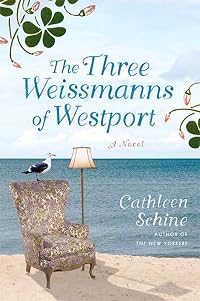
The Three Weissmanns of Westport
by Cathleen Schine
On This Page
Description
Betty Weissman loses her elegant New York apartment when her husband of nearly fifty years divorces her for what he says are irreconcilable differences, but is in actuality another woman. She and her two grown daughters who quite unexpectedly find themselves the middle-aged products of a broken home and whose own lives are in varying states of disrepair and confusion regroup in a small, run-down Westport, Connecticut, beach cottage. As they wrestle with economic hard times, love starts to show more blossom for both sisters, and they find themselves struggling with the dueling demands of reason and romance. show lessTags
Recommendations













Member Reviews
Betty's husband of 48 years, Joseph, has dumped her for Felicity, a VP from his firm, and Joseph is most concerned that Betty be well cared for since he is, as he constantly repeats, a generous man. Betty will get the Central Park West apartment. Felicity thinks not.
"I supposed the upkeep is very high these days."
Joe nodded.
"It's really a burden, that big old place," Felicity said. "Poor Betty. I don't envy her. At her age."
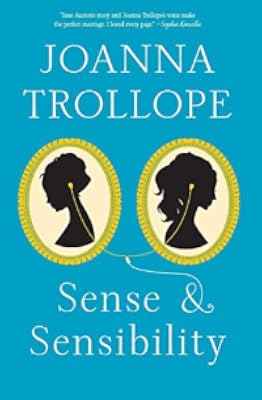
Avid readers of Jane Austen will recognize in this exchange and for pages thereafter the plot of Sense and Sensibility with Felicity playing the part of Fanny Dashwood, avaricious sister-in-law of the sisters Dashwood, as she plots to have her husband give up as little as possible to his family. The Weissmanns, show more mother and two middle-aged daughters, are forced to accept the charity of their genial Cousin Lou and take up residence in a rickety beachside cottage in Westport, CT. Sensible Annie and drama queen Miranda are there to support Betty, and the collapse of Miranda's publishing business makes her as financially vulnerable as her mother. The two women seem to willfully ignore their plight while practical librarian Annie worries.
For Austen lovers much of the fun of the book is in identifying the characters: Frederick, the solemn writer and brother of the nasty Felicity stands in for Edward Ferrars; Roberts, the quiet ever-present lawyer, is Colonel Brandon; Kit, the much younger man with whom Miranda is smitten, is the rascal Willoughby. Hilariously, the Steele sisters are named after mineral deposits: Amber and Crystal. (Another insider giggle comes when Felicity ruminates on Amber's devotion to her: "She was so attentive, and yet one felt the steel behind her acquiescence.")
Schine is masterful as she weaves this familiar plot through the modern-day Weissmanns' lives. It's all very clever and just when the cleverness is in danger of becoming old hat - after all, why continue reading when we know how it will all end? - she changes it all up and makes it her own. It's a delightful story, full of humor, surprises and finely drawn characters. I loved it.
My favorite character was Betty. This may be because Mrs. Dashwood is such a peripheral character in S&S and here we are allowed into Betty's inner life. She takes to watching daytime TV and buys Oxyclean and a fleece blanket with arms. She refers to her husband as "Joseph, may he rest in peace" and waves her daughters out the door with "Find nice, rich husbands!" just for their reactions. But Schine makes her so much more than a quirky, somewhat flighty woman. She is profoundly hurt by her husband's abandonment and keeps most of this to herself. To their credit, her daughters recognize this and while she has always had their love, she earns their respect.
In the original, Dashwood pere dies, leaving the family desititute. Here, despite Betty's pronouncements, Joseph is very much alive and seemingly clueless. It's a little mystifying that this previously devoted husband and father could completely separate himself from his role in prolonging the divorce settlement, the cause of his wife's impoverishment. Instead:
"He wanted Miranda and Annie to join him in a toast. A toast to life. His life."
Jeesh. show less
"I supposed the upkeep is very high these days."
Joe nodded.
"It's really a burden, that big old place," Felicity said. "Poor Betty. I don't envy her. At her age."
Avid readers of Jane Austen will recognize in this exchange and for pages thereafter the plot of Sense and Sensibility with Felicity playing the part of Fanny Dashwood, avaricious sister-in-law of the sisters Dashwood, as she plots to have her husband give up as little as possible to his family. The Weissmanns, show more mother and two middle-aged daughters, are forced to accept the charity of their genial Cousin Lou and take up residence in a rickety beachside cottage in Westport, CT. Sensible Annie and drama queen Miranda are there to support Betty, and the collapse of Miranda's publishing business makes her as financially vulnerable as her mother. The two women seem to willfully ignore their plight while practical librarian Annie worries.
For Austen lovers much of the fun of the book is in identifying the characters: Frederick, the solemn writer and brother of the nasty Felicity stands in for Edward Ferrars; Roberts, the quiet ever-present lawyer, is Colonel Brandon; Kit, the much younger man with whom Miranda is smitten, is the rascal Willoughby. Hilariously, the Steele sisters are named after mineral deposits: Amber and Crystal. (Another insider giggle comes when Felicity ruminates on Amber's devotion to her: "She was so attentive, and yet one felt the steel behind her acquiescence.")
Schine is masterful as she weaves this familiar plot through the modern-day Weissmanns' lives. It's all very clever and just when the cleverness is in danger of becoming old hat - after all, why continue reading when we know how it will all end? - she changes it all up and makes it her own. It's a delightful story, full of humor, surprises and finely drawn characters. I loved it.
My favorite character was Betty. This may be because Mrs. Dashwood is such a peripheral character in S&S and here we are allowed into Betty's inner life. She takes to watching daytime TV and buys Oxyclean and a fleece blanket with arms. She refers to her husband as "Joseph, may he rest in peace" and waves her daughters out the door with "Find nice, rich husbands!" just for their reactions. But Schine makes her so much more than a quirky, somewhat flighty woman. She is profoundly hurt by her husband's abandonment and keeps most of this to herself. To their credit, her daughters recognize this and while she has always had their love, she earns their respect.
In the original, Dashwood pere dies, leaving the family desititute. Here, despite Betty's pronouncements, Joseph is very much alive and seemingly clueless. It's a little mystifying that this previously devoted husband and father could completely separate himself from his role in prolonging the divorce settlement, the cause of his wife's impoverishment. Instead:
"He wanted Miranda and Annie to join him in a toast. A toast to life. His life."
Jeesh. show less
I have read a bunch of Austen sequels, prequels, parallel novels and reboots since discovering relatively recently the genius that is Jane, and I think one of the hardest balances for modern authors to strike is the 'modernisation' of a classic text. Especially a nineteenth century text by Jane Austen. Those who stray too far from the source risk alienating the intended demograhic (and offending an army of Janeites), but adhering too rigidly to the original characters and plot devices instead of creating a new perspective is an insult to both author and reader.
In that respect, Cathleen Schine's revision of Sense and Sensibility is a work of art. She honours Austen's work, incorporating all the familiar characters like Elinor, Marianne, show more Brandon and the worthless Willoughby, without robbing the Weissmann family of personalities and relationships distinct from the original novel. Annie, Miranda and their mother Betty are instantly recognisable - Annie is quite literally 'by the book', a librarian who loves to lose herself in old novels, while Miranda is a 'nightmare' who specialises in melodrama - yet more, somehow, than modern translations of the Dashwood family. While Schine runs more to comedic vignettes than Austen's telling dialogue, I came to know and relate to her characters in the same way that Elinor and Marianne are also brought to life on the page.
The plot also follows Austen's tangled web of close-knit society and scandalous rumours, moving from Austen's Devonshire to a beach cottage in Westport, Connecticut (which sounds absolutely beautiful). I actually thought - and here's where I venture out onto thin ice - that Schine handled the plot of S+S more skilfully than Austen herself, neatly updating the circumstances while toning down (or reallotting) the drama. For instance, instead of the death of Mr Dashwood and the callous casting off by the son of Mrs Dashwood and her daughters, Schine opens with Joe Weissmann demanded a divorce from Betty, his wife of fifty years, because he has fallen in love with a younger (relatively speaking) woman. The result is still shocking, and the reader will love to hate Felicity, Betty's replacement, but a businessman's late-life crisis is more relateable than primogeniture. The ending is also a great improvement on Marianne's melodramatic decline and unlikely betrothal, left suggestively open for the reader to decide who should be with who. I was left heartbroken by Schine's reversal of roles in the final chapters.
What swayed me most, however, is Cathleen Schine's entrancing narrative, full of humour, honesty, poetry and life. She describes the East Coast setting with romantic intensity, and brings her characters to life with little quirks of speech and action. Of course she isn't on par with Austen, but she tells the Weissmann's story with great wit and pathos, and if the reader also recognises familiar faces and situations from Sense and Sensibility in her writing, than the connection is an added bonus. Wonderful. show less
In that respect, Cathleen Schine's revision of Sense and Sensibility is a work of art. She honours Austen's work, incorporating all the familiar characters like Elinor, Marianne, show more Brandon and the worthless Willoughby, without robbing the Weissmann family of personalities and relationships distinct from the original novel. Annie, Miranda and their mother Betty are instantly recognisable - Annie is quite literally 'by the book', a librarian who loves to lose herself in old novels, while Miranda is a 'nightmare' who specialises in melodrama - yet more, somehow, than modern translations of the Dashwood family. While Schine runs more to comedic vignettes than Austen's telling dialogue, I came to know and relate to her characters in the same way that Elinor and Marianne are also brought to life on the page.
The plot also follows Austen's tangled web of close-knit society and scandalous rumours, moving from Austen's Devonshire to a beach cottage in Westport, Connecticut (which sounds absolutely beautiful). I actually thought - and here's where I venture out onto thin ice - that Schine handled the plot of S+S more skilfully than Austen herself, neatly updating the circumstances while toning down (or reallotting) the drama. For instance, instead of the death of Mr Dashwood and the callous casting off by the son of Mrs Dashwood and her daughters, Schine opens with Joe Weissmann demanded a divorce from Betty, his wife of fifty years, because he has fallen in love with a younger (relatively speaking) woman. The result is still shocking, and the reader will love to hate Felicity, Betty's replacement, but a businessman's late-life crisis is more relateable than primogeniture. The ending is also a great improvement on Marianne's melodramatic decline and unlikely betrothal, left suggestively open for the reader to decide who should be with who. I was left heartbroken by Schine's reversal of roles in the final chapters.
What swayed me most, however, is Cathleen Schine's entrancing narrative, full of humour, honesty, poetry and life. She describes the East Coast setting with romantic intensity, and brings her characters to life with little quirks of speech and action. Of course she isn't on par with Austen, but she tells the Weissmann's story with great wit and pathos, and if the reader also recognises familiar faces and situations from Sense and Sensibility in her writing, than the connection is an added bonus. Wonderful. show less
When 75-year-old Betty Weissman’s husband suddenly decides they have “irreconcilable differences” and must divorce, she takes shelter in Westport, Connecticut in a summer cottage belonging to her cousin. Betty is joined by her two daughters – the practical Annie facing an empty nest at home and the impulsive Miranda whose business is on the verge of bankruptcy. As the three women cope with their problems and the lack of money they are now facing, they meet new people and the two sisters find romantic opportunities may be in store for them.
If the bare-bones plot given above sounds familiar, it’s because The Three Weissmans of Westport is a modern re-telling of Jane Austen’s classic Sense and Sensibility. This means the show more plotting is largely predictable (although in the last 50 pages or so, Schine has some new twists - and leaves something to be desired in the ending) and the characters are mostly true to their 19th century counterparts. In one respect, this is like coming back to old acquaintances and finding out more about them – Cousin Lou and his wife Rosalyn in particular were delightful in this respect. But this can also be a pitfall. For instance, in Sense and Sensibility many of Marianne’s antics can be brushed off as the impulses of a petulant teenager who will grow up eventually. But when 49-year-old Miranda acts irrationally, it comes across as particularly ridiculous and the reader feels like shaking her into acting reasonably. Meanwhile, Elinor, my favorite Austen heroine, is re-molded into the not only practical, but often bitter, Annie, who I found I did not like as much as I would have hoped.
Likewise, there’s a fair amount of “oh the poor Dashwoods – they only have one servant now!” feeling when reading Sense and Sensibility, which is only amplified in this re-telling. The Dashwood girls were really limited by the rules of their society to marrying well if they aimed to prosper materially. But the Weissmans do not have this predicament and it struck me as absurd to hear them fret about money while doing absolutely nothing about it. And, their spoiled, snobbish previous lifestyles mean that their life of “poverty” is still well above the means of many Americans today. Given the current economy, the Weissmans having to move into a cottage of a ritzy tourist town and spend their evenings going to endless dinner parties at the local mansions seems wildly out of touch with the real hardships faced everyday by people in this country and around the world. I would like to think there’s an element of the satirical in this part of the plot to reflect that their burdens are relatively minor compared to others, but I really did not get that impression often.
In terms of writing style, I was not very much impressed with The Three Weissmans of Westport. There were certainly moments of humor and irony, but nothing to compare to Austen’s acerbic wit. And while the author liked to drop in ten dollar words when ten cent ones would do as well as various literary and pop cultural references, there was nothing of substance and the book never came across as anything more than an easy reading beach book. Of course, if you’re looking for a light read, then this would do nicely. But, reading this as I was in juxtaposition with Jane Austen’s Sense and Sensibility, this book was bound to fail to live up to its predecessor. show less
If the bare-bones plot given above sounds familiar, it’s because The Three Weissmans of Westport is a modern re-telling of Jane Austen’s classic Sense and Sensibility. This means the show more plotting is largely predictable (although in the last 50 pages or so, Schine has some new twists - and leaves something to be desired in the ending) and the characters are mostly true to their 19th century counterparts. In one respect, this is like coming back to old acquaintances and finding out more about them – Cousin Lou and his wife Rosalyn in particular were delightful in this respect. But this can also be a pitfall. For instance, in Sense and Sensibility many of Marianne’s antics can be brushed off as the impulses of a petulant teenager who will grow up eventually. But when 49-year-old Miranda acts irrationally, it comes across as particularly ridiculous and the reader feels like shaking her into acting reasonably. Meanwhile, Elinor, my favorite Austen heroine, is re-molded into the not only practical, but often bitter, Annie, who I found I did not like as much as I would have hoped.
Likewise, there’s a fair amount of “oh the poor Dashwoods – they only have one servant now!” feeling when reading Sense and Sensibility, which is only amplified in this re-telling. The Dashwood girls were really limited by the rules of their society to marrying well if they aimed to prosper materially. But the Weissmans do not have this predicament and it struck me as absurd to hear them fret about money while doing absolutely nothing about it. And, their spoiled, snobbish previous lifestyles mean that their life of “poverty” is still well above the means of many Americans today. Given the current economy, the Weissmans having to move into a cottage of a ritzy tourist town and spend their evenings going to endless dinner parties at the local mansions seems wildly out of touch with the real hardships faced everyday by people in this country and around the world. I would like to think there’s an element of the satirical in this part of the plot to reflect that their burdens are relatively minor compared to others, but I really did not get that impression often.
In terms of writing style, I was not very much impressed with The Three Weissmans of Westport. There were certainly moments of humor and irony, but nothing to compare to Austen’s acerbic wit. And while the author liked to drop in ten dollar words when ten cent ones would do as well as various literary and pop cultural references, there was nothing of substance and the book never came across as anything more than an easy reading beach book. Of course, if you’re looking for a light read, then this would do nicely. But, reading this as I was in juxtaposition with Jane Austen’s Sense and Sensibility, this book was bound to fail to live up to its predecessor. show less
Book on CD narrated by Hillary Huber
Betty Weissmann is seventy-five when her seventy-eight-year-old husband, Joseph, announces he wants a divorce. Of course, he’ll be generous; he has loved Betty and her two girls from a previous marriage for over forty years, and he wants to do right by them. But his mistress, Felicity, has other plans for the elegant West-side apartment, and Betty is evicted from her only home with little notice. Her cousin Lou comes to the rescue, offering her his beach-side cottage in Westport. So, Betty and her two middle-aged daughters, Annie and Miranda, move in together and try to make sense of this new life.
This is a charming re-telling of Jane Austen’s Sense and Sensibility (my personal favorite Austen show more novel). I had great fun trying to match Schine’s characters with Austen’s, and trying to figure out how certain plot elements might play out. Despite my familiarity with the original, Schine surprised me more than once.
I was immediately caught up in Betty’s story, and these characters seemed very real and recognizable to me. Their situation was both funny and poignant. There were times when I laughed out loud, or groaned in sympathy. I loved Betty; she went from confused and frustrated, to steely-spined and self-sufficient. Annie was the typical oldest child, taking charge and trying her best to “fix” was what wrong, while ignoring her own emotional needs. She presents a strong, clam façade, but does her crying in private. Miranda … well … she’s the “Marianne” character here, and I wanted to throttle her several times. Still, she is a sympathetic character despite (or perhaps because of) her flaws.
Hillary Huber shines in her performance of the audio book. She has the timing and tone to perfectly deliver this comedy of manners, and, as a skilled voice artist, she is able to differentiate the large cast of characters. show less
Betty Weissmann is seventy-five when her seventy-eight-year-old husband, Joseph, announces he wants a divorce. Of course, he’ll be generous; he has loved Betty and her two girls from a previous marriage for over forty years, and he wants to do right by them. But his mistress, Felicity, has other plans for the elegant West-side apartment, and Betty is evicted from her only home with little notice. Her cousin Lou comes to the rescue, offering her his beach-side cottage in Westport. So, Betty and her two middle-aged daughters, Annie and Miranda, move in together and try to make sense of this new life.
This is a charming re-telling of Jane Austen’s Sense and Sensibility (my personal favorite Austen show more novel). I had great fun trying to match Schine’s characters with Austen’s, and trying to figure out how certain plot elements might play out. Despite my familiarity with the original, Schine surprised me more than once.
I was immediately caught up in Betty’s story, and these characters seemed very real and recognizable to me. Their situation was both funny and poignant. There were times when I laughed out loud, or groaned in sympathy. I loved Betty; she went from confused and frustrated, to steely-spined and self-sufficient. Annie was the typical oldest child, taking charge and trying her best to “fix” was what wrong, while ignoring her own emotional needs. She presents a strong, clam façade, but does her crying in private. Miranda … well … she’s the “Marianne” character here, and I wanted to throttle her several times. Still, she is a sympathetic character despite (or perhaps because of) her flaws.
Hillary Huber shines in her performance of the audio book. She has the timing and tone to perfectly deliver this comedy of manners, and, as a skilled voice artist, she is able to differentiate the large cast of characters. show less
This novel is a well done homage to Jane Austen's Sense and Sensibility, but has a charm all its own. It's both funny and smart. It starts….When Joseph Weissmann divorced his wife, he was seventy eight years old and she was seventy-five . . . He said the words “Irreconcilable differences,” and saw real confusion in his wife’s eyes. “Irreconcilable differences?” she said. “Of course there are irreconcilable differences. What on earth does that have to do with divorce?”Mrs. Weissmann has to move to a small, run down beach cottage in Westport, Connecticut, loaned by a friend of the family, and her two middle aged daughters join her. There they come to terms with their changing lives and romantic and financial failures. The show more sly wit and social commentary is so like Jane Austen’s, with a modern reinterpretation and New York Jewish spin to it, that it’s just a total delight to read, even if you’ve never picked up Austen. Highly recommended! show less
Cathleen Schine's ridiculously delightful new novel is a contemporary take on Jane Austen's Sense and Sensibility. Here, the unmarried daughters are middle-aged, New York Jewesses--children of divorce--exiled with their elderly mother to Westport, Connecticut. They've been taken in by wealthy, generous Cousin Lou, who treats absolutely everybody "Like family!" in the revolving door of his hospitality.
I feel no need to summarize the plot further, for a tremendous amount of the pleasure is in seeing how Schine "contemporizes" the tale. Rather than detract from the story, a basic familiarity with Austen's classic adds immeasurably to the read. Yes, you'll have a pretty good idea of where the story is going, but you'll have so much fun show more with the infinite cleverness of Schine's update. And don't put it past her to throw an occasional curveball.
I suspect The Three Weissmans of Westport is an homage of which any Janeite would heartily approve. It's done with such affection. And even if you're completely disinterested in the original, I don't see how any reader could keep a straight face through this laugh-out-loud satire! show less
I feel no need to summarize the plot further, for a tremendous amount of the pleasure is in seeing how Schine "contemporizes" the tale. Rather than detract from the story, a basic familiarity with Austen's classic adds immeasurably to the read. Yes, you'll have a pretty good idea of where the story is going, but you'll have so much fun show more with the infinite cleverness of Schine's update. And don't put it past her to throw an occasional curveball.
I suspect The Three Weissmans of Westport is an homage of which any Janeite would heartily approve. It's done with such affection. And even if you're completely disinterested in the original, I don't see how any reader could keep a straight face through this laugh-out-loud satire! show less
Betty Weissmann may be seventy-five years old and used to being taken care of by her wealthy husband Joseph, but he underestimates her pluck, resiliency, and the blind loyalty of her daughters. Banished from the home she has shared with Joseph for almost 50 years, Betty packs up her things and moves into a beach side cottage in Westport, Connecticut (owned by Betty’s eccentric cousin Lou) with her daughters Miranda and Annie. Annie, a librarian, is the eldest and most practical of the daughters. Miranda, a 49 year old literary agent, is reeling from a business crisis when it is discovered that the authors she represents are fabricating their memoirs. Together the three women descend upon Westport, determined to make the best of their show more situations and support each other along the way.
The Three Weissmanns of Westport is a funny, poignant, sometimes heartbreaking novel filled with memorable and quirky characters. Betty bravely faces her impending divorce, preferring to think of herself as a widow rather than a divorcee.
In the days to come, not only was Betty merry, but she insisted that she was, literally, a widow.
“Poor, dear Joseph,” she said when they finally accepted Cousin Lou’s invitation to dinner. “God rest his soul.” – from The Three Weissmanns of Westport -
Miranda’s zest for life is only temporarily dampened by her business woes. She has a history of passionate love affairs which end in disaster, and is a bit of a diva. And so when she sets her sights on a man much younger than she, it is only a matter of time before things get interesting.
Annie works as a librarian, is divorced and is mourning the fact that her two sons have grown up and away from her. She dreads moving to the coast with her mother and sister (who exuberantly embrace the small, run down beach cottage). She longs to isolate herself with her books, tires of being the responsible older sister, and bemoans the aging process.
Together, the three women forge a bond that elevates them past failed romances, unexpected revelations, and family crises. Cathleen Schine fills her novel with humor, the simple joy of sun drenched days and bird song, and the comfort of friendships. I loved the contrary, yet loving relationship between the two sisters; and the realistic, yet poignant connection between a mother and her children. What Schine does, quite elegantly, is make the reader care about the characters. She exposes their flaws, unearths their fears and vulnerabilities, and in doing so, makes them real. I found myself cheering Betty, Miranda and Annie onward, wanting them to realize their dreams and find their happiness.
The Three Weissmanns of Westport is a story of family connection, of searching for love, of falling down and getting back up again. This is a satisfying novel which will appeal to those readers who like their characters quirky and who find humor in life despite disaster. Cathleen Schine writes fantastic women’s fiction.
Highly recommended. show less
The Three Weissmanns of Westport is a funny, poignant, sometimes heartbreaking novel filled with memorable and quirky characters. Betty bravely faces her impending divorce, preferring to think of herself as a widow rather than a divorcee.
In the days to come, not only was Betty merry, but she insisted that she was, literally, a widow.
“Poor, dear Joseph,” she said when they finally accepted Cousin Lou’s invitation to dinner. “God rest his soul.” – from The Three Weissmanns of Westport -
Miranda’s zest for life is only temporarily dampened by her business woes. She has a history of passionate love affairs which end in disaster, and is a bit of a diva. And so when she sets her sights on a man much younger than she, it is only a matter of time before things get interesting.
Annie works as a librarian, is divorced and is mourning the fact that her two sons have grown up and away from her. She dreads moving to the coast with her mother and sister (who exuberantly embrace the small, run down beach cottage). She longs to isolate herself with her books, tires of being the responsible older sister, and bemoans the aging process.
Together, the three women forge a bond that elevates them past failed romances, unexpected revelations, and family crises. Cathleen Schine fills her novel with humor, the simple joy of sun drenched days and bird song, and the comfort of friendships. I loved the contrary, yet loving relationship between the two sisters; and the realistic, yet poignant connection between a mother and her children. What Schine does, quite elegantly, is make the reader care about the characters. She exposes their flaws, unearths their fears and vulnerabilities, and in doing so, makes them real. I found myself cheering Betty, Miranda and Annie onward, wanting them to realize their dreams and find their happiness.
The Three Weissmanns of Westport is a story of family connection, of searching for love, of falling down and getting back up again. This is a satisfying novel which will appeal to those readers who like their characters quirky and who find humor in life despite disaster. Cathleen Schine writes fantastic women’s fiction.
Highly recommended. show less
Members
- Recently Added By
Published Reviews
ThingScore 100
The sparkling, crisp, clever, deft, hilarious and deeply affecting new novel by Cathleen Schine, her best yet.
added by Shortride
So many Gentle Readers wrote to us and so many Janeite acquaintances said to us, “Did you hear about this new book, The Three Weissmanns of Westport?” that we became intrigued. We did not receive a review copy, but everyone kept telling us about it and seemed surprised we had not read it, so we could not help thinking it might be a good sort of book and one that perhaps we should read in show more our copious free time. A while back, we noticed it on the list of NY Times Bestsellers at Kobo for a very good price, and we had a generous coupon, so decided to give it a try.
The book is a modern retelling of Sense and Sensibility. After 50 years of marriage, Joseph Weissmann tells his wife, Betty, that he wants a divorce, and that she has to vacate her beloved prewar Upper West Side apartment, which she has lovingly tended and improved since the 1950s, to make way for his new love, Felicity. Fanny Dashwood-like, Felicity has convinced Joseph that by kicking Betty out of her home, he is actually being generous, and Joseph very much wants to be generous. show less
The book is a modern retelling of Sense and Sensibility. After 50 years of marriage, Joseph Weissmann tells his wife, Betty, that he wants a divorce, and that she has to vacate her beloved prewar Upper West Side apartment, which she has lovingly tended and improved since the 1950s, to make way for his new love, Felicity. Fanny Dashwood-like, Felicity has convinced Joseph that by kicking Betty out of her home, he is actually being generous, and Joseph very much wants to be generous. show less
added by AustenBlog
Author Information

18+ Works 4,787 Members
Author Cathleen Schine was born in Bridgeport, Connecticut in 1953. She received a BA from Barnard College in 1976. She is both a novelist and a freelance writer. Two of her novels, The Love Letters and Rameau's Niece, were made into movies. She has also written for The New Yorker, The New York Review of Books and Family Circle. She currently show more lives in New York City. (Bowker Author Biography) show less
Awards and Honors
Work Relationships
Was inspired by
Common Knowledge
- Canonical title
- The Three Weissmanns of Westport
- Original title
- The Three Weissmanns of Westport
- Original publication date
- 2010
- People/Characters
- Betty Weissmann; Miranda Weissmann; Annie Weissmann; Josie Weissmann; Henry
- Important places
- Connecticut, USA; New York, USA; Westport, Connecticut, USA
- Dedication
- To the indelible memory of
Bertha Ehrenwerth
The fruit does not fall far from the tree - First words
- When Joseph Weissmann divorced his wife, he was seventy-eight years old and she was seventy-five.
- Quotations
- It must be a burden to be so critical and so considerate at the same time."
To love enough and be loved enough, to love and be loved in such quantities, such abundance that you could squander whole nights in simple companionship - that was a richness she could hardly fathom.
Sometimes her life struck her as a mistake, not in a big, violent way, but as a simple error, as if she had thought she was supposed to bear left at an intersection when she should have taken a sharp left, and had drifted slo... (show all)wly, gradually, into the wrong town, the wrong state, the wrong country...
It began to rain, hard. Perhaps she would catch pneumonia and die. That would be very Romantic. - Last words
- (Click to show. Warning: May contain spoilers.)The she rested her head on Roberts's steady shoulder and cried some more.
Classifications
Statistics
- Members
- 1,249
- Popularity
- 19,610
- Reviews
- 86
- Rating
- (3.27)
- Languages
- 5 — Danish, English, French, German, Italian
- Media
- Paper, Audiobook, Ebook
- ISBNs
- 30
- ASINs
- 13