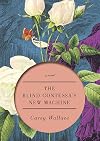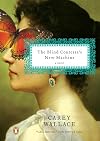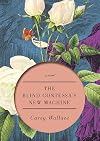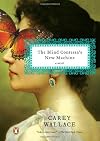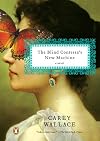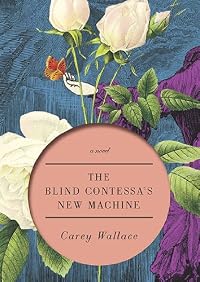
The Blind Contessa's New Machine
by Carey Wallace
On This Page
Description
Unable to convince her family and desirable fiancé that she is going blind, early nineteenth-century Italian contessa Carolina Fantoni turns to her dreams and an eccentric local inventor when she loses her sight, inspiring the inventor's development of the first typewriter.Tags
Recommendations












Member Reviews
This brief, but charming tale is based on the creation of the first typewriter, built by Pellegrino Turri, in 1808, for his blind friend, the Countess Carolina Fantoni da Fivizzono.
The book begins with Carolina, the resourceful Contessa, as a young, perhaps willful, very independent young child who strikes out on her own, whenever she is able, to her lakeside cottage where she escapes from the world, creating a world of her own, in her mind’s eye. As a young child, she meets Turri, a bit of an eccentric young man, considered a ne’er do well, who lives in his world of dreams and inventions rather than remain anchored to the world of reality. Through the years their unusual friendship blossoms and he helps to shape her life. show more
Meanwhile, betrothed to the most eligible bachelor around, shortly before her wedding Carolina discovers that she is losing her sight. As she loses more and more of her vision she commits all she can to her memory, which will later sail her away to a world of fantasy in which she can still see in her dreams, and therefore can more easily face the darkness descending.
Her bravery in facing this affliction is admirable and as her other senses improve with the impending blindness, so does her confidence and emotional health. One can truly empathize with the loneliness and the confusion of facing a world in which all landmarks have disappeared, in which she, who does not believe in “blind faith” must now have blind faith in others.
This charming novel is both tender and mysterious. There are secret trysts and the suspicion of things that go bump in the night. Unfaithfulness is coupled with moments of extreme devotion and although it may seem ambiguous at times, it is always rich in imagination and flows smoothly.
The characters are well developed and the descent into blindness is dealt with almost poetically. The courage with which the Contessa faces her fate is admirable and creative. The inability of most people to deal with her malady is evidenced most emphatically by her mother’s comment when she learns her daughter is going blind. More or less she tells her, oh well, there is not much to see anyway. She faces her catastrophe alone. show less
The book begins with Carolina, the resourceful Contessa, as a young, perhaps willful, very independent young child who strikes out on her own, whenever she is able, to her lakeside cottage where she escapes from the world, creating a world of her own, in her mind’s eye. As a young child, she meets Turri, a bit of an eccentric young man, considered a ne’er do well, who lives in his world of dreams and inventions rather than remain anchored to the world of reality. Through the years their unusual friendship blossoms and he helps to shape her life. show more
Meanwhile, betrothed to the most eligible bachelor around, shortly before her wedding Carolina discovers that she is losing her sight. As she loses more and more of her vision she commits all she can to her memory, which will later sail her away to a world of fantasy in which she can still see in her dreams, and therefore can more easily face the darkness descending.
Her bravery in facing this affliction is admirable and as her other senses improve with the impending blindness, so does her confidence and emotional health. One can truly empathize with the loneliness and the confusion of facing a world in which all landmarks have disappeared, in which she, who does not believe in “blind faith” must now have blind faith in others.
This charming novel is both tender and mysterious. There are secret trysts and the suspicion of things that go bump in the night. Unfaithfulness is coupled with moments of extreme devotion and although it may seem ambiguous at times, it is always rich in imagination and flows smoothly.
The characters are well developed and the descent into blindness is dealt with almost poetically. The courage with which the Contessa faces her fate is admirable and creative. The inability of most people to deal with her malady is evidenced most emphatically by her mother’s comment when she learns her daughter is going blind. More or less she tells her, oh well, there is not much to see anyway. She faces her catastrophe alone. show less
Rating: 4.75* of five
The Publisher Says: In the early 1800s, a young Italian contessa, Carolina Fantoni, realizes she is going blind shortly before she marries the town's most sought-after bachelor. Her parents don't believe her, nor does her fiancé. The only one who understands is the eccentric local inventor and her longtime companion, Turri. When her eyesight dims forever, Carolina can no longer see her beloved lake or the rich hues of her own dresses. But as darkness erases her world, she discovers one place she can still see--in her dreams. Carolina creates a vivid dreaming life, in which she can not only see, but also fly, exploring lands she had never known.
Desperate to communicate with Carolina, Turri invents a peculiar machine show more for her: the world's first typewriter. His gift ignites a passionate love affair that will change both of their lives forever.
Based on the true story of a nineteenth-century inventor and his innovative contraption, The Blind Contessa's New Machine is an enchanting confection of love and the triumph of the imagination.
My Review: On the eve of her wedding to the most eligible, handsomest bachelor in her small world, Contessa Carolina Fantoni announces to him that she is going blind. He laughs dismissively, then kisses her indulgently, thus setting the tone for their entire relationship. After full blindness sets in, her eccentric childhood friend and neighbor, a married inventor and amateur scientist, creates for her the world's first typewriter, that she may continue to communicate with the outside world. And thus a passionate affair begins, one that bids fair to destroy two marriages and possibly four lives. That is hardly a new plot nor is there a shocking modern-sensibilities dénouement. But in its bittersweet presentation, it's clear that the author understands the losses of compromise and accommodation that all relationships demand of us.
I am mortally afraid of only a few things in this life: 1) Blindness; 2) being eaten by a shark; and 3) suffocating/drowning. My mother went blind a year or more before she died, and it was a torture. She read passionately, and suddenly couldn't; she was never able to adapt to audiobooks. This rings me like a bell, a tocsin of terror that has me sweating and crying as I type this on a c-o-l-d night. And this book's careful, polished prose made that horrific nightmare (literally for me, at least once a year) endurable, survivable, where in hands less skilled than Carey Wallace's I would simply have burned the book and paid the library for it.
How she did this is, she presented the onset and completion of the process in a series of vignettes that define what it is to see, and to judge the world on what is seen; Wallace makes that process so arbitrary, so essentially meaningless, that as the Contessa charts her progress into eternal night, she and the reader understand that vision as primary perception is a habit of mind. The Contessa plumbs the darkness fearlessly. She lives in it, after she accepts its permanence, with more grace than she appeared to muster during her sighted years.
It's quite a lovely achievement, and it's told in lovely sentences. Wallace, whose author photo rather distressingly resembles a high-school senior picture, had an excellent editor, and handed that editor a lovely book to begin with, you can be sure. This sort of prose doesn't get forged into being on an editor's anvil, it gets the spurs and cracks annealed out of it. Something of the book's raw state remains, thank goodness, because there are some places where opportunities are missed and others are simply AWOL where they would have been welcome. Why thank goodness? Because if this effort were to be perfect, I'd have to hunt this youngster down and kill her in furious writerly envy, that's why.
And I don't want to go to jail over a book.
This work is licensed under a Creative Commons Attribution-NonCommercial-ShareAlike 3.0 Unported License. show less
The Publisher Says: In the early 1800s, a young Italian contessa, Carolina Fantoni, realizes she is going blind shortly before she marries the town's most sought-after bachelor. Her parents don't believe her, nor does her fiancé. The only one who understands is the eccentric local inventor and her longtime companion, Turri. When her eyesight dims forever, Carolina can no longer see her beloved lake or the rich hues of her own dresses. But as darkness erases her world, she discovers one place she can still see--in her dreams. Carolina creates a vivid dreaming life, in which she can not only see, but also fly, exploring lands she had never known.
Desperate to communicate with Carolina, Turri invents a peculiar machine show more for her: the world's first typewriter. His gift ignites a passionate love affair that will change both of their lives forever.
Based on the true story of a nineteenth-century inventor and his innovative contraption, The Blind Contessa's New Machine is an enchanting confection of love and the triumph of the imagination.
My Review: On the eve of her wedding to the most eligible, handsomest bachelor in her small world, Contessa Carolina Fantoni announces to him that she is going blind. He laughs dismissively, then kisses her indulgently, thus setting the tone for their entire relationship. After full blindness sets in, her eccentric childhood friend and neighbor, a married inventor and amateur scientist, creates for her the world's first typewriter, that she may continue to communicate with the outside world. And thus a passionate affair begins, one that bids fair to destroy two marriages and possibly four lives. That is hardly a new plot nor is there a shocking modern-sensibilities dénouement. But in its bittersweet presentation, it's clear that the author understands the losses of compromise and accommodation that all relationships demand of us.
I am mortally afraid of only a few things in this life: 1) Blindness; 2) being eaten by a shark; and 3) suffocating/drowning. My mother went blind a year or more before she died, and it was a torture. She read passionately, and suddenly couldn't; she was never able to adapt to audiobooks. This rings me like a bell, a tocsin of terror that has me sweating and crying as I type this on a c-o-l-d night. And this book's careful, polished prose made that horrific nightmare (literally for me, at least once a year) endurable, survivable, where in hands less skilled than Carey Wallace's I would simply have burned the book and paid the library for it.
How she did this is, she presented the onset and completion of the process in a series of vignettes that define what it is to see, and to judge the world on what is seen; Wallace makes that process so arbitrary, so essentially meaningless, that as the Contessa charts her progress into eternal night, she and the reader understand that vision as primary perception is a habit of mind. The Contessa plumbs the darkness fearlessly. She lives in it, after she accepts its permanence, with more grace than she appeared to muster during her sighted years.
It's quite a lovely achievement, and it's told in lovely sentences. Wallace, whose author photo rather distressingly resembles a high-school senior picture, had an excellent editor, and handed that editor a lovely book to begin with, you can be sure. This sort of prose doesn't get forged into being on an editor's anvil, it gets the spurs and cracks annealed out of it. Something of the book's raw state remains, thank goodness, because there are some places where opportunities are missed and others are simply AWOL where they would have been welcome. Why thank goodness? Because if this effort were to be perfect, I'd have to hunt this youngster down and kill her in furious writerly envy, that's why.
And I don't want to go to jail over a book.
This work is licensed under a Creative Commons Attribution-NonCommercial-ShareAlike 3.0 Unported License. show less
Up until the last few pages I would have given it four stars. It was unusual, had a certain poetry to it, and created full characters in 207 pages, but the romantic in me felt cheated by the ending.
Eighteen-year-old Contessa Carolina Fantoni is going blind. It’s happening gradually and no one in her family believes her. After all, she’s always been slightly dreamy and odd; never preening and directing her attentions to marriage as do the other young women in her Victorian Italian setting. It’s to everyone’s amazement that Carolina ends up married to Pietro, the most eligible bachelor of their circle. Carolina’s real soul-mate is the eccentric inventor Turri, her childhood friend who is ten years her senior and now in an show more arranged marriage. He’s the only one who believes Carolina and the only one who takes action to free her from her encroaching darkness.
This slim debut novel has a beautiful fairy tale quality to the writing style as well as a Gothic tone with things that go bump in the night. The fully-developed characters are not all black and white, and the fact that it is based on the true invention of the typewriter adds an interesting dimension.
As Carolina sinks into darkness and her freedom is restricted she begins to take flight in her dreams. Will this be enough to carry her through life? As Pietro gains more control over her and Turri gets caught up with his new family, will it have to suffice? show less
Eighteen-year-old Contessa Carolina Fantoni is going blind. It’s happening gradually and no one in her family believes her. After all, she’s always been slightly dreamy and odd; never preening and directing her attentions to marriage as do the other young women in her Victorian Italian setting. It’s to everyone’s amazement that Carolina ends up married to Pietro, the most eligible bachelor of their circle. Carolina’s real soul-mate is the eccentric inventor Turri, her childhood friend who is ten years her senior and now in an show more arranged marriage. He’s the only one who believes Carolina and the only one who takes action to free her from her encroaching darkness.
This slim debut novel has a beautiful fairy tale quality to the writing style as well as a Gothic tone with things that go bump in the night. The fully-developed characters are not all black and white, and the fact that it is based on the true invention of the typewriter adds an interesting dimension.
As Carolina sinks into darkness and her freedom is restricted she begins to take flight in her dreams. Will this be enough to carry her through life? As Pietro gains more control over her and Turri gets caught up with his new family, will it have to suffice? show less
Beautifully told, this is all feeling but not much to hold onto. A beautiful young woman, whose one passion was spending time on the artificial lake on her father's property, finds she's going blind, marries the neighborhood catch while having a long involvement with the strange young married man on the next property over. Some notes are typed on the machine invented for her by the strange young man, but beyond a few pages of being fascinating to the women of her social circle—none of whom speak to her except at parties—it is a device, not a feature. These entitled rich people aren't interesting enough to be worth any drama beyond a soap opera.
Based true events, The Blind Contessa's New Machine tells the story of Carolina Fantoni and her friend, Turri. Carolina is a beautiful, somewhat solitary girl. She loves to spend time alone down at the little lake her father constructed for her mother. When she gets older, she attracts the attention of the local heartthrob, Pietro. As the wedding draws near, Carolina realizes that she is going blind. She tells her parents and Pietro, but they just brush her off. Turri is the only one who understands and listens.
This was an absolutely beautiful book. Even though it is grounded in reality, I had the feeling that I was reading a fairy tale. It felt so dreamy. Carolina felt a little like a princess under a curse. Pietro was the handsome show more yet clueless prince. Turri is the thoughtful, overlooked friend. That sounds like a Disney version, but this would have more in common with the Brothers Grimm version than Disney. This is the real world, after all, and Carolina is going blind in the early 1800s. There's no happy ending to be found there.
I appreciated the descriptions of Carolina's encroaching blindness. I could picture exactly what she was seeing and how she was feeling. She judges the progression of her vision loss by looking at some trees on the banks of her lake weekly. She gets frightened, she hopes it's stopping, she even occasionally hopes it's getting better, but deep down she knows that she will inevitably be blind. It all felt so real and I could see myself doing the same things if, heaven forbid, the same should ever happen to me.
When she does become fully blind, she seems to go into a depression. Then she realizes that she has sight in her dreams and the book moves into her fantasy world. She has gorgeous dreams. She mostly stays around her neighborhood, but she compensates for her blindness by granting herself the ability to fly in her dreams.
The contrast between Pietro and Turri's reaction to her blindness is marked but also felt real. There are always people who are going to be uncomfortable with someone else's misfortune and always manage to say the wrong thing. That's Pietro. He honestly does his best and even comes up with one or two thoughtful things for her, but mostly he's just awkward. Turri accepts it for what it is and tries to help her the best he can. He tries to make her life easier, and even tries to help her make the most of the time she has left before total blindness sets in. That's when he stole my heart. In reality, he would be too much of a dreamer for me, but on the page, I loved him.
Really, I want to give this 3.5 stars, but it's good enough that I'll round up. That thing about how this has more in common with the Brothers Grimm than Disney? I happen to be a fan of Disney. That's all I'm saying, and that's the only reason I can give for knocking the rating back.
And completely unrelated to anything, I love the size and feel of this book. It's only 207 pages in a short hardcover, but I loved the way it fit my hand. Little books like that always draw me in for some reason.
Highly recommended for lovers of beautiful language. show less
This was an absolutely beautiful book. Even though it is grounded in reality, I had the feeling that I was reading a fairy tale. It felt so dreamy. Carolina felt a little like a princess under a curse. Pietro was the handsome show more yet clueless prince. Turri is the thoughtful, overlooked friend. That sounds like a Disney version, but this would have more in common with the Brothers Grimm version than Disney. This is the real world, after all, and Carolina is going blind in the early 1800s. There's no happy ending to be found there.
I appreciated the descriptions of Carolina's encroaching blindness. I could picture exactly what she was seeing and how she was feeling. She judges the progression of her vision loss by looking at some trees on the banks of her lake weekly. She gets frightened, she hopes it's stopping, she even occasionally hopes it's getting better, but deep down she knows that she will inevitably be blind. It all felt so real and I could see myself doing the same things if, heaven forbid, the same should ever happen to me.
When she does become fully blind, she seems to go into a depression. Then she realizes that she has sight in her dreams and the book moves into her fantasy world. She has gorgeous dreams. She mostly stays around her neighborhood, but she compensates for her blindness by granting herself the ability to fly in her dreams.
The contrast between Pietro and Turri's reaction to her blindness is marked but also felt real. There are always people who are going to be uncomfortable with someone else's misfortune and always manage to say the wrong thing. That's Pietro. He honestly does his best and even comes up with one or two thoughtful things for her, but mostly he's just awkward. Turri accepts it for what it is and tries to help her the best he can. He tries to make her life easier, and even tries to help her make the most of the time she has left before total blindness sets in. That's when he stole my heart. In reality, he would be too much of a dreamer for me, but on the page, I loved him.
Really, I want to give this 3.5 stars, but it's good enough that I'll round up. That thing about how this has more in common with the Brothers Grimm than Disney? I happen to be a fan of Disney. That's all I'm saying, and that's the only reason I can give for knocking the rating back.
And completely unrelated to anything, I love the size and feel of this book. It's only 207 pages in a short hardcover, but I loved the way it fit my hand. Little books like that always draw me in for some reason.
Highly recommended for lovers of beautiful language. show less
"Quintessential Prose Floats Above the World of the Sightless"
Carolina, a newly engaged woman surrounded by the beauty of a 19th century Italian villa, revels in her daydreams until she realizes she is going blind. Her family worries if their villa’s shady garden can sustain a grove of lemon trees while Carolina observes rather than fears her encroaching blindness.
Ironically, Carey Wallace’s evocative prose is awash with images that invite the eye to retrace many a sentence. The author then masterfully invites us into the world of the sightless with descriptions of the other senses spilling over each page. “The woods chatter.” “The insect’s strong body beat against her eyelids.” “Sugar. She lifted her finger from her show more tongue.” Under Wallace’s pen, Carolina experiences the world so clearly, we are stunned to discover that she needs a writing machine. I need not comment about the love story in the plot as other reviewers have. Frankly, plot was quite secondary in this reader’s mind to the perception of how well Carolina lived in her dark world. When her other senses do not give her enough, she wills her dreams to take her to places where she can envision what she loves.
This extraordinary debut novel moved me with its insight and eloquence. I disagree with the review that cited blindness as being the central idea in the book. I found the novel remarkably illuminating and an absolute delight to read.
Reviewed by Holly Weiss, author of Crestmont show less
Carolina, a newly engaged woman surrounded by the beauty of a 19th century Italian villa, revels in her daydreams until she realizes she is going blind. Her family worries if their villa’s shady garden can sustain a grove of lemon trees while Carolina observes rather than fears her encroaching blindness.
Ironically, Carey Wallace’s evocative prose is awash with images that invite the eye to retrace many a sentence. The author then masterfully invites us into the world of the sightless with descriptions of the other senses spilling over each page. “The woods chatter.” “The insect’s strong body beat against her eyelids.” “Sugar. She lifted her finger from her show more tongue.” Under Wallace’s pen, Carolina experiences the world so clearly, we are stunned to discover that she needs a writing machine. I need not comment about the love story in the plot as other reviewers have. Frankly, plot was quite secondary in this reader’s mind to the perception of how well Carolina lived in her dark world. When her other senses do not give her enough, she wills her dreams to take her to places where she can envision what she loves.
This extraordinary debut novel moved me with its insight and eloquence. I disagree with the review that cited blindness as being the central idea in the book. I found the novel remarkably illuminating and an absolute delight to read.
Reviewed by Holly Weiss, author of Crestmont show less
The Blind Contessa's New Machine - What a clumsy title for a lovely little book! This is the story of Carolina Fantoni, a young contessa, adventurous and independent, who goes blind. No one of her acquaintance knows how to treat her once she goes blind so she becomes totally isolated and trapped in her own home. An intelligent and resourceful woman she learns to travel and fly in her dreams. Then a childhood friend, Turri, an eccentric inventor builds her a typewriter to help her reconnect with the world. The invention of the typewriter has unforeseen consequences and both their lives are changed.
To begin with the plot of this book is interesting and unusual and the author makes good use of it. She explores what it must have been like show more to be so afflicted in a time were was no awareness of the blind and how to help them. Carolina's utter isolation and how she, and the people around her, handle it were fascinating topics to consider. However, what really makes this book is the gorgeous, poetic writing. The details are all written in with an artist's touch until I could clearly see with all my senses. Carolina's lake, in particular, feels like a real place that I could visit anytime. The dust jacket calls this "an iridescent jewel of a novel" and I couldn't agree more! show less
To begin with the plot of this book is interesting and unusual and the author makes good use of it. She explores what it must have been like show more to be so afflicted in a time were was no awareness of the blind and how to help them. Carolina's utter isolation and how she, and the people around her, handle it were fascinating topics to consider. However, what really makes this book is the gorgeous, poetic writing. The details are all written in with an artist's touch until I could clearly see with all my senses. Carolina's lake, in particular, feels like a real place that I could visit anytime. The dust jacket calls this "an iridescent jewel of a novel" and I couldn't agree more! show less
Members
- Recently Added By
Author Information

9 Works 683 Members
Awards and Honors
Distinctions
Common Knowledge
- Canonical title
- The Blind Contessa's New Machine
- Original title
- The Blind Contessa's New Machine
- Original publication date
- 2010
- People/Characters
- Carolina Fantoni; Pellegrino Turri; Pietro
- Important places
- Italy
- Epigraph*
- Bis der Morgen graut, sag über den blinden Vogel:
Seine Füße sind umwoben von Dunkelheit, oder er fliegt so weit sein Herz ihn trägt ihm Dunkel seiner Augen
—Wendell Berry, "Elegie" - Dedication*
- Meiner Mutter: In Erinnerung an deine Italienreise
- First words*
- An dem Tag, an dem Contessa Carolina Fantoni heiratete, wusste außer ihr nur ein einziger Mensch, dass sie erblinden würde - und es war nicht ihr Bräutigam.
- Blurbers
- Block, Stefan Merill; Allen, Sarah Addison; Benjamin, Melanie; Kohler, Sheila; McKillip, Patricia; Harper, Karen (show all 7); Turgeon, Carolyn
- Original language
- English
*Some information comes from Common Knowledge in other languages. Click "Edit" for more information.
Classifications
Statistics
- Members
- 300
- Popularity
- 106,510
- Reviews
- 29
- Rating
- (3.73)
- Languages
- 6 — Dutch, English, French, German, Italian, Portuguese (Portugal)
- Media
- Paper, Audiobook, Ebook
- ISBNs
- 14
- ASINs
- 4