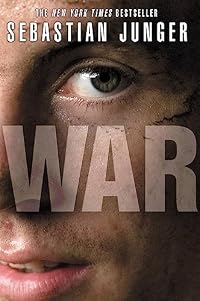
War
by Sebastian Junger
On This Page
Description
Junger, author of "The Perfect Storm," turns his brilliant and empathetic eye to the reality of combat in this on-the-ground account that follows a single platoon through a 15-month tour of duty in the most dangerous outpost in Afghanistan's Korengal Valley.Tags
Recommendations
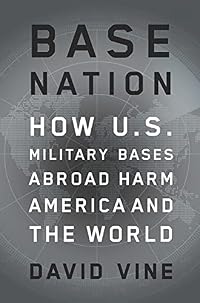
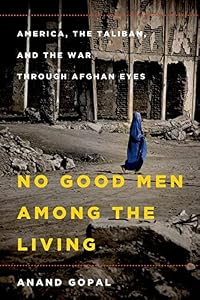
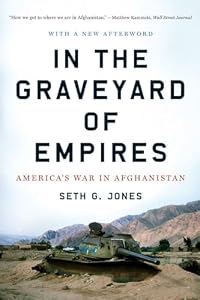
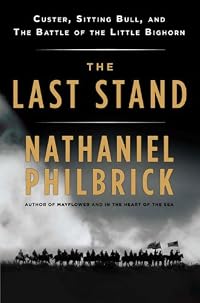
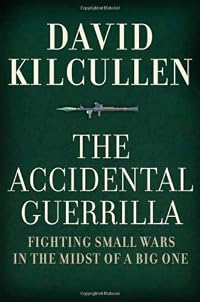
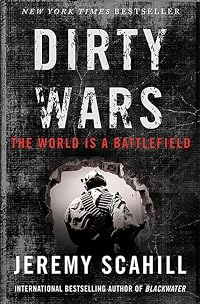
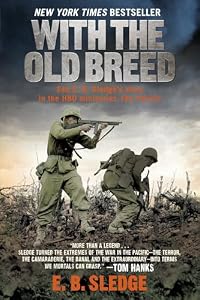
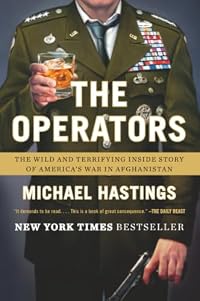
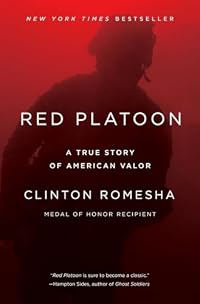
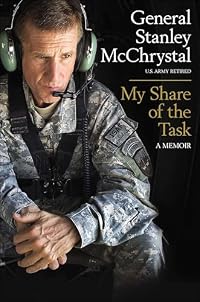

Member Recommendations
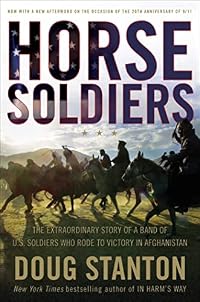
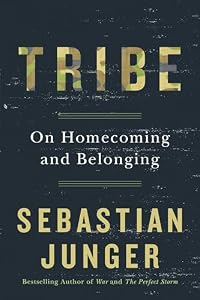
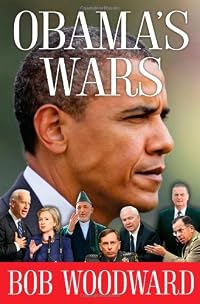
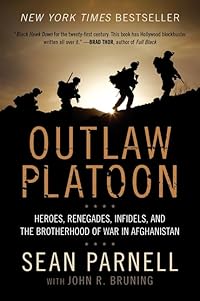
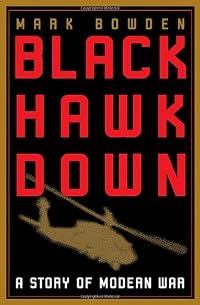
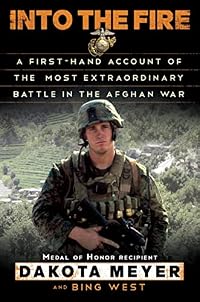
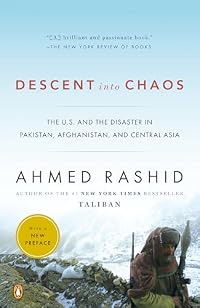
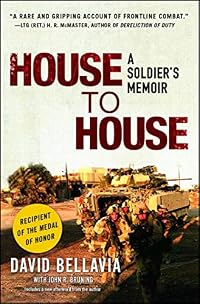
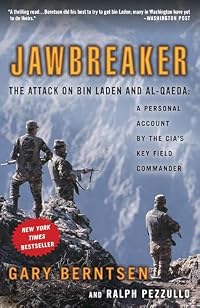
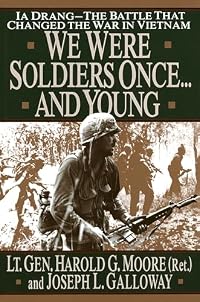
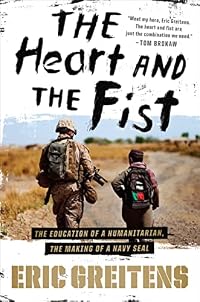
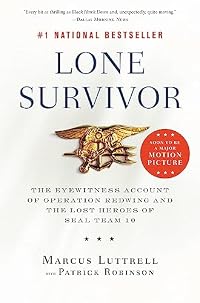
spotlf87 Both books portray the war in Afghanistan out in the combat outposts. They show the raw and austere nature of the war for many American soldiers fighting in Afghanistan. Both books are set in the same general area of the country.
Member Reviews
Sebastian Junger is one of the best writers of nonfiction out there today. His ability to describe with crystal clarity the ordeals of men in extreme circumstances is unsurpassed. He has the ability to put the reader into the middle of the action, seeing and feeling what his subjects are experiencing. I can still clearly visualize dramatic events that he describes in 'The Perfect Storm' even though it has been over ten years since I read it.
I particularly enjoy anything that Junger as written about Afghanistan. He was on the ground with the Northern Alliance writing about this war before most Americans had even heard of Osama bin Ladin or the Taliban.
'War' does not disappoint. Junger's description of soldiers fighting an intractable show more enemy in this 'axle-breaking, helicopter-crashing, spirit-killing, mind-bending terrain that few military plans survive intact even for an hour' is magnificent. In 'War' we come to know the soldiers who serve, fight, and often die in the Korengal Valley. He also gives us insights into the enemy we are fighting there and the civilians who live in such isolation that some can't tell the difference between American soldiers and Russians. In their minds, invaders are invaders.
Junger does a very good job of keeping any opinions he may have about the war out of his narrative. His job is to tell the story of the men of Battle Company and their tour of duty in the Korengal Valley and he does it very well. In fact, he does it so well that I felt like I was on a see-saw. In one minute he describes the valley and I really want to be there to see it. In the next minute, he describes troops under fire in a devastating ambush and I'm glad I'm on the other side if the earth.
The third section ‘Love’ provides one of the most insightful psychological assessments I have read of men in combat and of the concept of unit cohesion. What those outside the unit consider heroism, a soldier simply considers his duty. To do less is to let down his brothers.
If you want a 'boots on the ground' description of life at the tip of the spear in Afghanistan, then this is the book you must read. Great job, Sebastian. show less
I particularly enjoy anything that Junger as written about Afghanistan. He was on the ground with the Northern Alliance writing about this war before most Americans had even heard of Osama bin Ladin or the Taliban.
'War' does not disappoint. Junger's description of soldiers fighting an intractable show more enemy in this 'axle-breaking, helicopter-crashing, spirit-killing, mind-bending terrain that few military plans survive intact even for an hour' is magnificent. In 'War' we come to know the soldiers who serve, fight, and often die in the Korengal Valley. He also gives us insights into the enemy we are fighting there and the civilians who live in such isolation that some can't tell the difference between American soldiers and Russians. In their minds, invaders are invaders.
Junger does a very good job of keeping any opinions he may have about the war out of his narrative. His job is to tell the story of the men of Battle Company and their tour of duty in the Korengal Valley and he does it very well. In fact, he does it so well that I felt like I was on a see-saw. In one minute he describes the valley and I really want to be there to see it. In the next minute, he describes troops under fire in a devastating ambush and I'm glad I'm on the other side if the earth.
The third section ‘Love’ provides one of the most insightful psychological assessments I have read of men in combat and of the concept of unit cohesion. What those outside the unit consider heroism, a soldier simply considers his duty. To do less is to let down his brothers.
If you want a 'boots on the ground' description of life at the tip of the spear in Afghanistan, then this is the book you must read. Great job, Sebastian. show less
Second platoon, of the 173rd Airborne Brigade, is entrenched on a bloody hill in the Korengal Valley. This deadly place is located in the rugged terrain of eastern Afghanistan and is considered one of the most dangerous places occupied by American forces. The mortality rate is disturbingly high. Junger made several extended visits to this platoon, from 2007 to 2008. He lived with them, ate with them, went on patrols and nearly died with them.
Junger captures their story here, with amazing depth and poignancy. The boredom, the blood-lust, the profanity and the deep bond that soldiers hold for one another. This is not a political look at war, politics are not mentioned, instead it peers at the psychology of the soldier. Fear and bravery show more are scrutinized and their meanings reveal truths that may surprise the reader. The author tells the story with grit and a vivid honesty. I highly recommend this book. It is a must read. show less
Junger captures their story here, with amazing depth and poignancy. The boredom, the blood-lust, the profanity and the deep bond that soldiers hold for one another. This is not a political look at war, politics are not mentioned, instead it peers at the psychology of the soldier. Fear and bravery show more are scrutinized and their meanings reveal truths that may surprise the reader. The author tells the story with grit and a vivid honesty. I highly recommend this book. It is a must read. show less
"Generation Kill" meets "Waiting for Godot" meets "Lord of the Flies". Junger offers an exciting account of a group of young men, US soldiers, who defend a hilltop in a distant valley in Afghanistan and slowly adopt feral and deviant behaviors. Far, far removed from civilization, they and their opponents do battle - to what purpose?
Junger is a hawk. While he describes the utter futility of the men's actions (and sacrifice), he will not question their mission. What purpose does the occupation of an Afghan border valley serve? Theirs not to reason why, theirs but to do and die. If Junger knew about history, the situation would have reminded him of Laos and Vietnam. Guerrillas with safe havens across the border cannot be defeated. Junger show more approvingly quotes a US army study's quoting an officer talking about actions causing reactions. If the US army researchers or Junger knew their Clausewitz, they would have recognized one of his axioms (cribbed from Isaac Newton's third law). A better grounding and a more critical approach regarding his sources might have reduced his worship of violence.
Observing these small group of men and their devotion to each other (which they show by beating each other up!), he concludes that it is the closely bonded group that they are fighting (and dying for). Except that this only presents one if important aspect (witnessed by Junger personally). Other aspects not mentioned are training, devotion to a charismatic leader (Alexander, Napoleon, Hitler, ...) or ideology. After all. these boys are engaged in the Manichaean War on Terror, fighting them over there to keep their loved ones or the uninterested at home "safe". America outsources the bleeding and suffering to the poor, the destitute, the immigrant and the ignorant. One protagonist's options are the bottle, jail or the army. Another joined the army to escape drug dealing and death in the streets. Like Wellington's scum of the earth, these modern buffalo soldiers have taken the King's shilling to do the King's bidding (mainly filling the Afghan air with lead). Whom they are actually fighting against or if there exists a possibility of winning this war, doesn't interest Junger.
What interests him is observing these young men in their special biotope. Isolated on a hilltop from civilization and humanity, they develop strange behaviors, described in three parts titled "fear", "killing" and "love". Fear and killing are adequate descriptive terms. What Junger classifies as "love" includes shockingly deviant behavior. The boys on the hill develop a severe case of Lord of the Flies. What starts as beating/assaulting each other ("jumping") turns to constant threats of (simulated?) man rape. The men opt to move around only in pairs, literally covering their backs. A strange way to express their "love" for each other. This atmosphere of sexual harassment and intimidation (probably learned from the US prison culture some of these men have experienced) shows a shocking dereliction of duty and incompetence of their commanding officers and their NCOs. What is Junger's duty as a witness of such behavior? When does he start to be an accomplice? His non-analytical and uncritical writing exposes glaring command and leadership problems in the US army.
Junger's description of the small unit fighting in the Korengal Valley is well written, engaging and often witty. The portraits of the men, their actions and their emotions in combat is outstanding. The writing is also a testament to the fighting capability and willingness of the Taliban who stand their ground, badly armed and trained, against the whole technological might of the US army. Only the US forces' (nearly unlimited) firepower guarantees their tactical victories.
While one protagonist's story hints at the psychological cost of war, Junger never crosses the line to write an anti-war book. He celebrates these warriors without any thoughts that their comradeship is used to nefarious purposes and their learned behaviors will haunt America for decades. This inability to see the futility and wrongfulness of war (and the exceptional and deviant pathology this platoon develops) prevents the book from being more than war porn. show less
Junger is a hawk. While he describes the utter futility of the men's actions (and sacrifice), he will not question their mission. What purpose does the occupation of an Afghan border valley serve? Theirs not to reason why, theirs but to do and die. If Junger knew about history, the situation would have reminded him of Laos and Vietnam. Guerrillas with safe havens across the border cannot be defeated. Junger show more approvingly quotes a US army study's quoting an officer talking about actions causing reactions. If the US army researchers or Junger knew their Clausewitz, they would have recognized one of his axioms (cribbed from Isaac Newton's third law). A better grounding and a more critical approach regarding his sources might have reduced his worship of violence.
Observing these small group of men and their devotion to each other (which they show by beating each other up!), he concludes that it is the closely bonded group that they are fighting (and dying for). Except that this only presents one if important aspect (witnessed by Junger personally). Other aspects not mentioned are training, devotion to a charismatic leader (Alexander, Napoleon, Hitler, ...) or ideology. After all. these boys are engaged in the Manichaean War on Terror, fighting them over there to keep their loved ones or the uninterested at home "safe". America outsources the bleeding and suffering to the poor, the destitute, the immigrant and the ignorant. One protagonist's options are the bottle, jail or the army. Another joined the army to escape drug dealing and death in the streets. Like Wellington's scum of the earth, these modern buffalo soldiers have taken the King's shilling to do the King's bidding (mainly filling the Afghan air with lead). Whom they are actually fighting against or if there exists a possibility of winning this war, doesn't interest Junger.
What interests him is observing these young men in their special biotope. Isolated on a hilltop from civilization and humanity, they develop strange behaviors, described in three parts titled "fear", "killing" and "love". Fear and killing are adequate descriptive terms. What Junger classifies as "love" includes shockingly deviant behavior. The boys on the hill develop a severe case of Lord of the Flies. What starts as beating/assaulting each other ("jumping") turns to constant threats of (simulated?) man rape. The men opt to move around only in pairs, literally covering their backs. A strange way to express their "love" for each other. This atmosphere of sexual harassment and intimidation (probably learned from the US prison culture some of these men have experienced) shows a shocking dereliction of duty and incompetence of their commanding officers and their NCOs. What is Junger's duty as a witness of such behavior? When does he start to be an accomplice? His non-analytical and uncritical writing exposes glaring command and leadership problems in the US army.
Junger's description of the small unit fighting in the Korengal Valley is well written, engaging and often witty. The portraits of the men, their actions and their emotions in combat is outstanding. The writing is also a testament to the fighting capability and willingness of the Taliban who stand their ground, badly armed and trained, against the whole technological might of the US army. Only the US forces' (nearly unlimited) firepower guarantees their tactical victories.
While one protagonist's story hints at the psychological cost of war, Junger never crosses the line to write an anti-war book. He celebrates these warriors without any thoughts that their comradeship is used to nefarious purposes and their learned behaviors will haunt America for decades. This inability to see the futility and wrongfulness of war (and the exceptional and deviant pathology this platoon develops) prevents the book from being more than war porn. show less
Junger has made a name for himself with nonfiction books like The Perfect Storm and A Death in Belmont (both great books). His intimate writing style sucks his readers into the worlds he writes about and his latest book, War, is no exception. Junger spent 15-months following a single platoon during their time in Afghanistan's Korengal Valley. He chronicles his time there, including the soldiers he meets, the obstacles they face and the even greater problems they have once the battle in over.
The book is good, but as Junger himself notes, you can't be objective about something like this. I felt that sometimes his personal experiences and struggles distracted from those of the soldiers themselves. It was clearly an incredibly personal show more experience for him and I don't fault him for it, but it didn't add to the book for me.
The most fascinating bits for me were Junger's discussion of the men's loyalty to each other. He talks about the bonds between them that supersede everything else. He also talks about the "good" aspects of war and the reasons why soldiers often have a hard time adjusting to civilian life. Junger's observations are keen and he cites many studies and historical examples to support his conclusions. It's a hard book to read, but a powerful one.
A similar book to this one, which I enjoyed even more, is Ernie Pyle's Brave Men. If you liked War, I'd highly recommend it. show less
The book is good, but as Junger himself notes, you can't be objective about something like this. I felt that sometimes his personal experiences and struggles distracted from those of the soldiers themselves. It was clearly an incredibly personal show more experience for him and I don't fault him for it, but it didn't add to the book for me.
The most fascinating bits for me were Junger's discussion of the men's loyalty to each other. He talks about the bonds between them that supersede everything else. He also talks about the "good" aspects of war and the reasons why soldiers often have a hard time adjusting to civilian life. Junger's observations are keen and he cites many studies and historical examples to support his conclusions. It's a hard book to read, but a powerful one.
A similar book to this one, which I enjoyed even more, is Ernie Pyle's Brave Men. If you liked War, I'd highly recommend it. show less
War is as good as combat reporting gets. This is the account of 15 months with Battle Company in the Korengal Valley between 2007 and 2008,a supremely tough 10x10 km patch of mountains, and the love and courage of a few hundred men. This book is the Dispatches of the Global War on Terror, a moving and lyrical account of the terror and excitement of combat that transcends little things like politics and morality and objectivity to get at some sort of Truth.
Part of this book is about strategy and tactics: Leaving an isolated outpost in the unimportant and distant Korengal to protect the important and populated Pech valley; human terrain and Taliban fighters and villagers caught in between, desperate firefights to survive long enough for show more the Apaches and A-10s to arrive, Prophet-the American intel unit listening to enemy radios. But mostly this book is about courage; about acting under fire so that the unit will survive, even if it means you might die. About brotherhood and love, and the fact that in 20 minutes in a firefight a man can live a lifetime. In a combat platoon, friendship and who you were before doesn't matter. All that matters is your dedicated to the unit and your ability to fight.
Junger's thesis, which is an important corrective in our post-modern age of detachment, is that defense of the group is a profoundly basic and moving action. It's like a powerful drug (although he writes directly against this metaphor towards the end of the book, I think it's an important one. Drugs obliterate reality and sensation, they can be used for good or abused.) Soldiers fight for each other, their entire universe closes down to the platoon, and all the advanced technology or clever counter-insurgency theory in the world, cannot replace this primal bond. Invoke it only with great seriousness.
For media types, it's also interesting to compare this book to Restrepo, a documentary filmed and directed by Junger and Tim Hetherington, covering the exact same events. It's been a while since I've seen Restrepo, but I remember it being far more bleak and nihilistic than the book. What's true? The beautiful words, or the ugly images? Can the same people interpret the same sources differently in different mediums? show less
Part of this book is about strategy and tactics: Leaving an isolated outpost in the unimportant and distant Korengal to protect the important and populated Pech valley; human terrain and Taliban fighters and villagers caught in between, desperate firefights to survive long enough for show more the Apaches and A-10s to arrive, Prophet-the American intel unit listening to enemy radios. But mostly this book is about courage; about acting under fire so that the unit will survive, even if it means you might die. About brotherhood and love, and the fact that in 20 minutes in a firefight a man can live a lifetime. In a combat platoon, friendship and who you were before doesn't matter. All that matters is your dedicated to the unit and your ability to fight.
Junger's thesis, which is an important corrective in our post-modern age of detachment, is that defense of the group is a profoundly basic and moving action. It's like a powerful drug (although he writes directly against this metaphor towards the end of the book, I think it's an important one. Drugs obliterate reality and sensation, they can be used for good or abused.) Soldiers fight for each other, their entire universe closes down to the platoon, and all the advanced technology or clever counter-insurgency theory in the world, cannot replace this primal bond. Invoke it only with great seriousness.
For media types, it's also interesting to compare this book to Restrepo, a documentary filmed and directed by Junger and Tim Hetherington, covering the exact same events. It's been a while since I've seen Restrepo, but I remember it being far more bleak and nihilistic than the book. What's true? The beautiful words, or the ugly images? Can the same people interpret the same sources differently in different mediums? show less
With 11 years of service in the Army and two deployments, I've always had an interest in books about war, but as a veteran of the current conflicts, I've read many strategic and geopolitical accounts of the campaigns in Iraq and Afghanistan, but very few personal accounts of war, Doug Stanton's "Horse Soldiers" the one exception until now.
I have not been in Afghanistan (only Iraq), but began my career and saw combat as a team leader in the Airborne Infantry. Junger's portrayal of the life of the light infantry platoon and squad in war could have as easily been about me and my hard chargers in Iraq in 2003. I and my brothers had contact with equal frequency though lower intensity (or accuracy?) during our OIF deployment as did the men at show more Restrepo, but the retelling in WAR had me waxing nostalgic about my own experience and desperately missing it.
I have complained often of the portrayal of war as universally awful, and thought that that misconception was the biggest disconnect I feel between myself and civilians--that is, they seem to think my experience of war must have been awful and damaged me, but it's the most valued and positive experience of my life.
Junger depicts the fight as it is to the Infantry soldier, and wonderfully portrays how and why we love it. He portrays the culture of the Airborne Infantry platoon accurately with all it's weirdness--the profanity, the good-natured and positive use of interpersonal violence within the team, the channeling of all human needs into the single expressive channel of aggression--things that to an outsider, and even to me looking back, would appear pathological, destructive, or simply insane, but which in that environment, that profession, that purpose, and that culture, serve specific, valuable purposes, make sense, and are not only appropriate but important.
Phenomenal book. Anyone wanting to see what life is like as an infantry soldier should read this book. show less
I have not been in Afghanistan (only Iraq), but began my career and saw combat as a team leader in the Airborne Infantry. Junger's portrayal of the life of the light infantry platoon and squad in war could have as easily been about me and my hard chargers in Iraq in 2003. I and my brothers had contact with equal frequency though lower intensity (or accuracy?) during our OIF deployment as did the men at show more Restrepo, but the retelling in WAR had me waxing nostalgic about my own experience and desperately missing it.
I have complained often of the portrayal of war as universally awful, and thought that that misconception was the biggest disconnect I feel between myself and civilians--that is, they seem to think my experience of war must have been awful and damaged me, but it's the most valued and positive experience of my life.
Junger depicts the fight as it is to the Infantry soldier, and wonderfully portrays how and why we love it. He portrays the culture of the Airborne Infantry platoon accurately with all it's weirdness--the profanity, the good-natured and positive use of interpersonal violence within the team, the channeling of all human needs into the single expressive channel of aggression--things that to an outsider, and even to me looking back, would appear pathological, destructive, or simply insane, but which in that environment, that profession, that purpose, and that culture, serve specific, valuable purposes, make sense, and are not only appropriate but important.
Phenomenal book. Anyone wanting to see what life is like as an infantry soldier should read this book. show less
I'm not sure that the expansive title of "War" is really the right choice for this book, as its scope is so tightly focused that never comes close to painting a full picture of the war in Afghanistan, much less of war as a general concept. It's a bit odd to get such a intimate portrait of the American soldiers stationed in the Korengal valley while so little time is spent on the enemy that we hardly even know who they are or why they are fighting. Even the allied Afghani forces are nearly invisible in this account, and their occasional entry into the narrative is more jarring for the realization that they've been fighting (and dying) alongside the Americans this whole time, unacknowledged.
That said, this intentional myopia probably show more makes for a better book. It's a riveting account of what life is like for an infantry soldier in modern warfare, and even more interestingly, of how war makes soldiers think and feel. It's a rare author who can do equal justice to describing the sound of a bullet passing by your head, and the troubled psyche of a teenager taught to kill and stuck in a combat outpost isolated from normal society. If the book has any claim to universal insight about war, it's probably in this thoughtful account of how war changes the people who fight in it. show less
That said, this intentional myopia probably show more makes for a better book. It's a riveting account of what life is like for an infantry soldier in modern warfare, and even more interestingly, of how war makes soldiers think and feel. It's a rare author who can do equal justice to describing the sound of a bullet passing by your head, and the troubled psyche of a teenager taught to kill and stuck in a combat outpost isolated from normal society. If the book has any claim to universal insight about war, it's probably in this thoughtful account of how war changes the people who fight in it. show less
Members
- Recently Added By
Published Reviews
ThingScore 81
As with The Perfect Storm, Junger's 1997 best seller about a fishing boat disaster, it blends the specific and general. A sweeping picture emerges from a mosaic of close-ups. ...
His account may not convert supporters or opponents of the war, but it should fuel doubts on both sides and anyone in between.
At its best, War vividly documents the individual costs, which, he argues, need to be show more acknowledged ... show less
His account may not convert supporters or opponents of the war, but it should fuel doubts on both sides and anyone in between.
At its best, War vividly documents the individual costs, which, he argues, need to be show more acknowledged ... show less
added by tim.taylor
With his narrative gifts and vivid prose -- as free, thank God, of literary posturing as it is of war-correspondent chest-thumping -- Junger masterfully chronicles the platoon's 15-month tour of duty. But what elevates "War" out of its particular time and place are the author's meditations on the minds and emotions of the soldiers with whom he has shared hardships, dangers and spells of show more boredom so intense that everyone sits around wishing to hell something would happen (and wishes to God it was over when, inevitably, it does). show less
added by tim.taylor
Sebastian Junger, a contributing editor at Vanity Fair and the author of “The Perfect Storm,” spent months shadowing an American infantry platoon deployed in the valley between 2007 and 2008. The result is “War,” his absorbing and original if sometimes uneven account of his time there. ...
He uses the platoon (the second of Battle Company, part of the 173rd Airborne Brigade) as a kind show more of laboratory to examine the human condition as it evolved under the extraordinary circumstances in which these soldiers fought and lived. And what a laboratory it is. ... show less
He uses the platoon (the second of Battle Company, part of the 173rd Airborne Brigade) as a kind show more of laboratory to examine the human condition as it evolved under the extraordinary circumstances in which these soldiers fought and lived. And what a laboratory it is. ... show less
added by tim.taylor
Lists

Books Read in 2017
4,249 works; 129 members

Best of GWOT
7 works; 1 member
Author Information

17+ Works 13,308 Members
Sebastian Junger was born in 1962 in Belmont, Massachusetts. He received his BA degree from Wesleyan University in Cultural Anthropology in 1984. He is a freelance journalist who writes for numerous magazines, including Outside, American Heritage, Men's Journal, and the New York Times Magazine. As an underemployed journalist who assigned himself show more stories and worked as a stringer for the Associated Press in Bosnia, Junger was fascinated by the dangers that people face regularly while doing ordinary jobs. Junger was working as a climber for a tree removal service when the storm occurred that provided the inspiration for his first book. The Perfect Storm (1997) is a carefully researched account of the wreck of the swordfishing boat Andrea Gail, The wreck took place during what one meteorologist called a "perfect storm"--a storm with the worst possible conditions. In order to relate the story of a disaster that left no survivors and had no eyewitnesses, Junger used a combination of sound research, technical detail, and personal insight to reconstruct the final hours. After the publication of this book he was nicknamed the new Hemingway. In 2000, this book was made into a film starring George Clooney and Mark Wahlberg. He wrote several books such as War which is about his time spent with a U.S. Army platoon in Afghanistan. At the Sundance Film Festival in 2010 his documentary Restrepo won Grand Jury Prize for a domestic documentary. Junger's book, Tribe, made the New York Times Bestseller list in 2016. (Bowker Author Biography) show less
Some Editions
Awards and Honors
Awards
Distinctions
Common Knowledge
- Canonical title
- War
- Original publication date
- 2010-05-11
- People/Characters
- Sebastian Junger; Brendan O'Byrne; Dan Kearney; LaMonta Caldwell; Aron Hijar; Misha Pemble-Belkin (show all 18); Miguel Cortez; Sterling Jones; Joshua McDonough; Kyle Steiner; Angel Toves; Mark Patterson; Stephen Gillespie; Marc Solowski; Kevin Rice; Tanner Sichter; William Ostlund; Tim Hetherington
- Important places
- Korengal Valley, Afghanistan; Afghanistan; OP Restrepo; OP Korengal; Firebase Phoenix; Kunar Province, Afghanistan
- Important events
- War in Afghanistan; Operation Rock Avalanche
- Related movies
- Restrepo (2010 | IMDb)
- Dedication
- To my wife, Daniela
- First words
- O'Byrne is standing at the corner of Ninth Avenue and 36th street with a to-go cup in each hand and the hood of his sweatshirt pulled up.
- Quotations
- As a soldier, the thing you were most scared of was failing your brothers when they needed you, and compared to that, dying was easy. Dying was over. Cowardice lingered forever.
The moral basis of the war doesn't seem to interest soldiers much, and its long-term success or failure has a relevance of almost zero. Soldiers worry about those things about as much as farmhands worry about the global econo... (show all)my, which is to say they recognize stupidity when it's right in front of them but they generally leave the big picture to others.
Wars are fought with very heavy machinery that works best on top of the biggest hill in the area and used against men who are lower down. That, in a nutshell, is military tactics, and it means that an enormous amount of war-... (show all)fighting simply consists of carrying heavy loads uphill.
The primary factor determining breakdown in combat does not appear to be the objective level of danger so much as the feeling--even the illusion--of control. Highly trained men in extraordinarily dangerous circumstances are ... (show all)less likely to break down than untrained men in little danger.
Combat was a game that the United States had asked Second Platoon to become very good at, and once they had, the United States had put them on a hilltop without women, hot food, running water, communication with the outside w... (show all)orld, or any kind of entertainment for over a year. Not that the men were complaining, but that sort of thing has consequences. Society can give its young men almost any job and they'll figure out how to do it. They'll suffer for it and die for it and watch their friends die for it, but in the end, it will get done. That only means that society should be careful about what it asks for. - Last words
- (Click to show. Warning: May contain spoilers.)Maybe the ultimate wound is the one that makes you miss the war you got it in.
Classifications
- Genres
- General Nonfiction, History, Nonfiction, Biography & Memoir
- DDC/MDS
- 958.1047 — History & geography History of Asia Central Asia: Afghanistan, Pakistan, Uzebekistan Afghanistan 1919- 2001-2021
- LCC
- DS371.4123 .K67 .J86 — History of Europe, Asia, Africa and Oceania Asia History of Asia Afghanistan
- BISAC
Statistics
- Members
- 2,101
- Popularity
- 9,749
- Reviews
- 66
- Rating
- (4.15)
- Languages
- 8 — English, Finnish, French, German, Italian, Portuguese, Spanish, Swedish
- Media
- Paper, Audiobook, Ebook
- ISBNs
- 36
- ASINs
- 14