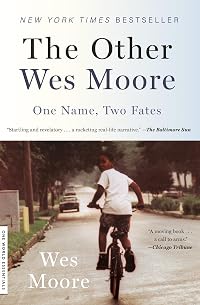
The Other Wes Moore: One Name, Two Fates
by Wes Moore
On This Page
Description
Two kids with the same name were born blocks apart in the same decaying city within a few years of each other. One grew up to be a Rhodes Scholar, army officer, White House Fellow, and business leader. The other is serving a life sentence in prison. Here is the story of two boys and the journey of a generation.Tags
Recommendations

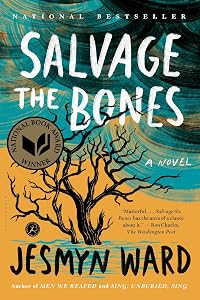
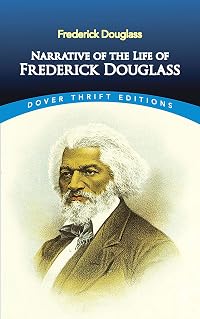
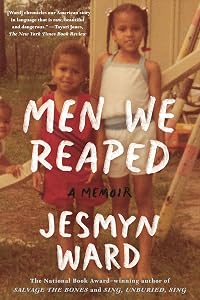
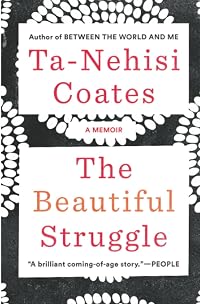
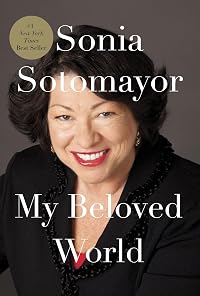
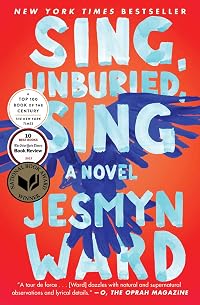
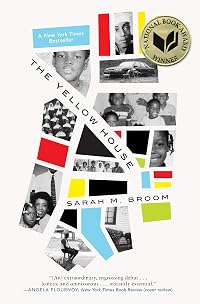

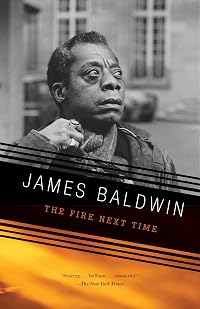

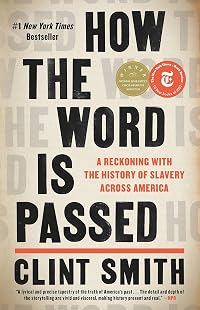
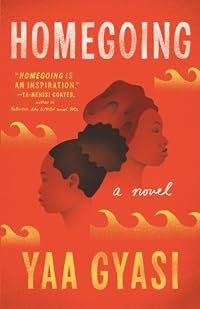
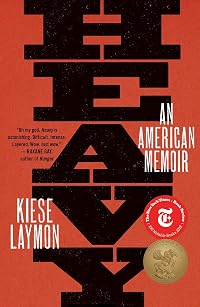
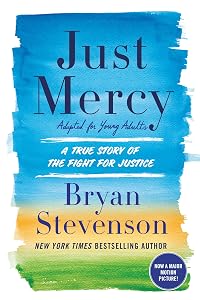
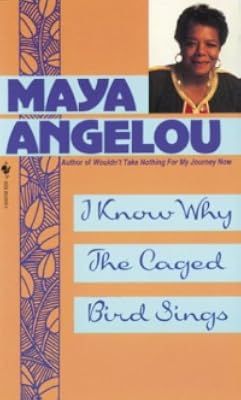
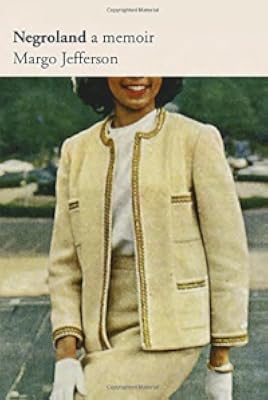
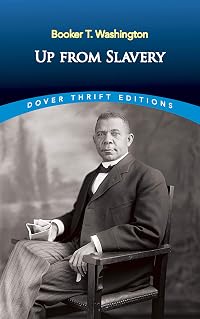
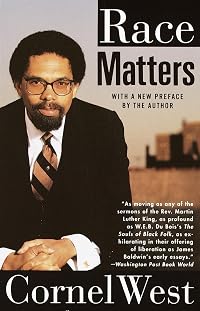
Member Recommendations

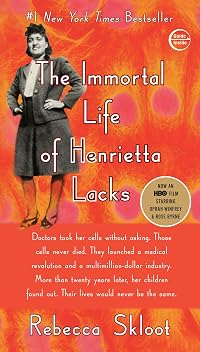
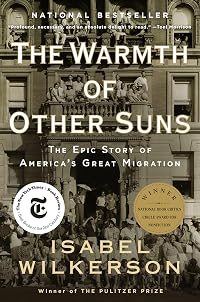
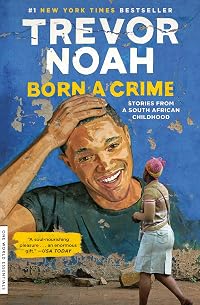
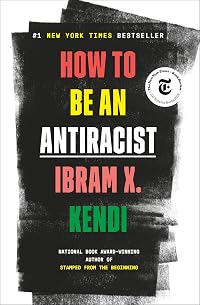
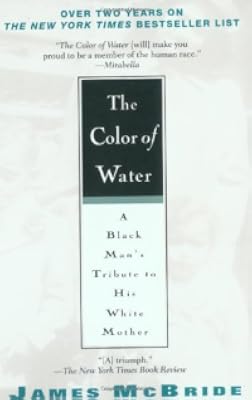
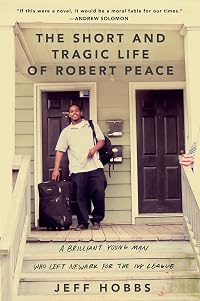
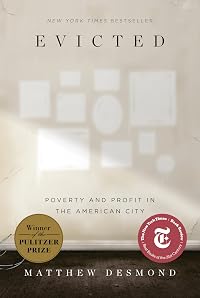
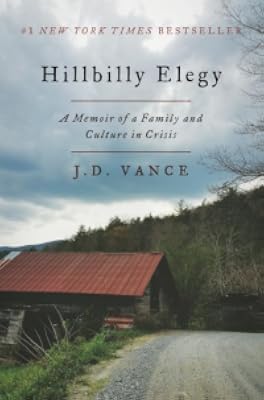
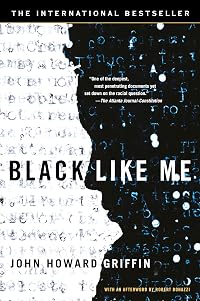
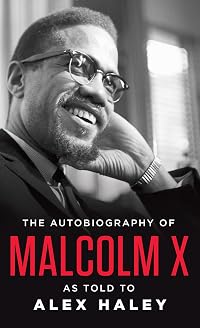
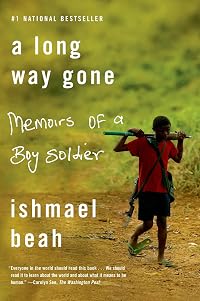
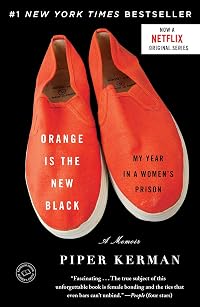
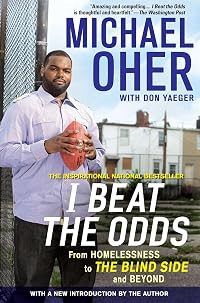
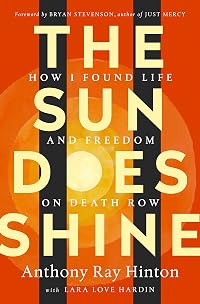
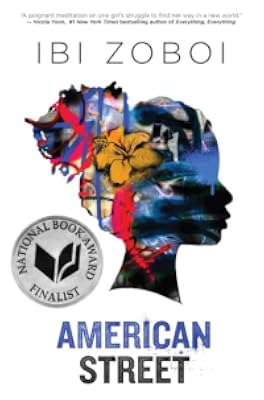
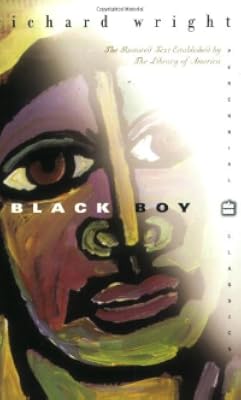
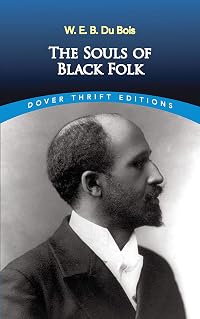
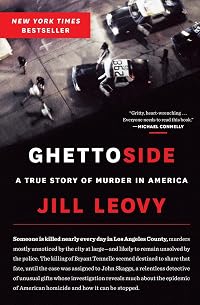
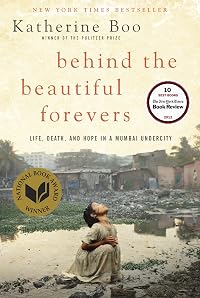
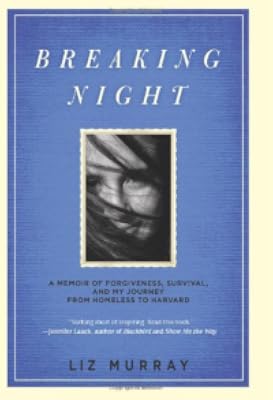
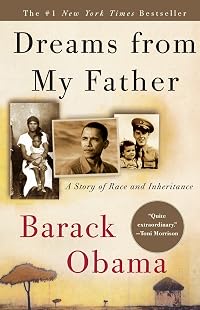
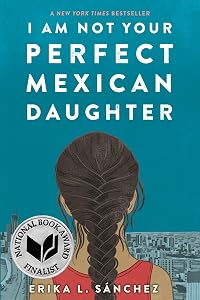
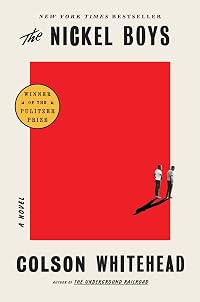
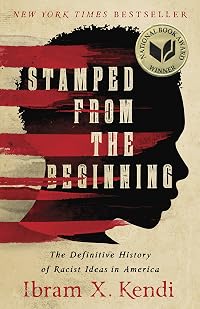
meggyweg Both books are about two people with the same name, one very successful and the other in prison for murder.
20
Member Reviews
Two men named Wes Moore grew up in almost the same place at almost the same time under very similar circumstances: poor, Black, raised without a father in a neighborhood ravaged by violence and drugs. Wes Moore, the author, managed to have a highly successful life and is now, more than a decade after this book was published, serving as the governor of Maryland. The other Wes Moore was sentenced to life in prison for his part in a jewelry store robbery in which a policeman was fatally shot. Wes Moore, the author, found himself unable to stop thinking about the coincidence and the extent to which it seems like each of them could have so easily had the other's life. And in this book, he tells both of their stories.
It's an interesting and show more depressing look at what life is like for young men growing up in such circumstances, and, for those privileged enough not to have any idea what it's actually like to experience this kind of life, a useful one. But I can't escape the feeling that there's something a bit unsatisfying about this as a book. Maybe it's just that the author doesn't have any answer to the question of what it is that made the difference in the two men's lives, other than pure, random luck. Which I think is a good answer, and almost certainly the right answer, and I applaud him for resisting the temptation to invent any easier, neater, more self-serving ones. But having come to accept that lack of other answers, what do you do with that? What insights do you take away from it? There aren't a whole lot of those here, either, and while I'll take a shrug and an "I don't know" over a simplistic made-up answer any day, I am still left with a sense of something slightly incomplete. show less
It's an interesting and show more depressing look at what life is like for young men growing up in such circumstances, and, for those privileged enough not to have any idea what it's actually like to experience this kind of life, a useful one. But I can't escape the feeling that there's something a bit unsatisfying about this as a book. Maybe it's just that the author doesn't have any answer to the question of what it is that made the difference in the two men's lives, other than pure, random luck. Which I think is a good answer, and almost certainly the right answer, and I applaud him for resisting the temptation to invent any easier, neater, more self-serving ones. But having come to accept that lack of other answers, what do you do with that? What insights do you take away from it? There aren't a whole lot of those here, either, and while I'll take a shrug and an "I don't know" over a simplistic made-up answer any day, I am still left with a sense of something slightly incomplete. show less
The Other Wes Moore had caught my eye repeatedly for a number of years at my library before I finally picked it up to read myself. It is a personal tale of both inspiration and tragedy surrounding two men who share the same name and grow up in similar, challenging neighborhoods, but whose lives ultimately diverge, setting them on very different paths. Wes Moore (henceforth referred to as Wes 1) has just been announced as a Rhodes scholar, but when he views an article about himself in the local newspaper, he also notices a more tragic story in the very same issue: Another Wes Moore (Wes 2) has just been involved in the murder of a police officer. Wes 1, despite never having met Wes 2, begins to feel an inexplicable connection to the show more other Wes and proceeds to write to Wes 2 in prison.
Wes 1's self-motivation, in spite of all of the obstacles, is especially uplifting to this reader, a self-confessed perennial underachiever. I admired the courage and openness of Wes2 and his family, granting interviews and sharing photos with Wes1, a virtual stranger whose sole connection to them is a shared first and last name, despite their obvious heartbreak surrounding the story. Wes 2's story is tragic, but I think the author, painting a picture of just how hopeless growing up in poverty-stricken areas can be, succeeds in evoking in the reader something perhaps just shy of sympathy, but far more charitable than downright condemnation. show less
Wes 1's self-motivation, in spite of all of the obstacles, is especially uplifting to this reader, a self-confessed perennial underachiever. I admired the courage and openness of Wes2 and his family, granting interviews and sharing photos with Wes1, a virtual stranger whose sole connection to them is a shared first and last name, despite their obvious heartbreak surrounding the story. Wes 2's story is tragic, but I think the author, painting a picture of just how hopeless growing up in poverty-stricken areas can be, succeeds in evoking in the reader something perhaps just shy of sympathy, but far more charitable than downright condemnation. show less
“One of us is free and has experienced things that he never even knew to dream about as a kid. The other will spend every day until his death behind bars for an armed robbery that left a police officer and father of five dead. The chilling truth is that his story could have been mine. The tragedy is that my story could have been his.”
As shown in the above quote, Baltimore’s two Wes Moores, roughly the same age, ended up in very different places. But it didn’t have to be that way. In The Other Wes Moore, one of the two men tells exactly how, and maybe why, it happened the way it did for them. The book is divided into eight chapters and three sections. The three sections, representing distinct periods in the lives of the two men, show more are titled: “Fathers and Angels,” “Choices and Second Chances,” and “Paths Taken and Expectations.” Each section is introduced by a conversation between Wes and Wes in the prison’s visiting room, with the chapters within the sections representing the eight pivotal years in their lives.
“…for those of us who live in the most precarious places in this country, our destinies can be determined by a single stumble down the wrong path, or a tentative step down the right one.
Both Wes Moores grew up in fatherless homes. The difference, though, is that one Wes lost his father to a tragically misdiagnosed illness and the other never really knew the man who abandoned him before his birth. And, both little boys were blessed with strong mothers who wanted better lives for themselves and their children. But again, there was one difference. In the author’s case, his mother never lost her determination to keep her children safe from the drug culture that surrounded them. She even went so far as to move her family from Baltimore to New York so that her own parents could help her raise her children in a “better” environment (as questionable as their new neighborhood actually turned out to be). The other Wes didn’t get that level of attention and help from his own mother for as long, and when he did become intimately involved with the Baltimore drug world, she only went through the motions of trying to stop him. As it turned out, she had her own addictions to deal with.
It is not surprising that both Moore boys, one by now in New York, the other still in Baltimore, would eventually find themselves at the same crossroad in life. Both were tempted by the big money that could be earned on the streets. One succumbed to the temptation. The other was sent to military school. And their lives would never again have much in common.
Even now, author Wes Moore is reluctant to say conclusively what he believes made the critical difference in the life-paths chosen by him and the other Wes Moore. He says, “The answer is elusive. People are so wildly different, and it’s hard to know when genetics or environment or just bad luck is decisive.” If I had to guess myself, I would say that the difference-maker in the author’s life was his mother, a fighter of a woman determined that her children would not fall victim to the environment they were forced to live in. Somehow, with the help of her own parents, she was able to find the money to place her children in private schools (especially the military school that eventually put Wes on full scholarship) to somewhat shelter them from the influence of their peers on the street. The other West Moore was not so lucky.
Bottom Line: The Other Wes Moore is a sometimes heartbreaking, sometimes inspirational, account of two very different lives, what those lives had in common, what was different about them, and how they eventually intertwined. show less
As shown in the above quote, Baltimore’s two Wes Moores, roughly the same age, ended up in very different places. But it didn’t have to be that way. In The Other Wes Moore, one of the two men tells exactly how, and maybe why, it happened the way it did for them. The book is divided into eight chapters and three sections. The three sections, representing distinct periods in the lives of the two men, show more are titled: “Fathers and Angels,” “Choices and Second Chances,” and “Paths Taken and Expectations.” Each section is introduced by a conversation between Wes and Wes in the prison’s visiting room, with the chapters within the sections representing the eight pivotal years in their lives.
“…for those of us who live in the most precarious places in this country, our destinies can be determined by a single stumble down the wrong path, or a tentative step down the right one.
Both Wes Moores grew up in fatherless homes. The difference, though, is that one Wes lost his father to a tragically misdiagnosed illness and the other never really knew the man who abandoned him before his birth. And, both little boys were blessed with strong mothers who wanted better lives for themselves and their children. But again, there was one difference. In the author’s case, his mother never lost her determination to keep her children safe from the drug culture that surrounded them. She even went so far as to move her family from Baltimore to New York so that her own parents could help her raise her children in a “better” environment (as questionable as their new neighborhood actually turned out to be). The other Wes didn’t get that level of attention and help from his own mother for as long, and when he did become intimately involved with the Baltimore drug world, she only went through the motions of trying to stop him. As it turned out, she had her own addictions to deal with.
It is not surprising that both Moore boys, one by now in New York, the other still in Baltimore, would eventually find themselves at the same crossroad in life. Both were tempted by the big money that could be earned on the streets. One succumbed to the temptation. The other was sent to military school. And their lives would never again have much in common.
Even now, author Wes Moore is reluctant to say conclusively what he believes made the critical difference in the life-paths chosen by him and the other Wes Moore. He says, “The answer is elusive. People are so wildly different, and it’s hard to know when genetics or environment or just bad luck is decisive.” If I had to guess myself, I would say that the difference-maker in the author’s life was his mother, a fighter of a woman determined that her children would not fall victim to the environment they were forced to live in. Somehow, with the help of her own parents, she was able to find the money to place her children in private schools (especially the military school that eventually put Wes on full scholarship) to somewhat shelter them from the influence of their peers on the street. The other West Moore was not so lucky.
Bottom Line: The Other Wes Moore is a sometimes heartbreaking, sometimes inspirational, account of two very different lives, what those lives had in common, what was different about them, and how they eventually intertwined. show less
Rating: 3* of five
The Book Report: Two kids with the same name lived in the same decaying city. One went on to be a Rhodes Scholar, decorated combat veteran, White House Fellow, and business leader. The other is serving a life sentence in prison. Here is the story of two boys and the journey of a generation.
In December 2000, the Baltimore Sun ran a small piece about Wes Moore, a local student who had just received a Rhodes Scholarship. The same paper also ran a series of articles about four young men who had allegedly killed a police officer in a spectacularly botched armed robbery. The police were still hunting for two of the suspects who had gone on the lam, a pair of brothers. One was named Wes Moore.
Wes just couldn’t shake off show more the unsettling coincidence, or the inkling that the two shared much more than space in the same newspaper. After following the story of the robbery, the manhunt, and the trial to its conclusion, he wrote a letter to the other Wes, now a convicted murderer serving a life sentence without the possibility of parole. His letter tentatively asked the questions that had been haunting him: Who are you? How did this happen?
That letter led to a correspondence and relationship that have lasted for several years. Over dozens of letters and prison visits, Wes discovered that the other Wes had had a life not unlike his own: Both had grown up in similar neighborhoods and had had difficult childhoods, both were fatherless; they’d hung out on similar corners with similar crews, and both had run into trouble with the police. At each stage of their young lives they had come across similar moments of decision, yet their choices would lead them to astonishingly different destinies.
Told in alternating dramatic narratives that take readers from heart-wrenching losses to moments of surprising redemption, The Other Wes Moore tells the story of a generation of boys trying to find their way in a hostile world.
My Review: Chronic overachiever and Marine Wes Moore gets captivated by the fate of his fellow Baltimorean and convicted murderer Wes Moore. They meet and become friends, leading to this book.
More's the pity. This damn thing is like getting a sunshine enema. One feels far crappier about disliking this book than a mere novel, or a tendentious political screed from some libertarian or conservative wingnut.
The author's breezy, anecdotal style is perfectly adequate to the task of telling his story. It's in no way unique or even very interesting, but the points are made, the language is limpidly clear, and I never once thought the publisher was crazy for acquiring but not copyediting the book. This is an increasingly rare feeling on my part.
So what's with the curmudgeonly reaction to it? I loathe being preached at. This book feels preachy and smug to me. I can almost feel Jesus in every word, and this is a most disturbing and disagreeable sensation to me.
I didn't like it, and I doubt I'd like either Wes Moore in the flesh either. I'm glad I read it, but I don't recommend it to anyone not in search of the Wonderbra experience: Uplifted beyond that which is natural (not to mention deisrable). show less
The Book Report: Two kids with the same name lived in the same decaying city. One went on to be a Rhodes Scholar, decorated combat veteran, White House Fellow, and business leader. The other is serving a life sentence in prison. Here is the story of two boys and the journey of a generation.
In December 2000, the Baltimore Sun ran a small piece about Wes Moore, a local student who had just received a Rhodes Scholarship. The same paper also ran a series of articles about four young men who had allegedly killed a police officer in a spectacularly botched armed robbery. The police were still hunting for two of the suspects who had gone on the lam, a pair of brothers. One was named Wes Moore.
Wes just couldn’t shake off show more the unsettling coincidence, or the inkling that the two shared much more than space in the same newspaper. After following the story of the robbery, the manhunt, and the trial to its conclusion, he wrote a letter to the other Wes, now a convicted murderer serving a life sentence without the possibility of parole. His letter tentatively asked the questions that had been haunting him: Who are you? How did this happen?
That letter led to a correspondence and relationship that have lasted for several years. Over dozens of letters and prison visits, Wes discovered that the other Wes had had a life not unlike his own: Both had grown up in similar neighborhoods and had had difficult childhoods, both were fatherless; they’d hung out on similar corners with similar crews, and both had run into trouble with the police. At each stage of their young lives they had come across similar moments of decision, yet their choices would lead them to astonishingly different destinies.
Told in alternating dramatic narratives that take readers from heart-wrenching losses to moments of surprising redemption, The Other Wes Moore tells the story of a generation of boys trying to find their way in a hostile world.
My Review: Chronic overachiever and Marine Wes Moore gets captivated by the fate of his fellow Baltimorean and convicted murderer Wes Moore. They meet and become friends, leading to this book.
More's the pity. This damn thing is like getting a sunshine enema. One feels far crappier about disliking this book than a mere novel, or a tendentious political screed from some libertarian or conservative wingnut.
The author's breezy, anecdotal style is perfectly adequate to the task of telling his story. It's in no way unique or even very interesting, but the points are made, the language is limpidly clear, and I never once thought the publisher was crazy for acquiring but not copyediting the book. This is an increasingly rare feeling on my part.
So what's with the curmudgeonly reaction to it? I loathe being preached at. This book feels preachy and smug to me. I can almost feel Jesus in every word, and this is a most disturbing and disagreeable sensation to me.
I didn't like it, and I doubt I'd like either Wes Moore in the flesh either. I'm glad I read it, but I don't recommend it to anyone not in search of the Wonderbra experience: Uplifted beyond that which is natural (not to mention deisrable). show less
I read this book for my book club. This book parallels the lives of two young men with the same name, one into triumph, the other into tragedy. It chronicles the different choices made throughout their young lives and the different influencing people with whom they became associated. I feel the difference is in the ways that their mothers lived their own lives and reacted to what their sons were doing.
Wes Moore, the author did his research and provided statistics on socioeconomic conditions and how it can affect your life. In other words, it’s a very instructive case study on how class mechanisms work in America.
I was slightly confused, but the confusion cleared up quickly as I caught on to the fact that the author is the Wes Moore show more writing in the first person while the "other" Wes Moore is being written about in the third person. Actually, it was a brilliant and logical way for the author to convey how easily his life was so similar to the other character’s life and he could have easily taken the same path in life and become a statistic.
I would have liked to have gotten more in-sight into his own life, particularly in his teen-age and later years’. However, his personal triumph over adversity is what made this book a good read.
This book stimulated great conversations amongst our book group about how it’s important to help a generation of boys choose a productive path in life instead of a life of crime and that parent involvement can make all the difference to our children’s future.
Communicated well, this book makes you think. show less
Wes Moore, the author did his research and provided statistics on socioeconomic conditions and how it can affect your life. In other words, it’s a very instructive case study on how class mechanisms work in America.
I was slightly confused, but the confusion cleared up quickly as I caught on to the fact that the author is the Wes Moore show more writing in the first person while the "other" Wes Moore is being written about in the third person. Actually, it was a brilliant and logical way for the author to convey how easily his life was so similar to the other character’s life and he could have easily taken the same path in life and become a statistic.
I would have liked to have gotten more in-sight into his own life, particularly in his teen-age and later years’. However, his personal triumph over adversity is what made this book a good read.
This book stimulated great conversations amongst our book group about how it’s important to help a generation of boys choose a productive path in life instead of a life of crime and that parent involvement can make all the difference to our children’s future.
Communicated well, this book makes you think. show less
Two men named Wes Moore were raised in nearby streets in Baltimore. One Wes Moore earned a scholarship to a prestigious university, the other ended up in jail for life. They didn’t meet until their fates were already set, but the result is a fascinating nonfiction look at how they each ended up there.
I’ll admit there were times when I lost track of which Wes Moore’s story I was reading. They have the same name and had very similar lives when they were young. They were both tempted by drugs and violence and they both lost parents to death or abandonment.
The two things that really stood out were the fact that you have to make choices that are good for you and you are responsible for the decisions you make. Also, strong show more parents/family support is a huge factor in a child’s life. The mentors and leaders that step up in the lives of a young person make all the difference. It made me appreciate the work people do in tutoring and mentoring programs.
BOTTOM LINE: I was really surprised by how much I enjoyed this one. It’s a quick read and well-suited for audio. It wasn’t overly inspirational, just a realistic look at the possible outcome any life could have with just a few minor changes. show less
I’ll admit there were times when I lost track of which Wes Moore’s story I was reading. They have the same name and had very similar lives when they were young. They were both tempted by drugs and violence and they both lost parents to death or abandonment.
The two things that really stood out were the fact that you have to make choices that are good for you and you are responsible for the decisions you make. Also, strong show more parents/family support is a huge factor in a child’s life. The mentors and leaders that step up in the lives of a young person make all the difference. It made me appreciate the work people do in tutoring and mentoring programs.
BOTTOM LINE: I was really surprised by how much I enjoyed this one. It’s a quick read and well-suited for audio. It wasn’t overly inspirational, just a realistic look at the possible outcome any life could have with just a few minor changes. show less
Two boys with the same name grow up in the same Baltimore area neighborhood and end up in very different places. Some of the negative reviewers say they found the book 'unrelatable' - but isn't that sort of the point of the book in the first place; to expose different origins and experiences, comment on how those differences led to diverging lives. That said, the fact the boys have the same name ends any real similarity - the successful Wes moves away, is sent to military school, and ends up with a solid education. It's not a bad book, but the author equivocates too much about why he succeeded and the other Wes did not. it's actually pretty clear, but the author tries to make more of their similarities then their differences and seems show more reluctant (guilty) to make the calls.
3 bones!!! show less
3 bones!!! show less
Members
- Recently Added By
Lists

Phi Beta Kappa reading list
260 works; 8 members

Unshelved Book Clubs
579 works; 5 members

Biographies of Little Known People
39 works; 2 members

Books Read in 2013
65 works; 1 member
Author Information

5+ Works 3,099 Members
Westley Watende Omari Moore was born October 15, 1978 in Baltimore. He attended Valley Forge Military College and graduated Phi Theta Kappa. He went on to Johns Hopkins University where he studied International Relations and Economics. He then went to the University of Oxford as a Rhodes scholar where he earned a master's degree in International show more Relations. Soon after completing his education, Westle Moore joined the 82nd Airborne Division of the U. S. Army in Afghanistan. He led a team of special operators who were trained in civil affairs and psychological operations. Upon his return to the U.S., he recieved the Combat Action Badge. He then decided to document his experiences by authoring: The Other Wes Moore: One Name, Two Fates and The Work. He also became the host of the televison show "Beyond Belief" which airs on the Oprah Winfrey Network and the executive producer and writer for Coming Back with Wes Moore which airs on PBS. (Bowker Author Biography) show less
Some Editions
Awards and Honors
Awards
Distinctions
Series
Belongs to Publisher Series
Common Knowledge
- Canonical title
- The Other Wes Moore: One Name, Two Fates
- Original publication date
- 2010-04-27
- Important places
- Baltimore, Maryland, USA; Valley Forge, Pennsylvania, USA; South Africa; The Bronx, New York, New York, USA
- Dedication
- For Mama Win, Mommy, Nikki, Shani, and Dawn, the women who helped shape my journey to manhood
- Quotations
- …I found in hip-hop the sound of my generation talking to itself, working through the fears and anxieties and inchoate dreams—of wealth or power or revolution or success—we all shared. It broadcasts an exaggerated versi... (show all)on of our complicated interior lives to the world, made us feel less alone in the makes of the era, less marginal.
So many opportunities in this country are apportioned in this arbitrary and miserly way, distributed to those who already have the benefit of a privileged legacy.
Black African, who generally lived on only 5 percent of the nation’s land, made up 80% of the general population. These were South Africa's “projects,” areas where despair and hopelessness were not accidental products o... (show all)f the environment but rather the whole point. It was obviously a far more egregious situation, but I could sense faint echoes of Baltimore and the Bronx in the story of these townships.
The common bond of humanity and decency that we share is stronger than any conflict, any adversity, any challenge. Fighting for your convictions is important. But finding peace is tantamount. Knowing when to fight and when to... (show all) seek peace is wisdom.
Despite entering school with lower scores than the average student, I would walk across the stage as a Phi Beta Kappa graduate who was also the first Rhodes Scholar in thirteen years at Johns Hopkins and the first African-Ame... (show all)rican Rhodes Scholar in school history.
…each decision we make determines the course of our life stories. - Blurbers
- Kotlowitz, Alex; Williams, Juan; Canada, Geoffrey; Carson, Ben; Cohen, William S.; Smiley, Tavis
- Original language
- English
Classifications
Statistics
- Members
- 2,563
- Popularity
- 7,475
- Reviews
- 86
- Rating
- (3.69)
- Languages
- English
- Media
- Paper, Audiobook, Ebook
- ISBNs
- 18
- ASINs
- 18