
Annabel
by Kathleen Winter 
On This Page
Description
Born a boy and a girl but raised as a boy, Wayne or "Annabel" struggles with his identity growing up in a small Canadian town and seeks freedom by moving to the city.Tags
Recommendations


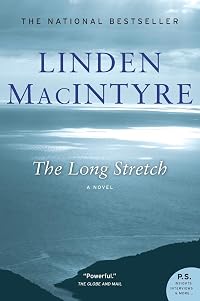
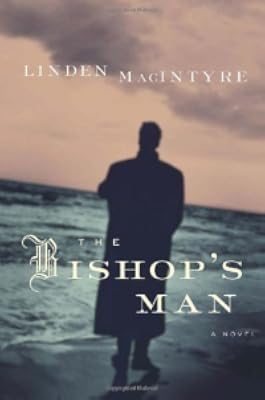

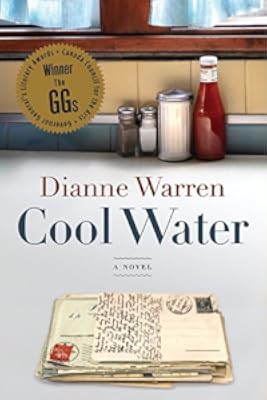


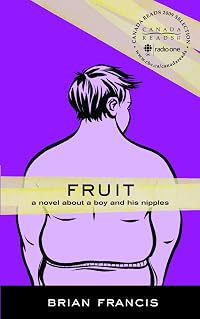












Member Recommendations

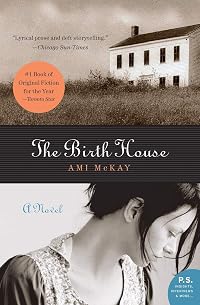
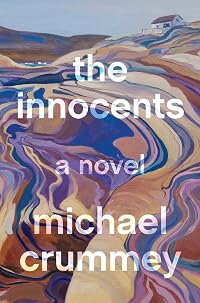
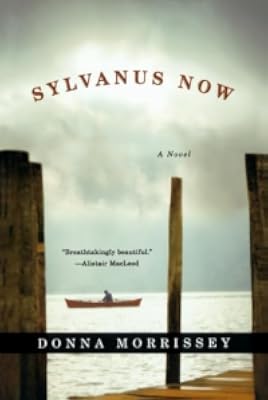
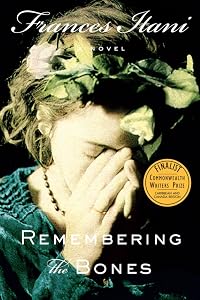
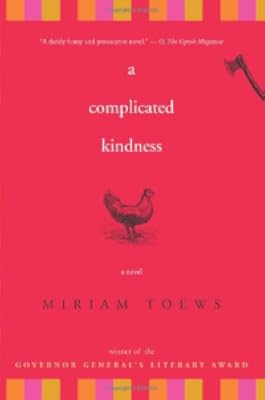
LynnB Main character is a hermaphrodite and faces similar issues.
BookshelfMonstrosity Annabel follows the life of a hermaphrodite who was not masculine enough to please his father. The novel explores themes of family relations, gender roles, and sexual identity similar to those in Middlesex.
81

Member Reviews
Actual Rating: 4.5
Wow. Simply wow.
I have no words to describe how much I adored Annabel. Honestly, I don't even consider myself worthy of reviewing such a masterpiece, but I feel that I should share the beauty of this novel with other readers, which is why I will try my best to do justice to this glorious piece of literature.
I was actually searching the dictionary for words that I could use to describe Annabel when I came across the word "dainty", which means 'delicately beautiful' and that is precisely what Annabelis.
In 1968, in Croydon Harbour, Labrador, Canada, Jacinta Blake gives birth to an unusual child who is neither male nor female but both in one body. The child is born with the reproductive organs of both males and females. show more Doctors come to the conclusion that the baby can be raised as a boy and the truth remains concealed with the boy's parents, Jacinta and Treadway Blake and a trusted neighbour, Thomasina Montague.
Annabel is the story of Wayne's journey from the time of his birth to his infancy, adolescence and youth. But above all that, Annabel is about seeing and appreciating beauty in all the various forms that it presents itself in. It is about how society perceives anything and everything that is strange and unusual.
Jacinta and Treadway were cherubic. I loved reading about the progress and ups and downs of their marriage. As parents, both of them want the best for their child and as humans, they want others to accept their child for who he is even though their discomfort and confusion about him is evident in the early phase of Wayne's life. Treadway tries to mould Wayne into a young man whom he can be proud of, at the same, Jacinta has this deep urge of guarding the part of Wayne that screams to be a girl. Jacinta and Treadway share a wonderful relationship with each other and with their child. When author Kathleen Winter describes Jacinta and Treadway, she doesn't just elaborate the two of them, but you get a glimpse into the live of any inhabitant of Labrador, a glimpse into society in general.
I absolutely admire Jacinta and Treadway Blake's neighbour and the woman who first realised the strange notion that came with Wayne's birth, Thomasina Montague. I am in complete awe of Thomasina. She was a caretaker, mentor, teacher and in a very uncharacteristic manner, mother to Wayne. After losing her own husband and daughter, Graham Montague and Annabel Montague, she is inclined to selflessly devote herself to Wayne. She decides to secretly reincarnate a part of her lost daughter in Wayne by naming him Annabel. They (Thomasina and Wayne) shared an enchanting relationship. Thomasina was brave and resolute. She was everything you wish every individual on this planet could be or could strive to be.
Another character that I really admire is Wally Michelin, Wayne's childhood best friend who, in a secret and sublet way, makes Wayne reach out to parts of himself he didn't even know existed. She was everything Wayne wished he could be. They shared a lovely relationship and I loved how their story ended.
I have read in many reviews that the reader wants to hug the character they read about. I always found it rather funny. Until I read about Wayne. I now know exactly what someone means when they say that they want to hug a book character. Reading about Wayne and getting to know him made me want to pull him close and hug him tightly. I loved Wayne. As a child, he seemed so mature for his age and curious too. I loved his curiosity. I felt for him. At times, I was silently weeping for Wayne. From his obsession with a Russian swimmer's suit to his discovery of make-up products, Wayne comes a long, long way and as a reader, I found myself accompanying him on his journey. As he grows up, he becomes his own individual and it was absolutely enthralling to read about him stepping into the world, trying to figure things out, meeting new people, seeing how people react to him. Wow. I cannot even put into words how much I loved Wayne and how much I cared about him throughout the book.
Annabel is all about growing up, learning, seeing, observing, contemplating, becoming and above anything else, loving...
Annabel is an exquisitely crafted novel. It has so much to tell the reader. I found myself contemplating over how we see the world with such a narrow mind and there really is so much out there. Whether man or woman or both at once, we are all beautiful in our own way and the least and best that we can do for someone is accept them for who and what they are and let them be. I had never thought I'd love Annabel so much. Author Kathleen Winter has written an exceptional and remarkable novel that has made me open my eyes and heart to all the hermaphrodites out there who, in the end of the day, are just like you and me- human beings.
I am in complete awe of Annabel and I am so elated that I read it. An unforgettable book, Annabel will always remain very close to my heart. show less
Wow. Simply wow.
I have no words to describe how much I adored Annabel. Honestly, I don't even consider myself worthy of reviewing such a masterpiece, but I feel that I should share the beauty of this novel with other readers, which is why I will try my best to do justice to this glorious piece of literature.
I was actually searching the dictionary for words that I could use to describe Annabel when I came across the word "dainty", which means 'delicately beautiful' and that is precisely what Annabelis.
In 1968, in Croydon Harbour, Labrador, Canada, Jacinta Blake gives birth to an unusual child who is neither male nor female but both in one body. The child is born with the reproductive organs of both males and females. show more Doctors come to the conclusion that the baby can be raised as a boy and the truth remains concealed with the boy's parents, Jacinta and Treadway Blake and a trusted neighbour, Thomasina Montague.
Annabel is the story of Wayne's journey from the time of his birth to his infancy, adolescence and youth. But above all that, Annabel is about seeing and appreciating beauty in all the various forms that it presents itself in. It is about how society perceives anything and everything that is strange and unusual.
Jacinta and Treadway were cherubic. I loved reading about the progress and ups and downs of their marriage. As parents, both of them want the best for their child and as humans, they want others to accept their child for who he is even though their discomfort and confusion about him is evident in the early phase of Wayne's life. Treadway tries to mould Wayne into a young man whom he can be proud of, at the same, Jacinta has this deep urge of guarding the part of Wayne that screams to be a girl. Jacinta and Treadway share a wonderful relationship with each other and with their child. When author Kathleen Winter describes Jacinta and Treadway, she doesn't just elaborate the two of them, but you get a glimpse into the live of any inhabitant of Labrador, a glimpse into society in general.
I absolutely admire Jacinta and Treadway Blake's neighbour and the woman who first realised the strange notion that came with Wayne's birth, Thomasina Montague. I am in complete awe of Thomasina. She was a caretaker, mentor, teacher and in a very uncharacteristic manner, mother to Wayne. After losing her own husband and daughter, Graham Montague and Annabel Montague, she is inclined to selflessly devote herself to Wayne. She decides to secretly reincarnate a part of her lost daughter in Wayne by naming him Annabel. They (Thomasina and Wayne) shared an enchanting relationship. Thomasina was brave and resolute. She was everything you wish every individual on this planet could be or could strive to be.
Another character that I really admire is Wally Michelin, Wayne's childhood best friend who, in a secret and sublet way, makes Wayne reach out to parts of himself he didn't even know existed. She was everything Wayne wished he could be. They shared a lovely relationship and I loved how their story ended.
I have read in many reviews that the reader wants to hug the character they read about. I always found it rather funny. Until I read about Wayne. I now know exactly what someone means when they say that they want to hug a book character. Reading about Wayne and getting to know him made me want to pull him close and hug him tightly. I loved Wayne. As a child, he seemed so mature for his age and curious too. I loved his curiosity. I felt for him. At times, I was silently weeping for Wayne. From his obsession with a Russian swimmer's suit to his discovery of make-up products, Wayne comes a long, long way and as a reader, I found myself accompanying him on his journey. As he grows up, he becomes his own individual and it was absolutely enthralling to read about him stepping into the world, trying to figure things out, meeting new people, seeing how people react to him. Wow. I cannot even put into words how much I loved Wayne and how much I cared about him throughout the book.
Annabel is all about growing up, learning, seeing, observing, contemplating, becoming and above anything else, loving...
Annabel is an exquisitely crafted novel. It has so much to tell the reader. I found myself contemplating over how we see the world with such a narrow mind and there really is so much out there. Whether man or woman or both at once, we are all beautiful in our own way and the least and best that we can do for someone is accept them for who and what they are and let them be. I had never thought I'd love Annabel so much. Author Kathleen Winter has written an exceptional and remarkable novel that has made me open my eyes and heart to all the hermaphrodites out there who, in the end of the day, are just like you and me- human beings.
I am in complete awe of Annabel and I am so elated that I read it. An unforgettable book, Annabel will always remain very close to my heart. show less
My expectations going into Annabel were sky-high. I was not disappointed, but I was somewhat surprised by my response. Pre-reading, I was most interested in the story of Annabel as hermaphrodite, the story of her life as she struggled to belong amidst a culture unforgiving of contradiction. But it was really the superb portrayal of Newfoundland and of life within its remote, hard shores that appealed to me most. Kathleen Winter’s Newfoundlander characters were so impressive: Treadway’s hard softness and simple practicality; Jacinta’s contented acceptance but secret longing; and Thomasina’s compassionate fearlessness. The isolation, loneliness, and the contradictions of setting and characters, all of these perfectly mirror show more Annabel’s hermaphroditism.
All of my favourite passages, the ones I underlined in my book to come back to, were about Newfoundland – the place, the life, the harshness of the isolation against the peaceful contentedness of simple life:
“The movements of the duck were the white hunter’s calligraphy.” (12)
“Women of Croydon Harbour knew what was expected of them at all times, and they did it, and the men were expected to do things too, and they did these, and there was no time left.” (36)
“then the brutal grandeur of the real Labrador took over.” (178) – how great an expression is “brutal grandeur”?
Highly recommended. Required reading for lovers of Canadian literature. show less
All of my favourite passages, the ones I underlined in my book to come back to, were about Newfoundland – the place, the life, the harshness of the isolation against the peaceful contentedness of simple life:
“The movements of the duck were the white hunter’s calligraphy.” (12)
“Women of Croydon Harbour knew what was expected of them at all times, and they did it, and the men were expected to do things too, and they did these, and there was no time left.” (36)
“then the brutal grandeur of the real Labrador took over.” (178) – how great an expression is “brutal grandeur”?
Highly recommended. Required reading for lovers of Canadian literature. show less
What can I say? I loved this book. Firstly, Winter does a great job setting the scene. I have never actually been to Newfoundland or Labrador but I feel like I have walked down its streets and met its people. Secondly, the characters were real and likeable. She let them tell the story and as a result it flowed well.
I find east coast literature in general tends to be quite dark but this one wasn't. Winter was able to take a difficult subject and put an interesting spin on it. She managed to keep the overall tone quite light without losing the seriousness of the story. You come out of the story feeling a sense of hope for Wayne/Annabel.
This one is definitely recommended.
I find east coast literature in general tends to be quite dark but this one wasn't. Winter was able to take a difficult subject and put an interesting spin on it. She managed to keep the overall tone quite light without losing the seriousness of the story. You come out of the story feeling a sense of hope for Wayne/Annabel.
This one is definitely recommended.
 This review was written for LibraryThing Early Reviewers.
First off, I have to say that this was definitely one of the best books I’ve read this year. Interesting, beautifully written, unique. Winter writes with elegant simplicity. As the blurb on the cover by author Michael Crummey says, “a beautiful book, brimming with heart and uncommon wisdom,” and that sums it up perfectly.
Annabel is the story of a baby born in 1968 in a remote village in Labrador---itself a remote region of Canada—with both male and female genitalia . A decision was made—somewhat reluctantly by his mother and her best friend/midwife-- to raise the baby as male, and so his vagina was stitched shut, he was given life-long meds, and the female side of little Wayne was hidden inside himself. By the time Wayne show more reaches puberty though, it is clear to him that he is not like any other child, and the truth is revealed to him in bits and pieces. More than just a story of what it’s like to live an intersex life, this is a story of silences and secrets, and all about identity and how we all perform our genders. Winter approaches this all with great dignity and sensitivity. If I have quibble about this book, it’s just that Wayne’s poor mother disappears from the book about 2/3rds of the way through. What happened to her?
I received this book as part of the ER program back in July, but between the frosty blue cover with the deer on it and the author’s name “Winter,” the book just seemed too cold to read in the height of summer. Having read it now I wonder why I took so long—this is a great read any time of the year.
One more small thing: Gabriel Fauré’s “Cantique de Jean Racine” is important to a three of the characters in a few spots. When it came up right near the end I was curious and so pulled it up on YouTube. Of course I recognized it right away. It’s a stunning piece of music, and listening to it as I read the final pages was an enriching experience that brought tears to my eyes.
Annabel was nominated for the literary triple crown in Canada: the Roger’s Writers’ Trust Fiction Prize (which was recently awarded to Emma Donohue for Room), the Governor General’s Literary Award, and the Scotiabank Giller Prize. show less
Annabel is the story of a baby born in 1968 in a remote village in Labrador---itself a remote region of Canada—with both male and female genitalia . A decision was made—somewhat reluctantly by his mother and her best friend/midwife-- to raise the baby as male, and so his vagina was stitched shut, he was given life-long meds, and the female side of little Wayne was hidden inside himself. By the time Wayne show more reaches puberty though, it is clear to him that he is not like any other child, and the truth is revealed to him in bits and pieces. More than just a story of what it’s like to live an intersex life, this is a story of silences and secrets, and all about identity and how we all perform our genders. Winter approaches this all with great dignity and sensitivity. If I have quibble about this book, it’s just that Wayne’s poor mother disappears from the book about 2/3rds of the way through. What happened to her?
I received this book as part of the ER program back in July, but between the frosty blue cover with the deer on it and the author’s name “Winter,” the book just seemed too cold to read in the height of summer. Having read it now I wonder why I took so long—this is a great read any time of the year.
One more small thing: Gabriel Fauré’s “Cantique de Jean Racine” is important to a three of the characters in a few spots. When it came up right near the end I was curious and so pulled it up on YouTube. Of course I recognized it right away. It’s a stunning piece of music, and listening to it as I read the final pages was an enriching experience that brought tears to my eyes.
Annabel was nominated for the literary triple crown in Canada: the Roger’s Writers’ Trust Fiction Prize (which was recently awarded to Emma Donohue for Room), the Governor General’s Literary Award, and the Scotiabank Giller Prize. show less
This review was written for LibraryThing Early Reviewers.In 1968, a baby was born to Jacinta and Treadway Blake. This takes place in a remote town in Labrador. The baby is born a hermaphrodite. Only the parents and one trusted neighbour are aware of the situation. The father wishes to raise him as a boy - Wayne Blake. His mother wishes to secretly embrace his female side - Annabel. As time goes on - Wayne realizes slowly and subtley that somehow he does not feel comfortable in his body.
At times I felt that the story could have proceeded at a faster pace - but that slow pace is part of the magic and feeling of Labrador, I suspect. One gets a real feel for Labrador in days gone by - and at times the prose is nearly lyrical. Though a slow moving book in places - the story does move along through show more Wayne's school days, high school days -and further.
The story is also a study of what makes us female or what makes us male - and what we have in common with both sexes.
The ending is most satisfying - at least for me - though no definite answers are found.
A very readable book, another wonderful look into Canadian living-and a most interesting topic for a book to delve into. I highly recommend this wonderful read! show less
At times I felt that the story could have proceeded at a faster pace - but that slow pace is part of the magic and feeling of Labrador, I suspect. One gets a real feel for Labrador in days gone by - and at times the prose is nearly lyrical. Though a slow moving book in places - the story does move along through show more Wayne's school days, high school days -and further.
The story is also a study of what makes us female or what makes us male - and what we have in common with both sexes.
The ending is most satisfying - at least for me - though no definite answers are found.
A very readable book, another wonderful look into Canadian living-and a most interesting topic for a book to delve into. I highly recommend this wonderful read! show less
In 1968, a baby was born to Jacinta and Treadway Blake, in a small Labrador trapping village. The birth was attended by a few village women, all close friends. One woman, Thomasina, noticed something unusual right away: the baby had both male and female genitalia. She was the only one outside the family who knew, and supported Jacinta as she struggled to accept what this would mean to them, and to the baby. Treadway decided the baby would be raised as a boy, and while Jacinta felt otherwise, she would not go against her husband. From that moment on the baby was known as Wayne, although Thomasina often called him "Annabel" in private.
Jacinta wished she could raise Wayne as both son and daughter, and only vaguely understood the challenges show more this could pose for Wayne as he grew up. Treadway desperately wanted a traditional, masculine son, and despaired at Wayne's more feminine interests. As a boy, Wayne was ignorant of the medical details, and knew only that he has to take special vitamins. He felt vaguely different from the other boys he knew, and his closest friend was a girl. While Wayne's medical treatment was costly, the more devastating impact was emotional. Jacinta and Treadway are unable to share their feelings with each other, and gradually this takes a toll. Wayne found it increasingly difficult to relate to either of them, and life only became more difficult as he matured and struggled to find his true self.
Kathleen Winter drew me into this story gradually, and skillfully. It wasn't a page-turner, but I was surprised to find myself emotionally caught up in this book. I despaired at Jacinta and Treadway's broken relationship, and each response to the family tension. My heart wrenched over the conflict between Treadway and Wayne, especially when Treadway's fears led him to destroy something very dear to Wayne. I also felt very sad for Wayne, who had a secret no one could understand, and coped with so much emotional trauma. As he approached adulthood, Wayne began to understand and accept himself, and I closed the book knowing his life would never be easy, but there were glimmers of hope for his future. show less
Jacinta wished she could raise Wayne as both son and daughter, and only vaguely understood the challenges show more this could pose for Wayne as he grew up. Treadway desperately wanted a traditional, masculine son, and despaired at Wayne's more feminine interests. As a boy, Wayne was ignorant of the medical details, and knew only that he has to take special vitamins. He felt vaguely different from the other boys he knew, and his closest friend was a girl. While Wayne's medical treatment was costly, the more devastating impact was emotional. Jacinta and Treadway are unable to share their feelings with each other, and gradually this takes a toll. Wayne found it increasingly difficult to relate to either of them, and life only became more difficult as he matured and struggled to find his true self.
Kathleen Winter drew me into this story gradually, and skillfully. It wasn't a page-turner, but I was surprised to find myself emotionally caught up in this book. I despaired at Jacinta and Treadway's broken relationship, and each response to the family tension. My heart wrenched over the conflict between Treadway and Wayne, especially when Treadway's fears led him to destroy something very dear to Wayne. I also felt very sad for Wayne, who had a secret no one could understand, and coped with so much emotional trauma. As he approached adulthood, Wayne began to understand and accept himself, and I closed the book knowing his life would never be easy, but there were glimmers of hope for his future. show less
Some reviewers have expressed a concern that the medical details of this story are implausible - but what strikes me is the emotional intelligence and sensitivity with which Kathleen Winter treats the whole question of gender and its ambiguity: the technical details seem to me to be no more troubling than those, for example, in Kazuo Ishiguro's 'Never Let Me Go', which is widely being hailed as a masterpiece. In some ways 'Annabel' echoes this earlier novel; its spare but eloquent language, and its characterisation of the remote Labrador landscape remind me also of Annie Proulx; and there were some passages, about the way in which our residue of faith (not only religious faith) is unequal to the complexities of the lives in which we show more find ourselves today, which reminded me of much of the mood of Marilynne Robinson's 'Gilead'. There is a shocking episode which is as vivid as the denouement of 'Boys Don't Cry' - although this is a very much gentler and more gracious story; and I liked the subsidiary narrative of Wayne/Annabel's friend Wally, whose voice - and with it the chance to sing - is damaged by a terrible accident quite early in the book: the 'Cantique de Jean Racine' by Gabriel Fauré is, itself, almost as strong a character as the Canadian wilderness against which, or maybe within which, the whole thing works itself out. One or two passages slightly made me cringe - though this may be because of my own discomfort with the unflinching encounter in this story with intersex, or, by implication, trans-sex experience: but in every instance Kathleen Winter leads her text back to a place of grace and maturity, which makes me think that the rest is not undeliberated. I think this is an extremely thoughtful, elegant, humane and life-affirming book, and I strongly recommend it. show less
Members
- Recently Added By
Published Reviews
ThingScore 94
Read it because it’s a story told with sensitivity to language that compels to the last page, and read it because it asks the most existential of questions. Stripped of the trappings of gender, [Kathleen] Winter asks, what are we? --The Globe & Mail, June 25, 2010
added by vancouverdeb
added by lucyknows
But can someone of two genders really find acceptance—even self-acceptance? Kathleen Winter explores that question in her utterly original debut novel, Annabel.
added by vancouverdeb
Lists

Favourite Women's Prize for Fiction, Orange & Bailey's Prize contenders
132 works; 52 members

CBC Books - Canada's 100 (+ bonus 10): Which have you read?
110 works; 23 members

Recommend the 20 best books you've read in the last five years
2,168 works; 608 members
The Best of Canadian Literature
235 works; 33 members

Canada Reads Winners and Nominees
129 works; 9 members

CBC's Great Canadian Reading List
149 works; 5 members

Canadian Historical Fiction 🇨🇦
157 works; 8 members

Evergreen Award™ Winners and Nominees 2005–2024
200 works; 3 members
Talk Discussions
Past Discussions
Annabel by Kathleen Winter in Orange January/July (July 2011)
Author Information

11+ Works 1,309 Members
Kathleen Winter is the author of the bestselling novel Annabel, which was a finalist for the Scotiabank Giller Prize, the Governor General's Literary Award, the Orange Prize for Fiction, and CBC Canada Reads. A long-time resident of Newfoundland, she now lives in Montreal.
Awards and Honors
Awards
Distinctions
Common Knowledge
- Canonical title
- Annabel
- Original title
- Annabel
- Original publication date
- 2010
- People/Characters
- Wayne Blake; Thomasina Baikie; Treadway Blake; Jacinta Blake; Gracie Watts; Wally Michelin
- Important places
- Labrador, Canada; St. John's, Newfoundland, Canada
- Epigraph
- Annabel, Annabel, where did you go? I've looked high and I've looked low. I've looked low and I've looked high... - Kat Goldman
Different though the sexes are, they intermix. In every human being a vacilliation from one sex to the other takes place, and often it is only the clothes that keep the male or female likeness, while underneath the sex is the... (show all) very opposite of what it is above. - Virginia Woolf - Dedication
- To my mother and father
- First words
- Wayne Blake was born at the beginning of March, during the first signs of spring breakup of the ice - a time of great importance to Labradorians who hunted ducks for food- and he was born, like most children in that place in ... (show all)1968, surrounded by women his mother had known all her married life: Joan Martin, Eliza Goudie, and Thomasina Baikie.
- Last words
- (Click to show. Warning: May contain spoilers.)His father would, this coming winter, walk his trapline towards unknown places, and Wayne would finally be on his way to a landscape that was for him as magnetic and as big as Labrador.
Classifications
Statistics
- Members
- 1,094
- Popularity
- 23,409
- Reviews
- 79
- Rating
- (3.97)
- Languages
- 7 — Basque, Dutch, English, French, German, Spanish, Swedish
- Media
- Paper, Audiobook, Ebook
- ISBNs
- 30
- ASINs
- 15
