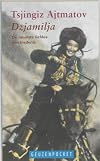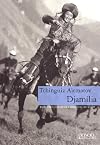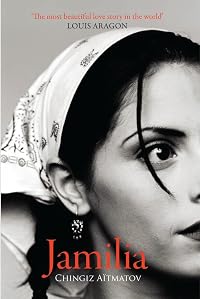
Jamilia
by Chingiz Aĭtmatov
On This Page
Description
'Somewhere in Central Asia at the outset to the latter part of the twentieth century a young man could write a story that, I swear to you, is the most beautiful love story in the world.'.Tags
Recommendations











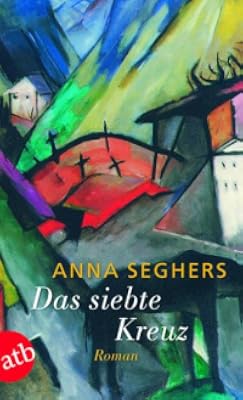
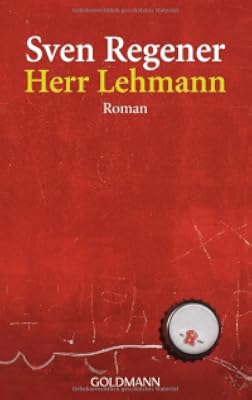

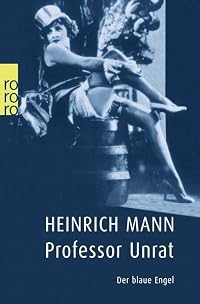


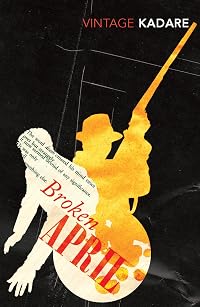








Member Recommendations

Member Reviews
Dshamilja ist eine wunderbare Geschichte, die ich vor einigen Jahren während meiner Reise durch Kirgisistan mit Begeisterung gelesen habe. Sie erzählt von der Liebe zweier Menschen, die eigentlich nicht sein durfte, aber noch mehr von der Liebe zu Kirgisistan, zum Leben an sich. Obwohl oder vielleicht gerade weil die Beschreibungen sehr poetisch sind, hatte ich während des Lesens ständige Aha-Erlebnisse. Die Menschen, die Pferde in den Luzernenfeldern, die Berge, die Weite, die Steppe - durch Aitmatows Darstellungen erblickte ich schon Alles in meiner Vorstellung, bevor ich die Gegend mit meinen eigenen Augen betrachtete, um Alles bestätigt zu finden. Ja, ich weiß, das hört sich jetzt superkitschig an, aber so war es.
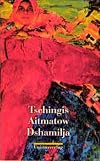
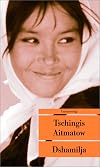
Als ich dann show more die neue Ausgabe des Insel-Verlages mit der wirklich schönen Covergestaltung und neuer Übersetzung entdeckt habe, war klar: Dieses schmale Büchlein muss ich haben. Gesagt, getan - und das Cover hat mich nicht enttäuscht. Die Zeichnungen, viele in schwarz-weiß oder in diversen Rottönen coloriert, passen wunderbar zu dieser gefühlvollen Geschichte. Was mich jedoch völlig ernüchtert hat, ist die meiner Ansicht nach misslungene Übersetzung.
Ich habe das Buch ebenfalls in der Ausgabe mit Hartmut Herboth als Verantwortlichem. Und auch wenn Manches darin durchaus etwas angestaubt klingen mag (immerhin ist sie mindestens 30 Jahre alt) - die Atmosphäre, die Stimmung hat er überzeugend ins Deutsche übertragen. Denn genau so ist es: die Menschen und das Land. Aus Interesse habe ich die beiden Fassungen dann parallel gelesen und bin schlicht entsetzt, was aus Dshamilja gemacht wurde. Um eines klarzustellen: Nein, ich kann kein Russisch. Aber die neue Fassung enthält ausser schlechtem Deutsch ebenso sachliche Fehler, die auch ohne Russisch-Kenntnisse festzustellen sind. Beispielsweise trägt in der neuen Fassung die Mutter des Erzählers einen Turban (S. 14), in der alten ein Kopftuch. Fakt ist, dass in Kirgisistan die Frauen Kopftuch und keinen Turban tragen. Oder die Beschreibung "… glühte die müde Junisonne wie die runde Öffnung eines Backofens …" (S. 28), wo bei Herboth statt Backofen Tandyr steht, ein neben dem Haus in die Erde gebauter Ofen mit runder Öffnung, in dem Fladen gebacken werden. Darüber verfügt in Kirgisistan praktisch jedes Haus, während Backöfen (insbesondere in der Zeit, in der die Geschichte spielt), Mangelware sind. Auch die Ausdrucksweise ist in der neuen Ausgabe stellenweise sehr gewöhnungsbedürftig: Auf Seite 27 "…; es lohnte nicht, mit ihm anzubinden.", hingegen in der alten Fassung "Sie wusste, dass es nicht lohnte, mit ihm Streit anzufangen, …", was auch im Zusammenhang gelesen wesentlich besser klingt. Oder Seite 7 (neu) "… damals noch Buben von fünfzehn, sechzehn Jahren .." gegenüber "Wir Halbwüchsigen, etwa fünfzehn Jahre alt…". Ich möchte die Fünfzehnjährigen sehen, die sich noch Buben nennen lassen ;-)
Dinge dieser Art ziehen sich durch den gesamten Text hindurch und viel von der Poesie dieser Geschichte ist einfach verloren gegangen. So schön ich die Illustrationen auch finde, ich werde das Buch verkaufen und dafür die alte Ausgabe behalten. Denn letztendlich ist es der Text, der Dshamilja ausmacht.
PS: Und um Bücher dieser Übersetzerin werde ich zukünftig einen riesigen Bogen machen. show less
Als ich dann show more die neue Ausgabe des Insel-Verlages mit der wirklich schönen Covergestaltung und neuer Übersetzung entdeckt habe, war klar: Dieses schmale Büchlein muss ich haben. Gesagt, getan - und das Cover hat mich nicht enttäuscht. Die Zeichnungen, viele in schwarz-weiß oder in diversen Rottönen coloriert, passen wunderbar zu dieser gefühlvollen Geschichte. Was mich jedoch völlig ernüchtert hat, ist die meiner Ansicht nach misslungene Übersetzung.
Ich habe das Buch ebenfalls in der Ausgabe mit Hartmut Herboth als Verantwortlichem. Und auch wenn Manches darin durchaus etwas angestaubt klingen mag (immerhin ist sie mindestens 30 Jahre alt) - die Atmosphäre, die Stimmung hat er überzeugend ins Deutsche übertragen. Denn genau so ist es: die Menschen und das Land. Aus Interesse habe ich die beiden Fassungen dann parallel gelesen und bin schlicht entsetzt, was aus Dshamilja gemacht wurde. Um eines klarzustellen: Nein, ich kann kein Russisch. Aber die neue Fassung enthält ausser schlechtem Deutsch ebenso sachliche Fehler, die auch ohne Russisch-Kenntnisse festzustellen sind. Beispielsweise trägt in der neuen Fassung die Mutter des Erzählers einen Turban (S. 14), in der alten ein Kopftuch. Fakt ist, dass in Kirgisistan die Frauen Kopftuch und keinen Turban tragen. Oder die Beschreibung "… glühte die müde Junisonne wie die runde Öffnung eines Backofens …" (S. 28), wo bei Herboth statt Backofen Tandyr steht, ein neben dem Haus in die Erde gebauter Ofen mit runder Öffnung, in dem Fladen gebacken werden. Darüber verfügt in Kirgisistan praktisch jedes Haus, während Backöfen (insbesondere in der Zeit, in der die Geschichte spielt), Mangelware sind. Auch die Ausdrucksweise ist in der neuen Ausgabe stellenweise sehr gewöhnungsbedürftig: Auf Seite 27 "…; es lohnte nicht, mit ihm anzubinden.", hingegen in der alten Fassung "Sie wusste, dass es nicht lohnte, mit ihm Streit anzufangen, …", was auch im Zusammenhang gelesen wesentlich besser klingt. Oder Seite 7 (neu) "… damals noch Buben von fünfzehn, sechzehn Jahren .." gegenüber "Wir Halbwüchsigen, etwa fünfzehn Jahre alt…". Ich möchte die Fünfzehnjährigen sehen, die sich noch Buben nennen lassen ;-)
Dinge dieser Art ziehen sich durch den gesamten Text hindurch und viel von der Poesie dieser Geschichte ist einfach verloren gegangen. So schön ich die Illustrationen auch finde, ich werde das Buch verkaufen und dafür die alte Ausgabe behalten. Denn letztendlich ist es der Text, der Dshamilja ausmacht.
PS: Und um Bücher dieser Übersetzerin werde ich zukünftig einen riesigen Bogen machen. show less
Dshamilja (I was reading a German edition, the usual English title is Jamilia) is a novella of forbidden love set in the glorious landscape of northern Kyrgyzstan. Told from the point of view of the heroine's younger brother-in-law, who is the only male left in the family because everyone else is off fighting the Second World War. Therefore, Jamilia ends up doing work that women would normally never dream of doing, such as hauling grain to the train depot so it can be sent to feed soldiers on the front. Her mother-in-law does not want her going alone so she travels with the narrator and a crippled soldier returned from the fighting. Over the course of their journey the narrator watches something beautiful unfold, even as he also fears show more it and knows that as the eldest male in the family he should put a stop to it. But even the most amazing journeys come to an end, and rumors are flying that Jamilia's husband will return home soon. In a world in which women have little power and family is everything, what choices does she have.
A very atmospheric work featuring a part of the world little-known outside its immediate neighborhood. Recommended for those who like good novellas or subtle romances. show less
A very atmospheric work featuring a part of the world little-known outside its immediate neighborhood. Recommended for those who like good novellas or subtle romances. show less
Living in Kyrgyzstan during World War II, Seit is a teenage boy experiencing his first, unrequited crush on his sister-in-law, Jamilia. Jamilia is married to Sadyk, whose tepid letters from the war are sent to his parents and mention her only in passing in the postscripts. The two of them get thrown together with Daniyal, a soldier invalided back from the front, whose sullen demeanor slowly thaws to reveal a poet's soul. Aïmatov sews these elements together into a love story that feels like a folk tale handed down through the generations. Reading about the author, it seems the folklore tone is characteristic of his work as he aimed to recreate the oral tradition of his nomadic people. It gives this story a charming air that I loved.
'the steppe seemed to burst into bloom,heaving a sigh and drawing aside the veil of darkness'
By sally tarbox on 14 Jan. 2014
Format: Paperback
Short (96 pages of double-spaced type) novel, set in WW2 Kyrgyzstan. The men are away at war, leaving the old and war-injured to bring in the vital crops, assisted by the women and teenagers pulled out of school. This story is narrated by one such youth, Seit. His brothers are away fighting, and the wife of one - the spirited and lovely Jamilia - works with him, loading waggons...
I love the descriptions of the Kyrgyzstan steppes: 'the delicate smokey-blue, migratory spring clouds floating at crane's height above the yurtas; then herds of horses racing across the ringing earth...then flocks of sheep show more slowly spreading like lava over the foothills'.
Quite an enjoyable read, set in an unfamiliar environment. show less
By sally tarbox on 14 Jan. 2014
Format: Paperback
Short (96 pages of double-spaced type) novel, set in WW2 Kyrgyzstan. The men are away at war, leaving the old and war-injured to bring in the vital crops, assisted by the women and teenagers pulled out of school. This story is narrated by one such youth, Seit. His brothers are away fighting, and the wife of one - the spirited and lovely Jamilia - works with him, loading waggons...
I love the descriptions of the Kyrgyzstan steppes: 'the delicate smokey-blue, migratory spring clouds floating at crane's height above the yurtas; then herds of horses racing across the ringing earth...then flocks of sheep show more slowly spreading like lava over the foothills'.
Quite an enjoyable read, set in an unfamiliar environment. show less
Jamilia is a sweet and beautiful story. It is the kind of story I would think that I wanted to write when I was bogged down in my own novel which is about four times as long (not that long, Jamilia is only 96 pages). It is set in Kyrgyzstan, one of the Republics that came out of the breakup of the Soviet Union. It is Turkic in central Asia, mountainous. It is in a time of war. It is not specific which. It mentions German, but given that the author was born in 1928 and that the main character is a 15 year old boy, Seit, it is probably WWII. The village doesn't experience any battles. Rather the war is present through the young men who have gone away.
The sense of place and culture is very strong in this book. The boy belongs to a large show more extended family which lives in two houses both managed by his mother. The second house is lived in by the second wife of his father. She had lived there with her first husband, who died leaving her with two small sons. Seit explains, "We could not abandon a widow and her sons, so our kinfolk married my father to her." The tradition of large families was left from nomadic times.
Now the two small sons are grown, and have gone off to war. Seit refers to these men as his older brothers. One of them has married the daughter in law Jamilia. Seit feels akin to Jamilia and is a little in love with her. This is true, though their relationship, like many relationships in the village, is shaped by tradition. For instance, Jamilia's husband does not write directly to her, but to the family. She is barely mentioned in the letter. Seit and Jamilia do not call each other by first names, but he calls her, jenei, and she calls him, kichine bala - little boy, which is the custom to call a husband's younger brother.
The story happens in the course of a summer. A man, Daniyar, not totally a stranger, but an orphan who grew up mostly in nearby Kazakstan, returns to the village. Because the three of them are set to do a task together, delivering grain for the soldiers, they are thrown together, and Seit experiences the growing relationship between Jamilia and Daniyar. He doesn't simply watch it, but experiences it as his own awakening to another kind of perception of the world. show less
The sense of place and culture is very strong in this book. The boy belongs to a large show more extended family which lives in two houses both managed by his mother. The second house is lived in by the second wife of his father. She had lived there with her first husband, who died leaving her with two small sons. Seit explains, "We could not abandon a widow and her sons, so our kinfolk married my father to her." The tradition of large families was left from nomadic times.
Now the two small sons are grown, and have gone off to war. Seit refers to these men as his older brothers. One of them has married the daughter in law Jamilia. Seit feels akin to Jamilia and is a little in love with her. This is true, though their relationship, like many relationships in the village, is shaped by tradition. For instance, Jamilia's husband does not write directly to her, but to the family. She is barely mentioned in the letter. Seit and Jamilia do not call each other by first names, but he calls her, jenei, and she calls him, kichine bala - little boy, which is the custom to call a husband's younger brother.
The story happens in the course of a summer. A man, Daniyar, not totally a stranger, but an orphan who grew up mostly in nearby Kazakstan, returns to the village. Because the three of them are set to do a task together, delivering grain for the soldiers, they are thrown together, and Seit experiences the growing relationship between Jamilia and Daniyar. He doesn't simply watch it, but experiences it as his own awakening to another kind of perception of the world. show less
Jamilia is a short, simple tale about many kinds of love: love for family, for community, for a homeland and primarily a love that grows quite innocently between two people from nothing to everything. Jamilia, a hardworking, confident and beautiful woman, bearing the weight of war and patriarchal custom, lives in a small rural community in north western Kyrgyzstan. With her husband away at war, she deputises to provide for her in-laws who have never really taken to her despite her best efforts. The company of her fiercely protective brother-in-law and a taciturn, wounded soldier called Daniyar keeps her buoyed in the difficult time, as together they complete the daily labours vacated by the men who have left the small village to fight. show more It is admittedly a tad predictable but Aitmatov’s poetic prose deftly frames this romantic tale as forces greater than will stoke passions ignorant of tradition. show less
This was a favorite of mine when I first read it. It comes with high praise: Louis Aragon called this short novel the most beautiful love story in the world. I was a bit afraid it would not stand the test of time. But it did.
In just over a hundred pages he brings to life a time and place which is very foreign to us: Kirgizstan during the Second World War. The men are off fighting, the women are doing the work in the fields, charged with growing the food to sustain the fighters. The Kirgiz society has just moved from a nomadic existence to the settled life in the soviet kolkhozes. Said, a young boy himself, but the man in charge of the household, tells us about these days. Nested like a sketchy painting inside his recounting, is the show more love story of Jamilia and Danijar. With just a few half understood glimpses powerful feelings are evoked. The ending is bittersweet and left me with a mixture of satisfaction and yearning, much as it did Said. show less
In just over a hundred pages he brings to life a time and place which is very foreign to us: Kirgizstan during the Second World War. The men are off fighting, the women are doing the work in the fields, charged with growing the food to sustain the fighters. The Kirgiz society has just moved from a nomadic existence to the settled life in the soviet kolkhozes. Said, a young boy himself, but the man in charge of the household, tells us about these days. Nested like a sketchy painting inside his recounting, is the show more love story of Jamilia and Danijar. With just a few half understood glimpses powerful feelings are evoked. The ending is bittersweet and left me with a mixture of satisfaction and yearning, much as it did Said. show less
Members
- Recently Added By
Lists

Best of World Literature
432 works; 51 members

Short and Sweet
245 works; 23 members

Books Read in 2020
4,379 works; 124 members

Reading Globally
136 works; 15 members

Central Asia
59 works; 2 members
Author Information

Aitmatov became well known for his Russian-language prose describing the life of his own Kirghiz people. He was born in Kirghiza, in present-day Kyrgyzstan, in 1928. His writings include the novel The White Steamship; the novella Farewell, Gulsary!; and a daring play titled The Ascent of Mount Fuji. Although he was a member of the Communist party, show more his works did not follow the narrow canons of socialist realism. With depth and sensitivity, Aitmatov presented the Kirghiz in the throes of societal change, dealt very broadly with ethical problems, and took up topics that were generally avoided in official Soviet literature. With time his criticism of Russification and collectivization on traditional Kirghiz society increased. In 1963, Aitmatov received the Lenin Prize for Literature and Fine Arts. (Bowker Author Biography) show less
Some Editions
Awards and Honors
Series
Belongs to Publisher Series
Geuzenpocket (79)
Work Relationships
Common Knowledge
- Canonical title*
- Dshamilja
- Original title
- Джамиля
- Original publication date
- 1958
- People/Characters
- Jamilia; Daniyar; Seit
- Important places
- Kyrgyzstan
- Important events
- World War II (1939 | 1945)
- Related movies
- Jamila (1994 | IMDb); Jamilya (1969 | IMDb)
- First words
- Here I stand before this little painting in its simple frame.
- Last words
- (Click to show. Warning: May contain spoilers.)May Daniyar's song resound and may Jamilia's heart beat with every stroke of my brush.
- Blurbers
- Aragon, Louis; Ismailov, Hamid
- Original language
- Russian
- Disambiguation notice
- Please don't combine with works that contain more than this single novella!
*Some information comes from Common Knowledge in other languages. Click "Edit" for more information.
Classifications
- Genres
- Fiction and Literature, General Fiction, Romance
- DDC/MDS
- 791.7344 — Arts & recreation Recreation, sports, and performing arts Movies, TV, Video
- LCC
- PG3478 .I8 — Language and Literature Slavic languages and literatures. Baltic languages. Albanian language Slavic. Baltic. Albanian Russian literature Individual authors and works 1961-2000
- BISAC
Statistics
- Members
- 787
- Popularity
- 35,407
- Reviews
- 39
- Rating
- (3.86)
- Languages
- 19 — Amharic, Arabic, Catalan, Danish, Dutch, English, Estonian, Finnish, French, German, Hungarian, Italian, Norwegian (Bokmål), Portuguese, Russian, Spanish, Swahili, Swedish, Turkish
- Media
- Paper, Audiobook, Ebook
- ISBNs
- 60
- ASINs
- 24