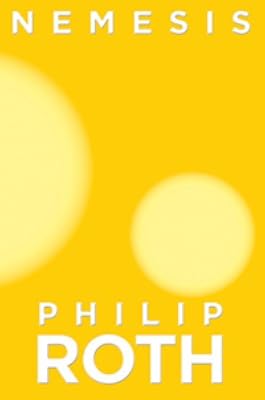
Nemesis
by Philip Roth
On This Page
Description
Roth's "Nemesis" is the story of a wartime polio epidemic in the summer of 1944 and the effect it has on a closely knit, family-oriented Newark community and its children.Tags
Recommendations
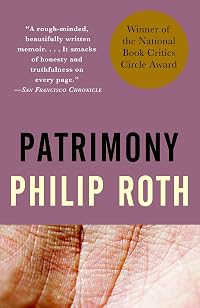
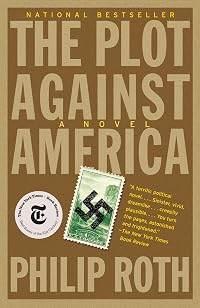
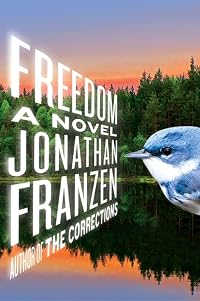









Member Recommendations
jigarpatel Underrated, last in the "Nemeses" series, sharp commentary, thought-invoking, brilliant conclusion.
Member Reviews
World War II is not quite over, but in the summer of 1944 there is a war of a different sort on the home front. A deadly polio epidemic is sweeping the playgrounds and streets, attacking randomly, and children, teens and adults are in iron lungs and left paralyzed or dead. No one is quite sure how polio is transmitted, and everyone is frightened:
"We were warned not to use public toilets or public drinking fountains or to swig a drink out of someone else's soda-pop bottle or to get a chill or to play with strangers or to borrow books from the public library or to talk on a public pay phone or to buy food from a street vendor or to eat until we had cleaned our hands thoroughly with soap and water."
Bucky Cantor, a young school teacher, is show more the playground director for the summer in a Jewish Newark neighborhood. After several of his playground charges get polio, Bucky wonders whether he could be doing more to protect them. He has already been feeling guilty because he was unable to enlist in the army due to his poor eyesight. Now he feels he is failing in the battle on the home front. It gets worse when his girlfriend tries to convince him to give up his job at the inner city playground and join her in the "safe" countryside as a camp counselor.
Particularly having recently experienced the covid epidemic, I found the evocation of the fear and paranoia to be very real and convincing. (I don't know when the polio vaccine became widespread, but I don't think it was available until I was a few years into elementary school. I do know there were at least two kids at my very small school in leg braces from having had polio.) It is also a very good depiction of Bucky's doubts and feelings of helplessness, and self-blame:
"He was struck by how lives diverged and by how powerless each of us is up against the force of circumstances. And where does God figure in this?"
Highly recommended
4 stars
First line: "The first case of polio came early in June, right after Memorial Day, in a poor Italian neighborhood, crosstown from where we lived." show less
"We were warned not to use public toilets or public drinking fountains or to swig a drink out of someone else's soda-pop bottle or to get a chill or to play with strangers or to borrow books from the public library or to talk on a public pay phone or to buy food from a street vendor or to eat until we had cleaned our hands thoroughly with soap and water."
Bucky Cantor, a young school teacher, is show more the playground director for the summer in a Jewish Newark neighborhood. After several of his playground charges get polio, Bucky wonders whether he could be doing more to protect them. He has already been feeling guilty because he was unable to enlist in the army due to his poor eyesight. Now he feels he is failing in the battle on the home front. It gets worse when his girlfriend tries to convince him to give up his job at the inner city playground and join her in the "safe" countryside as a camp counselor.
Particularly having recently experienced the covid epidemic, I found the evocation of the fear and paranoia to be very real and convincing. (I don't know when the polio vaccine became widespread, but I don't think it was available until I was a few years into elementary school. I do know there were at least two kids at my very small school in leg braces from having had polio.) It is also a very good depiction of Bucky's doubts and feelings of helplessness, and self-blame:
"He was struck by how lives diverged and by how powerless each of us is up against the force of circumstances. And where does God figure in this?"
Highly recommended
4 stars
First line: "The first case of polio came early in June, right after Memorial Day, in a poor Italian neighborhood, crosstown from where we lived." show less
http://nwhyte.livejournal.com/2733842.html
It's a short but very compelling book about an outbreak of polio among a Jewish community in Newark, New Jersey, in 1944. The central character has to deal with the consequences of the outbreak first at the playground he is supervising during the school holiday, then at the summer camp where his fiancé is working, then with the aftermath of recovery. The hot hot summer, and oppressive social context of a suburban society which is both subject to prejudice from the outside and rife with prejudice of its won, are vividly depicted, and it conveys better than any textbook possibly could the psychological impact of polio, both the general effects of any epidemic disease, and the specifics of this show more particular illness, viewed from more than fifty years later. It is actually the first Philip Roth novel that I have read, but it won't be the last. show less
It's a short but very compelling book about an outbreak of polio among a Jewish community in Newark, New Jersey, in 1944. The central character has to deal with the consequences of the outbreak first at the playground he is supervising during the school holiday, then at the summer camp where his fiancé is working, then with the aftermath of recovery. The hot hot summer, and oppressive social context of a suburban society which is both subject to prejudice from the outside and rife with prejudice of its won, are vividly depicted, and it conveys better than any textbook possibly could the psychological impact of polio, both the general effects of any epidemic disease, and the specifics of this show more particular illness, viewed from more than fifty years later. It is actually the first Philip Roth novel that I have read, but it won't be the last. show less
"Devo dire che, per quanta compassione possa provare per il cumulo di calamità che gli aveva rovinato la vita, non si tratta d'altro che di stupida superbia, non la superbia della volontà o del desiderio ma la superbia di un'infantile, irreale interpretazione religiosa"
Già, quanti danni ha fatto a ogni singolo uomo e al mondo intero quel voler essere tutti di un pezzo che non è altro che incapacità di gioire del mondo, nella buona e nella cattiva sorte.
Un libro indimenticabile.
Già, quanti danni ha fatto a ogni singolo uomo e al mondo intero quel voler essere tutti di un pezzo che non è altro che incapacità di gioire del mondo, nella buona e nella cattiva sorte.
Un libro indimenticabile.
O grande mérito dos grandes escritores é o de estar prevendo o futuro ao escrever sobre o passado, prevendo um zeitgeist antes mesmo dos observadores mais espertos por saber mesmo que cada época da humanidade é cíclica e se repete indefinidamente.
É o que acontece com Roth aqui, indicação mais do que precisa da Lilia Schwarcz para esse pico pandêmico até agora. Antes de morrer Roth meio que legou seu último livro a uma epidemia que ainda estava para acontecer e o fez como paralelo ao holocausto judeu na Segunda Guerra concomitando com outra espécie de holocausto também ocorrendo nos EUA na época: a pólio. E o faz invocando a eterna culpa judaico-cristã que assola em demasia todo o ocidente e que faz com que as pessoas show more mais conscientes durante uma pandemia permaneçam vivas: o que será de mim se eu passar uma doença fatal/debilitante para as pessoas que amo?
O que falta aos negacionistas é exatamente isso, a ausência de culpa que evite com que hajam como psicopatas, se no livro do Roth é a falta de informação científica que faz com que o vírus se espalhe sem que se saiba como isso acontece, não podemos dizer que seja falta de informação que nos fez chegar até aqui, não podemos sequer culpar a pulsão de morte que nos é inerente, mas uma coisa é certa, nas próximas décadas haverá muito estudo a ser desvelado pelas ciências humanas em torno do que acontece no Brasil hoje. show less
É o que acontece com Roth aqui, indicação mais do que precisa da Lilia Schwarcz para esse pico pandêmico até agora. Antes de morrer Roth meio que legou seu último livro a uma epidemia que ainda estava para acontecer e o fez como paralelo ao holocausto judeu na Segunda Guerra concomitando com outra espécie de holocausto também ocorrendo nos EUA na época: a pólio. E o faz invocando a eterna culpa judaico-cristã que assola em demasia todo o ocidente e que faz com que as pessoas show more mais conscientes durante uma pandemia permaneçam vivas: o que será de mim se eu passar uma doença fatal/debilitante para as pessoas que amo?
O que falta aos negacionistas é exatamente isso, a ausência de culpa que evite com que hajam como psicopatas, se no livro do Roth é a falta de informação científica que faz com que o vírus se espalhe sem que se saiba como isso acontece, não podemos dizer que seja falta de informação que nos fez chegar até aqui, não podemos sequer culpar a pulsão de morte que nos é inerente, mas uma coisa é certa, nas próximas décadas haverá muito estudo a ser desvelado pelas ciências humanas em torno do que acontece no Brasil hoje. show less
Bucky Cantor is strong and muscular, a physical education teacher. During the very hot summer of 1944 he is also a committed and enthusiastic playground director of a summer activities programme for boys. Set in Weequahic, the mainly Jewish suburb of Newark, New Jersey, this novella explores the effects of a serious polio epidemic, both on the community and, specifically, on Bucky. He is a rather naïve, idealistic 23 year old, who feels both devastated and ashamed that poor eyesight has disqualified him from joining-up with his friends to fight in Europe. However, he is determined to make up for this by doing his job well, and by keeping “his” boys safe, but his beliefs in himself, in fairness and in God are all challenged when show more children begin to fall ill, become paralysed, and even die. No matter how hard he “battles” against both his conscience and the epidemic, he feels doomed to failure.
I found this a very moving and compassionate story, which captured all the sense of panic and fear which gripped the community, and portrayed all the displaced anger which people are inclined to express when feeling utterly powerless. Bucky’s personal struggles with his own ambivalent feelings – his conscience, his sense of duty, his instinct for self-preservation – are examined in depth, and very vividly described. I felt totally engaged with his over-whelming and painful feelings about a profound sense of loss of innocence and belief. I liked the way the author used the story to draw parallels between those who were away fighting for their country, and those who were left behind to fight a different battle.
Roth’s spare, effective prose, and his almost forensically detailed descriptions of the physical features of his characters create instantly vivid images, as do his descriptions of the locations he describes. His switch from telling Bucky’s story in a third person narrative for most of the novel, to having it told in the first person, for the final forty two pages and nearly thirty years later, by one of the boys who survived, was a very moving, effective and successful literary device.
Of the four books in his “Nemeses” series, I think this is by far the best - possibly reading it as the world lives with the fear of Covid19 contributed to my capacity for empathy! show less
I found this a very moving and compassionate story, which captured all the sense of panic and fear which gripped the community, and portrayed all the displaced anger which people are inclined to express when feeling utterly powerless. Bucky’s personal struggles with his own ambivalent feelings – his conscience, his sense of duty, his instinct for self-preservation – are examined in depth, and very vividly described. I felt totally engaged with his over-whelming and painful feelings about a profound sense of loss of innocence and belief. I liked the way the author used the story to draw parallels between those who were away fighting for their country, and those who were left behind to fight a different battle.
Roth’s spare, effective prose, and his almost forensically detailed descriptions of the physical features of his characters create instantly vivid images, as do his descriptions of the locations he describes. His switch from telling Bucky’s story in a third person narrative for most of the novel, to having it told in the first person, for the final forty two pages and nearly thirty years later, by one of the boys who survived, was a very moving, effective and successful literary device.
Of the four books in his “Nemeses” series, I think this is by far the best - possibly reading it as the world lives with the fear of Covid19 contributed to my capacity for empathy! show less
In 1944, there was no vaccine or cure for polio (though treatments existed which helped, to some degree, many who contracted the disease). Indeed, though it was known to be highly contagious, the mechanism of polio's spread was not yet understood. As a result, all manner of theories abounded regarding the risks, leading to a general state of paranoia during outbreaks of the disease. Who/what was to blame for its spread? Flies? The hot dog vendor? A mentally-challenged neighbor? Contaminated library books?
This story explores the grim reality of urban life in a polio outbreak. However, it is even more the story of a man's grim battle with his own thoughts -- his fear, his conscience, his doubts, his guilt, and his anger at God -- in the show more face of a disease he cannot control and a World War in which he was deemed too nearsighted to serve.
Bucky Cantor is the neighborhood playground director, and he watches helplessly as his young charges begin to sicken and die of polio. The reality of the situation eats away at him as he ponders the opportunity to escape the inner city for work as a camp counselor in the Pocono Mountains, where his girlfriend Marcia works. What is his duty to his young charges at the playground? Is his playground a killing field of contagion, or an oasis from even more dangerous situations?
I listened to the audio version of this book (a Brilliance Audio production) and found some parts compelling, some parts a bit tedious, and some parts mildly curious (such as the description of summer camp life in the 1940's). Then there were the moments that left me with an "oh, no!" on my lips and a sinking feeling in my stomach as I anticipated what manner of disaster loomed ahead. In the end the biggest tragedy is, perhaps, less a matter of germs and twisted limbs, and more a matter of psychology and twisted thoughts -- because sometimes our mental state can stunt our lives more than any physical ailment. show less
This story explores the grim reality of urban life in a polio outbreak. However, it is even more the story of a man's grim battle with his own thoughts -- his fear, his conscience, his doubts, his guilt, and his anger at God -- in the show more face of a disease he cannot control and a World War in which he was deemed too nearsighted to serve.
Bucky Cantor is the neighborhood playground director, and he watches helplessly as his young charges begin to sicken and die of polio. The reality of the situation eats away at him as he ponders the opportunity to escape the inner city for work as a camp counselor in the Pocono Mountains, where his girlfriend Marcia works. What is his duty to his young charges at the playground? Is his playground a killing field of contagion, or an oasis from even more dangerous situations?
I listened to the audio version of this book (a Brilliance Audio production) and found some parts compelling, some parts a bit tedious, and some parts mildly curious (such as the description of summer camp life in the 1940's). Then there were the moments that left me with an "oh, no!" on my lips and a sinking feeling in my stomach as I anticipated what manner of disaster loomed ahead. In the end the biggest tragedy is, perhaps, less a matter of germs and twisted limbs, and more a matter of psychology and twisted thoughts -- because sometimes our mental state can stunt our lives more than any physical ailment. show less
One of Roth's shorter novels, this one is timely. In his usual spare, clear prose, Roth explores the uncertainty, fear, anger, and blame that results from a polio epidemic striking Brooklyn in 1944, with all the uncertainty and fear of WWII as a dark echo and backdrop. The novel is focalized primarily through earnest, twenty-three-year-old Cantor, who, even after it's all over, cannot clearly assess his role in it and who bleakly ponders the unanswerable question: how can a benevolent god allow such things to happen? My favorite Roth novel (of those I've read) is THE HUMAN STAIN, but this one felt pertinent and raw.
Members
- Recently Added By
Published Reviews
ThingScore 50
It’s all a bit by the numbers, though Mr. Roth executes Bucky’s story with professionalism and lots of granular period detail.
added by Shortride
Lists

1001 Books You Must Read Before You Die
1,448 works; 1,134 members

Recommend the 20 best books you've read in the last five years
2,168 works; 606 members

Best Books About Plagues and Epidemics
99 works; 17 members

Jewish Books
367 works; 24 members

Llibres que he llegit el 2011
15 works; 1 member

Books Read in 2019
4,052 works; 108 members

Viral Outbreaks and Pandemics
82 works; 8 members
Author Information

121+ Works 74,727 Members
Philip Milton Roth was born in Newark, New Jersey on March 19, 1933. He attended Rutgers University for one year before transferring to Bucknell University where he completed a B.A. in English with highest honors in 1954. He received an M.A. from the University of Chicago in 1955. His first book, Goodbye, Columbus, received the National Book Award show more in 1960. His other books include Letting Go, When She Was Good, Portnoy's Complaint, My Life as a Man, The Ghostwriter, Zuckerman Unbound, I Married a Communist, The Plot Against America, The Facts, The Anatomy Lesson, Exit Ghost, Deception, Nemesis, Everyman, Indignation, and The Humbling. He won the National Book Critic Circle Awards in 1987 for his novel The Counterlife and in 1992 for his memoir Patrimony: A True Story. He won the PEN/Faulkner Award for Fiction in 1993 for Operation Shylock: A Confession and in 2001 for The Human Stain, the National Book Award in 1995 for Sabbath's Theater, and the Pulitzer Prize in 1998 for American Pastoral. He stopped writing in 2010. He died from congestive heart failure on May 22, 2018 at the age of 85. (Bowker Author Biography) show less
Some Editions
Awards and Honors
Awards
Distinctions
Series
Belongs to Publisher Series
Work Relationships
Common Knowledge
- Canonical title*
- Némésis
- Original title
- Nemesis
- Original publication date
- 2010 (1e édition originale américaine) (1e édition originale américaine); 2012-10-04 (1e traduction et édition française, Du monde entier, Gallimard) (1e traduction et édition française, Du monde entier, Gallimard)
- Important places
- Newark, New Jersey, USA; Pocono Mountains, Pennsylvania, USA
- Important events
- World War II; Polio epidemic
- Epigraph*
- /
- Dedication
- For H. L.
- First words
- The first case of polio that summer came early in June, right after Memorial Day, in a poor Italian neighborhood crosstown from where we lived.
- Last words
- (Click to show. Warning: May contain spoilers.)Running with the javelin aloft, stretching his throwing arm back behind his body, bringing the throwing arm through to release the javelin high over his shoulder---and releasing it then like an explosion---he seemed to us invincible.
- Original language
- English US
*Some information comes from Common Knowledge in other languages. Click "Edit" for more information.
Classifications
Statistics
- Members
- 1,855
- Popularity
- 11,649
- Reviews
- 83
- Rating
- (3.79)
- Languages
- 19 — Catalan, Czech, Danish, Dutch, English, Finnish, French, German, Greek, Hungarian, Italian, Norwegian (Bokmål), Polish, Portuguese, Romanian, Russian, Spanish, Swedish, Turkish
- Media
- Paper, Audiobook, Ebook
- ISBNs
- 71
- ASINs
- 23