
Kevin Canty
Author of A Stranger in This World: Stories
Works by Kevin Canty
Associated Works
The Bastard on the Couch: 27 Men Try Really Hard to Explain Their Feelings About Love, Loss, Fatherhood, and Freedom (2004) — Contributor — 186 copies, 7 reviews
The Worst Years of Your Life: Stories for the Geeked-Out, Angst-Ridden, Lust-Addled, and Deeply Misunderstood Adolescent in All of Us (2007) — Contributor — 94 copies, 1 review
Wanting a Child: Twenty-Two Writers on Their Difficult but Mostly Successful Quests for Parenthood in a High-Tech Age (1998) — Contributor — 18 copies
Tagged
Common Knowledge
- Canonical name
- Canty, Kevin
- Birthdate
- ca. 1953
- Gender
- male
- Nationality
- USA
- Places of residence
- Missoula, Montana, USA
- Associated Place (for map)
- Montana, USA
Members
Reviews
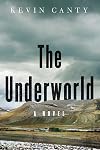
The Underworld by Kevin Canty is a highly recommended novel about a mine fire in a small Idaho town.
Set in 1972 The Underworld is a fictionalized story inspired by a real event. Life in Silverton revolves around the silver mine, hard labor, and heavy drinking. Canty follows a handful of the people whose lives have been irrevocably affected by the mine, even before the disaster. David is a college student who is trying to escape Silverton and life in the mine where his father and brother show more work. Lyle has money in the bank and could retire, but he returns to life in the mine, thinking it will keep him from drinking all day. Ann thinks a baby will improve her marriage, but trips to the fertility clinic haven't helped.
The fire kills 91 men; 80 men survive. With so many lives lost in such a small town, the disaster touches every life in this small town. We are introduced to the characters before the accident and then, afterwards, Canty portrays the grief, trauma, and devastation in the town as these survivors try to deal with the loss of lives brought about by the tragedy. "It’s a tough, hard-working, hard-drinking town, a town of whores and priests and bar fights, but nobody’s tough enough to get through this undamaged." It seems everything is always balanced right on the edge of turning violent. As these characters struggle with their lives, the town itself becomes a character. The amount of drinking to excess is overwhelming.
Canty manages to create these characters and flesh them out, while giving their inner thoughts voice and portraying their grief as they deal with their trauma. A disaster like this in a small town can decimate the town, literally, as people decide if they will stay in town or leave. How can they cope and keep going? Each character makes a different choice. Canty's writing is understated and reserved, but manages to capture the lives of these people in an empathetic yet realistic way.
Disclosure: My review copy was courtesy of W. W. Norton & Company.
on 3/4/17: http://www.shetreadssoftly.com/
https://www.goodreads.com/review/show/1929921234 show less
Set in 1972 The Underworld is a fictionalized story inspired by a real event. Life in Silverton revolves around the silver mine, hard labor, and heavy drinking. Canty follows a handful of the people whose lives have been irrevocably affected by the mine, even before the disaster. David is a college student who is trying to escape Silverton and life in the mine where his father and brother show more work. Lyle has money in the bank and could retire, but he returns to life in the mine, thinking it will keep him from drinking all day. Ann thinks a baby will improve her marriage, but trips to the fertility clinic haven't helped.
The fire kills 91 men; 80 men survive. With so many lives lost in such a small town, the disaster touches every life in this small town. We are introduced to the characters before the accident and then, afterwards, Canty portrays the grief, trauma, and devastation in the town as these survivors try to deal with the loss of lives brought about by the tragedy. "It’s a tough, hard-working, hard-drinking town, a town of whores and priests and bar fights, but nobody’s tough enough to get through this undamaged." It seems everything is always balanced right on the edge of turning violent. As these characters struggle with their lives, the town itself becomes a character. The amount of drinking to excess is overwhelming.
Canty manages to create these characters and flesh them out, while giving their inner thoughts voice and portraying their grief as they deal with their trauma. A disaster like this in a small town can decimate the town, literally, as people decide if they will stay in town or leave. How can they cope and keep going? Each character makes a different choice. Canty's writing is understated and reserved, but manages to capture the lives of these people in an empathetic yet realistic way.
Disclosure: My review copy was courtesy of W. W. Norton & Company.
on 3/4/17: http://www.shetreadssoftly.com/
https://www.goodreads.com/review/show/1929921234 show less
This book snuck up on me. I can't remember how or why I picked it up, but nearly as soon as it began, I was sucked into Canty's characters and prose, pulled along through every passage and every heartbreak, every wondering. The patchwork effect he creates by weaving together the short chapters focused on characters who are so different, and yet so alike, is brilliant, and through simple prose that sifts through the tragedy of a mining disaster, the outcome is masterful. As fiction, it reads show more almost as something which is too real and too close, in his focus on the most irreverent details right alongside the most poignant emotions that manages to make it feel as if you're watching a video back through time, to something which happened--from living room, to church, to tunnel, to bar, to the driver's seat of a car where the reader seems to be riding shotgun with a confused driver, just like they're so often riding shotgun for intimate moments that feel too real, too close.
All told, I'm left wondering why I've never heard of Canty in the past, and anxious to pick up more of his work. In fact, I'm thinking about re-reading this one already.
Absolutely recommended. show less
All told, I'm left wondering why I've never heard of Canty in the past, and anxious to pick up more of his work. In fact, I'm thinking about re-reading this one already.
Absolutely recommended. show less
Why is it so hard to escape the town of our birth? What keeps us from growing into a new life? Are we trapped in brutal, short lives?
In 1972, Silverton, Idaho is in the middle of nowhere, it's only reason for being the silver mine that needs workers. Men are paid well, trading long lives and their health for good money. They work hard, then play hard, frequenting the bar to drink and brawl. They are proud of their toughness.
Silverton is infused with toxins that ruin skin and health.
"There show more was arsenic in the smoke, chromium, cadmium, lead. Part of what it cost to live here...people died here after a while, lung cancer, liver cancer, for a few months the other year everybody seemed to have leukemia."
The women think about leaving their men, and do leave men who can't leave the only life they know. And when someone does break out, like David who is in college, they feel alienated and conflicted, resenting the pampered life of green shady lawns and uncalloused soft hands.
"This was never going to be his life, anyways, these leafy maples that meet overhead, a canopy over the street. Shingled houses with white trim, green lawns, third stories, turrets and arches. In a way, it feels good to let go, stop pretending. This place has its membership and he isn't part of it."
The third year of college is ending when David hears there has been a disaster at the mine. He drives his VW home. His father and his brother work in the mines.
The disaster claims 91 lives. David's brother is one of the dead. The stunned town struggles. Widows drown their sorrows in booze but find there is no haven from regret and grief. Two men are trapped for 14 days, and coming above ground reevaluate their lives. David reconsiders his choice to leave for another life.
This is a story about grief.
"Everything in life can be taken from you in an instant. Any minute. She had known this before. But now she understands it."
"Her friend is dead. But she could only forget it or else think about nothing else, and there is nothing to think, nothing to say. It cannot be undone. It cannot be fixed. It cannot be tolerated...Something breaks inside her, a little thing like a Popsicle stick."
One widow, Ann, who at twenty-two was already weary of her life and childlessness before the accident, now regrets not cherishing her husband more. Ann realizes she had closed the door on so many possibilities when she decided to stay in Silverton and marry. Now she is 'free' to choose again, but the choices seem limited.
Ann goes to a bar seeking a bartender who once seemed interested in her; now he doesn't recognize her and she thinks, "all this just seems so corrupt. A stimulus, a response, a line, a body. People just want to fuck...They see a woman, alone, vulnerable, they move in for the kill. That's how it is. A lonely woman is the devil's playground."
Ann had sung as a schoolgirl and now joins the church choir. She experiences the sense of greater community found in choral singing.
"The third time through the 'Ave Maria' she feels it, that lovely moment in which everything else drops away and she becomes this column of air, supported by the hips, her jaw dropping into the high notes, this physical thing becomes musical, becomes music, and all around her the same thing is happening and they are singing together, almost beautifully."
Ann becomes friends with David's brother's widow Jordan, whose grief plays out in angry and self-destructive behavior. David is drawn to Ann.
Some don't survive the death of their loved one, some try to leave. Ann and David turn to each other in their grief and in their need reach, again, for love. They have been to hell and back. Perhaps they will yet find some comfort in the world.
The Underworld is fiction based on an actual mine disaster. I loved the writing and Canty's moving characters. I look forward to reading more of Canty's work.
I received a free book from the publisher in exchange for a fair and unbiased review. show less
In 1972, Silverton, Idaho is in the middle of nowhere, it's only reason for being the silver mine that needs workers. Men are paid well, trading long lives and their health for good money. They work hard, then play hard, frequenting the bar to drink and brawl. They are proud of their toughness.
Silverton is infused with toxins that ruin skin and health.
"There show more was arsenic in the smoke, chromium, cadmium, lead. Part of what it cost to live here...people died here after a while, lung cancer, liver cancer, for a few months the other year everybody seemed to have leukemia."
The women think about leaving their men, and do leave men who can't leave the only life they know. And when someone does break out, like David who is in college, they feel alienated and conflicted, resenting the pampered life of green shady lawns and uncalloused soft hands.
"This was never going to be his life, anyways, these leafy maples that meet overhead, a canopy over the street. Shingled houses with white trim, green lawns, third stories, turrets and arches. In a way, it feels good to let go, stop pretending. This place has its membership and he isn't part of it."
The third year of college is ending when David hears there has been a disaster at the mine. He drives his VW home. His father and his brother work in the mines.
The disaster claims 91 lives. David's brother is one of the dead. The stunned town struggles. Widows drown their sorrows in booze but find there is no haven from regret and grief. Two men are trapped for 14 days, and coming above ground reevaluate their lives. David reconsiders his choice to leave for another life.
This is a story about grief.
"Everything in life can be taken from you in an instant. Any minute. She had known this before. But now she understands it."
"Her friend is dead. But she could only forget it or else think about nothing else, and there is nothing to think, nothing to say. It cannot be undone. It cannot be fixed. It cannot be tolerated...Something breaks inside her, a little thing like a Popsicle stick."
One widow, Ann, who at twenty-two was already weary of her life and childlessness before the accident, now regrets not cherishing her husband more. Ann realizes she had closed the door on so many possibilities when she decided to stay in Silverton and marry. Now she is 'free' to choose again, but the choices seem limited.
Ann goes to a bar seeking a bartender who once seemed interested in her; now he doesn't recognize her and she thinks, "all this just seems so corrupt. A stimulus, a response, a line, a body. People just want to fuck...They see a woman, alone, vulnerable, they move in for the kill. That's how it is. A lonely woman is the devil's playground."
Ann had sung as a schoolgirl and now joins the church choir. She experiences the sense of greater community found in choral singing.
"The third time through the 'Ave Maria' she feels it, that lovely moment in which everything else drops away and she becomes this column of air, supported by the hips, her jaw dropping into the high notes, this physical thing becomes musical, becomes music, and all around her the same thing is happening and they are singing together, almost beautifully."
Ann becomes friends with David's brother's widow Jordan, whose grief plays out in angry and self-destructive behavior. David is drawn to Ann.
Some don't survive the death of their loved one, some try to leave. Ann and David turn to each other in their grief and in their need reach, again, for love. They have been to hell and back. Perhaps they will yet find some comfort in the world.
The Underworld is fiction based on an actual mine disaster. I loved the writing and Canty's moving characters. I look forward to reading more of Canty's work.
I received a free book from the publisher in exchange for a fair and unbiased review. show less

Kevin Canty’s Everything: A Novel is full of lyric grace and thoughtful questions about who we are, both individually and in community with people we know (or think we know) and love. Maybe I’ve just reached “a certain age,” like several of Canty’s characters; but those characters’ interactions and reflections have a ring of truth, with meaning, significance and understanding (such as it is) developing steadily over the short period of the novel’s action, and with no easy show more answers or quick resolution. The landscape of its setting (primarily Montana) is appealing too. The title (Everything: A Novel) initially seemed difficult to pin down or reconcile with the story, yet it reveals a truth about the scope of the story at hand. Everything: A Novel was quite satisfying as a work of fiction, and I’m doubly interested to look now at some of Canty’s earlier work. show less
 This review was written for LibraryThing Early Reviewers.
Lists
Awards


You May Also Like


Associated Authors
Statistics
- Works
- 15
- Also by
- 11
- Members
- 728
- Popularity
- #34,884
- Rating
- 3.7
- Reviews
- 40
- ISBNs
- 63
- Languages
- 6
- Favorited
- 3
