
Maile Meloy
Author of The Apothecary
About the Author
Maile Meloy was born in Helena, Montana on January 1, 1972. She received a bachelor's degree from Harvard College and an M.F.A. in fiction from the University of California, Irvine. Her works include Liars and Saints, A Family Daughter, and The Apothecary. She has won numerous awards including The show more Paris Review's Aga Khan Prize for Fiction for her story, Aqua Boulevard, in 2001; the PEN/Malamud Award for Half in Love in 2003; and the California Book Awards Silver Medal for Fiction for Both Ways Is the Only Way I Want It. She has also received the Rosenthal Foundation Award from the American Academy of Arts and Letters and a Guggenheim Fellowship in 2004. In 2007, she was chosen as one of Granta's 21 Best Young American Novelists. (Bowker Author Biography) show less
Series
Works by Maile Meloy
La libertà del polpo 1 copy
Associated Works
The Ecco Anthology of Contemporary American Short Fiction (2008) — Contributor — 140 copies, 2 reviews
Eat Joy: Stories and Comfort Food from 31 Celebrated Writers (2019) — Contributor — 84 copies, 3 reviews
The Artists' and Writers' Cookbook: A Collection of Stories with Recipes (2016) — Contributor — 19 copies
Tagged
Common Knowledge
- Birthdate
- 1972-01-01
- Gender
- female
- Education
- University of California, Irvine
Harvard College - Occupations
- fiction writer
- Awards and honors
- PEN/Malamud Award (2003)
Granta's Best Of Young American Novelists (2007) - Relationships
- Meloy, Colin (brother)
- Nationality
- USA
- Birthplace
- Helena, Montana, USA
- Places of residence
- Helena, Montana, USA
Los Angeles, California, USA - Associated Place (for map)
- USA
Members
Reviews
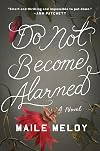
This novel focuses on three families taking a two-week cruise over Christmas from Los Angeles down the coast of Mexico and Central America. Two of the families are American: adults Liv and Nora are close cousins, and Liv proposed the trip to help Nora get over the recent death of her mother. Their children are close as well: Liv and Benjamin are the parents of Sebastian, 8, and Penny, 11. Nora is married to Raymond, and their children are June, 6, and Marcus, aged 11. On board ship, both show more parents and adults befriend an Argentinean family, the parents Gunter and Camila, and kids Hector, 15, and Isabel, 14. The kids are all close enough in age that they hang out together.
Very early into the story, the families go on an excursion - the three men golfing, and the three women and six kids on a zipline adventure. But the van for the zipline trip breaks down, and the kids ends up swimming in a nearby river instead. It happens that the mothers are not paying attention, however, when the kids get swept away by a change in the tide.
The parents enlist local authorities as well as their embassy representatives to try to find their children. There is added pressure to find them fast (if indeed they are still alive) because Sebastian has diabetes: he can’t survive for long without his insulin, which of course he left behind to go in the water.
Liv, the primary narrator, is convinced she has been cursed by fate:
“The karmic bus had mowed her down. She was being punished for living in a false world, spongy and insulated from the reality around her. For living in a house with an alarm system, in a neighborhood where the only Latinos were gardeners and day laborers. For sending her kids to a private school that was almost entirely white in a city that wasn’t.”
In alternate chapters we learn about what is happening with the kids, who fall into the hands of drug dealers after they witness something they should not have. The children are now in graver peril than they had been in the water, and their situation goes downhill fast.
Meanwhile, all the parents are turning on each other, displacing guilt, blame, anger, and frustration. Some nationalist resentment plays a role as well, with Gunther musing:
“He had come to despise the American parents, who thought nothing terrible could happen to them, even in these days of debt and war and warming seas, much of it visited on the world by their own rich, childish country.”
And in fact, Gunther has a point in a meta sense as well. There is an uncomfortable amount of negative stereotyping by the author about the people and events encountered in Latin America by the North American families. Moreover, the North Americans are spared from the worst repercussions of what happened, unlike the South Americans.
As the hours pass, the tension level picks up, and we don’t know until close to the very end who will make it, and who will not, and in what condition if they do survive.
Discussion: In reading this book I was reminded of the complaints in reviews one often sees that pose the question, why is it that primarily people of color or gays or other minorities suffer the worse consequences in movies, tv shows, and books? Along those lines, in this book there were also two side characters- illegal migrants - who mainly seemed to be there not only to add to the "red herring" element but also to hit the rest of the South American stereotype buttons.
The scenes involving the children and drug dealers did not seem to me to be well-written. The dialogue was a bit caricatured (as were the bad guys) and the laconic reactions of the children didn’t seem all that realistic.
In fact, none of the characters were all that fleshed out. We didn’t really know who the American parents were, besides that they were shallow and overly concerned with their self-images. The Argentinean parents were so underdrawn it was almost astounding. In fact, in the critical moment of the book, when the kids go missing, we are only told why the two American moms didn’t see the kids disappear. The Argentinean mom was with them, but what about her? She wasn’t worth talking about, it seems.
Even the bad things that happened are taken more seriously as they applied to the Americans. Benjamin’s self-centered regrets about the trip show no awareness of, or compassion about, the suffering of the Argentineans, who continue to be mostly ignored by the author. Benjamin, feeling unjustly burdened, muses:
“So now they would all have to reenter their life, carrying this beast they’d picked up on vacation: a hulking creature of reproach, grief, fear, guilt, and untoward luck, shaggily cloaked in the world’s lurid interest.”
Overall, to the extent that we got a glimpse into who the characters were, few of them were likable. Who were they before this? We don’t really know, and we aren’t inspired to want to know. The plot and the people in the story mostly seemed to validate the observation of Liv’s mother, a lawyer:
“Civilization, her mother had told her since was small, was a series of agreements about what was good for everyone, enforced by law. And civilization was only a thin veneer over the savagery and greed that were the human default.”
Evaluation: In spite of the parts I disliked about this book, it definitely is a page-turner, and would make a great choice for book clubs, where members would no doubt have lively discussions dissecting the parents’ reactions. show less
Very early into the story, the families go on an excursion - the three men golfing, and the three women and six kids on a zipline adventure. But the van for the zipline trip breaks down, and the kids ends up swimming in a nearby river instead. It happens that the mothers are not paying attention, however, when the kids get swept away by a change in the tide.
The parents enlist local authorities as well as their embassy representatives to try to find their children. There is added pressure to find them fast (if indeed they are still alive) because Sebastian has diabetes: he can’t survive for long without his insulin, which of course he left behind to go in the water.
Liv, the primary narrator, is convinced she has been cursed by fate:
“The karmic bus had mowed her down. She was being punished for living in a false world, spongy and insulated from the reality around her. For living in a house with an alarm system, in a neighborhood where the only Latinos were gardeners and day laborers. For sending her kids to a private school that was almost entirely white in a city that wasn’t.”
In alternate chapters we learn about what is happening with the kids, who fall into the hands of drug dealers after they witness something they should not have. The children are now in graver peril than they had been in the water, and their situation goes downhill fast.
Meanwhile, all the parents are turning on each other, displacing guilt, blame, anger, and frustration. Some nationalist resentment plays a role as well, with Gunther musing:
“He had come to despise the American parents, who thought nothing terrible could happen to them, even in these days of debt and war and warming seas, much of it visited on the world by their own rich, childish country.”
And in fact, Gunther has a point in a meta sense as well. There is an uncomfortable amount of negative stereotyping by the author about the people and events encountered in Latin America by the North American families. Moreover, the North Americans are spared from the worst repercussions of what happened, unlike the South Americans.
As the hours pass, the tension level picks up, and we don’t know until close to the very end who will make it, and who will not, and in what condition if they do survive.
Discussion: In reading this book I was reminded of the complaints in reviews one often sees that pose the question, why is it that primarily people of color or gays or other minorities suffer the worse consequences in movies, tv shows, and books? Along those lines, in this book there were also two side characters- illegal migrants - who mainly seemed to be there not only to add to the "red herring" element but also to hit the rest of the South American stereotype buttons.
The scenes involving the children and drug dealers did not seem to me to be well-written. The dialogue was a bit caricatured (as were the bad guys) and the laconic reactions of the children didn’t seem all that realistic.
In fact, none of the characters were all that fleshed out. We didn’t really know who the American parents were, besides that they were shallow and overly concerned with their self-images. The Argentinean parents were so underdrawn it was almost astounding. In fact, in the critical moment of the book, when the kids go missing, we are only told why the two American moms didn’t see the kids disappear. The Argentinean mom was with them, but what about her? She wasn’t worth talking about, it seems.
Even the bad things that happened are taken more seriously as they applied to the Americans. Benjamin’s self-centered regrets about the trip show no awareness of, or compassion about, the suffering of the Argentineans, who continue to be mostly ignored by the author. Benjamin, feeling unjustly burdened, muses:
“So now they would all have to reenter their life, carrying this beast they’d picked up on vacation: a hulking creature of reproach, grief, fear, guilt, and untoward luck, shaggily cloaked in the world’s lurid interest.”
Overall, to the extent that we got a glimpse into who the characters were, few of them were likable. Who were they before this? We don’t really know, and we aren’t inspired to want to know. The plot and the people in the story mostly seemed to validate the observation of Liv’s mother, a lawyer:
“Civilization, her mother had told her since was small, was a series of agreements about what was good for everyone, enforced by law. And civilization was only a thin veneer over the savagery and greed that were the human default.”
Evaluation: In spite of the parts I disliked about this book, it definitely is a page-turner, and would make a great choice for book clubs, where members would no doubt have lively discussions dissecting the parents’ reactions. show less
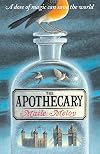
The Apothecary took me by surprise from the very first page. Masterfully crafted, beautifully illustrated, the book takes on an incredible journey with Janie and Benjamin, fourteen year old kids who become embroiled deadly plot involving espionage and the treat of atomic war in the Cold War. It is an unexpectedly delightful read, tackling serious issues such as family, war, loyalty and duty in a new and vivid context.
Janie, our spunky protagonist is forced to move from Los Angeles to the alien London, where she meets the defiant Benjamin Burrows. They quickly become friends, and Janie learns that Benjamin is struggling to outgrow the expectations of his father, who is an apothecary. Benjamin doesn't want to spend his life making potions and dispensing cures, he wants to be a spy. I liked both Janie and Benjamin, they both ring true to me as confused teens who want to find their place in the world. One of my favourite things about these characters is that, as children, they weren't infallible. They recognised when they were in above their heads, and sought out help from adults around them. Although they are the stars of the story, they didn't have unrealistic powers of deduction or instantly figure out how to do things, which I really liked. They also learnt quickly from their mistakes, so that they became more independent over the course of the book.
In the highly suspicious environment on London, Ben believes he has identified a spy for the Soviets, and he brings Janie along to one of his stake-out missions. This is the catalyst for their adventure, with Soviet spies, mysterious Germans and a league of alchemists coming to light. I think it's an interesting and brave decision to set the book right in this time period; the rampant fear of atomic warfare, deep mistrust of Communism and constant vigilance the authorities make for a dark backdrop to this children's adventure. I really like how the author gently and simply put everything into context for readers, and was able to examine the biggest issues of that time period with delicacy, and without ever disrupting the riveting action of the story.
I find the way that magic has been subtly infused into The Apothecary really clever - Benjamin's father the apothecary is also an alchemist, and he introduces Janie and Benjamin to a world where invisibility and shape changing are entirely possible. I enjoyed Benjamin's initial skepticism and scorn - of course matter has to be conserved, so how can people turn into birds without everyone being ostriches? I also love the author's way of dealing with it, translating scientific laws into something magical.
The wonderful illustrations inside the book make it an absolute pleasure to read, and I love the attention to detail that has gone into it.
A well-balanced tale of magic and sleuthing, The Apothecary will be enjoyed by a wide-ranging audience despite it's marketing as a children's book. I enjoyed the heart-racing plot and the believable characters, and am looking forward to reading the sequel, The Apprentices, soon.
A copy of this book was provided by the publisher for review.
You can read more of my reviews at Speculating on SpecFic. show less
"My memories of what happened to me in 1952, when I moved to London fromshow more
Los Angeles with my parents and met Benjamin Burrows for the first time aren't perfect, for reasons I'll explain in this book."
Janie, our spunky protagonist is forced to move from Los Angeles to the alien London, where she meets the defiant Benjamin Burrows. They quickly become friends, and Janie learns that Benjamin is struggling to outgrow the expectations of his father, who is an apothecary. Benjamin doesn't want to spend his life making potions and dispensing cures, he wants to be a spy. I liked both Janie and Benjamin, they both ring true to me as confused teens who want to find their place in the world. One of my favourite things about these characters is that, as children, they weren't infallible. They recognised when they were in above their heads, and sought out help from adults around them. Although they are the stars of the story, they didn't have unrealistic powers of deduction or instantly figure out how to do things, which I really liked. They also learnt quickly from their mistakes, so that they became more independent over the course of the book.
In the highly suspicious environment on London, Ben believes he has identified a spy for the Soviets, and he brings Janie along to one of his stake-out missions. This is the catalyst for their adventure, with Soviet spies, mysterious Germans and a league of alchemists coming to light. I think it's an interesting and brave decision to set the book right in this time period; the rampant fear of atomic warfare, deep mistrust of Communism and constant vigilance the authorities make for a dark backdrop to this children's adventure. I really like how the author gently and simply put everything into context for readers, and was able to examine the biggest issues of that time period with delicacy, and without ever disrupting the riveting action of the story.
I find the way that magic has been subtly infused into The Apothecary really clever - Benjamin's father the apothecary is also an alchemist, and he introduces Janie and Benjamin to a world where invisibility and shape changing are entirely possible. I enjoyed Benjamin's initial skepticism and scorn - of course matter has to be conserved, so how can people turn into birds without everyone being ostriches? I also love the author's way of dealing with it, translating scientific laws into something magical.
The wonderful illustrations inside the book make it an absolute pleasure to read, and I love the attention to detail that has gone into it.
A well-balanced tale of magic and sleuthing, The Apothecary will be enjoyed by a wide-ranging audience despite it's marketing as a children's book. I enjoyed the heart-racing plot and the believable characters, and am looking forward to reading the sequel, The Apprentices, soon.
A copy of this book was provided by the publisher for review.
You can read more of my reviews at Speculating on SpecFic. show less
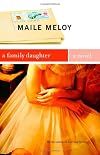
A sign of a good book: You start out warming to the book, but you grow to love the book more and more and more as you go along. That's the case for me with this book. I grew to love the characters so much that I did not want to get to the end. My favorite thing about this book (and, oddly, it's a thing that irritated me at first) is the author's way of telling a story, Hemingway-esque, very objectively, almost like Meloy is looking down on the whole story from above and just telling what she show more sees. What's true and what's made up in a book...this was a fun theme in the book. Abby was a fascinating character, but I also liked her uncle and Margot. I think there are probably a lot of us Margots among us readers.No easy answers, no pat endings...Meloy perfectly reflects the ambiguity of our modern world. Wonderful book. I'm very happy to have read this one. It's definitely one for the reading groups who like to deal with psychological conflict. show less
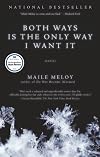
The eleven stories collected here all have something to do with relationships, often frustrated, sometimes unrequited or worse, unwanted. Meloy moves easily between male and female protagonists, sometimes employing child narrators. Although most of the stories appear to be set in Montana, except for perhaps the first, “Travis, B.,” it doesn’t seem as though Montana is integral to the story. Rather, it is usually some aspect of the principal character, heightened by a recent event, that show more establishes the landscape of the story. It is an emotional landscape with wide vistas but also dark mountains and fast-flowing streams.
There are no weak stories here. Meloy knows her craft and chooses wisely. But there are always a few stories that stand out for any particular reader. For me, “Travis, B.,” “Spy vs. Spy,” and “Two-Step” are highlights. But even writing that I’m already thinking of others that I could have chosen. I like the tender, unrequited affection of “Travis, B.” The arch rivalry of “Spy vs. Spy” added a hint of the surreal, perhaps. And “Two-Step” just seemed both mature and sad, the way extra-marital relationships get more tenuous and probably unrealistic as the participants age. There are plenty of insightful observations amongst these tales and enough bon mots to raise a wry smile. Try “Liliana” for unexpected exuberance.
Well worth a read. show less
There are no weak stories here. Meloy knows her craft and chooses wisely. But there are always a few stories that stand out for any particular reader. For me, “Travis, B.,” “Spy vs. Spy,” and “Two-Step” are highlights. But even writing that I’m already thinking of others that I could have chosen. I like the tender, unrequited affection of “Travis, B.” The arch rivalry of “Spy vs. Spy” added a hint of the surreal, perhaps. And “Two-Step” just seemed both mature and sad, the way extra-marital relationships get more tenuous and probably unrealistic as the participants age. There are plenty of insightful observations amongst these tales and enough bon mots to raise a wry smile. Try “Liliana” for unexpected exuberance.
Well worth a read. show less
Lists
Awards


You May Also Like


Associated Authors
Statistics
- Works
- 18
- Also by
- 8
- Members
- 4,790
- Popularity
- #5,241
- Rating
- 3.7
- Reviews
- 241
- ISBNs
- 153
- Languages
- 9
- Favorited
- 7
