
Jean Thompson (1) (1950–)
Author of The Year We Left Home
For other authors named Jean Thompson, see the disambiguation page.
About the Author
Jean Thompson is the author, most recently of Who Do You Love: Stories, a 1999 National Book Award finalist for fiction. A recipient of fellowships from the National Endowment for the Arts and the Guggenheim Foundations, she lives in Urbana, Illinois. (Bowker Author Biography)
Works by Jean Thompson
Associated Works
Tagged
Common Knowledge
Members
Reviews
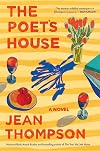
When I started Jean Thompson’s The Poet’s House, I worried it was another dreaded book about an angsty twenty-something trying to find herself…and it is, but in the best way. Having struggled with reading and school her entire life, landscaper Carla finds herself hanging around a group of poets after she falls asleep on Viridian’s porch during a job. Carla realizes Viridian is a famous poet, and she begins to care for the older woman and her friends as she tries to figure out where show more she is in her own life. What Thompson brings to this story that so many writers cannot is her worldly knowledge, and excellent writing that manages to flesh out a lot of characters in a little space, The Poet’s House is an excellent book about writing, poetry, friendship, and the struggle to find yourself at any age. show less
4.5 This book had me at "poet, " and the bright cover didn't hurt either, but what kept me enthralled was the portrayal of the unlikely friendship between Carla and Viridian. Carla is a 20-something somewhat lost soul, doing odd jobs, (currently landscaping), living with her slightly more dependable, settled boyfriend Aaron who works in IT, like so many CA young people. Carla has tried a few different things - her anxious, though supportive, mother has encouraged her to finish junior college show more or try specialized support roles in the medical field, but none of these spark any joy for her. She also dislikes school due to dyslexia which has made any traditional learning an uphill battle. Landscaping is actually an aptitude, and through a job, she meets the poet Viridian at her remote, idyllic house which is a gathering place for other poets and thinkers of a certain age and era (the 60s). Carla becomes their little pet in a way, but she is hungry for knowledge and has become enchanted by poetry after hearing Viridian read it - it speaks to her soul and emerging sense of self in a way nothing else ever has. Viridian is the best kind of mentor - kind and encouraging and trusting. But with a group of artists comes drama and Carla gets drawn in and subsequently pulled away from Aaron who is not really understanding her change in focus. Viridian is old and starting to ail, lacking money, and stubborn about what she could do to solve her issues. She allegedly has the only surviving set of poems from her long-ago lover, Mathias, a raging poet of bluster and spectacle, who killed himself. Selling these (if she has them) could take care of everything. But Viridian has a secret along with the alleged poems. How it comes to light and what it means for all involved becomes the crux of the story, but all along, it is Carla who is stealing the day as the funny, self-aware, tough-talking narrator. Many levels of enjoyment and engagement in this accomplished novel. show less
Imagine The Outsiders. Now Set It In A Poetry Commune. That's largely how I wound up seeing this book. Our main character is a great fish out of water that gets sucked into this world she really has no clue about and finds herself navigating new friendships and controversies along the way, all while trying to understand the enigmatic leader of the group and uncover what this leader is hiding. There is quite a bit of meta commentary here, both generally and in the final reveal of exactly what show more had been happening for all these years, but even that didn't really ascend to "preachy" levels, more just spice to the overall story. Yes, there was quite a bit of humor in this book too, but for me the humor made it more readable without taking away from the overall serious tone I was getting for some reason. But perhaps I'm just weird. (I know I am, but maybe my reactions to this book were particularly weird?) Very much recommended. show less
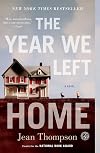
Thompson does an admirable job of bringing the Erickson family of rural Iowa to life in such a way that even though the characters are often unlikable they are also sympathetic. First, there is Anita, who, while still young, got married to a banker and tried to make herself into the perfect stay at home mom without ever giving any thought as to whether that was who she wanted to be. Then, there's Ryan who spends his elder sister's wedding day thinking about how he doesn't what to fit into show more the mold his family has set out for him, marrying, having babies, having a "small" mid-western life. He might escape, but will he like the new him that he discovers? Younger brother Blake is living the life that Ryan dreaded, but it seems to suit him just fine. Little sister Tori, brimming with potential, becomes a target for tragedy and is bound to her childhood home where she tries the dedication of her faithful parents. On the fringes of the Erickson family is cousin Chip who came back from Vietnam damaged and addicted to drugs and lightly deviant behavior.
Thompson tells bits and pieces of their stories in chapters that focus on one character at a time until she's teased out what is essentially a microcosm of the American experience in recent history. There's the guy that came home from Vietnam with his young life turned upside down who could never seem to turn it right again. There's the woman caught on the outer fringes of an era when being the perfect stay-at-home mom and homemaker was expected. She thought she wanted to be that, but maybe it's time that she can be more. There's the guy riding the dot-com bubble to wealth, and discovering that wealth can't deliver what he really needs. These are people living hollow lives, looking for something to fulfill them. They're looking back on older generations in the glow of memory, respecting the work they did to give the current generation the resources and the privilege to go in search of themselves. They miss that sense of hard work and purpose that permeated the lives of their elderly aunt and uncle, but these people can't be satisfied by that kind of life anymore for better and for worse.
As the book wears on, it gets to feeling a little hopeless and sad, but then something changes. The characters find some of what they're looking for in their striving. They might never quite arrive, but they come to an understanding. The Year We Left Home is a slice of life book that is over before it's truly ended, but it's got one of the best last paragraphs I think I've ever read, a paragraph that starts out cryptic but then ties Thompson's whole accomplishment together with respect for the past and hope for the future. This book demands a little extra time and a little extra effort when it comes to empathizing with the characters, but it's got a lot of true things to say about our lives and times in these United States. Well worth a read. show less
Thompson tells bits and pieces of their stories in chapters that focus on one character at a time until she's teased out what is essentially a microcosm of the American experience in recent history. There's the guy that came home from Vietnam with his young life turned upside down who could never seem to turn it right again. There's the woman caught on the outer fringes of an era when being the perfect stay-at-home mom and homemaker was expected. She thought she wanted to be that, but maybe it's time that she can be more. There's the guy riding the dot-com bubble to wealth, and discovering that wealth can't deliver what he really needs. These are people living hollow lives, looking for something to fulfill them. They're looking back on older generations in the glow of memory, respecting the work they did to give the current generation the resources and the privilege to go in search of themselves. They miss that sense of hard work and purpose that permeated the lives of their elderly aunt and uncle, but these people can't be satisfied by that kind of life anymore for better and for worse.
As the book wears on, it gets to feeling a little hopeless and sad, but then something changes. The characters find some of what they're looking for in their striving. They might never quite arrive, but they come to an understanding. The Year We Left Home is a slice of life book that is over before it's truly ended, but it's got one of the best last paragraphs I think I've ever read, a paragraph that starts out cryptic but then ties Thompson's whole accomplishment together with respect for the past and hope for the future. This book demands a little extra time and a little extra effort when it comes to empathizing with the characters, but it's got a lot of true things to say about our lives and times in these United States. Well worth a read. show less
Lists
Awards


You May Also Like


Associated Authors
Statistics
- Works
- 17
- Also by
- 4
- Members
- 1,791
- Popularity
- #14,366
- Rating
- 3.6
- Reviews
- 98
- ISBNs
- 85
- Languages
- 2
