
Jonathan M. Bloom
Author of Islamic Arts
About the Author
Jonathan M. Bloom, Norma Jean Calderwood University Professor of Islamic and Asian Art at Boston College. (Bowker Author Biography)
Works by Jonathan M. Bloom
Gifts of the Sultan: The Arts of Giving at the Islamic Courts (2011) — Contributor — 53 copies, 1 review
Arts of the City Victorious: Islamic Art and Architecture in Fatimid North Africa and Egypt (2008) 47 copies
God Is Beautiful and Loves Beauty: The Object in Islamic Art and Culture (2013) — Editor — 13 copies
Associated Works
Tagged
Common Knowledge
- Legal name
- Bloom, Jonathan Max
- Birthdate
- 1950-04-07
- Gender
- male
- Education
- Harvard University (BA|1972|Ph.D|1980)
University of Michigan (MA|1975) - Occupations
- art historian
professor - Organizations
- Boston College
Virginia Commonwealth University
Harvard University
American Institute for Maghribi Studies
American Research Center in Egypt
College Art Association (show all 16)
Friends of Dard Hunter
Historians of Islamic Art
International Association of Paper Historians
International Center of Medieval Art
Iranian Studies Association
Medieval Academy of America
Middle East Medievalists
Middle East Studies Association
Society of Architectural Historians
Society for Mediterranean Studies - Awards and honors
- Charles Rufus Morey Award (2003)
K.A.C. Creswell Prize (1981) - Relationships
- Blair, Sheila S. (wife)
- Nationality
- USA
- Associated Place (for map)
- USA
Members
Reviews
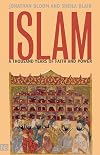
The authors’ expertise, and presumably their passion as well, lie in Islamic art. This book was written to accompany a US television series, and despite its self-described aim as ‘to help Americans – of whatever and even no religion – understand the religion and culture of another place and time’, what it actually does is to provide background, to tell the grand, sweeping narrative of the beginnings, growth and spread of Islam in its first thousand years, with an inevitable show more emphasis on military conquests and defeats, political struggles and religious strife, with a couple of welcome chapters on the flourishing of science and poetry between 750 and 1200 CE. The succession of dynasties and ruling elites – Abbasids, Barmakids, Chaghatayids, Fatimids, Ilkhanids, Mamluks, Mughals, Ottomans, Seljuqs, Umayyads – is as bewildering and at times as dull as the begats of Genesis.
I’m not complaining. In fact I wish I’d read the book 50 years ago as a supplement and antidote to the Eurocentric version of world history I received in my schooling. It’s bracing to read the stories, even in broad outline as here, of people and places that I know mainly as elements of Orientalist decor: Saladin becomes Salah al-Din ibn Ayyub; Marlowe’s Tamberlaine the Great becomes Timur, a Great Mongol conqueror; Samarkand, Timbuktu, Xanadu all existed outside romantic poems and fantasy literature. Many things I have assumed to be creations of Western culture are in fact borrowed from the Islamic world: romantic love I already knew about, but x as a way of representing an unknown in maths was news to me; The Divine Comedy wouldn’t have existed if Dante hadn’t read in translation popular Arabic stories of Muhammad’s mystical journey to heaven.
As well as a list of further reading, this book is blessed with a substantial index.
http://shawjonathan.wordpress.com/2010/01/30/bloom-blairs-islam/ show less
I’m not complaining. In fact I wish I’d read the book 50 years ago as a supplement and antidote to the Eurocentric version of world history I received in my schooling. It’s bracing to read the stories, even in broad outline as here, of people and places that I know mainly as elements of Orientalist decor: Saladin becomes Salah al-Din ibn Ayyub; Marlowe’s Tamberlaine the Great becomes Timur, a Great Mongol conqueror; Samarkand, Timbuktu, Xanadu all existed outside romantic poems and fantasy literature. Many things I have assumed to be creations of Western culture are in fact borrowed from the Islamic world: romantic love I already knew about, but x as a way of representing an unknown in maths was news to me; The Divine Comedy wouldn’t have existed if Dante hadn’t read in translation popular Arabic stories of Muhammad’s mystical journey to heaven.
As well as a list of further reading, this book is blessed with a substantial index.
http://shawjonathan.wordpress.com/2010/01/30/bloom-blairs-islam/ show less
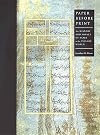
An excellent study on the subject of the origin and early development of paper in the Islamic world. The book is beautifully illustrated and well written.
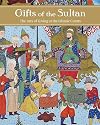
An adventure into the courts of the past, rich in illumimations, intricate in the art of another world
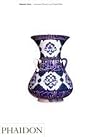
Color photographs of showing architecture, artifacts, relics, etc from 1000 years of Islam from the Prophet Muhammad to the early 7th centuries from different countries.
Lists
Awards


You May Also Like


Associated Authors
Statistics
- Works
- 15
- Also by
- 4
- Members
- 665
- Popularity
- #37,922
- Rating
- 4.0
- Reviews
- 5
- ISBNs
- 27
- Languages
- 2