

Morgan Spurlock (1970–2024)
Author of Don't Eat This Book : Fast Food and the Supersizing of America
About the Author
Image credit: thehullabaloo.org
Works by Morgan Spurlock
Associated Works
Fired! Tales of the Canned, Canceled, Downsized, and Dismissed (2006) — Contributor — 97 copies, 6 reviews
Drive Thru — Actor — 1 copy
Chalk - Real Teaching Leaves a Mark (Video) — Producer — 1 copy
Tagged
Common Knowledge
- Canonical name
- Spurlock, Morgan
- Legal name
- Spurlock, Morgan Valentine
- Birthdate
- 1970-11-07
- Date of death
- 2024-05-23
- Gender
- male
- Education
- New York University (BFA|Film, 1993)
- Occupations
- filmmaker
television producer
screenwriter - Organizations
- Warrior Poets
- Short biography
- Morgan Spurlock and his wife Alexandra, a vegan chef, have one son.
- Cause of death
- cancer (complications of)
- Nationality
- USA
- Birthplace
- Parkersburg, West Virginia, USA
- Places of residence
- Parkersburg, West Virginia, USA (birth)
Beckley, West Virginia, USA
New York, New York, USA - Place of death
- New York, New York, USA
- Associated Place (for map)
- USA
Members
Reviews
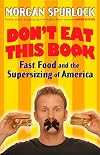
Supersize Me is one of my favorite documentaries, and I watch it every so often as a reminder to veer away from those dangerous yet alluring drive-thrus.
"Don't Eat this Book" is a follow up to the film, as Morgan Spurlock takes us through some of the backlash he experienced from the film (lobbyists, Fox News, restaurateurs), as well as more details he gleaned during his research for the film.
Most damning is how evident the marketing of fast food is aimed at our children - and not just fast show more food, but packaged, processed foods on the supermarket shelves, too. Morgan also bemoans public school lunches, sodas in schools, and the disappearance of the daily Phys-Ed class for students.
The most galling moment to me is when Morgan reveals that McDonalds actually had the balls to open a restaurant right next to Dachau, the German Concentration Camp. Seems like you'd wanna create a little distance there - out of reverence, respect, and common decency. If nothing else, I don't think I'd want my Happy Meal forever linked in memory to genocide. But, there ya go.
This is, above all, a really entertaining book. Morgan's got a great sense of humor - and more than a little ego, but he's charming enough to get by without sounding like an ass. I listened to this as a book on CD and I think it's worth chasing down so you can hear him spin his tales rather than just reading off the page.
I'm surprised Mayor McCheese hasn't issued a hit on this guy. show less
"Don't Eat this Book" is a follow up to the film, as Morgan Spurlock takes us through some of the backlash he experienced from the film (lobbyists, Fox News, restaurateurs), as well as more details he gleaned during his research for the film.
Most damning is how evident the marketing of fast food is aimed at our children - and not just fast show more food, but packaged, processed foods on the supermarket shelves, too. Morgan also bemoans public school lunches, sodas in schools, and the disappearance of the daily Phys-Ed class for students.
The most galling moment to me is when Morgan reveals that McDonalds actually had the balls to open a restaurant right next to Dachau, the German Concentration Camp. Seems like you'd wanna create a little distance there - out of reverence, respect, and common decency. If nothing else, I don't think I'd want my Happy Meal forever linked in memory to genocide. But, there ya go.
This is, above all, a really entertaining book. Morgan's got a great sense of humor - and more than a little ego, but he's charming enough to get by without sounding like an ass. I listened to this as a book on CD and I think it's worth chasing down so you can hear him spin his tales rather than just reading off the page.
I'm surprised Mayor McCheese hasn't issued a hit on this guy. show less
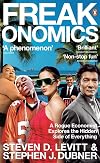
Предполагам, никой от вас не е дотолкова глупав, та да вярва, че това, което говорят по медиите и това, което повечето хора вярват, е всъщност фактическото положение на нещата. Но всички ние имаме определен начин на мислене, приемаме дадени твърдения за факти и някои изводи show more за очевидни, без да си правим труда да помислим върху тях…
Във Freakonomics, икономиста Стивън Левит и журналиста Стивън Дъбнър дават следния пример – вие имате две малки сладки дечица и съседите ви от двете страни имат деца на приблизително същата възраст. Едните съседи имат басейн и вие често пускате вашите деца да ходят на гости, за да се къпят в басейна. Не ги пускате да ходят у другите съседи обаче, защото бащата е бодигард и ловец и има в къщи пистолет и ловна карабина – и вие се страхувате, че децата може някой път да се изплъзнат от вниманието на родителите, да се заиграят с оръжието и да се наранят.
Защото огнестрелното оръжие е опасно, а басейните са безопасни, нали така? Грешка – всяка година в домашни условия 100 деца се самонараняват с оръжие, но над 500 се давят в басейни (в САЩ), при това басейни имат много по-малко хора – съвсем просто изследване на броя нещастни случаи с деца, разделен на броя на домакинствата с огнестрелно оръжие и домакинствата с басейни показва, че има 200 пъти по-голяма опасност детето ви да се удави в басейна, отколкото да се застреля при игра с пушката.
Само че хората не осмислят проблема по този начин – за повечето от нас басейните са всекидневни, слънчеви, приятни и желани – виждаме ги често и ги асоциираме с приятни преживявания. Докато пушките са метални, страшни, миришат странно – повечето хора виждат пушка рядко и я свързват със смърт и опасност.
Същото поведение наблюдавам и аз, когато практикувам две от хобитата си – стрелба с въздушна пушка и с лък. Хората се плашат от пушката и се принуждавам да излизам извън града с нея, но сами пращат децата си да ме молят да пострелят с лъка и нямат нищо против да го правя зад блока. Пушката е въздушна, не е мощна и е изключително точна – шансът да уцеля някого случайно докато стрелям в мишената си и да го нараня е практически нула. Лъкът от своя страна е реплика на 66 паундов прабългарски боен лък – може да пробие човек от 50 метра и не е прецизно точен, така че вероятността за нещастен случай е много по-голяма. Но, както казах, пушките са страшни, метални и по филмите убиват, а лъковете притежават определен забавен и екзотичен образ…
Подобен начин на мислене е съвсем естествен и се среща много често – един пример е страхът от ядрената енергия въпреки, че има повече смъртни случаи от перки, отколкото от избухнали реактори или изтекла радиация, както и страхът от ядреното оръжие, въпреки че то практически не е използвано и само наличието му предотврати Студената война да се превърне в трета световна. Но перките са „екологични“ и обичайни, разбираме как действат, докато ядрената енергия е мистериозна, навява мисли за филми с мутанти и бомби, войни и смърт.
Стивън Левит и Стивън Дъбнър са си поставили за цел да използват икономическия начин на мислене, за да дадат отговори на различни житейски въпроси от други области. Freakonomics не дава безкрайно много информация – само посочва десетина примера на изследвания на Стивън Левит, но те кара да погледнеш с други очи на най-различни проблеми, които ежедневието ти поставя и те кара да се замислиш по-дълбоко за причината нещата да се случват. Freakonomics е книга за любопитния ум, който не приема конвенционалните и общоприети отговори, а търси истината чрез нетрадиционното вглеждане във фактите.
Издадена на български: да – под името Големите измами show less
Във Freakonomics, икономиста Стивън Левит и журналиста Стивън Дъбнър дават следния пример – вие имате две малки сладки дечица и съседите ви от двете страни имат деца на приблизително същата възраст. Едните съседи имат басейн и вие често пускате вашите деца да ходят на гости, за да се къпят в басейна. Не ги пускате да ходят у другите съседи обаче, защото бащата е бодигард и ловец и има в къщи пистолет и ловна карабина – и вие се страхувате, че децата може някой път да се изплъзнат от вниманието на родителите, да се заиграят с оръжието и да се наранят.
Защото огнестрелното оръжие е опасно, а басейните са безопасни, нали така? Грешка – всяка година в домашни условия 100 деца се самонараняват с оръжие, но над 500 се давят в басейни (в САЩ), при това басейни имат много по-малко хора – съвсем просто изследване на броя нещастни случаи с деца, разделен на броя на домакинствата с огнестрелно оръжие и домакинствата с басейни показва, че има 200 пъти по-голяма опасност детето ви да се удави в басейна, отколкото да се застреля при игра с пушката.
Само че хората не осмислят проблема по този начин – за повечето от нас басейните са всекидневни, слънчеви, приятни и желани – виждаме ги често и ги асоциираме с приятни преживявания. Докато пушките са метални, страшни, миришат странно – повечето хора виждат пушка рядко и я свързват със смърт и опасност.
Същото поведение наблюдавам и аз, когато практикувам две от хобитата си – стрелба с въздушна пушка и с лък. Хората се плашат от пушката и се принуждавам да излизам извън града с нея, но сами пращат децата си да ме молят да пострелят с лъка и нямат нищо против да го правя зад блока. Пушката е въздушна, не е мощна и е изключително точна – шансът да уцеля някого случайно докато стрелям в мишената си и да го нараня е практически нула. Лъкът от своя страна е реплика на 66 паундов прабългарски боен лък – може да пробие човек от 50 метра и не е прецизно точен, така че вероятността за нещастен случай е много по-голяма. Но, както казах, пушките са страшни, метални и по филмите убиват, а лъковете притежават определен забавен и екзотичен образ…
Подобен начин на мислене е съвсем естествен и се среща много често – един пример е страхът от ядрената енергия въпреки, че има повече смъртни случаи от перки, отколкото от избухнали реактори или изтекла радиация, както и страхът от ядреното оръжие, въпреки че то практически не е използвано и само наличието му предотврати Студената война да се превърне в трета световна. Но перките са „екологични“ и обичайни, разбираме как действат, докато ядрената енергия е мистериозна, навява мисли за филми с мутанти и бомби, войни и смърт.
Стивън Левит и Стивън Дъбнър са си поставили за цел да използват икономическия начин на мислене, за да дадат отговори на различни житейски въпроси от други области. Freakonomics не дава безкрайно много информация – само посочва десетина примера на изследвания на Стивън Левит, но те кара да погледнеш с други очи на най-различни проблеми, които ежедневието ти поставя и те кара да се замислиш по-дълбоко за причината нещата да се случват. Freakonomics е книга за любопитния ум, който не приема конвенционалните и общоприети отговори, а търси истината чрез нетрадиционното вглеждане във фактите.
Издадена на български: да – под името Големите измами show less
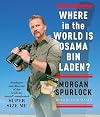
A surprisingly weighty read.
With the tongue-in-cheek goal of tracking down Osama bin Laden, award-winning filmmaker (SUPERSIZE ME, 30 DAYS) and expectant dad Morgan Spurlock travels through the Middle East in search of the FBI’s most wanted terrorist, in this book based on a film of the same name.
Far from serious, the “Where in the World Is Osama bin Laden?” angle serves as the vehicle through which Spurlock examines some pretty weighty issues. Naturally, Spurlock begins with a show more biography of bin Laden, detailing his transformation from trust fund baby to radical Islamic jihadist. He then traces bin Laden’s steps through much of the Middle East, including Morocco, Egypt, Israel, Jordan, Afghanistan, and Pakistan, learning about the man’s life and influence throughout the region in the process. During his quest, Spurlock converses with a variety of people, such as religious and political scholars, government and military personnel, teachers and students, relatives of terrorists and former terrorists, and secularized Saudi youths. Taken together, these voices speak (oftentimes contradictory) volumes about life in the Middle East.
From cover to marketing copy, WHERE IN THE WORLD IS OSAMA BIN LADEN? appears on its face to be a somewhat flippant look at a deadly serious subject, however, this couldn’t be further from the truth: Spurlock’s written a mighty weighty read here. WHERE IN THE WORLD IS OSAMA BIN LADEN? presents an accessible, empathetic and cogent look at the long-running conflict(s) in the Middle East, as well as the U.S.’s changing role in the region. Topics covered run the gamut: the nature of terrorism, religious fundamentalism and fervor, the spread of secularism and attendant clashes with theocracy, past and present Palestinian/Israeli conflicts, how best to “spread” democracy, ethnic and religious intolerance – Spurlock packs quite a bit into only 300 pages.
The author/filmmaker weaves his tale against the backdrop of his impending fatherhood; throughout his travels, for example, Spurlock solicits advice on parenting from his sundry interview subjects. While this grows a little tiresome about halfway through the book, the payoff is well worth it: Papa Spurlock concludes his search for bin Laden, not with the apprehension of the fugitive, but with a tear-jerking call to peace, tolerance and an end to the “othering” of our fellow humans, hopefully beginning/continuing with his own little “Sponge Bob.” (It’d be nice if he’d extend this consideration to non-human animals, especially in light of his baby mama’s veganism – I mean, WTF is up with eating foie gras in front of your pregnant vegan girlfriend, dude!? – but hey, you can’t win ‘em all!) Spurlock knocks not just Islamophobia among Westerners, but also anti-Westernism, anti-Semitism and misogyny amongst religious fundamentalists in the Middle East.
My only real complaint is that Spurlock’s trademark smartass humor – which I found so charming in SUPERSIZE ME and DON’T EAT THIS BOOK – falls a little flat in WHERE IN THE WORLD IS OSAMA BIN LADEN?. It’s hard to pinpoint why, exactly; I’m not sure the weightiness of the subject quite explains it, as SUPERSIZE ME’s material is just as heavy (pun intended). Perhaps it’s because, in cracking jokes in war-torn countries, Spurlock sometimes comes off as a caricature of that obnoxious Yankee that bin Laden & Co. have so successfully traded on.
Even so, WHERE IN THE WORLD IS OSAMA BIN LADEN? is an entertaining, moving and delightfully informative read – and much more hopeful in tone and feeling than similar books about “The War on Terra,” to boot.
http://www.easyvegan.info/2009/04/23/where-in-the-world-is-osama-bin-laden-by-mo... show less
With the tongue-in-cheek goal of tracking down Osama bin Laden, award-winning filmmaker (SUPERSIZE ME, 30 DAYS) and expectant dad Morgan Spurlock travels through the Middle East in search of the FBI’s most wanted terrorist, in this book based on a film of the same name.
Far from serious, the “Where in the World Is Osama bin Laden?” angle serves as the vehicle through which Spurlock examines some pretty weighty issues. Naturally, Spurlock begins with a show more biography of bin Laden, detailing his transformation from trust fund baby to radical Islamic jihadist. He then traces bin Laden’s steps through much of the Middle East, including Morocco, Egypt, Israel, Jordan, Afghanistan, and Pakistan, learning about the man’s life and influence throughout the region in the process. During his quest, Spurlock converses with a variety of people, such as religious and political scholars, government and military personnel, teachers and students, relatives of terrorists and former terrorists, and secularized Saudi youths. Taken together, these voices speak (oftentimes contradictory) volumes about life in the Middle East.
From cover to marketing copy, WHERE IN THE WORLD IS OSAMA BIN LADEN? appears on its face to be a somewhat flippant look at a deadly serious subject, however, this couldn’t be further from the truth: Spurlock’s written a mighty weighty read here. WHERE IN THE WORLD IS OSAMA BIN LADEN? presents an accessible, empathetic and cogent look at the long-running conflict(s) in the Middle East, as well as the U.S.’s changing role in the region. Topics covered run the gamut: the nature of terrorism, religious fundamentalism and fervor, the spread of secularism and attendant clashes with theocracy, past and present Palestinian/Israeli conflicts, how best to “spread” democracy, ethnic and religious intolerance – Spurlock packs quite a bit into only 300 pages.
The author/filmmaker weaves his tale against the backdrop of his impending fatherhood; throughout his travels, for example, Spurlock solicits advice on parenting from his sundry interview subjects. While this grows a little tiresome about halfway through the book, the payoff is well worth it: Papa Spurlock concludes his search for bin Laden, not with the apprehension of the fugitive, but with a tear-jerking call to peace, tolerance and an end to the “othering” of our fellow humans, hopefully beginning/continuing with his own little “Sponge Bob.” (It’d be nice if he’d extend this consideration to non-human animals, especially in light of his baby mama’s veganism – I mean, WTF is up with eating foie gras in front of your pregnant vegan girlfriend, dude!? – but hey, you can’t win ‘em all!) Spurlock knocks not just Islamophobia among Westerners, but also anti-Westernism, anti-Semitism and misogyny amongst religious fundamentalists in the Middle East.
My only real complaint is that Spurlock’s trademark smartass humor – which I found so charming in SUPERSIZE ME and DON’T EAT THIS BOOK – falls a little flat in WHERE IN THE WORLD IS OSAMA BIN LADEN?. It’s hard to pinpoint why, exactly; I’m not sure the weightiness of the subject quite explains it, as SUPERSIZE ME’s material is just as heavy (pun intended). Perhaps it’s because, in cracking jokes in war-torn countries, Spurlock sometimes comes off as a caricature of that obnoxious Yankee that bin Laden & Co. have so successfully traded on.
Even so, WHERE IN THE WORLD IS OSAMA BIN LADEN? is an entertaining, moving and delightfully informative read – and much more hopeful in tone and feeling than similar books about “The War on Terra,” to boot.
http://www.easyvegan.info/2009/04/23/where-in-the-world-is-osama-bin-laden-by-mo... show less
The author takes on the American fast food industry, most specifically MacDonald’s, to show how American fast food is proliferating throughout the United States and the world. This is resulting in increasing numbers of people to suffer from obesity, diabetes, heart problems, liver disorders, and even death due to poor diet choices based heavily on a fast food diet.
The book is fun to read, but can be horrifying at times. Some of the facts and figures might even cause you indigestion! The show more author, to prove his point, goes on a one-month “MacDonald’s food only” diet. The results of his experiment are rather distressing.
I agree that fast food is not one of the better diet choices, but to name one corporation solely responsible for the ills of the entire world is generalization. It stands to reason that freshly prepared food that is locally grown and free of additives, pesticides, and genetic modification is what keeps people healthy. In my opinion, what is happening with McDonald’s is what is happening with most large corporations throughout the world. The motivation behind these now global corporations is money and profit. An intelligent person should think about what food he needs and whom he is willing to pay for what he wants. He then needs to think about what nutritional value he is paying for. Cheapest and fastest is not necessarily the best.
This book is a very good start to getting people to think about this serious matter. The author’s friendly, down-to-earth manner of addressing his target audience does get its attention. I especially like the last few chapters in which the author gives positive steps that people can take to improve their health by being more selective in the foods they buy and eat and how they can influence the food choices of others. show less
The book is fun to read, but can be horrifying at times. Some of the facts and figures might even cause you indigestion! The show more author, to prove his point, goes on a one-month “MacDonald’s food only” diet. The results of his experiment are rather distressing.
I agree that fast food is not one of the better diet choices, but to name one corporation solely responsible for the ills of the entire world is generalization. It stands to reason that freshly prepared food that is locally grown and free of additives, pesticides, and genetic modification is what keeps people healthy. In my opinion, what is happening with McDonald’s is what is happening with most large corporations throughout the world. The motivation behind these now global corporations is money and profit. An intelligent person should think about what food he needs and whom he is willing to pay for what he wants. He then needs to think about what nutritional value he is paying for. Cheapest and fastest is not necessarily the best.
This book is a very good start to getting people to think about this serious matter. The author’s friendly, down-to-earth manner of addressing his target audience does get its attention. I especially like the last few chapters in which the author gives positive steps that people can take to improve their health by being more selective in the foods they buy and eat and how they can influence the food choices of others. show less
Lists
You May Also Like


Associated Authors
Statistics
- Works
- 17
- Also by
- 3
- Members
- 1,073
- Popularity
- #23,963
- Rating
- 3.6
- Reviews
- 39
- ISBNs
- 52
- Languages
- 6