
Series
Works by Ben Raines
Associated Works
Heart of a Patriot: How I Found the Courage to Survive Vietnam, Walter Reed and Karl Rove (2009) — Author — 50 copies, 2 reviews
Tagged
Common Knowledge
- Gender
- male
Members
Reviews
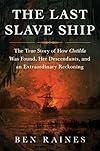
The Last Slave Ship: The True Story of How Clotilda Was Found, Her Descendants, and an Extraordinary Reckoning by Ben Raines
An amazing story, well told
I would recommend this to anyone, white or Black, because this is all our story. And as Faulkner once wrote, the past isn't past. These people's stories will enrage you and break your heart but they are so well-written that it's as much a page-turner as a good novel. You won't be able to put it down and you will want to keep learning more. And if you're white, you will be renewed in your determination to apologize and make amends.
I would recommend this to anyone, white or Black, because this is all our story. And as Faulkner once wrote, the past isn't past. These people's stories will enrage you and break your heart but they are so well-written that it's as much a page-turner as a good novel. You won't be able to put it down and you will want to keep learning more. And if you're white, you will be renewed in your determination to apologize and make amends.
The last slave ship : the true story of how Clotilda was found, her descendants, and an extraordinary reckoning by Ben Raines
A fascinating audiobook of 4.5 to 5 stars. Though a bit slow at times, it is a dramatic story that all Americans should know about but don’t. I certainly didn’t.
The importation of African slaves was outlawed in 1808 but that didn’t stop some slave traffickers from sneaking more in. This slave ship transported captives from Benin in Africa to Mobile, Alabama, in 1960, not long before emancipation. Unlike most other imported Africans, they kept their culture, language, names, foods, and show more dancing. After emancipation, they built a self-sustaining community on the outskirts of Mobile called Africatown.
The community was slowly poisoned by the adjacent toxic industries, such as a paper mill, that rained down toxic ash, destroying the health of many residents. Although the main character, the young man Cudjo, lived to his 90s.
Unfortunately, their African roots became a source of shame, even among African-Americans who looked down on them. The next generations lost their African culture and language.
There were no pictures in this audiobook. I referred to Google Maps for the locations in Alabama and Benin.
This book should be in all American classrooms. However, it gives African Americans something to be proud of, so it will probably be banned.
Highly recommended! show less
The importation of African slaves was outlawed in 1808 but that didn’t stop some slave traffickers from sneaking more in. This slave ship transported captives from Benin in Africa to Mobile, Alabama, in 1960, not long before emancipation. Unlike most other imported Africans, they kept their culture, language, names, foods, and show more dancing. After emancipation, they built a self-sustaining community on the outskirts of Mobile called Africatown.
The community was slowly poisoned by the adjacent toxic industries, such as a paper mill, that rained down toxic ash, destroying the health of many residents. Although the main character, the young man Cudjo, lived to his 90s.
Unfortunately, their African roots became a source of shame, even among African-Americans who looked down on them. The next generations lost their African culture and language.
There were no pictures in this audiobook. I referred to Google Maps for the locations in Alabama and Benin.
This book should be in all American classrooms. However, it gives African Americans something to be proud of, so it will probably be banned.
Highly recommended! show less
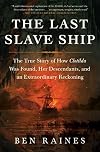
The Last Slave Ship: The True Story of How Clotilda Was Found, Her Descendants, and an Extraordinary Reckoning by Ben Raines
This book closely follows the life of Cudjo Lewis, the last surviving slave captured, transported and enslaved, from Benin, Africa. His life, his ambitions, trials, successes and tragedies, along with his memories of others on the Clotilda, is explored. The atmosphere that existed then, the abuses and racism, ostracism and murder, even after slavery was abolished, is brought to the light of day. In the book “Barracoon”, Nora Neale Hurston also immortalizes Cudjo, a man brought against show more his will to America, with so many others. Each yearned to return to Africa, but knew it would be impossible. They were all captured and sold by other African tribes, then their villages were destroyed. The cost to return and start again was impossibly prohibitive and entirely unfeasible.
Purchased by Timothy Meaher, to work his plantation, they were trapped and helpless. He got away with his crimes against humanity, even though they were acknowledged. After the the slaves were freed, the Clotilda slaves started Africatown, a thriving, self-sufficient community with schools, businesses and happy residents. Progress, if you can call it that, eventually destroyed the town, with the help of the Meahers, who, fearful of prosecution for their crimes had tried to destroy the evidence, first by burning the Clotilda and later, sinking the remains. Eventually, the Meaher sons were responsible for bulldozing the town to make way for change and continue to hide their past crimes.
Helping to destroy Africatown, was a road that divided it, a train that traversed it, and the exodus of its young, because it offered no future, but while the town died, the terrible journey for the Clotilda survivors lives on as it is exposed and remembered on these pages, by Ben Raines, and it cannot be erased from the pages of history.
Importing slaves from Africa was illegal, but Meaher, a wealthy, powerful Alabaman, still commissioned a crew and ship to bring human cargo from Africa, to his home in Alabama, to work on his plantation. He was very much a believer in, and a supporter of slavery. The Clotilda was the last known slave ship, and this book follows the course of its journey and the victims of its crimes. It clearly defines and illustrates the heinous and blemished history of that time.
The narrative uses the language of the slaves, in the voice of Cudjo, which lends authenticity to the descriptive terms that are used, even using terms we consider slurs today, that were frequently used then. It might feel offensive to some readers.. show less
Purchased by Timothy Meaher, to work his plantation, they were trapped and helpless. He got away with his crimes against humanity, even though they were acknowledged. After the the slaves were freed, the Clotilda slaves started Africatown, a thriving, self-sufficient community with schools, businesses and happy residents. Progress, if you can call it that, eventually destroyed the town, with the help of the Meahers, who, fearful of prosecution for their crimes had tried to destroy the evidence, first by burning the Clotilda and later, sinking the remains. Eventually, the Meaher sons were responsible for bulldozing the town to make way for change and continue to hide their past crimes.
Helping to destroy Africatown, was a road that divided it, a train that traversed it, and the exodus of its young, because it offered no future, but while the town died, the terrible journey for the Clotilda survivors lives on as it is exposed and remembered on these pages, by Ben Raines, and it cannot be erased from the pages of history.
Importing slaves from Africa was illegal, but Meaher, a wealthy, powerful Alabaman, still commissioned a crew and ship to bring human cargo from Africa, to his home in Alabama, to work on his plantation. He was very much a believer in, and a supporter of slavery. The Clotilda was the last known slave ship, and this book follows the course of its journey and the victims of its crimes. It clearly defines and illustrates the heinous and blemished history of that time.
The narrative uses the language of the slaves, in the voice of Cudjo, which lends authenticity to the descriptive terms that are used, even using terms we consider slurs today, that were frequently used then. It might feel offensive to some readers.. show less
The Last Slave Ship: The True Story of How Clotilda Was Found, Her Descendants, and an Extraordinary Reckoning by Ben Raines
This book covers the vast history of the defendants of the Africans enslaved on the Clotilda ship. Although this book pitches itself as a historical mystery (and it is) I would add that at its heart it’s about people and the ramifications of such a traumatic history. Raines ends with hope and reconciliation without brushing over or underreporting the hardships, atrocities, and discrimination that Clotilda’s survivors and ancestors experience(d).
Awards


You May Also Like


Associated Authors
Statistics
- Works
- 7
- Also by
- 1
- Members
- 276
- Popularity
- #84,077
- Rating
- 4.0
- Reviews
- 7
- ISBNs
- 11