
Zora Neale Hurston (1891–1960)
Author of Their Eyes Were Watching God
About the Author
Zora Neale Hurston was born in 1901 in Eatonville, Fla. She left home at the age of 17, finished high school in Baltimore, and went on to study at Howard University, Barnard College, and Columbia University before becoming one of the most prolific writers in the Harlem Renaissance. Her works show more included novels, essays, plays, and studies in folklore and anthropology. Her most productive years were the 1930s and early 1940s. It was during those years that she wrote her autobiography Dust Tracks on a Road, worked with the Federal Writers Project in Florida, received a Guggenheim fellowship, and wrote four novels. She is most remembered for her novel Their Eyes Were Watching God, published in 1937. In 2018, her previously unpublished work, Barracoon: The Story of the Last Black Cargo, was published. She died penniless and in obscurity in 1960 and was buried in an unmarked grave. In 1973, her grave was rediscovered and marked and her novels and autobiography have since been reprinted. (Bowker Author Biography) show less
Works by Zora Neale Hurston
Hitting a Straight Lick with a Crooked Stick: Stories from the Harlem Renaissance (2020) 491 copies, 11 reviews
I Love Myself When I Am Laughing And Then Again When I Am Looking Mean & Impressive (1979) 473 copies, 1 review
Zora Neale Hurston: Folklore, Memoirs, and Other Writings (Library of America) (1995) 395 copies, 4 reviews
Go Gator and Muddy the Water: Writings From the Federal Writers' Project (1999) 102 copies, 1 review
A Teacher's Guide to Their Eyes Were Watching God: Common-Core Aligned Teacher Materials and a Sample Chapter (2014) 10 copies
An Introduction to Their Eyes Were Watching God (The Big Read) National Endowment For The Arts (2008) 6 copies
Polk County 3 copies
Their Eyes Were Watching God American Classics Edition: A Novel (HarperCollins American Classics) 2 copies
Baraka 2 copies
Hoodoo in America (Conjurations) 2 copies
The Temple of My Familiar 2 copies
The House That Jack Built 1 copy
Hurston Zora Neale 1 copy
Spunk & Sweat - Two Short Stories;Including the Introductory Essay 'A Brief History of the Harlem Renaissance' (2022) 1 copy
Spears 1 copy
Meet the Mamma 1 copy
The Complete Stories by Hurston, Zora Neale. (Harper Perennial Modern Classics,2008) [Paperback] 1 copy
Hurston, Zora Neal Archive 1 copy
The First One 1 copy
Bahamas 1 copy
Mr. Frog 1 copy
Railroad Camp 1 copy
Jook 1 copy
The Sermon in the Valley 1 copy
Woofing 1 copy
Lawing and Jawing 1 copy
Forty Yards 1 copy
The Fiery Chariot 1 copy
Lenox Avenue 1 copy
Heaven 1 copy
Cock Robin 1 copy
Filling Station 1 copy
Associated Works
Literature: An Introduction to Fiction, Poetry, and Drama (1995) — Contributor, some editions — 1,017 copies, 7 reviews
Written by Herself, Volume I: Autobiographies of American Women (1992) — Contributor — 453 copies, 6 reviews
Sisters of the Earth: Women's Prose and Poetry About Nature (1991) — Contributor — 443 copies, 5 reviews
The Norton Anthology of African American Literature {2nd edition} (2003) — Contributor, some editions — 283 copies, 2 reviews
The Best Short Stories by Black Writers, 1899-1967: The Classic Anthology (1967) — Contributor — 201 copies, 1 review
Daughters of Africa: An International Anthology of Words and Writings by Women of African Descent from the Ancient Egyptian to the Present (1992) — Contributor — 188 copies
The Graphic Canon, Vol. 3: From Heart of Darkness to Hemingway to Infinite Jest (2013) — Contributor — 162 copies, 1 review
Black on White: Black Writers on What It Means to Be White (1998) — Contributor — 129 copies, 2 reviews
Writing Women's Lives: An Anthology of Autobiographical Narratives by Twentieth-Century American Women Writers (1994) — Contributor — 128 copies, 3 reviews
The Glorious American Essay: One Hundred Essays from Colonial Times to the Present (2020) — Contributor — 119 copies
Calling the Wind: Twentieth Century African-American Short Stories (1992) — Contributor — 116 copies
Writing New York: A Literary Anthology (Expanded 10th-Anniversary Edition) (2008) — Contributor — 102 copies, 1 review
The Sweet Breathing of Plants: Women Writing on the Green World (2001) — Contributor — 101 copies, 1 review
Black Ink: Literary Legends on the Peril, Power, and Pleasure of Reading and Writing (2018) — Contributor — 95 copies
Grand Mothers: Poems, Reminiscences, and Short Stories About the Keepers of Our Traditions (1994) — Contributor — 89 copies
On Girlhood: 15 Stories from the Well-Read Black Girl Library (2021) — Contributor — 84 copies, 1 review
Bearing Witness: Selections from African-American Autobiography in the Twentieth Century (1991) — Contributor — 74 copies
The Heath Anthology of American Literature, Concise Edition (2003) — Contributor — 74 copies, 1 review
Revolutionary Tales: African American Women's Short Stories, from the First Story to the Present (1995) — Contributor — 54 copies
Women in the Trees: U.S. Women's Short Stories About Battering and Resistance, 1839-1994 (1996) — Contributor — 45 copies
Best of The Oxford American: Ten Years from the Southern Magazine of Good Writing {anthology} (2002) — Contributor — 45 copies
Black Female Playwrights: An Anthology of Plays before 1950 (Blacks in the Diaspora) (1989) — Contributor — 44 copies
Weird Women: Volume 2: 1840-1925: Classic Supernatural Fiction by Groundbreaking Female Writers (2021) — Contributor — 38 copies
Centers of the Self: Stories by Black American Women, from the Nineteenth Century to the Present (1994) — Contributor — 31 copies
The Unforgetting Heart: An Anthology of Short Stories by African American Women, 1859-1993 (1993) — Contributor — 22 copies
The Roots of African American Drama: An Anthology of Early Plays, 1858-1938 (African American Life Series) (1990) — Contributor — 6 copies
Tell It to Us Easy and Other Stories: A Complete Short Fiction Anthology of African American Women Writers in Opportunity Magazine 1923-1948 (2008) — Contributor — 5 copies
Story in America, 1933-1934: Thirty-Four Selections from the American Issues of "Story," the Magazine Devoted Solely to the Short Story (1934) — Contributor — 3 copies
New World Journal #5 — Contributor — 1 copy
The Ethnic Image in Modern American Literature, 1900-1950, Volumes 1-2 (1984) — Contributor — 1 copy
The Netzahualcoyotl News, Volume 1, Number 1 — Contributor — 1 copy
Tagged
Common Knowledge
- Canonical name
- Hurston, Zora Neale
- Legal name
- Hurston, Zora Neale Lee
- Other names
- HURSTON, Zora NEALE
HURSTON, Zora NEALE Lee
NEALE HURSTON, Zora
HURSTON, Zora - Birthdate
- 1891-01-07
- Date of death
- 1960-01-28
- Gender
- female
- Education
- Morgan Academy (1918)
Howard University (1920)
Barnard College (BA|Anthropology|1927)
Columbia University - Occupations
- novelist
short story writer
playwright
essayist
folklorist
teacher (show all 9)
anthropologist
freelance writer
maid - Organizations
- American Folklore Society
American Anthropological Society
American Ethnological Society
Zeta Phi Beta
Bethune-Cookman University
Paramount Studios (writer) (show all 12)
Patrick Air Force Base (librarian)
Fort Pierce Chronicle
Lincoln Park Academy (teacher)
Library of Congress (librarian)
North Carolina Central University (professor)
WPA - Awards and honors
- Zeta Phi Beta
Guggenheim Fellowship (1937)
Bethune-Cookman College Award for Education and Human Relations (1956)
Zora Neale Hurston Festival of the Arts and Humanities - Agent
- Ann Watkins
Jean Parker Waterbury - Relationships
- Hurston, Lucy (niece)
Boas, Franz (teacher)
Rawlings, Marjorie Kinnan (friend) - Short biography
- See Hurston's biography in the online Encyclopedia of Alabama.
- Cause of death
- hypertensive heart disease
- Nationality
- USA
- Birthplace
- Notasulga, Alabama, USA
- Places of residence
- Notasulga, Alabama, USA
Eatonville, Florida, USA
Westfield, New Jersey, USA
Fort Pierce, Florida, USA
New York, New York, USA
Eau Gallie, Florida, USA (show all 8)
Jamaica
Haiti - Place of death
- Fort Pierce, Florida, USA
- Burial location
- Garden of Heavenly Rest Cemetery, Fort Pierce, Florida, USA
- Associated Place (for map)
- Florida, USA
Members
Discussions
Happy Birthday, Zora Neale Hurston in Book talk (January 7)
February Group Read: Their Eyes Were Watching God in 2015 Category Challenge (March 2015)
Reviews
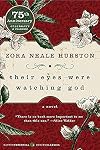
First sentence: Ships at a distance have every man’s wish on board. For some they come in with the tide. For others they sail forever on the horizon, never out of sight, never landing until the Watcher turns his eyes away in resignation, his dreams mocked to death by Time. That is the life of men.
Now women forget all those things they don’t want to remember, and remember everything they don’t want to forget. The dream is the truth. Then they act and do things accordingly.
ETA: I've show more read this one so many times. I just absolutely love this one. I believe this is my third time to review it for the blog???? I will say that the more times I read it, the more complex I find it. Teacake and Janie's relationship is *SO* complex. On the one hand, as a reader, I see the abusive nature of it at times. He even takes pride in his ability to "beat" his wife, his woman, Janie. The fact that he's proud that she's publicly seen with bruises visible all over her--is disgusting and revolting. The narration--the narrative--takes this so matter-of-factly. It wasn't DANGER, DANGER, DANGER. No, it was that's just facts. Men beat women they love, end of story. In particular, the narrative points out that while white men oppress black men, black men oppress black women. Almost like a coping mechanism. It is heartbreaking as a reader to see. On the other hand, this is the only relationship [romantic, sexual] relationship in the novel where Janie has agency, has voice. Her first two relationships she had no agency, no voice, no choice. Teacake and Janie were more equals. Janie absolutely loved him heart-soul-body. She didn't really "love" or even like or respect her first two husbands. So contemporary readers have to contemplate was this relationship good? healthy? abusive? bad? Hurston's characters are so human, so flawed. There are no simple answers.
Original review:
I've read Their Eyes Were Watching God a handful of times now. (I first read it in college.) This book by Zora Neale Hurston is just beautiful and compelling. Every time I reread it I'm reminded just how beautiful and how compelling. I never quite forget, mind you. But every time I pick the book up, I'm swept into the story and experience it all over again. (The best kind of book to reread!)
Janie is the heroine of Their Eyes Were Watching God. There is a framework to the story that allows the reader to come full circle with Janie. Readers first see Janie through an outsider perspective, a gossiping group.
So the beginning of this was a woman and she had come back from burying the dead... The people all saw her come because it was sundown. The sun was gone, but he had left his footprints in the sky. It was the time for sitting on porches beside the road. It was time to hear things and talk. These sitters had been tongueless, earless, eyeless conveniences all day long. Mules and other brutes had occupied their skins. But now, the sun and the bossman were gone, so the skins felt powerful and human. They became lords of sounds and lesser things. They passed nations through their mouths. They sat in judgment. (1)
One from the group is Janie's best friend, Pheoby, she leaves the group after a few pages, and goes to her friend bringing a much welcomed plate of food. Then, together, they talk. Janie tells her friend her story--her whole story--framing things just so, explaining and justifying as need arises. It's honest and emotional.
Janie saw her life like a great tree in leaf with the things suffered, things enjoyed, things done and undone. Dawn and doom was in the branches. (8)
To keep it short: Janie was raised by her grandmother; when she came of age (16 or so), her grandma arranged a marriage for Janie to an older man; when that marriage failed to bloom in love and happiness, Janie is swept off her feet by a traveler passing by; she leaves her first husband and is married to a second; the two settle in Florida and are influential founders of the black community; after the third husband dies, Janie finally, finally, finally falls in love, but, is Tea Cake the love of her life perfectly perfect?! Of course not! Pheoby knew her when she was married to the second husband, when she was Janie Stark. Now, she's come back to that community without Tea Cake, and everyone wants to know EVERYTHING that has happened in the past two years.
Favorite quotes:
'Dat's you, Alphabet, don't you know yo' ownself?' (9)
Oh to be a pear tree--any tree in bloom! With kissing bees singing of the beginning of the world! She was sixteen. She had glossy leaves and bursting buds and she wanted to struggle with life but it seemed to elude her. Where were the singing bees for her? Nothing on the place nor in her grandma's house answered her. She searched as much of the world as she could from the top of the front steps and then went on down to the front gate and leaned over to gaze up and down the road. Looking, waiting, breathing short with impatience. Waiting for the world to be made. (11)
Janie's first dream was dead, so she became a woman. (25)
Her old thoughts were going to come in handy now, but new words would have to be made and said to fit them. (32)
It must have been the way Joe spoke out without giving her a chance to say anything one way or another that took the bloom off of things. (43)
Every morning the world flung itself over and exposed the twon to the sun. (51)
Janie stood where he left her for unmeasured time and thought. She stood there until something fell off the shelf inside her. Then she went inside there to see what it was. It was her image of Jody tumbled down and shattered. But looking at it she saw that it never was the flesh and blood figure of her dreams. Just something she had grabbed up to drape her dreams over. In a way she turned her back upon the image where it lay and looked further. She had no more blossomy openings dusting pollen over her man, neither any glistening young fruit where the petals used to be. She found that she had a host of thoughts she had never expressed to him, and numerous emotions she had never let Jody know about. Things packed up and put away in parts of her heart where he could never fidn them. She was saving up feelings for some man she had never seen. She had an inside and an outside now and suddenly she knew how not to mix them. (72)
All next day in the house and store she thought resisting thoughts about Tea Cake. She even ridiculed him in her mind and was a little ashamed of the association. But every hour or two the battle had to be fought all over again. She couldn't make him look just like any other man to her. He looked like the love thoughts of women. He could be a bee to a blossom--a pear tree blossom in the spring. He seemed to be crushing scent out of the world with his footsteps. Crushing aromatic herbs with every step he took. Spices hung about him. He was a glance from God. (106)
The wind came back with triple fury, and put out the light for the last time. They sat in company with the other in other shanties, their eyes straining against crude walls and their souls asking if He meant to measure their puny might against His. They seemed to be staring at the dark, but their eyes were watching God. (160)
No hour is ever eternity, but it has its right to weep. (184)
Have you read Their Eyes Were Watching God? What did you think? show less
Now women forget all those things they don’t want to remember, and remember everything they don’t want to forget. The dream is the truth. Then they act and do things accordingly.
ETA: I've show more read this one so many times. I just absolutely love this one. I believe this is my third time to review it for the blog???? I will say that the more times I read it, the more complex I find it. Teacake and Janie's relationship is *SO* complex. On the one hand, as a reader, I see the abusive nature of it at times. He even takes pride in his ability to "beat" his wife, his woman, Janie. The fact that he's proud that she's publicly seen with bruises visible all over her--is disgusting and revolting. The narration--the narrative--takes this so matter-of-factly. It wasn't DANGER, DANGER, DANGER. No, it was that's just facts. Men beat women they love, end of story. In particular, the narrative points out that while white men oppress black men, black men oppress black women. Almost like a coping mechanism. It is heartbreaking as a reader to see. On the other hand, this is the only relationship [romantic, sexual] relationship in the novel where Janie has agency, has voice. Her first two relationships she had no agency, no voice, no choice. Teacake and Janie were more equals. Janie absolutely loved him heart-soul-body. She didn't really "love" or even like or respect her first two husbands. So contemporary readers have to contemplate was this relationship good? healthy? abusive? bad? Hurston's characters are so human, so flawed. There are no simple answers.
Original review:
I've read Their Eyes Were Watching God a handful of times now. (I first read it in college.) This book by Zora Neale Hurston is just beautiful and compelling. Every time I reread it I'm reminded just how beautiful and how compelling. I never quite forget, mind you. But every time I pick the book up, I'm swept into the story and experience it all over again. (The best kind of book to reread!)
Janie is the heroine of Their Eyes Were Watching God. There is a framework to the story that allows the reader to come full circle with Janie. Readers first see Janie through an outsider perspective, a gossiping group.
So the beginning of this was a woman and she had come back from burying the dead... The people all saw her come because it was sundown. The sun was gone, but he had left his footprints in the sky. It was the time for sitting on porches beside the road. It was time to hear things and talk. These sitters had been tongueless, earless, eyeless conveniences all day long. Mules and other brutes had occupied their skins. But now, the sun and the bossman were gone, so the skins felt powerful and human. They became lords of sounds and lesser things. They passed nations through their mouths. They sat in judgment. (1)
One from the group is Janie's best friend, Pheoby, she leaves the group after a few pages, and goes to her friend bringing a much welcomed plate of food. Then, together, they talk. Janie tells her friend her story--her whole story--framing things just so, explaining and justifying as need arises. It's honest and emotional.
Janie saw her life like a great tree in leaf with the things suffered, things enjoyed, things done and undone. Dawn and doom was in the branches. (8)
To keep it short: Janie was raised by her grandmother; when she came of age (16 or so), her grandma arranged a marriage for Janie to an older man; when that marriage failed to bloom in love and happiness, Janie is swept off her feet by a traveler passing by; she leaves her first husband and is married to a second; the two settle in Florida and are influential founders of the black community; after the third husband dies, Janie finally, finally, finally falls in love, but, is Tea Cake the love of her life perfectly perfect?! Of course not! Pheoby knew her when she was married to the second husband, when she was Janie Stark. Now, she's come back to that community without Tea Cake, and everyone wants to know EVERYTHING that has happened in the past two years.
Favorite quotes:
'Dat's you, Alphabet, don't you know yo' ownself?' (9)
Oh to be a pear tree--any tree in bloom! With kissing bees singing of the beginning of the world! She was sixteen. She had glossy leaves and bursting buds and she wanted to struggle with life but it seemed to elude her. Where were the singing bees for her? Nothing on the place nor in her grandma's house answered her. She searched as much of the world as she could from the top of the front steps and then went on down to the front gate and leaned over to gaze up and down the road. Looking, waiting, breathing short with impatience. Waiting for the world to be made. (11)
Janie's first dream was dead, so she became a woman. (25)
Her old thoughts were going to come in handy now, but new words would have to be made and said to fit them. (32)
It must have been the way Joe spoke out without giving her a chance to say anything one way or another that took the bloom off of things. (43)
Every morning the world flung itself over and exposed the twon to the sun. (51)
Janie stood where he left her for unmeasured time and thought. She stood there until something fell off the shelf inside her. Then she went inside there to see what it was. It was her image of Jody tumbled down and shattered. But looking at it she saw that it never was the flesh and blood figure of her dreams. Just something she had grabbed up to drape her dreams over. In a way she turned her back upon the image where it lay and looked further. She had no more blossomy openings dusting pollen over her man, neither any glistening young fruit where the petals used to be. She found that she had a host of thoughts she had never expressed to him, and numerous emotions she had never let Jody know about. Things packed up and put away in parts of her heart where he could never fidn them. She was saving up feelings for some man she had never seen. She had an inside and an outside now and suddenly she knew how not to mix them. (72)
All next day in the house and store she thought resisting thoughts about Tea Cake. She even ridiculed him in her mind and was a little ashamed of the association. But every hour or two the battle had to be fought all over again. She couldn't make him look just like any other man to her. He looked like the love thoughts of women. He could be a bee to a blossom--a pear tree blossom in the spring. He seemed to be crushing scent out of the world with his footsteps. Crushing aromatic herbs with every step he took. Spices hung about him. He was a glance from God. (106)
The wind came back with triple fury, and put out the light for the last time. They sat in company with the other in other shanties, their eyes straining against crude walls and their souls asking if He meant to measure their puny might against His. They seemed to be staring at the dark, but their eyes were watching God. (160)
No hour is ever eternity, but it has its right to weep. (184)
Have you read Their Eyes Were Watching God? What did you think? show less
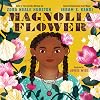
Scholar Kendi adapts a short story published by Hurston in the Spokesman in 1925.
The Mighty River tells the whimsical, mischievous Brook the story of Bentley, who flees slavery for a Florida forest where Black and Native people live free together as Maroons. Bentley marries Swift Deer, a Cherokee woman who escaped the Trail of Tears, and they have a daughter named Magnolia Flower, who “came at the time of the flowers opening.” When the Civil War ends, Magnolia falls in love with John, a show more Black man whom Bentley dislikes because he is poor. Bentley locks John up in their house to keep him away from Magnolia, but one night, Magnolia frees John and escapes with him by boat, making the Mighty River a part of their story. The tale comes full circle when Magnolia and John return 47 years later to reflect on and affirm their love. Deeply committed to sharing Hurston’s writing with young readers, Kendi writes in his author’s note about the elements of Black folklore in the story, such as making nature a speaking character. And, as he stresses in a historical note, the tale is a powerful example of Black and Native resistance—an aspect of history that far too often goes undiscussed. Wise’s earth-toned, opalescent illustrations make the trees, water, and flowers feel just as key to the tale as the humans. The excellent marriage between lyrical text and stunning visuals makes for a moving, memorable story. (This book was reviewed digitally.)
An artfully rendered tale of life and love that also conveys an essential but often overlooked chapter in U.S. history. (Picture book. 5-10) show less
The Mighty River tells the whimsical, mischievous Brook the story of Bentley, who flees slavery for a Florida forest where Black and Native people live free together as Maroons. Bentley marries Swift Deer, a Cherokee woman who escaped the Trail of Tears, and they have a daughter named Magnolia Flower, who “came at the time of the flowers opening.” When the Civil War ends, Magnolia falls in love with John, a show more Black man whom Bentley dislikes because he is poor. Bentley locks John up in their house to keep him away from Magnolia, but one night, Magnolia frees John and escapes with him by boat, making the Mighty River a part of their story. The tale comes full circle when Magnolia and John return 47 years later to reflect on and affirm their love. Deeply committed to sharing Hurston’s writing with young readers, Kendi writes in his author’s note about the elements of Black folklore in the story, such as making nature a speaking character. And, as he stresses in a historical note, the tale is a powerful example of Black and Native resistance—an aspect of history that far too often goes undiscussed. Wise’s earth-toned, opalescent illustrations make the trees, water, and flowers feel just as key to the tale as the humans. The excellent marriage between lyrical text and stunning visuals makes for a moving, memorable story. (This book was reviewed digitally.)
An artfully rendered tale of life and love that also conveys an essential but often overlooked chapter in U.S. history. (Picture book. 5-10) show less
After reading just one paragraph, just one sentence of Their Eyes Were Watching God, I was immediately under the spell of Hurston's gorgeous and skillful writing. Reading just those few sentences made me wonder why I ever waste my time reading anything less majestic. Here it is:
"Ships at a distance have every man's wish on board. For some they come in with the tide. For others they sail forever on the horizon, never out of sight, never landing until the Watcher turns his eyes away in show more resignation, his dreams mocked to death by Time. That is the life of men.
"Now, women forget all those things they don't want to remember, and remember everything they don't want to forget. The dream is the truth. Then they act and do things accordingly" (pg. 1).
Their Eyes Were Watching God is about an African American woman named Janie living in Florida in the early 20th century. As a teenager, Janie lives with her grandmother and dreams of beauty, love, and nature:
"Janie had spent most of the day under a blossoming pear tree in the back-yard. She had been spending every minute that she could steal from her chores under that tree for the last three days. That was to say, every since the first tiny bloom had opened. It had called her to come and gaze on a mystery. From barren brown stems to glistening leaf-buds; from the leaf-buds to snowy virginity of bloom. It stirred her tremendously. How? Why? It was like a flute song forgotten in another existence and remembered again. What? How? Why? This singing she heard that had nothing to do with her ears. The rose of the world was breathing out smell. It followed her through all her waking moments and caressed her in her sleep. It connected itself with other vaguely felt matters that had struck her outside observation and buried themselves in her flesh. Now they emerged and quested about her consciousness." (pg. 10-11).
Janie must grow up quickly, however, when her grandmother finds her a husband. Janie has opinions, oh yes she does, and good ideas, but her new husband doesn't care to hear them. She doesn't love him: "She knew now that marriage did not make love. Janie's first dream was dead, so she became a woman" (pg. 25).
The first chance she gets, Janie runs away with another man - a sharp-dressed stranger who promises adventure and new experiences in a "town all outa colored folks" (pg. 28) called Eatonville farther south in Florida. Joe Starks catches Janie's interest because "he spoke for far horizon. He spoke for change and chance" (pg. 29).
Janie becomes the wife of the mayor and richest man in town, but in exchange she has to learn to keep quiet and do as she's told. It's no life for the smart and spirited Janie, but she lives it for years until her husband dies.
When Janie finally insists on living the life she's always wanted, she learns everything she's been missing about love, freedom, happiness, and even grief. Her adventures take her from Jacksonville, FL, down to the Everglades.
One fascinating and significant aspect of the novel is it's emphasis on oral history. Janie, having returned to Eatonville, tells her friend Pheoby her life story:
"'If they wants to see and know, why they don't come kiss and be kissed? Ah could then sit down and tell 'em things. Ah been a delegate to de big 'ssociation of life. Yessuh! De Grand Lodge, de big convention of livin' is just where Ah been dis year and a half y'all ain't seen me.'
"They sat there in the fresh young darkness close together. Phoeby eager to feel and do through Janie, but hating to show her zest for fear it might be thought mere curiosity. Janie full of that oldest human longing - self revelation" (pg. 6-7).
Her initial aim is to explain to Pheoby where she's been and what she's been doing, but she soon realizes that "'tain't no use in me telling you somethin' unless Ah give you de understandin' to go 'long wit it. Unless you see de fur, a mink skin ain't no different from a coon hide" (pg. 7). So she starts the story from the beginning. Oral histories are, of course, very important culturally for the African American community. As slaves, most didn't know how to read or write, so they told stories and sang songs. Janie's story becomes part of that tradition.
Their Eyes Were Watching God is a masterpiece on many levels. It is a masterpiece of African American literature. It's a masterpiece of women's literature. It's a mixture of poetry and dialect. It's a novel about marriage and independence. It's a novel about love and money. It's a novel about self-sacrifice and self-fulfillment. Above all, it's a novel about men and women making their way through life.
I can't recommend Zora Neale Hurston's Their Eyes Were Watching God enough. Novels don't get much better than this. show less
"Ships at a distance have every man's wish on board. For some they come in with the tide. For others they sail forever on the horizon, never out of sight, never landing until the Watcher turns his eyes away in show more resignation, his dreams mocked to death by Time. That is the life of men.
"Now, women forget all those things they don't want to remember, and remember everything they don't want to forget. The dream is the truth. Then they act and do things accordingly" (pg. 1).
Their Eyes Were Watching God is about an African American woman named Janie living in Florida in the early 20th century. As a teenager, Janie lives with her grandmother and dreams of beauty, love, and nature:
"Janie had spent most of the day under a blossoming pear tree in the back-yard. She had been spending every minute that she could steal from her chores under that tree for the last three days. That was to say, every since the first tiny bloom had opened. It had called her to come and gaze on a mystery. From barren brown stems to glistening leaf-buds; from the leaf-buds to snowy virginity of bloom. It stirred her tremendously. How? Why? It was like a flute song forgotten in another existence and remembered again. What? How? Why? This singing she heard that had nothing to do with her ears. The rose of the world was breathing out smell. It followed her through all her waking moments and caressed her in her sleep. It connected itself with other vaguely felt matters that had struck her outside observation and buried themselves in her flesh. Now they emerged and quested about her consciousness." (pg. 10-11).
Janie must grow up quickly, however, when her grandmother finds her a husband. Janie has opinions, oh yes she does, and good ideas, but her new husband doesn't care to hear them. She doesn't love him: "She knew now that marriage did not make love. Janie's first dream was dead, so she became a woman" (pg. 25).
The first chance she gets, Janie runs away with another man - a sharp-dressed stranger who promises adventure and new experiences in a "town all outa colored folks" (pg. 28) called Eatonville farther south in Florida. Joe Starks catches Janie's interest because "he spoke for far horizon. He spoke for change and chance" (pg. 29).
Janie becomes the wife of the mayor and richest man in town, but in exchange she has to learn to keep quiet and do as she's told. It's no life for the smart and spirited Janie, but she lives it for years until her husband dies.
When Janie finally insists on living the life she's always wanted, she learns everything she's been missing about love, freedom, happiness, and even grief. Her adventures take her from Jacksonville, FL, down to the Everglades.
One fascinating and significant aspect of the novel is it's emphasis on oral history. Janie, having returned to Eatonville, tells her friend Pheoby her life story:
"'If they wants to see and know, why they don't come kiss and be kissed? Ah could then sit down and tell 'em things. Ah been a delegate to de big 'ssociation of life. Yessuh! De Grand Lodge, de big convention of livin' is just where Ah been dis year and a half y'all ain't seen me.'
"They sat there in the fresh young darkness close together. Phoeby eager to feel and do through Janie, but hating to show her zest for fear it might be thought mere curiosity. Janie full of that oldest human longing - self revelation" (pg. 6-7).
Her initial aim is to explain to Pheoby where she's been and what she's been doing, but she soon realizes that "'tain't no use in me telling you somethin' unless Ah give you de understandin' to go 'long wit it. Unless you see de fur, a mink skin ain't no different from a coon hide" (pg. 7). So she starts the story from the beginning. Oral histories are, of course, very important culturally for the African American community. As slaves, most didn't know how to read or write, so they told stories and sang songs. Janie's story becomes part of that tradition.
Their Eyes Were Watching God is a masterpiece on many levels. It is a masterpiece of African American literature. It's a masterpiece of women's literature. It's a mixture of poetry and dialect. It's a novel about marriage and independence. It's a novel about love and money. It's a novel about self-sacrifice and self-fulfillment. Above all, it's a novel about men and women making their way through life.
I can't recommend Zora Neale Hurston's Their Eyes Were Watching God enough. Novels don't get much better than this. show less
[I listened to the audiobook version narrated by Ruby Dee]
Phenomenal.
I'm not sure if it was the fact that I listened instead of reading it, but Ruby Dee's touch to the characterization of each person in this story made it. Without it, I doubt I would have enjoyed it as much. It is a period piece come to life, with all of its colors. Listening to this book was like listening to a grandmother tell her story on a small porch while sipping lemonade or iced tea. There are rough parts, there are show more happy parts, and in the end, she is (somehow) right there in front of you, and you now know how she, your magnificent grandmother, got there.
I can't say if this is a must read, but I can promise that it is a must-listen. show less
Phenomenal.
I'm not sure if it was the fact that I listened instead of reading it, but Ruby Dee's touch to the characterization of each person in this story made it. Without it, I doubt I would have enjoyed it as much. It is a period piece come to life, with all of its colors. Listening to this book was like listening to a grandmother tell her story on a small porch while sipping lemonade or iced tea. There are rough parts, there are show more happy parts, and in the end, she is (somehow) right there in front of you, and you now know how she, your magnificent grandmother, got there.
I can't say if this is a must read, but I can promise that it is a must-listen. show less
Lists
Literary Witches (4)
Best First Lines (1)
. (1)
Short and Sweet (1)
USA Road Trip (1)
Hurricane Books (1)
el (1)
bound (1)
Schwob Nederland (1)
Women's Stories (1)
top 100 (1)
Five star books (1)
psychological (1)
Tall tales (1)
Best Audiobooks (1)
Unread books (1)
current (1)
Books Read 2026 (1)
ethnic history (1)
Overdue Podcast (1)
The Zora Canon (3)
To Read (1)
Female Author (1)
. (1)
Youth: BLM (1)
Zora Canon (3)
AP Lit (2)
Southern Fiction (1)
Books I've Read (1)
1930s (1)
Epic Fiction (1)
Read (1)
Black Authors (1)
Sonlight Books (1)
A Novel Cure (1)
Read These Too (1)
VBL Picturebooks (1)
Tagged Storms (1)
Favourite Books (1)
Fiction: BLM (1)
Awards


You May Also Like


Associated Authors
Statistics
- Works
- 112
- Also by
- 81
- Members
- 34,857
- Popularity
- #543
- Rating
- 4.0
- Reviews
- 613
- ISBNs
- 373
- Languages
- 13
- Favorited
- 101


