
A. E. Hotchner (1920–2020)
Author of Papa Hemingway
About the Author
A. E. Hotchner is a dramatist, novelist, screenwriter, and biographer
Works by A. E. Hotchner
Shameless Exploitation in Pursuit of the Common Good: The Madcap Business Adventure by the Truly Oddest Couple (2003) 184 copies, 5 reviews
Paul and Me: Fifty-three Years of Adventures and Misadventures with My Pal Paul Newman (2010) 75 copies, 4 reviews
The Boyhood Memoirs of A. E. Hotchner: King of the Hill and Looking for Miracles (2007) 33 copies, 2 reviews
O.J. in the Morning, G&T at Night: Spirited Dispatches on Aging with Joie de Vivre (2013) 14 copies, 1 review
Hemingway in Love 1 copy
Hemingway: et son univers — Author — 1 copy
Associated Works
Newman's Own Cookbook: A Veritable Cornucopia of Recipes, Food Talk, Trivia, and Newman's Pearls of Wisdom (1985) — Author — 222 copies
Writers on Writing, 2: More Collected Essays from the New York Times (2003) — Contributor — 202 copies, 3 reviews
Reader's Digest Condensed Books 1994 v02: Without Remorse / The Old House at Railes / Decider / King of the Hill (1994) 56 copies
Hole in the Wall Gang Cookbook: Kid-Friendly Recipes for Families to Make Together (1998) — Author — 41 copies
Reader's Digest Condensed Books 1982 v02: Alone Against the Atlantic / A Green Desire / Going Wild / The Man Who Lived at the Ritz (1982) — Author — 37 copies
Det Bästas bokval, vol. 186 3 copies
Looking For Miracles [1989 film] — Original novel — 1 copy
Tagged
Common Knowledge
- Canonical name
- Hotchner, A. E.
- Legal name
- Hotchner, Aaron Edward
- Birthdate
- 1920-06-28
- Date of death
- 2020-02-15
- Gender
- male
- Education
- Washington University
- Occupations
- lawyer
journalist
entrepreneur
screenwriter
author - Organizations
- United States Air Force
Newman's Own - Relationships
- Salinger, J. D. (friend)
Hemingway, Ernest (friend) - Short biography
- Born in St. Louis, Aaron Edward Hotchner grew up in the Westgate Hotel at Delmar and Kingshighway, and attended Soldan High School. A 1941 Washington University Law School graduate, he served as a military journalist before becoming a successful editor, novelist, playwright and biographer. Respected for giving all profits from a joint venture with actor Paul Newman to charities and the arts, Hotchner is best known for Papa Hemingway, his biography of close friend Ernest Hemingway. King of the Hill, A. E. Hotchner's evocative novel about growing up in St. Louis during the Great Depression, was captured on film in 1993.
- Nationality
- USA
- Places of residence
- St. Louis, Missouri, USA
Westport, Connecticut, USA - Associated Place (for map)
- USA
Members
Reviews
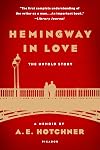
I'm not sure exactly why I continue to read about Ernest Hemingway. He truly was a despicable man. Always searching, never resting. Restlessly jumping from one woman to another. Always, always having another in wait before he left the current one.
This is written by his friend of 13 years, who it seems was enthralled by the man named Hemingway. The book begins at a time in Ernest's life when he was suicidal and severely depressed. Hotchner found him in a psychiatric ward. This would be the show more final time of conversations and would conclude a saga that started a long time ago. It now became finished as Hemingway committed suicide three weeks after leaving the hospital.
This primarily focuses on Hemingway's first marriage to a young woman named Elizabeth Hadley Richardson. She was shy; he was vivaciously extroverted. Married in 1921, they lived in Paris while Ernest found his footing as a great American author. At that time, there were many other writers living in Paris, and they formed quite an amazing group that included Scott and Zelda Fitzgerald and Ezra Pound.
While in Paris living on the fringes of they rich and famous, they were poor, Ernest thrived in this group of hedonistic authors. His first of three sons, nicknamed Bumby, was born there.
Candidly, Hemingway told Hochfield of his gamble of loving two women at once. Never looking at this from the women's perspective and what they endured, Hemingway lamented about how sad it was that he could not keep both women and that Hadley had enough, and made an ultimatum, giving Hemingway 100 days for them to remain apart. He was told he had to choose after abstinence from both.
Boldly carrying on an affair with friend of Hadley and paramour of Ernest, Pauline Pfeiffer, came from wealth. Wearing fancy clothes and spending frivolously, Ernest was exceedingly drawn to her. Longing for both, poor Ernest portrayed himself as quite a victim of the difficulty of loving two lovely ladies....They had two sons, Patrick and Gregory.
Hadley grew weary of the drama and before the end of the 100 days, told Ernest she wanted a divorce. His marriage to Pauline was not a long-term event.
Ernest, through the end of his life, often stated that he made a huge mistake in betraying Hadley. Claiming Hadley was the love of his life, he selfishly could not understand why she remarried.
In Paris, years later, after two more wives, he ran into Hadley. Happily married, she was not to be swayed or impressed by Ernest's lamentations. show less
This is written by his friend of 13 years, who it seems was enthralled by the man named Hemingway. The book begins at a time in Ernest's life when he was suicidal and severely depressed. Hotchner found him in a psychiatric ward. This would be the show more final time of conversations and would conclude a saga that started a long time ago. It now became finished as Hemingway committed suicide three weeks after leaving the hospital.
This primarily focuses on Hemingway's first marriage to a young woman named Elizabeth Hadley Richardson. She was shy; he was vivaciously extroverted. Married in 1921, they lived in Paris while Ernest found his footing as a great American author. At that time, there were many other writers living in Paris, and they formed quite an amazing group that included Scott and Zelda Fitzgerald and Ezra Pound.
While in Paris living on the fringes of they rich and famous, they were poor, Ernest thrived in this group of hedonistic authors. His first of three sons, nicknamed Bumby, was born there.
Candidly, Hemingway told Hochfield of his gamble of loving two women at once. Never looking at this from the women's perspective and what they endured, Hemingway lamented about how sad it was that he could not keep both women and that Hadley had enough, and made an ultimatum, giving Hemingway 100 days for them to remain apart. He was told he had to choose after abstinence from both.
Boldly carrying on an affair with friend of Hadley and paramour of Ernest, Pauline Pfeiffer, came from wealth. Wearing fancy clothes and spending frivolously, Ernest was exceedingly drawn to her. Longing for both, poor Ernest portrayed himself as quite a victim of the difficulty of loving two lovely ladies....They had two sons, Patrick and Gregory.
Hadley grew weary of the drama and before the end of the 100 days, told Ernest she wanted a divorce. His marriage to Pauline was not a long-term event.
Ernest, through the end of his life, often stated that he made a huge mistake in betraying Hadley. Claiming Hadley was the love of his life, he selfishly could not understand why she remarried.
In Paris, years later, after two more wives, he ran into Hadley. Happily married, she was not to be swayed or impressed by Ernest's lamentations. show less
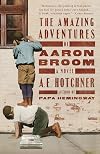
Aaron is right outside when a jewelry store robbery goes awry, resulting in murder. Although Aaron sees the real culprit bolt from the scene, Aaron's father is the one the cops come and take to jail. It'll be up to the "detectifying" of an almost-thirteen-year-old boy to prove his father's innocence in The Amazing Adventures of Aaron Broom by author A. E. Hotchner.
Now. I should tell some of you, don't be fooled by the young protagonist and the lads on the vintage book cover and think this is show more a children's book or something. Readers from Aaron's age to the age of the author—who's around a hundred years old—are bound to enjoy this tale.
An old-fashioned historical mystery it is, steeped in its Depression-era St. Louis setting, but it's not driving hard to be super-mystery-ish the entire time. During the first quarter, it kind of reminded me of reading one of those slice-of-life classics my teachers would've assigned back in school.
Then, gradually and all of a sudden, I was all in. Aaron is such a mix of maturity and innocence, of inexperience, sharp wits, and relevant, real-deal principles. (You ought to hear this kid talk about his soul.) He narrates in a distinct, blunt voice, saying what's on his mind as it comes to him, and he's also funny without necessarily trying to be.
I'd be having a bit of a laugh, and then, just like that, Aaron, his memories, and his next "happening" would break my heart. Then warm my heart. Then get my heart all pumped, like, "Yeah, you tell 'em, kid! You show 'em! Get it, Aaron!"
I suspected I'd find this novel delightful and entertaining, but I didn't expect all the substance, poignancy, and hope that comes along with it. I also didn't expect to have tears in my eyes twice or thrice, including at the end of the story, but, well. That happened. show less
Now. I should tell some of you, don't be fooled by the young protagonist and the lads on the vintage book cover and think this is show more a children's book or something. Readers from Aaron's age to the age of the author—who's around a hundred years old—are bound to enjoy this tale.
An old-fashioned historical mystery it is, steeped in its Depression-era St. Louis setting, but it's not driving hard to be super-mystery-ish the entire time. During the first quarter, it kind of reminded me of reading one of those slice-of-life classics my teachers would've assigned back in school.
Then, gradually and all of a sudden, I was all in. Aaron is such a mix of maturity and innocence, of inexperience, sharp wits, and relevant, real-deal principles. (You ought to hear this kid talk about his soul.) He narrates in a distinct, blunt voice, saying what's on his mind as it comes to him, and he's also funny without necessarily trying to be.
I'd be having a bit of a laugh, and then, just like that, Aaron, his memories, and his next "happening" would break my heart. Then warm my heart. Then get my heart all pumped, like, "Yeah, you tell 'em, kid! You show 'em! Get it, Aaron!"
I suspected I'd find this novel delightful and entertaining, but I didn't expect all the substance, poignancy, and hope that comes along with it. I also didn't expect to have tears in my eyes twice or thrice, including at the end of the story, but, well. That happened. show less
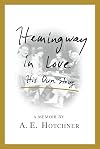
This one feels off and gives the impression that A.E. Hotchner''s publisher & editor went back to the well to try to cash in on the recent popularity of Hemingway spousal related publications e.g. The Paris Wife, Paris Without End: The True Story of Hemingway's First Wife, Mrs. Hemingway, Unbelievable Happiness and Final Sorrow: The Hemingway-Pfeiffer Marriage etc. and films e.g. "Papa", "Hemingway and Gellhorn", "Midnight in Paris" etc.
The editor seems to have constructed this from show more Hotchner's notes for 1966's Papa Hemingway and expanded it with material from other sources (probably some of those listed above) in order to build a story of Hemingway supposedly telling Hotchner the story of his simultaneous love of Hadley Richardson and Pauline Pfeiffer and the supposed 100 days of separation that first wife Hadley Richardson imposed on the Hemingway/Pfeiffer relationship before she would grant a divorce. This is presented as if Hemingway told Hotchner the story over the course of their 13 years of friendship.
On the way to present a more dramatic story, various incidents or facts seem to be invented and these "wrong notes" are what put me off this book. I'm picking these up as a self-admitted Hemingway nut, and an actual Hemingway scholar would probably pick up even more of them. A few examples of what I mean:
- Hemingway and Picasso meet during the supposed 100 days (which would have been from late Sept. 1926 to end of Dec. 1926) and then go to a party at Gertrude Stein's apartment where they proceed to argue about the way that author portrayed then in The Autobiography of Alice B. Toklas, a book that wasn't even published until 1933.
- several times it is mentioned that Hemingway's fishing boat "Pilar" was bought with Gus Pfeiffer's (Pauline Pfeiffer's uncle) money whereas Hemingway was inordinately proud of buying the boat with his own money earned or advance by Scribner's and Esquire Magazine.
- Hemingway's voice only occasionally sounds authentic here, although quote marks are used throughout as if his speech was being quoted verbatim. For instance, I would expect a "mano a mano" conversation between Hemingway and Hotchner to have much rougher language, but the speech here seems all cleaned up and romanticized. The only off-colour word I remember was "shitmaru" which is a Hotchnerism from Dear Papa, Dear Hotch: The Correspondence of Ernest Hemingway & A.E. Hotchner
Anyway, maybe that seems thin to some, but I remember those without even going back to look them up. If I took notes while reading I'm sure there would be several more specifics but the overall impression would still be the same. I'll be interested to read what a Hemingway authority review of this would be.
So, this is probably a 4 rating as a dramatic fiction (which is what its average rating seems to be) but I only give it a 2 due to deception. show less
The editor seems to have constructed this from show more Hotchner's notes for 1966's Papa Hemingway and expanded it with material from other sources (probably some of those listed above) in order to build a story of Hemingway supposedly telling Hotchner the story of his simultaneous love of Hadley Richardson and Pauline Pfeiffer and the supposed 100 days of separation that first wife Hadley Richardson imposed on the Hemingway/Pfeiffer relationship before she would grant a divorce. This is presented as if Hemingway told Hotchner the story over the course of their 13 years of friendship.
On the way to present a more dramatic story, various incidents or facts seem to be invented and these "wrong notes" are what put me off this book. I'm picking these up as a self-admitted Hemingway nut, and an actual Hemingway scholar would probably pick up even more of them. A few examples of what I mean:
- Hemingway and Picasso meet during the supposed 100 days (which would have been from late Sept. 1926 to end of Dec. 1926) and then go to a party at Gertrude Stein's apartment where they proceed to argue about the way that author portrayed then in The Autobiography of Alice B. Toklas, a book that wasn't even published until 1933.
- several times it is mentioned that Hemingway's fishing boat "Pilar" was bought with Gus Pfeiffer's (Pauline Pfeiffer's uncle) money whereas Hemingway was inordinately proud of buying the boat with his own money earned or advance by Scribner's and Esquire Magazine.
- Hemingway's voice only occasionally sounds authentic here, although quote marks are used throughout as if his speech was being quoted verbatim. For instance, I would expect a "mano a mano" conversation between Hemingway and Hotchner to have much rougher language, but the speech here seems all cleaned up and romanticized. The only off-colour word I remember was "shitmaru" which is a Hotchnerism from Dear Papa, Dear Hotch: The Correspondence of Ernest Hemingway & A.E. Hotchner
Anyway, maybe that seems thin to some, but I remember those without even going back to look them up. If I took notes while reading I'm sure there would be several more specifics but the overall impression would still be the same. I'll be interested to read what a Hemingway authority review of this would be.
So, this is probably a 4 rating as a dramatic fiction (which is what its average rating seems to be) but I only give it a 2 due to deception. show less
O.J. in the Morning, G&T at Night: Spirited Dispatches on Aging with Joie de Vivre by A. E. Hotchner
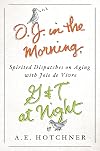
OJ in the Morning is a breath of fresh air. It is a focused, comprehensive and totally delightful collection of short pieces on the minefield of being older. Hotchner writes with the energy of a first timer, but he’s far from it, not to mention being 92.
The book is evenly paced, constantly amusing, and ever insightful and incisive. Everyone will have someone or something to relate to and laugh at in this book. Its appeal is universal, but its focus is the “mature”.
The collection show more consists of 23 standalone pieces, each preceded by a quote relevant to it, by someone who should know. They are not connected, except by the fact they reflect coping at some level (Should you renew magazines for one year or two?).
Reading it, I was completely transported back to the era of Robert Benchley, whose short, intensely creative pieces were the bane of his existence, but I own 28 volumes of them (all first editions!), and they are precious, humorous insights into his era. Most of them are accompanied by cartoon illustrations by Gluyas Williams, and Hotchner’s turn of phrase fairly screams for similar treatment. His descriptions of meeting available women, dealing with a pet parrot, struggling with golf and tennis, finding a doable hobby, are all intensely visual, and though he is an easy read and a gentle and economical wordsmith, illustrations by the right artist would make this book a riot.
As it is, it is so engaging and so relevant to more and more of my expanding circle, I am buying a case to distribute among them. If that’s not a recommendation, I don’t know what will convince you. show less
The book is evenly paced, constantly amusing, and ever insightful and incisive. Everyone will have someone or something to relate to and laugh at in this book. Its appeal is universal, but its focus is the “mature”.
The collection show more consists of 23 standalone pieces, each preceded by a quote relevant to it, by someone who should know. They are not connected, except by the fact they reflect coping at some level (Should you renew magazines for one year or two?).
Reading it, I was completely transported back to the era of Robert Benchley, whose short, intensely creative pieces were the bane of his existence, but I own 28 volumes of them (all first editions!), and they are precious, humorous insights into his era. Most of them are accompanied by cartoon illustrations by Gluyas Williams, and Hotchner’s turn of phrase fairly screams for similar treatment. His descriptions of meeting available women, dealing with a pet parrot, struggling with golf and tennis, finding a doable hobby, are all intensely visual, and though he is an easy read and a gentle and economical wordsmith, illustrations by the right artist would make this book a riot.
As it is, it is so engaging and so relevant to more and more of my expanding circle, I am buying a case to distribute among them. If that’s not a recommendation, I don’t know what will convince you. show less
Lists
Awards


You May Also Like


Associated Authors
Statistics
- Works
- 40
- Also by
- 10
- Members
- 2,074
- Popularity
- #12,395
- Rating
- 3.9
- Reviews
- 45
- ISBNs
- 139
- Languages
- 16