
About the Author
Craig Unger is an American journalist and writer, based in New York City. He is a graduate of Harvard University. His career includes former deputy editor of The New York Observer and former editor-in-chief of Boston Magazine. His work has been published in Vanity Fair, New York Magazine, Esquire, show more The New Republic, The New Yorker, and other publications. He has appeared as an analyst on MSNBC, CNN, the ABC Radio Network, and other broadcast outlets. He is the author of Blue Blood; House of Bush, House of Saud; The Fall of the House of Bush; American Armageddon; Boss Rove; When Women Win (with co-author Ellen Malcolm); and House of Trump, House of Putin. (Bowker Author Biography) show less
Image credit: Credit: David Shankbone, Nov. 2007
Works by Craig Unger
House of Bush, House of Saud: The Secret Relationship Between the World's Two Most Powerful Dynasties (2004) 590 copies, 7 reviews
House of Trump, House of Putin: The Untold Story of Donald Trump and the Russian Mafia (2018) 231 copies, 8 reviews
The Fall of the House of Bush: The Untold Story of How a Band of True Believers Seized the Executive Branch, Started the Iraq War, and Still Imperils America's Future (2007) 136 copies, 4 reviews
American Kompromat: How the KGB Cultivated Donald Trump and Related Tales of Sex, Greed, Power, and Treachery (2021) 100 copies, 3 reviews
Tagged
Common Knowledge
- Birthdate
- 1949-03-25
- Gender
- male
- Education
- Harvard University
- Occupations
- journalist
- Organizations
- The Paris Metro
New York
The New York Observer
Boston (magazine)
Vanity Fair - Agent
- Amanda Urban (ICM)
- Nationality
- USA
- Birthplace
- New York, New York, USA
- Places of residence
- New York, New York, USA
- Associated Place (for map)
- New York, New York, USA
Members
Reviews
House of Bush, House of Saud: The Secret Relationship Between the World's Two Most Powerful Dynasties by Craig Unger
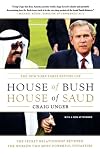
Here is the damming expose of how business interests of the Bush family, other Republicans and corporatists with the Saudis influence their policy decisions to the detriment of the American people. All the stories have been told before but Unger builds up a good record of evidence over thirty years without wagging an accusatory finger in the manner of Greg Palast. He’s also good at pointing out the disturbing behavior of non-Bushies in regards to the Saudis to offer some balance (ex-Carter show more National Security Advisor Zbigniew Brzezinzki started the plan to support Afghani Islamists against the Soviets a tact happily embellished by Reagan/Bush – p. 98), and makes it clear when certain claims cannot be substantiated. All very scary stuff, especially since xenophobic America-is-#1 types are ironically very likely to reelect Bush this fall. The most interesting thing I learned in this book is how Bin Laden appealed to the House of Saud to allow him to rally Islamic support and lead the battle to liberate Kuwait from the hated Sadaam Hussein in 1990 (al-Qaeda-Sadaam links indeed!).
“Thanks to such warm relations with the media, Bush repeatedly turned his liabilities into assets. A poor public speaker who made one verbal gaffe after another, Bush played the self-deprecating common man under fire by the know-it-all intellectuals. Intimate with the Wise Men of Washington since childhood, scion to one of the greatest political dynasties in American history, Bush was even able to sell himself as an outsider to power.” (p. 197)
“Few in the United States liked to admit it, but by switching the venue of America’s response to 9/11 to Iraq, the United States may have inadvertently played directly into Al Qaeda’s and Osama bin Laden’s hands. More than twenty years earlier, bin Laden had gone to Afghanistan to lure another superpower into a land war inside a Muslim country. America’s Cold Warriors had cackled with glee when the Soviets took the bait, and the long and brutal war that ensued helped lead to the demise of the Soviet empire. In the mountains of Afghanistan, Osama bin Laden had learned that he and his band of impassioned warriors could defeat a superpower in a guerilla war.” (p. 278) show less
“Thanks to such warm relations with the media, Bush repeatedly turned his liabilities into assets. A poor public speaker who made one verbal gaffe after another, Bush played the self-deprecating common man under fire by the know-it-all intellectuals. Intimate with the Wise Men of Washington since childhood, scion to one of the greatest political dynasties in American history, Bush was even able to sell himself as an outsider to power.” (p. 197)
“Few in the United States liked to admit it, but by switching the venue of America’s response to 9/11 to Iraq, the United States may have inadvertently played directly into Al Qaeda’s and Osama bin Laden’s hands. More than twenty years earlier, bin Laden had gone to Afghanistan to lure another superpower into a land war inside a Muslim country. America’s Cold Warriors had cackled with glee when the Soviets took the bait, and the long and brutal war that ensued helped lead to the demise of the Soviet empire. In the mountains of Afghanistan, Osama bin Laden had learned that he and his band of impassioned warriors could defeat a superpower in a guerilla war.” (p. 278) show less
American Kompromat: How the KGB Cultivated Donald Trump, and Related Tales of Sex, Greed, Power, and Treachery by Craig Unger
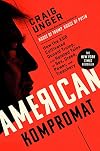
Craig Unger is an investigative journalist, writer, and analyst on national security. American Kompromat is a follow-up to his 2018 book, House of Trump, House of Putin, in which he made the case for Russian collusion. Kompromat, he explains, is the Russian term for compromising information which can be used in blackmailing, discrediting, or manipulating someone, typically for political purposes. It forms the basis for Russian intelligence control of human assets.
This book begins in show more October, 2020 with an examination of the leadership of Donald Trump before looking backward in time. Unger writes:
“To most of the country, he was vulgar and vile, a misogynistic, racist firebrand, a buffoon who knew only his own pecuniary interests and prejudices and would stop at nothing to satiate them. He was clownish and repellent. But as the election approached, it became increasingly clear that he was far more dangerous than that suggested, that his buffoonery masked real demagoguery, that he was a tyrant who had mesmerized tens of millions of people, and that it didn’t matter to them what he said or did.”
And he wrote this even before the insurrection of January 6, 2021.
The author then goes on to present a wealth of material to establish that Donald Trump was cultivated and used by Russian intelligence to further their aims. Trump’s awareness of their efforts to control him was not necessary to the process. Unger writes:
“From the KGB’s point of view, the most appealing quality about Trump was probably that he had a personality that was ideal for a recruit - vain, narcissistic, highly susceptible to flattery, and greedy.”
. . .
“Trump was a dream for KGB officers looking to recruit an asset…. Everybody has weaknesses. But with Trump it wasn’t just weakness. Everything was excessive. His vanity, excessive. Narcissism, excessive. Greed, excessive. Ignorance, excessive.”
Upon the collapse of the Soviet Union, there was an influx of Russian Mafia and oligarchs into the U.S. who needed to launder billions of dollars, “a need that could best be filled by a wealthy real estate developer who had loads of luxury condos to sell and was willing to look the other way when it came to the source of the money.” This was a perfect set-up for the “perpetually bankrupt Donald Trump.”
Trump, Unger suggests, was compromised through “lucrative money-laundering schemes, sycophantic flattery, pie-in-the-sky Trump Tower Moscow projects, extravagantly well-paid franchising projects, and more.”
More critically, he details, “Russian intelligence had essentially hijacked Trump’s foreign policy in plain sight and nobody noticed,” especially because there was nothing explicitly unlawful about what they did. (The author quotes journalist Michael Kinsley’s observation: “The real scandal isn’t what’s illegal; it’s what is legal.”)
The author also discusses the ways in which it appears as if Donald Trump, Jr., Rudi Giuliani, and Trump’s Attorney General William Barr had also been compromised. With regard to Barr, the author goes into details of some of the shadier activity of Opus Dei,, the secretive, extremist right-wing Catholic organization. Barr’s affiliation with Opus Dei, the author avers, has influenced him to endorse an ideologically-driven understanding of religious liberty that reviles secularism, and a belief in extensive executive power, both of which helped further Trump’s autocratic and anti-liberal agenda.
As for deceased sex-trafficker Jeffrey Epstein, he is included because he supposedly was in possession of the most kompromat of anyone, even more than the Russians. So far, however, what Epstein had or didn’t have has not been revealed, but even the threat of its existence is powerful. Epstein’s contact list was extensive, and included of course, Donald Trump.
At the very least, what this book shows us is that electing a president with Trump’s weaknesses was a foolhardy proposition - he would never even have received low-level security clearance for government work in normal circumstances.
Evaluation: This book is disturbing and scary, even without written confirmation of its conclusions. They are based on an overwhelming compilation of circumstantial evidence and bizarre behaviors, particularly with respect to Russia, that are not otherwise explainable.
That mystery aside, Unger’s book is effectively argued and riveting in its detailed description of the unseemly side of spy craft. show less
This book begins in show more October, 2020 with an examination of the leadership of Donald Trump before looking backward in time. Unger writes:
“To most of the country, he was vulgar and vile, a misogynistic, racist firebrand, a buffoon who knew only his own pecuniary interests and prejudices and would stop at nothing to satiate them. He was clownish and repellent. But as the election approached, it became increasingly clear that he was far more dangerous than that suggested, that his buffoonery masked real demagoguery, that he was a tyrant who had mesmerized tens of millions of people, and that it didn’t matter to them what he said or did.”
And he wrote this even before the insurrection of January 6, 2021.
The author then goes on to present a wealth of material to establish that Donald Trump was cultivated and used by Russian intelligence to further their aims. Trump’s awareness of their efforts to control him was not necessary to the process. Unger writes:
“From the KGB’s point of view, the most appealing quality about Trump was probably that he had a personality that was ideal for a recruit - vain, narcissistic, highly susceptible to flattery, and greedy.”
. . .
“Trump was a dream for KGB officers looking to recruit an asset…. Everybody has weaknesses. But with Trump it wasn’t just weakness. Everything was excessive. His vanity, excessive. Narcissism, excessive. Greed, excessive. Ignorance, excessive.”
Upon the collapse of the Soviet Union, there was an influx of Russian Mafia and oligarchs into the U.S. who needed to launder billions of dollars, “a need that could best be filled by a wealthy real estate developer who had loads of luxury condos to sell and was willing to look the other way when it came to the source of the money.” This was a perfect set-up for the “perpetually bankrupt Donald Trump.”
Trump, Unger suggests, was compromised through “lucrative money-laundering schemes, sycophantic flattery, pie-in-the-sky Trump Tower Moscow projects, extravagantly well-paid franchising projects, and more.”
More critically, he details, “Russian intelligence had essentially hijacked Trump’s foreign policy in plain sight and nobody noticed,” especially because there was nothing explicitly unlawful about what they did. (The author quotes journalist Michael Kinsley’s observation: “The real scandal isn’t what’s illegal; it’s what is legal.”)
The author also discusses the ways in which it appears as if Donald Trump, Jr., Rudi Giuliani, and Trump’s Attorney General William Barr had also been compromised. With regard to Barr, the author goes into details of some of the shadier activity of Opus Dei,, the secretive, extremist right-wing Catholic organization. Barr’s affiliation with Opus Dei, the author avers, has influenced him to endorse an ideologically-driven understanding of religious liberty that reviles secularism, and a belief in extensive executive power, both of which helped further Trump’s autocratic and anti-liberal agenda.
As for deceased sex-trafficker Jeffrey Epstein, he is included because he supposedly was in possession of the most kompromat of anyone, even more than the Russians. So far, however, what Epstein had or didn’t have has not been revealed, but even the threat of its existence is powerful. Epstein’s contact list was extensive, and included of course, Donald Trump.
At the very least, what this book shows us is that electing a president with Trump’s weaknesses was a foolhardy proposition - he would never even have received low-level security clearance for government work in normal circumstances.
Evaluation: This book is disturbing and scary, even without written confirmation of its conclusions. They are based on an overwhelming compilation of circumstantial evidence and bizarre behaviors, particularly with respect to Russia, that are not otherwise explainable.
That mystery aside, Unger’s book is effectively argued and riveting in its detailed description of the unseemly side of spy craft. show less
House of Trump, House of Putin: The Untold Story of Donald Trump and the Russian Mafia by Craig Unger
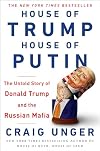
This is the most terrifying horror story that you will ever read. To know that the U.S. has elected a President who is utterly beholding to Putin and Russian interests and is also not just a criminal in his policies but literally A CRIMINAL in the traditional sense of the word. Not as a metaphor. Not in the sense of of lying or obstruction of justice nor even in the sense of collusion with a foreign country. But as an active partner with the Russian mafia. Trump is essentially a Russian show more mafia asset. If you read this book, you will leave with little doubts that he is a made man.
I’ve believed Trump was a criminal, in a general way, for a while. I was already aware that he had illegal business practices as, for example, demonstrated by the recent lawsuit in NYC against his charitable foundation, which has alleged that he used the foundation as a checkbook for non-charitable purposes. On the flipside, I also knew, in a general way, that Russian oligarchs had plundered Russia when the Soviet Union fell, although I didn’t fully comprehend what that meant. And I knew that Putin suppressed human rights and freedom of the press. House of Trump, House of Putin: The Untold Story of Donald Trump and the Russian Mafia reveals the details of the criminality that connects these two in ways that are both shocking and sickening.
More than half of this book is focused on the development of Putin’s power, his government, and the ways in which it interacts with the world. Did you know that Putin is reputed to be the richest man in the world? His estimated worth is roughly $200 billion. Did you know that he made many of his friends into billionaires? Almost all the current oligarchs “bought” companies from the government after the fall of communism for what were essentially pennies on the dollar value. They would pay a few million dollars for a billion-dollar company. They were sold natural gas for a fraction of the actual value by the government that they then sold to the rest of the world at an outrageous profit. They were simply made rich because they supported Putin. They plundered and continue to plunder all the natural resources Russia has at the direction of Putin.
One of the most shocking revelations for me about Russia is that even more than Russia being a kleptocracy by stealing the countries wealth for a handful of individuals including its President, it is also a literal criminal enterprise. The Russian mafia is a division of the FSB (the current name for the former KGB). And Putin is its boss. He’s the don of the Russian mafia, and the President of the country, and the head of the FSB and the master of the oligarchs. The one to rule them all. The Russian mafia deals in the usual criminal enterprises—selling guns and drugs, extortion, and prostitution and human trafficking. And further, the Russian mafia has now diversified into white collar crime. They run companies that engage in real businesses, such as energy trading, but while doing so they perpetrate every scam you can name including cheating taxes, skimming profits and more. They have skillfully blended corporate institutions with organized crime tactics.
Unger outlines the evolution of the Russian mafia and its relationship with Putin and other oligarchs both internationally and in the United States. Brighton Beach New York is a center of Russian organized crime in the U.S. Interestingly, they have frequently teamed up with Italian mafia characters on diverse financial scams, such as skimming tax money from hundreds of gas stations.
Now how does this connect with Trump? Repeatedly. Frequently. Constantly. Here are some highlights of the numerous connections. Trump was bankrupt after his Atlantic casino failed in the 1980s. He was in huge debt and no reputable banks in the U.S. would loan to him. He was on the brink of complete failure. Then Russian oligarchs and Russian mafia connected figures began to rebuild his wealth. How? They developed a simple symbiotic relationship with him. They made him wealthy again, and he laundered their criminal wealth. The oligarchs want to get their money out of Russia, since that economy was a field for plunder but not a reliable source to maintain wealth, and Trump real estate properties helped them launder it.
Many shady practices have surrounded Trump properties. For example, a group of Russian mafia figures were running a sports-betting corporation out of Trump tower until they were eventually arrested. They had bought an entire floor. The overarching key point to be aware of is that roughly 1/3 of Trump’s wealth, after his casino collapse, came directly from Russian oligarchs and other Russian figures buying Trump condo units and properties—usually through untraceable LLCs. And that doesn’t even account for his properties in other countries, where the author has no access to financial records. It’s quite likely that an even larger percentage of his wealth came directly from Russian oligarchs. And beyond Russians buying properties in his towers to launder their money, he actually partnered with a company called Bayrock (that is now defunct due to diverse legal issues), that was run by Russian-oligarch connected individuals to develop Trump-branded properties. Bayrock would finance the properties (likely with Russian or Ukrainian sourced funds) then arrange for all the construction and development. Trump made money from sales by licensing Bayrock his name. Through his partnership with Bayrock, Russia was funneling money to make Trump wealthy again (with Trump himself having to do next to nothing) and simultaneously creating properties to launder more Russian wealth.
As former KGB operatives have told Unger, the Russian government is constantly seeking political assets in other countries. They also seek to destabilize democratic institutions and global partnerships, such as between the U.S and the EU. Chaos and right-wing regimes provide Russian criminal enterprises more opportunities to make money, and they weaken criticism and opposition to his regime. So grooming Trump to do Putin’s bidding would be a no-brainer for the FSB ever since they discovered he was a great tool for money laundering.
Unger presents the story of numerous oligarch and mafia connected figures who have connections to Trump in diverse ways, beyond the money laundering. In fact, he carefully itemizes nearly 60 individuals with Russian mafia and oligarch connections who have had relationships with Trump ever since the 1980s. One fact that surprised me—Trump had Presidential aspirations that date back to that time. The Russians had long term plans to build him up and groom him as both a financial and political asset.
Regarding the question of whether Russia has “kompromat” on Trump. Unger provides some interesting background. Per his interviews with former KGB agents, they explained that developing kompromat on potential assets is common practice. It is one of the many tools that the Russian secret service leverage to achieve their ends. They are trained in getting it. Trump’s first trip to Russia was planned by Intourist, a department of the FSB. He has unaccounted for days in his Miss Universe trip. He’s a womanizer. What do you think?
I want to reiterate some key point. Russia is a criminal state. The Russian mafia is a division of the Russian government. Putin is the head of Russian mafia. He can grant support to criminal enterprises or summarily withdraw it and have a billionaire thrown in prison or killed. Trump pursues goals that align with Russian interests, such as destabilizing the U.S./E.U. partnership. Trump has facilitated billions and billions of dollars of money laundering by Russia oligarchs and other shady Russian mafia connected figures. He’s even partnered directly with them through Bayrock. Regardless of whether Putin has kompromat on Trump, it hardly matters. They made him a billionaire after his wealth collapsed. Of course he’s a Russian asset. They own him.
House of Trump, House of Putin: The Untold Story of Donald Trump and the Russian Mafia is thoroughly and compellingly argued. Unger outlines the case in arresting and irresistible fashion. This is high drama and high treason. I wish every citizen would read this book. show less
I’ve believed Trump was a criminal, in a general way, for a while. I was already aware that he had illegal business practices as, for example, demonstrated by the recent lawsuit in NYC against his charitable foundation, which has alleged that he used the foundation as a checkbook for non-charitable purposes. On the flipside, I also knew, in a general way, that Russian oligarchs had plundered Russia when the Soviet Union fell, although I didn’t fully comprehend what that meant. And I knew that Putin suppressed human rights and freedom of the press. House of Trump, House of Putin: The Untold Story of Donald Trump and the Russian Mafia reveals the details of the criminality that connects these two in ways that are both shocking and sickening.
More than half of this book is focused on the development of Putin’s power, his government, and the ways in which it interacts with the world. Did you know that Putin is reputed to be the richest man in the world? His estimated worth is roughly $200 billion. Did you know that he made many of his friends into billionaires? Almost all the current oligarchs “bought” companies from the government after the fall of communism for what were essentially pennies on the dollar value. They would pay a few million dollars for a billion-dollar company. They were sold natural gas for a fraction of the actual value by the government that they then sold to the rest of the world at an outrageous profit. They were simply made rich because they supported Putin. They plundered and continue to plunder all the natural resources Russia has at the direction of Putin.
One of the most shocking revelations for me about Russia is that even more than Russia being a kleptocracy by stealing the countries wealth for a handful of individuals including its President, it is also a literal criminal enterprise. The Russian mafia is a division of the FSB (the current name for the former KGB). And Putin is its boss. He’s the don of the Russian mafia, and the President of the country, and the head of the FSB and the master of the oligarchs. The one to rule them all. The Russian mafia deals in the usual criminal enterprises—selling guns and drugs, extortion, and prostitution and human trafficking. And further, the Russian mafia has now diversified into white collar crime. They run companies that engage in real businesses, such as energy trading, but while doing so they perpetrate every scam you can name including cheating taxes, skimming profits and more. They have skillfully blended corporate institutions with organized crime tactics.
Unger outlines the evolution of the Russian mafia and its relationship with Putin and other oligarchs both internationally and in the United States. Brighton Beach New York is a center of Russian organized crime in the U.S. Interestingly, they have frequently teamed up with Italian mafia characters on diverse financial scams, such as skimming tax money from hundreds of gas stations.
Now how does this connect with Trump? Repeatedly. Frequently. Constantly. Here are some highlights of the numerous connections. Trump was bankrupt after his Atlantic casino failed in the 1980s. He was in huge debt and no reputable banks in the U.S. would loan to him. He was on the brink of complete failure. Then Russian oligarchs and Russian mafia connected figures began to rebuild his wealth. How? They developed a simple symbiotic relationship with him. They made him wealthy again, and he laundered their criminal wealth. The oligarchs want to get their money out of Russia, since that economy was a field for plunder but not a reliable source to maintain wealth, and Trump real estate properties helped them launder it.
Many shady practices have surrounded Trump properties. For example, a group of Russian mafia figures were running a sports-betting corporation out of Trump tower until they were eventually arrested. They had bought an entire floor. The overarching key point to be aware of is that roughly 1/3 of Trump’s wealth, after his casino collapse, came directly from Russian oligarchs and other Russian figures buying Trump condo units and properties—usually through untraceable LLCs. And that doesn’t even account for his properties in other countries, where the author has no access to financial records. It’s quite likely that an even larger percentage of his wealth came directly from Russian oligarchs. And beyond Russians buying properties in his towers to launder their money, he actually partnered with a company called Bayrock (that is now defunct due to diverse legal issues), that was run by Russian-oligarch connected individuals to develop Trump-branded properties. Bayrock would finance the properties (likely with Russian or Ukrainian sourced funds) then arrange for all the construction and development. Trump made money from sales by licensing Bayrock his name. Through his partnership with Bayrock, Russia was funneling money to make Trump wealthy again (with Trump himself having to do next to nothing) and simultaneously creating properties to launder more Russian wealth.
As former KGB operatives have told Unger, the Russian government is constantly seeking political assets in other countries. They also seek to destabilize democratic institutions and global partnerships, such as between the U.S and the EU. Chaos and right-wing regimes provide Russian criminal enterprises more opportunities to make money, and they weaken criticism and opposition to his regime. So grooming Trump to do Putin’s bidding would be a no-brainer for the FSB ever since they discovered he was a great tool for money laundering.
Unger presents the story of numerous oligarch and mafia connected figures who have connections to Trump in diverse ways, beyond the money laundering. In fact, he carefully itemizes nearly 60 individuals with Russian mafia and oligarch connections who have had relationships with Trump ever since the 1980s. One fact that surprised me—Trump had Presidential aspirations that date back to that time. The Russians had long term plans to build him up and groom him as both a financial and political asset.
Regarding the question of whether Russia has “kompromat” on Trump. Unger provides some interesting background. Per his interviews with former KGB agents, they explained that developing kompromat on potential assets is common practice. It is one of the many tools that the Russian secret service leverage to achieve their ends. They are trained in getting it. Trump’s first trip to Russia was planned by Intourist, a department of the FSB. He has unaccounted for days in his Miss Universe trip. He’s a womanizer. What do you think?
I want to reiterate some key point. Russia is a criminal state. The Russian mafia is a division of the Russian government. Putin is the head of Russian mafia. He can grant support to criminal enterprises or summarily withdraw it and have a billionaire thrown in prison or killed. Trump pursues goals that align with Russian interests, such as destabilizing the U.S./E.U. partnership. Trump has facilitated billions and billions of dollars of money laundering by Russia oligarchs and other shady Russian mafia connected figures. He’s even partnered directly with them through Bayrock. Regardless of whether Putin has kompromat on Trump, it hardly matters. They made him a billionaire after his wealth collapsed. Of course he’s a Russian asset. They own him.
House of Trump, House of Putin: The Untold Story of Donald Trump and the Russian Mafia is thoroughly and compellingly argued. Unger outlines the case in arresting and irresistible fashion. This is high drama and high treason. I wish every citizen would read this book. show less
House of Trump, House of Putin: The Untold Story of Donald Trump and the Russian Mafia by Craig Unger
I was never overly interested in mafia stories, they seemed to have little application to my life. This book shows pretty much how the mafia is taking over the world if you combine the American mafia with the Russian mob with (strangely) a Jewish fundamentalist sect with greedy politicians world over combined with people whose free-floating anger can be directed toward immigrants all deftly manipulated by Putin. Scary because now I see it happening around me every day.
Lists
Lost History (1)
Awards


You May Also Like


Statistics
- Works
- 11
- Members
- 1,181
- Popularity
- #21,763
- Rating
- 3.8
- Reviews
- 23
- ISBNs
- 81
- Languages
- 6
- Favorited
- 1