
Kate Christensen
Author of The Great Man
About the Author
Kate Christensen lives in Brooklyn, New York.
Image credit: Kate Christensen
Works by Kate Christensen
Associated Works
The Bitch in the House: 26 Women Tell the Truth About Sex, Solitude, Work, Motherhood, and Marriage (2002) — Contributor — 736 copies, 20 reviews
My Bookstore: Writers Celebrate Their Favorite Places to Browse, Read, and Shop (2012) — Contributor — 622 copies, 16 reviews
Here She Comes Now: Women in Music Who Have Changed Our Lives (2015) — Contributor — 25 copies, 1 review
Heavy Rotation: Twenty Writers on the Albums That Changed Their Lives (2009) — Contributor — 23 copies, 2 reviews
The Artists' and Writers' Cookbook: A Collection of Stories with Recipes (2016) — Contributor — 19 copies
Tagged
Common Knowledge
- Canonical name
- Christensen, Kate
- Legal name
- Christensen, Kate
- Birthdate
- 1962-08-22
- Gender
- female
- Nationality
- USA
- Map Location
- USA
Members
Reviews
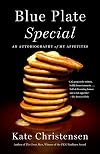
Truth. The tongue can hold memories longer than the heart; sometimes even longer than the mind. Childhood delicacies like soft boiled eggs and Tapioca pudding could bring author Kate Christensen back to six years old, much the same way a steaming hot bowl of Cream of Wheat with melting swirls of butter and sparkling brown sugar still can for me in my middle age. The thread of food is woven in and out of Christensen's story, sometimes as a integral character and other times as supporting show more cast, pivotal moments are remembered as meals.
I have a lot in common with Kate. I can remember feeling exactly like her when, at seven years old, the best present in the world was to have a space, separate from the house, in which to hide from the world; a place to call my own. Another similarity was when she shared that she salivated at the thought of the breakfasts in Little House on the Prairie. I, too, had food envy.
There were a lot of unexpected aha moments while reading Blue Plate. It is strange how the trauma of events in childhood can inform decisions in adulthood without us knowing how or why. show less
I have a lot in common with Kate. I can remember feeling exactly like her when, at seven years old, the best present in the world was to have a space, separate from the house, in which to hide from the world; a place to call my own. Another similarity was when she shared that she salivated at the thought of the breakfasts in Little House on the Prairie. I, too, had food envy.
There were a lot of unexpected aha moments while reading Blue Plate. It is strange how the trauma of events in childhood can inform decisions in adulthood without us knowing how or why. show less
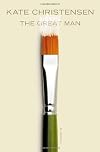
The greatest irony of The Great Man that it isn't really about a great man at all, save incidentally. Rather, this novel is about three women who have a relationship with the same man -- who, while important to and loved by all of them, never knew or even tried to know the essence of any of them. Getting to know the three of them as they see themselves is something we get to do in this engrossing, witty treasure of a book.
The spark that ignites the book is that two biographers are show more simultaneously researching the painter Oscar Feldman, the "great man" of the title. Feldman was a painter known for his female nudes -- both for painting them and for bedding them. He never ventured into abstraction or any other form of modern art, but stuck solely to representational paintings of the female body. He was opinionated, stubborn, and a complete shit toward women, no matter how much he admired their physicality.
Oscar was married to Abigail, the mother of his only son, the deeply autistic Ethan. It is never clear whether or how much Oscar loved Abigail, or whether she was merely a deep pocket to keep him in food and shelter while he developed his art. Certainly Abigail loved him, but the greater love of her life seems to have been her son, whose care consumed her life. There is evidence that perhaps Oscar had a deep, abiding, unexpressed and unexpressable love for her that was somehow divorced from sexual passion. Perhaps their marriage was oddly happy. And perhaps that is why Abigail does what she does when the biographers come around.
Oscar's longtime mistress was Teddy, a secretary in the law firm that took care of Oscar's legal affairs. Teddy is the mother of Oscar's twin daughters, for whom Oscar never provided a penny in support. In fact, Oscar did not leave Teddy so much as a single painting when he died, and she found out about his death by reading the obituary page in the New York Times. Teddy never wanted Oscar's support, because she deeply valued her independence. She had a passion for Oscar, clearly, but it seems almost to have been an intellectual passion more than any other sort -- not a cool commingling of minds, but a hot, fierce passion that erupted into sex more often than not, a love of argument that contained a heat and light that is rarely depicted in literature. She now lives in genteel poverty, and takes great pride in making do.
Oscar's sister was Maxine, now a woman in her mid-80's, who is also an artist. She is, perhaps, a greater artist than Oscar ever was, but she has never received the recognition that Oscar did. Certainly no one is working on her biography. Her work is abstract, cerebral, and her palette limited to black and white. Her work, like Oscar's, hangs in museums around the world. But she has reached old age without wealth, without a partner, and with precious few friends. She is grumpy and defensive, including of Oscar's reputation, but also extremely competitive with her famous brother, even after his death. And there is a secret about Oscar that she is protecting, although she seems to be yearning for the secret to be revealed.
The probing of the two biographers leads to dramatic changes in the lives of all three women. It is a delight to see older women -- in fact, old women, women well past the point where we would call them middle-aged -- portrayed as having passion for life, sexual passion, plans for their futures. They form new friendships, meet new men, reassess old relationships, reassess their own lives. These women are thoroughly alive and do not intend to stop living before they die. There is not a one of them I wouldn't like to meet and befriend. There is not one of them I do not intend to emulate, each in a different way.
Christensen's writing is strong and elegant. Her viewpoint wanders from woman to woman, sometimes without warning, so that in one paragraph you're seeing the world from Teddy's eyes and in the next from Maxine's. Seeing the same scene through different eyes -- the pride Teddy has in a meal she has assembled, for instance, as seen through the eyes of one of Oscar's biographers -- enhances every description (and Christensen's food descriptions are especially gorgeous, leading me to believe that her earlier book, The Epicure's Lament, is probably very tasty; it's now on my list).
This book belongs on your shelf next to such volumes as Susan Minot's Evening and Michael Cunningham's The Hours. I'm surprised not to find The Great Man on the New York Times list of notable books of the year; it's that good. You'll definitely find it on mine. show less
The spark that ignites the book is that two biographers are show more simultaneously researching the painter Oscar Feldman, the "great man" of the title. Feldman was a painter known for his female nudes -- both for painting them and for bedding them. He never ventured into abstraction or any other form of modern art, but stuck solely to representational paintings of the female body. He was opinionated, stubborn, and a complete shit toward women, no matter how much he admired their physicality.
Oscar was married to Abigail, the mother of his only son, the deeply autistic Ethan. It is never clear whether or how much Oscar loved Abigail, or whether she was merely a deep pocket to keep him in food and shelter while he developed his art. Certainly Abigail loved him, but the greater love of her life seems to have been her son, whose care consumed her life. There is evidence that perhaps Oscar had a deep, abiding, unexpressed and unexpressable love for her that was somehow divorced from sexual passion. Perhaps their marriage was oddly happy. And perhaps that is why Abigail does what she does when the biographers come around.
Oscar's longtime mistress was Teddy, a secretary in the law firm that took care of Oscar's legal affairs. Teddy is the mother of Oscar's twin daughters, for whom Oscar never provided a penny in support. In fact, Oscar did not leave Teddy so much as a single painting when he died, and she found out about his death by reading the obituary page in the New York Times. Teddy never wanted Oscar's support, because she deeply valued her independence. She had a passion for Oscar, clearly, but it seems almost to have been an intellectual passion more than any other sort -- not a cool commingling of minds, but a hot, fierce passion that erupted into sex more often than not, a love of argument that contained a heat and light that is rarely depicted in literature. She now lives in genteel poverty, and takes great pride in making do.
Oscar's sister was Maxine, now a woman in her mid-80's, who is also an artist. She is, perhaps, a greater artist than Oscar ever was, but she has never received the recognition that Oscar did. Certainly no one is working on her biography. Her work is abstract, cerebral, and her palette limited to black and white. Her work, like Oscar's, hangs in museums around the world. But she has reached old age without wealth, without a partner, and with precious few friends. She is grumpy and defensive, including of Oscar's reputation, but also extremely competitive with her famous brother, even after his death. And there is a secret about Oscar that she is protecting, although she seems to be yearning for the secret to be revealed.
The probing of the two biographers leads to dramatic changes in the lives of all three women. It is a delight to see older women -- in fact, old women, women well past the point where we would call them middle-aged -- portrayed as having passion for life, sexual passion, plans for their futures. They form new friendships, meet new men, reassess old relationships, reassess their own lives. These women are thoroughly alive and do not intend to stop living before they die. There is not a one of them I wouldn't like to meet and befriend. There is not one of them I do not intend to emulate, each in a different way.
Christensen's writing is strong and elegant. Her viewpoint wanders from woman to woman, sometimes without warning, so that in one paragraph you're seeing the world from Teddy's eyes and in the next from Maxine's. Seeing the same scene through different eyes -- the pride Teddy has in a meal she has assembled, for instance, as seen through the eyes of one of Oscar's biographers -- enhances every description (and Christensen's food descriptions are especially gorgeous, leading me to believe that her earlier book, The Epicure's Lament, is probably very tasty; it's now on my list).
This book belongs on your shelf next to such volumes as Susan Minot's Evening and Michael Cunningham's The Hours. I'm surprised not to find The Great Man on the New York Times list of notable books of the year; it's that good. You'll definitely find it on mine. show less
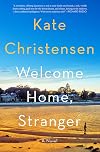
Rachel last saw her hometown, Portland, Maine, a decade ago, but now that her mother has died, she's back. Now fifty, she hopes menopause means that the hormones that helped her make some regrettable choices are no longer in play, giving her (she hopes) a new, hard-fought-for clarity.
She plans to do what needs to be done and then return to Washington DC and her journalism career with her sanity and dignity intact. Of course that doesn't happen.
This novel is about the pleasures and show more impossibility of going home in middle age, especially when your adult life has been defined in being as far from that place as possible. Rachel and her sister had a difficult childhood, their widowed mother hard at work staying young and wild, money always being short. And her relationship with her sister fractured for reasons Rachel doesn't know. Returning is hard, and when it turns out that she may be staying awhile, her ability to justify her own decisions and actions become less tenable by the day.
Christensen writes well and it's unusual to find menopause handled as more than a complaint or a punchline. Rachel may be fifty, but she's a Pulitzer-winning journalist and her high school boyfriend keeps turning up like a recurring heat rash. She's an aging woman who is still an active participant in her own life. She manages to hide her own responsibility behind the language of therapy and her judgements of others change depending on her last encounter with them. She's far too complex to be an entirely sympathetic character, but the way she keeps trying to figure things out is always interesting. show less
She plans to do what needs to be done and then return to Washington DC and her journalism career with her sanity and dignity intact. Of course that doesn't happen.
This novel is about the pleasures and show more impossibility of going home in middle age, especially when your adult life has been defined in being as far from that place as possible. Rachel and her sister had a difficult childhood, their widowed mother hard at work staying young and wild, money always being short. And her relationship with her sister fractured for reasons Rachel doesn't know. Returning is hard, and when it turns out that she may be staying awhile, her ability to justify her own decisions and actions become less tenable by the day.
Christensen writes well and it's unusual to find menopause handled as more than a complaint or a punchline. Rachel may be fifty, but she's a Pulitzer-winning journalist and her high school boyfriend keeps turning up like a recurring heat rash. She's an aging woman who is still an active participant in her own life. She manages to hide her own responsibility behind the language of therapy and her judgements of others change depending on her last encounter with them. She's far too complex to be an entirely sympathetic character, but the way she keeps trying to figure things out is always interesting. show less
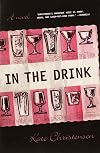
I'd grown up without being exposed to many actual men besides teachers, who didn't really count. I had cobbled together a composite picture for myself out of the limited source material at hand. My mother had naturally weighed in heavily with the opinion that the male sex was a lower order without common sense or the capacity to behave responsibly, but Gothic novels and fairy tales had inculcated in me the equally strong but contrary expectation that either a prince of some kind would carry show more me off to his castle or Mr. Rochester would eventually marry me if I waited for him to go blind. By the time I was eight years old, I'd absorbed the idea that courtship and marriage happened when the perfect man came along and chose you from the lineup.
Claudia's not doing great. Almost thirty and her fabulous New York life means living in a terrible studio apartment she can't even afford, ghost-writing for a confused and abusive socialite while also working as her personal assistant, in love with her best friend, who has never given her the slightest encouragement and drinking far more than would be a good idea for a stevedore. This is Kate Christensen's first novel. It was published in 1999 and is very much a snapshot of a specific time, and it's also witty and funny in a we're-all-drowning-so-let's-have-a-laugh kind of way.
I really love this kind of novel, where a woman gets herself into a mess of her own making and her attempts to right things either works or goes disastrously wrong. Claudia was a wreck, but she was so funny in a Dorothy Parker kind of way and the author has taken the time to give her and the secondary characters real depth. I highly recommend this book for readers who like this kind of thing. show less
Claudia's not doing great. Almost thirty and her fabulous New York life means living in a terrible studio apartment she can't even afford, ghost-writing for a confused and abusive socialite while also working as her personal assistant, in love with her best friend, who has never given her the slightest encouragement and drinking far more than would be a good idea for a stevedore. This is Kate Christensen's first novel. It was published in 1999 and is very much a snapshot of a specific time, and it's also witty and funny in a we're-all-drowning-so-let's-have-a-laugh kind of way.
I really love this kind of novel, where a woman gets herself into a mess of her own making and her attempts to right things either works or goes disastrously wrong. Claudia was a wreck, but she was so funny in a Dorothy Parker kind of way and the author has taken the time to give her and the secondary characters real depth. I highly recommend this book for readers who like this kind of thing. show less
Lists
Awards


You May Also Like


Associated Authors
Statistics
- Works
- 13
- Also by
- 5
- Members
- 2,183
- Popularity
- #11,735
- Rating
- 3.5
- Reviews
- 105
- ISBNs
- 61
- Languages
- 3
- Favorited
- 5