
Meg Wolitzer
Author of The Interestings
About the Author
Meg Wolitzer was born on Long Island, New York on May 28, 1959. She is the daughter of novelist Hilma Wolitzer. She studied creative writing at Smith College and graduated from Brown University in 1981. Her first novel, Sleepwalking, was published in 1982. Her other books include Hidden Pictures, show more This Is Your Life, Friends for Life, The Wife, The Position, The Ten-Year Nap, and The Uncoupling. Her short story Tea at the House was featured in 1998's Best American Short Stories collection. Her books This Is My Life and Surrender, Dorothy were adapted into films. She has taught creative writing at the University of Iowa's Writers' Workshop and Skidmore College and has written several Hollywood screenplays. She currently teaches writing at Columbia University. Her title, The Female Persuasion, made the bestseller list in 2018. (Bowker Author Biography) show less
Image credit: 2018 National Book Festival By Avery Jensen - Own work, CC BY-SA 4.0, https://commons.wikimedia.org/w/index.php?curid=72641762
Series
Works by Meg Wolitzer
Tea at the House 1 copy
Dead Men Do Tell Tales 1 copy
Soția 1 copy
Melissa Meyer 1 copy
La verità delle donne 1 copy
Tu non mi conosci 1 copy
Pozisyon 1 copy
LA PERSUASION DES FEMMES 1 copy
Associated Works
Fight of the Century: Writers Reflect on 100 Years of Landmark ACLU Cases (2020) — Contributor — 261 copies, 5 reviews
Why We Write: 20 Acclaimed Authors on How and Why They Do What They Do (2013) — Contributor — 211 copies, 10 reviews
The Moth Presents Occasional Magic: True Stories About Defying the Impossible (2019) — Foreword — 172 copies, 4 reviews
Pretty Bitches: On Being Called Crazy, Angry, Bossy, Frumpy, Feisty, and All the Other Words That Are Used to Undermine Women (2020) — Contributor — 82 copies, 2 reviews
Tagged
Common Knowledge
- Canonical name
- Wolitzer, Meg
- Birthdate
- 1959-05-28
- Gender
- female
- Education
- Brown University (BA|1981)
- Occupations
- professor
writer - Organizations
- Columbia University
State University of New York, Stony Brook at Southampton - Agent
- Suzanne Gluck (William Morris Agency)
- Relationships
- Wolitzer, Hilma (mother)
Panek, Richard (spouse) - Nationality
- USA (birth)
- Birthplace
- Long Island, New York, USA
- Places of residence
- New York, New York, USA
- Map Location
- USA
Members
Reviews
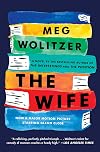
The Wife blew me away for many reasons. But what truly floored me was the fact that Meg Wolitzer combined all of my very least favorite story elements (contemporary-ish setting, 1st person narrator, impending divorce, affairs galore) and somehow turned it into one of my favorite books of the year!
I think that one of the aspects of Wolitzer’s writing that made this book such a hit for me is her ability to write a story with many layers of depth. In a way, it reminded me of Kazuo show more Ishiguro’s writing. Their styles of writing are completely different, but they both write layered stories with far more depth than is initially apparent at the start. Those are the kinds of stories I love to read and can’t get enough of! Wolitzer also knows how to write 1st person well - I loved getting to follow Joan’s very distinct voice. I understood her as a character and felt so much empathy for her.
I managed to correctly guess the ending towards the beginning of the book, and it didn’t ruin the reading experience for me at all - in fact, I was dying to get to the end so I could see if I was right, and get to witness the culmination of the story. It’s wild to me that it isn’t more highly rated on Goodreads, because I think it comes awfully close to being a perfectly written book. Can’t wait to read more by Meg Wolitzer! show less
I think that one of the aspects of Wolitzer’s writing that made this book such a hit for me is her ability to write a story with many layers of depth. In a way, it reminded me of Kazuo show more Ishiguro’s writing. Their styles of writing are completely different, but they both write layered stories with far more depth than is initially apparent at the start. Those are the kinds of stories I love to read and can’t get enough of! Wolitzer also knows how to write 1st person well - I loved getting to follow Joan’s very distinct voice. I understood her as a character and felt so much empathy for her.
I managed to correctly guess the ending towards the beginning of the book, and it didn’t ruin the reading experience for me at all - in fact, I was dying to get to the end so I could see if I was right, and get to witness the culmination of the story. It’s wild to me that it isn’t more highly rated on Goodreads, because I think it comes awfully close to being a perfectly written book. Can’t wait to read more by Meg Wolitzer! show less
A husband and wife whose relationship has been fraught over the decades with strife, disloyalty, competition, resentment, and all the quotidian frustrations of family life, is headed to Helsinki. The husband is about to receive a prestigious literary award, and Joan, the wife, is about to be done with her marriage. The story of this marriage is told via flashbacks through Joan's point of view as they proceed to receive the award.
Great premise. Not so great delivery.
The character of Joan is show more unsatisfying and problematic. The premise here is that she is a victim from beginning to end. First, she is a victim of her own emotional needs to create and sustain this great love affair with her idealized older professor. Second, she is a victim of the patriarchy. Now, granted, in the 1950s choices were of course limited to women. However, she is clearly a gifted writer, as her first writing instructor and future husband informs her. However, she gets some bad advice from a bitter older published woman novelist consisting of the idea that she will never be able to make it in a man's literary world. This author believes that women get short shrift, and that even if they are talented and published they never enjoy the same level of esteem that the men get. They will become "women writers" or "lady authors." This leads Joan to her big life decision, but this attitude doesn't ring true, not even in the social milieu of the time. Of course the female novelist was an exception in the literary world, and many of them chose male nom-de-plumes to be taken seriously. However, there have been plenty of women novelists whose voices have rung out loud and clear.
There's also this feminist idea Joan entertains that men are successes as pushing themselves forward and "owning the world," as she describes it, at the expense of women, and women's voices are relegated to become tiny squeaks trying to make themselves heard and noticed. It's a very bleak feminist picture of history and this too does not quite ring true. The feminist perspective is quite aligned with the ideology that the patriarchy has always subjected women. While men go out and conquer the world, the women are left home to raise the kids and have little freedom to do what they want. Again while it is true that women have had fewer options in life historically speaking, it pays to remember that until very VERY recently, there was no such thing as going out and "conquering the world" for men; the idea of a "career" or "profession" was a luxury that most of the unwashed hordes throughout history were not privy to. The story of men and women's interactions is not a story of one sex dominating and subjugating the other. It's a story of both sexes being dominated and subjugated by the historical realities of dire poverty, short life spans, dire health conditions, unsanitary living spaces, high infant mortality, and a basic struggle to survive in a very hostile social and ecological world. Most of history consists of human beings just struggling to survive, and men and women were in it together. Marriage for most of this time was and is a bargain struck between the sexes, where the man offers the woman protection from other men, dire poverty and starvation, and the woman offers a man children and the comforts of home, including the preparation of food and other necessities.
In Joan's mind, however, men and her man in particular just want to push themselves forward at the expense of the women and don't want to give women a chance to do the same.
So she's the complete result of her time. Pre-feminism, she's a typical woman who considers that her options are very limited. She doesn't want to become one of those "female authors."
In addition, she views her relationship with Joe through the same feminist lens, namely that Joe will not countenance being the lesser light of the two. In this she is entirely right, as Joe is a selfish philandering man with very little substance to him but very high hopes. Their entire relationship is based on their mutual fantasy of Joe become a great and famous writer and Joan standing in the background as his fawning, adoring student. Joan makes her life changing decision based on her dire emotional need for Joe and her perception of her limitations in life.
(As a side note here, the big reveal is obvious as day to halfway intelligent readers; halfway through the book I guessed it. The author is not too subtle about dropping hints along the way to help you figure it out.)
So this is the basic problem with the relationship here. It's based on a lie, which is based in turn on the desperate neediness of both partners. Joe needs to be admired and to conquer to literary world, and Joan needs to be loved and to not lose what she considers to be her only option for happiness.
The reader can't help but find herself in the position of Joe and Joan's children: seething with resentment at their father for taking advantage of their mother and at his serial adultery, and at Joan for subjecting herself over and over in the self-negating manner she does. (David's barely controlled violence towards Joe is completely understandable.) One would like to shake her shoulders and say, to her decision to leave him, "What the HELL took you so long?"
So it is the problem of these very, very flawed characters and their very dysfunctional relationship that really keeps the reader from enjoying this book. show less
Great premise. Not so great delivery.
The character of Joan is show more unsatisfying and problematic. The premise here is that she is a victim from beginning to end. First, she is a victim of her own emotional needs to create and sustain this great love affair with her idealized older professor. Second, she is a victim of the patriarchy. Now, granted, in the 1950s choices were of course limited to women. However, she is clearly a gifted writer, as her first writing instructor and future husband informs her. However, she gets some bad advice from a bitter older published woman novelist consisting of the idea that she will never be able to make it in a man's literary world. This author believes that women get short shrift, and that even if they are talented and published they never enjoy the same level of esteem that the men get. They will become "women writers" or "lady authors." This leads Joan to her big life decision, but this attitude doesn't ring true, not even in the social milieu of the time. Of course the female novelist was an exception in the literary world, and many of them chose male nom-de-plumes to be taken seriously. However, there have been plenty of women novelists whose voices have rung out loud and clear.
There's also this feminist idea Joan entertains that men are successes as pushing themselves forward and "owning the world," as she describes it, at the expense of women, and women's voices are relegated to become tiny squeaks trying to make themselves heard and noticed. It's a very bleak feminist picture of history and this too does not quite ring true. The feminist perspective is quite aligned with the ideology that the patriarchy has always subjected women. While men go out and conquer the world, the women are left home to raise the kids and have little freedom to do what they want. Again while it is true that women have had fewer options in life historically speaking, it pays to remember that until very VERY recently, there was no such thing as going out and "conquering the world" for men; the idea of a "career" or "profession" was a luxury that most of the unwashed hordes throughout history were not privy to. The story of men and women's interactions is not a story of one sex dominating and subjugating the other. It's a story of both sexes being dominated and subjugated by the historical realities of dire poverty, short life spans, dire health conditions, unsanitary living spaces, high infant mortality, and a basic struggle to survive in a very hostile social and ecological world. Most of history consists of human beings just struggling to survive, and men and women were in it together. Marriage for most of this time was and is a bargain struck between the sexes, where the man offers the woman protection from other men, dire poverty and starvation, and the woman offers a man children and the comforts of home, including the preparation of food and other necessities.
In Joan's mind, however, men and her man in particular just want to push themselves forward at the expense of the women and don't want to give women a chance to do the same.
So she's the complete result of her time. Pre-feminism, she's a typical woman who considers that her options are very limited. She doesn't want to become one of those "female authors."
In addition, she views her relationship with Joe through the same feminist lens, namely that Joe will not countenance being the lesser light of the two. In this she is entirely right, as Joe is a selfish philandering man with very little substance to him but very high hopes. Their entire relationship is based on their mutual fantasy of Joe become a great and famous writer and Joan standing in the background as his fawning, adoring student. Joan makes her life changing decision based on her dire emotional need for Joe and her perception of her limitations in life.
(As a side note here, the big reveal is obvious as day to halfway intelligent readers; halfway through the book I guessed it. The author is not too subtle about dropping hints along the way to help you figure it out.)
So this is the basic problem with the relationship here. It's based on a lie, which is based in turn on the desperate neediness of both partners. Joe needs to be admired and to conquer to literary world, and Joan needs to be loved and to not lose what she considers to be her only option for happiness.
The reader can't help but find herself in the position of Joe and Joan's children: seething with resentment at their father for taking advantage of their mother and at his serial adultery, and at Joan for subjecting herself over and over in the self-negating manner she does. (David's barely controlled violence towards Joe is completely understandable.) One would like to shake her shoulders and say, to her decision to leave him, "What the HELL took you so long?"
So it is the problem of these very, very flawed characters and their very dysfunctional relationship that really keeps the reader from enjoying this book. show less

The Short of It:
I love it when a book makes you feel things.
The Rest of It:
Greer Kadetsky is young and smart and vibrant but she’s resentful because of a mistake her parents made with her financial aid forms. Instead of Yale, she ends up at another university where her boyfriend is not. This separation isolates her and makes it difficult to fit in. One night, she meets a guy who takes advantage of her, and it occurs to her that men like him exist for the sole purpose of treating women like show more objects, taking what they believe to be rightfully theirs.
In protest, she attends a feminist rally while wearing a t-shirt emblazoned with this loser’s face. Faith Frank is in attendance and Greer is in awe. Faith is older, more refined and brilliant. Her passion while speaking stretches to the back of the room and Greer is changed forever. Completely smitten by Faith, Greer is ecstatic when she is offered an entry-level position with Faith’s magazine.
The Female Persuasion is mostly about Greer and her evolution as a woman fighting for women’s rights but there are some other characters who occupy space in this novel. For one, Greer’s boyfriend, who suffers a devastating loss that changes him in ways that Greer never imagined. Faith’s fight for funding and her endless pursuit of elevating women’s rights is tarnished by one, not-so-slight oversight. Greer’s closest friend Zee, is betrayed by Greer which is so ironic given the circumstances and what Greer does for a living.
This is a large, impressive read. I found myself re-reading passages because some of them beg to be re-read, digested and pondered. When I turned to that last page, I felt deeply satisfied with the story’s ending but also somewhat uneasy about the state of the world we live in. A little sick, really.
I think men will shy away from a book like this but there’s something in it for them too if they give it a chance.
Get a copy and read it.
For more reviews, visit my blog: Book Chatter. show less
I love it when a book makes you feel things.
The Rest of It:
Greer Kadetsky is young and smart and vibrant but she’s resentful because of a mistake her parents made with her financial aid forms. Instead of Yale, she ends up at another university where her boyfriend is not. This separation isolates her and makes it difficult to fit in. One night, she meets a guy who takes advantage of her, and it occurs to her that men like him exist for the sole purpose of treating women like show more objects, taking what they believe to be rightfully theirs.
In protest, she attends a feminist rally while wearing a t-shirt emblazoned with this loser’s face. Faith Frank is in attendance and Greer is in awe. Faith is older, more refined and brilliant. Her passion while speaking stretches to the back of the room and Greer is changed forever. Completely smitten by Faith, Greer is ecstatic when she is offered an entry-level position with Faith’s magazine.
The Female Persuasion is mostly about Greer and her evolution as a woman fighting for women’s rights but there are some other characters who occupy space in this novel. For one, Greer’s boyfriend, who suffers a devastating loss that changes him in ways that Greer never imagined. Faith’s fight for funding and her endless pursuit of elevating women’s rights is tarnished by one, not-so-slight oversight. Greer’s closest friend Zee, is betrayed by Greer which is so ironic given the circumstances and what Greer does for a living.
This is a large, impressive read. I found myself re-reading passages because some of them beg to be re-read, digested and pondered. When I turned to that last page, I felt deeply satisfied with the story’s ending but also somewhat uneasy about the state of the world we live in. A little sick, really.
I think men will shy away from a book like this but there’s something in it for them too if they give it a chance.
Get a copy and read it.
For more reviews, visit my blog: Book Chatter. show less
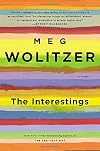
The most remarkable thing about this book, to me, is the author Meg Wolitzer's clearly amazing ability to observe human behavior. I've read lots of book reviews over the years that say something along the lines of the author having a "keen eye" for observation, but I can't recall having ever been personally struck by that in a novel, until I read this book.
Here are just a few examples:
"'Yeah, they're diametrically opposed', said Jonah, for this was another phrase he liked to use. Although, show more Julie thought, if someone said 'diametrically,' could 'opposed' be far behind?"
"Parent love glassblowing children, right? But good luck to the glassblowing adult. If those same kids ended up blowing glass at thirty, their parents would feel they'd failed."
"This place is like something in a dream, when you find out there's an extra room in your apartment."
"The leisureliness of a girlhood friendship -- or even of a friendship between two women, in which they'd talked about sex and marriage and art and children and the election and what would happen next -- was enviable, but not what either of them wanted right now. They hadn't known in advance that leisureliness would be something they would lose, and would mourn."
"Even as Jules answered the phone . . . she wasn't afraid, because it was daytime, and a cell phone pulsing in daylight was benign."
Wolitzer weaves her novel from the things that are common to all people, as we grow from children into adolescents with that intense self-absorbed focus and belief that no one has ever experienced anything in the way we are experiencing it, and then from adolescents into young adults where dreams are still hopeful but often start to diminish in size or are at least tempered by reality, and then into full-on adults with all the responsibilities entailed in jobs and relationships and changing friendships and aging parents and often children of our own, and finally into the later stages of life where if we are lucky we perhaps we begin to make peace with ourselves and with our own childhoods. (Apologies for that run-on sentence.) But this isn't a sugary sweet tale. Instead, it is a deeply honest story, told through the lives of six teenagers who become fast friends at a summer art camp, that doesn't flinch from exploring all of their human nature -- the good, bad, different, same, proud, and embarrassing parts.
I'm headed to the book store to find Wolitzer's other books. show less
Here are just a few examples:
"'Yeah, they're diametrically opposed', said Jonah, for this was another phrase he liked to use. Although, show more Julie thought, if someone said 'diametrically,' could 'opposed' be far behind?"
"Parent love glassblowing children, right? But good luck to the glassblowing adult. If those same kids ended up blowing glass at thirty, their parents would feel they'd failed."
"This place is like something in a dream, when you find out there's an extra room in your apartment."
"The leisureliness of a girlhood friendship -- or even of a friendship between two women, in which they'd talked about sex and marriage and art and children and the election and what would happen next -- was enviable, but not what either of them wanted right now. They hadn't known in advance that leisureliness would be something they would lose, and would mourn."
"Even as Jules answered the phone . . . she wasn't afraid, because it was daytime, and a cell phone pulsing in daylight was benign."
Wolitzer weaves her novel from the things that are common to all people, as we grow from children into adolescents with that intense self-absorbed focus and belief that no one has ever experienced anything in the way we are experiencing it, and then from adolescents into young adults where dreams are still hopeful but often start to diminish in size or are at least tempered by reality, and then into full-on adults with all the responsibilities entailed in jobs and relationships and changing friendships and aging parents and often children of our own, and finally into the later stages of life where if we are lucky we perhaps we begin to make peace with ourselves and with our own childhoods. (Apologies for that run-on sentence.) But this isn't a sugary sweet tale. Instead, it is a deeply honest story, told through the lives of six teenagers who become fast friends at a summer art camp, that doesn't flinch from exploring all of their human nature -- the good, bad, different, same, proud, and embarrassing parts.
I'm headed to the book store to find Wolitzer's other books. show less
Lists
Awards


You May Also Like


Associated Authors
Statistics
- Works
- 34
- Also by
- 10
- Members
- 11,224
- Popularity
- #2,101
- Rating
- 3.5
- Reviews
- 613
- ISBNs
- 260
- Languages
- 12
- Favorited
- 11

