
Kate Thompson (11) (1974–)
Author of The Little Wartime Library
For other authors named Kate Thompson, see the disambiguation page.
About the Author
Image credit: Amazon
Series
Works by Kate Thompson
Tagged
Common Knowledge
- Canonical name
- Thompson, Kate
- Other names
- Thompson, Katharine
- Birthdate
- 1974
- Gender
- female
- Occupations
- journalist
historical novelist
social historian - Nationality
- UK
- Birthplace
- London, England, UK
- Places of residence
- Sunbury-on-Thames, Middlesex, England, UK
- Associated Place (for map)
- England, UK
Members
Reviews
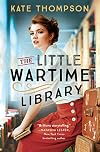
Happy Publication Day! (U.S.)
“A library is the only place you can go—from cradle to grave—that is free, safe, democratic and no one will try to flog you anything. You don’t have to part with a penny to travel the world. It’s the heartbeat of a community, offering precious resources to people in need. It’s a place just to be, to dream and to escape—with books. And what’s more precious than that? So, here’s to all library workers. We need you.”
-From The Author’s Note, The show more Little Wartime Library by Kate Thompson
During WWII, the unfinished Bethnal Green Station not only provided shelter to five thousand people who slept in the bunkers constructed in the tunnels – a safe haven amid the devastation caused by the Blitz but also housed a theatre that hosted opera and ballet, a coffee shop, doctor’s quarters and a wartime nursery and a library.
Set in 1944, The Little Wartime Library by Kate Thompson follows twenty-five-year-old Clara Button, a young widow working as a librarian in the underground library in the Bethnal Green Tube Station and her close friend and assistant Ruby Munroe. Widowed after losing her husband in Dunkirk, Clara is the heart and soul of the library and friend to its patrons- the children, factory workers and those sheltering underground to whom reading provided an escape from the reality outside. Clara’s job isn’t easy, having to deal with misogyny, censorship and petty politics, and her personal losses but she is determined to help everyone who needs her assistance including evacuees fleeing their homes, women facing abusive relationships, those working multiple jobs just to provide for their loved ones and those needing the sanctuary of the library to cope with everything that is happening on the outside. Both Clara and Ruby have much to deal with on the personal front - for Clara it is the loss of her husband, the secrets she harbors and her conflicted feeling for an ambulance worker she meets when he saves her from being attacked outside her home and Ruby is dealing with the tragic death of her elder sister and domestic violence at home with her abusive stepfather’s violence directed toward her mother. As the narrative progresses, we see how both Clara and Ruby not only stand up for their friends and family but are also compelled to make choices that would significantly impact their own stories.
Narrated from the perspectives of Clara and Ruby in alternating chapters, The Little Wartime Library by Kate Thompson is a beautifully written story that combines fact and fiction while touching upon themes of war, loss, hope and survival, and the significance of libraries and librarians in our communities, especially during difficult times (the author also incorporates a discussion on present times and the need for libraries in the context of the pandemic). The author writes with compassion capturing the life and times of wartime Britain – the loss, death and destruction caused by the war, and the hope and resilience of those trying to make the most of what they have. The author incorporates real events such as the Bethnal Green Tube Disaster of 1943 and the Hughes Mansions Tragedy of 1945 into the narrative. I loved learning about the subterranean community and found the Author’s Notes at the end of the book extremely informative. The historical context and the stories of libraries destroyed during the Blitz (with stock images) make this story come to life. I love how the author based some of the characters in this story on actual people who lived down in the bunkers of Bethnal Green Station during those difficult times. I also loved learning about the books that were popular during the war years. The author does a brilliant job of not only painting a realistic picture of life in wartime Britain but also gives us an insight into societal changes during those times that also impacted reading habits and preferences, especially among women.
Informative and enlightening, heart-wrenching yet hopeful, this is a story that will stay with me. Fans of historical fiction and stories revolving around libraries would certainly enjoy this novel.
Many thanks to Forever (Grand Central Publishing) and NetGalley for the digital review copy of this exceptional novel. All opinions expressed in this review are my own.
“We have lost so very much, but we have not lost heart nor hope. Books help to keep us human in an inhumane world. Don’t you agree?” show less
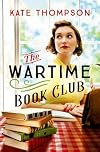
There seem to be so many World War Two novels with bookish themes these days, and while they all have lovely covers, I am a bit wary of them at the same time. This was the first one I tried - and I must say that I absolutely loved it, and it has set a high standard for any other ones I might read!
The story is set on Jersey during the occupation, a topic which I did not know much about before reading this. Bea works at the post office, while her best friend Grace is the town's librarian. show more During the course of the occupation they both fight the Germans in their own ways, trying to make the most of their situation, although they also experience a lot of dangers, heartbreak and suffering.
The novel is a real page turner and I could hardly set it aside. There are dark topics as the author does not shy away from describing the dire situation of the island's residents under the Nazis. But there are also bright moments, and they are provided by books more often than not. A love of literature really shines through this novel and it shows how books can give hope and solace, and also how they connect people.
Although the novel covers several years, a lot happens throughout these years, which sometimes seems a bit much for two protagonists. It felt a bit like that during the novel, but I had to rethink this notion to some extent when I read the appendix. Although, of course, in a novel the action needs to be somewhat condensed and thickened to provide a plot, most of the stories (not the book club part, though) are based on true stories that the author discovered during her research, and I cannot fault her for including as much as possible.
This leads me to the appendix of the book, which is amazing and which I did not expect in a historical novel such as this. It is about sixty pages long in my kindle edition, and it features a lot of background information from the extensive research that the author did on site in Jersey. You learn more about what actually happened at the post office in Jersey as a form of resistance, true stories that found their way into the novel, information on the Jersey inhabitants during the occupation, many photographs, recollections of interviews with contemporary witnesses, lists for further reading and even a small travel guide of World War Two sites on Jersey. It is a fascinating and humbling insight into a place that is often overlooked when it comes to the vast topic of World War Two. The Channel Islands had a special role and a particular fate as they were small islands and so close to France. Resistance was much harder and much more dangerous because of this situation, yet there were people who tried their best and risked their lives to fight the Germans even in small ways and to help others under the harshest of conditions. This book pays tribute to them and while I love the idea of the bookclub and all the literary themes, it would even have been an outstanding novel without that. show less
The story is set on Jersey during the occupation, a topic which I did not know much about before reading this. Bea works at the post office, while her best friend Grace is the town's librarian. show more During the course of the occupation they both fight the Germans in their own ways, trying to make the most of their situation, although they also experience a lot of dangers, heartbreak and suffering.
The novel is a real page turner and I could hardly set it aside. There are dark topics as the author does not shy away from describing the dire situation of the island's residents under the Nazis. But there are also bright moments, and they are provided by books more often than not. A love of literature really shines through this novel and it shows how books can give hope and solace, and also how they connect people.
Although the novel covers several years, a lot happens throughout these years, which sometimes seems a bit much for two protagonists. It felt a bit like that during the novel, but I had to rethink this notion to some extent when I read the appendix. Although, of course, in a novel the action needs to be somewhat condensed and thickened to provide a plot, most of the stories (not the book club part, though) are based on true stories that the author discovered during her research, and I cannot fault her for including as much as possible.
This leads me to the appendix of the book, which is amazing and which I did not expect in a historical novel such as this. It is about sixty pages long in my kindle edition, and it features a lot of background information from the extensive research that the author did on site in Jersey. You learn more about what actually happened at the post office in Jersey as a form of resistance, true stories that found their way into the novel, information on the Jersey inhabitants during the occupation, many photographs, recollections of interviews with contemporary witnesses, lists for further reading and even a small travel guide of World War Two sites on Jersey. It is a fascinating and humbling insight into a place that is often overlooked when it comes to the vast topic of World War Two. The Channel Islands had a special role and a particular fate as they were small islands and so close to France. Resistance was much harder and much more dangerous because of this situation, yet there were people who tried their best and risked their lives to fight the Germans even in small ways and to help others under the harshest of conditions. This book pays tribute to them and while I love the idea of the bookclub and all the literary themes, it would even have been an outstanding novel without that. show less
I love a well-researched historical fiction novel and Kate Thompson’s previous novel, The Little Wartime Library, combined research with a non-stop, no holds barred story. The Wartime Book Club wasn’t as engrossing for me, but I still enjoyed this World War II story.
The story is about Grace, a librarian in Jersey during the occupation by the Nazis. She has a secret cupboard in the library for the books that have been banned in the hope that they can again one day be read. Her friend Bea show more is a postwoman, fighting her war against the invasion by delaying or preventing poison pen letters calling out others for their own means of resistance. The citizens of Jersey are tired and hungry, starved for news too and earning a little bit of money is the only way some feel they can survive. There is a lot of loss and suffering during the novel for both Grace and Bea, but there are also many stories of courage. Some people take in and care for escapees, others listen to the radio and share information from the Allies’ side. To raise morale, Grace starts a book club in the library where people can gather (with the approved censor) and read. As Bea gets closer and closer to being caught for her acts of resistance, Grace falls in love. But will she sacrifice her own happiness to save Bea?
I enjoyed the story, although I am getting a little over stories of librarians of late, particularly in war time. (Not to say that librarians aren’t awesome, but I’ve read a lot of stories lately about them). Some parts did seem a little similar to events from The Little Wartime Library, which does make sense because of the time period. I think my main issue was that I didn’t really gel with Grace as a character as she seemed both distant and too perfect. She’s the voice of reason and self-sacrifices a lot for others but she just wasn’t that likeable. We just didn’t seem to know her character as well. Bea was clearly flawed, suffering with grief and a fierce determination to try to protect others. She bared herself on the page. Because of this, she caught my interest a lot more and I looked forward to reading the chapters from her perspective.
A lot happens in this novel, which I did like. The plot is fast paced and the large number of characters means that something is always going on. Definitely no filler! The book has an extensive background at the end of the novel, which discusses many of the topics in the book and the research that went into them. These additional notes are always an informative and enjoyable part of Thompson’s novels. The editing could have been a little tighter and there are some glaring typos, but overall it’s a decent read that I liked.
http://samstillreading.wordpress.com show less
The story is about Grace, a librarian in Jersey during the occupation by the Nazis. She has a secret cupboard in the library for the books that have been banned in the hope that they can again one day be read. Her friend Bea show more is a postwoman, fighting her war against the invasion by delaying or preventing poison pen letters calling out others for their own means of resistance. The citizens of Jersey are tired and hungry, starved for news too and earning a little bit of money is the only way some feel they can survive. There is a lot of loss and suffering during the novel for both Grace and Bea, but there are also many stories of courage. Some people take in and care for escapees, others listen to the radio and share information from the Allies’ side. To raise morale, Grace starts a book club in the library where people can gather (with the approved censor) and read. As Bea gets closer and closer to being caught for her acts of resistance, Grace falls in love. But will she sacrifice her own happiness to save Bea?
I enjoyed the story, although I am getting a little over stories of librarians of late, particularly in war time. (Not to say that librarians aren’t awesome, but I’ve read a lot of stories lately about them). Some parts did seem a little similar to events from The Little Wartime Library, which does make sense because of the time period. I think my main issue was that I didn’t really gel with Grace as a character as she seemed both distant and too perfect. She’s the voice of reason and self-sacrifices a lot for others but she just wasn’t that likeable. We just didn’t seem to know her character as well. Bea was clearly flawed, suffering with grief and a fierce determination to try to protect others. She bared herself on the page. Because of this, she caught my interest a lot more and I looked forward to reading the chapters from her perspective.
A lot happens in this novel, which I did like. The plot is fast paced and the large number of characters means that something is always going on. Definitely no filler! The book has an extensive background at the end of the novel, which discusses many of the topics in the book and the research that went into them. These additional notes are always an informative and enjoyable part of Thompson’s novels. The editing could have been a little tighter and there are some glaring typos, but overall it’s a decent read that I liked.
http://samstillreading.wordpress.com show less
The Little Wartime Library: A gripping, heart-wrenching page-turner based on real events by Kate Thompson
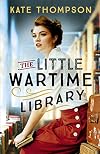
A story set in wartime in a library…..my kind of book. The Little Wartime Library is an absolute joy to read, a beautiful, moving and uplifting book that I loved.
The year is 1944 and Clara Button is a librarian in Bethnal Green. This is no ordinary library though. When the area's library was bombed, Clara took it underground to the unused Bethnal Green tube station. She found herself with a captive audience as thousands of people had to live in the station due to the housing crisis caused show more by the blitz and other bombing campaigns. It's a terrible situation but a great sense of friendship and camaraderie develops down there.
I loved this book so much. It's full of the stoicism of life at war. Clara faces obstacles every way she turns but she makes the best of it. I loved Clara for her love of books, her care for people, her nurture of children, the way she had a knack of guessing people's favourite books, and her gentle and lovely personality. Working alongside her best friend, Ruby, she transforms lives with her little library. Ruby is fantastic too, sexy, raunchy and feisty, she's the antithesis of Clara's quiet fortitude.
This is my first Kate Thompson book and I have no idea why as she writes exactly the kind of books I enjoy. There are some delightful touches in this book, like using real librarian's quotes at the beginning of each chapter and then weaving that quote into the story. It's based around true events and the author blended fact and fiction perfectly so it never felt forced.
The Little Wartime Library gave me all the feels. It made me smile, it made me laugh long and hard in a couple of places, and I found it touching and heart-breaking. It's a wonderful book. show less
The year is 1944 and Clara Button is a librarian in Bethnal Green. This is no ordinary library though. When the area's library was bombed, Clara took it underground to the unused Bethnal Green tube station. She found herself with a captive audience as thousands of people had to live in the station due to the housing crisis caused show more by the blitz and other bombing campaigns. It's a terrible situation but a great sense of friendship and camaraderie develops down there.
I loved this book so much. It's full of the stoicism of life at war. Clara faces obstacles every way she turns but she makes the best of it. I loved Clara for her love of books, her care for people, her nurture of children, the way she had a knack of guessing people's favourite books, and her gentle and lovely personality. Working alongside her best friend, Ruby, she transforms lives with her little library. Ruby is fantastic too, sexy, raunchy and feisty, she's the antithesis of Clara's quiet fortitude.
This is my first Kate Thompson book and I have no idea why as she writes exactly the kind of books I enjoy. There are some delightful touches in this book, like using real librarian's quotes at the beginning of each chapter and then weaving that quote into the story. It's based around true events and the author blended fact and fiction perfectly so it never felt forced.
The Little Wartime Library gave me all the feels. It made me smile, it made me laugh long and hard in a couple of places, and I found it touching and heart-breaking. It's a wonderful book. show less
Lists
You May Also Like


Statistics
- Works
- 9
- Members
- 701
- Popularity
- #36,119
- Rating
- 4.2
- Reviews
- 37
- ISBNs
- 410
- Languages
- 12