
Jean-Luc Nancy (1940–2021)
Author of The Inoperative Community
About the Author
Jean-Luc Nancy (1940-2021) was Professor Emeritus of Philosophy at the University of Strasbourg.
Image credit: Wikipedia
Works by Jean-Luc Nancy
Maurice Blanchot, Passion politique : Lettre-récit de 1984 suivie d'une lettre de Dionys Mascolo (2011) 8 copies
La Peau fragile du monde (Avec un poème de Jean-Christophe Bailly et une étude de Juan Manuel Garrído) (2020) 3 copies
À la musique 2 copies
Con 2 copies
C'EST QUOI PENSER PAR SOI-MEME ? (MONDE EN COURS - ESSAIS) (French Edition) (2015) — Author — 2 copies
Estasi 1 copy
La Pensee Derobee 1 copy
Où cela s'est-il passé ?: où cela est-il passé ? cela s'est-il passé ? cela est-il passé ? 1 copy
O mito nazista 1 copy
Sexpositions 1 copy
Dekonstrukcija hrišćanstva 1 copy
Coeur ardent 1 copy
Comunitatea absentă 1 copy
Banalidade de Heidegger 1 copy
La pelle fragile del mondo 1 copy
corpo, fora 1 copy
A comunidade inoperada 1 copy
Corpo Nudo 1 copy
O título da letras 1 copy
Dva ogleda 1 copy
Associated Works
The Literary Absolute: The Theory of Literature in German Romanticism (1978) — Author, some editions — 93 copies
Tagged
Common Knowledge
- Canonical name
- Nancy, Jean-Luc
- Birthdate
- 1940-07-26
- Date of death
- 2021-08-23
- Gender
- male
- Education
- University of Paris (agg. 1962|Ph.D|1973)
Université de Toulouse-Le-Mirail (Docteur d'État|1987) - Occupations
- philosopher
professor - Organizations
- Université des Sciences Humaines de Strasbourg
- Nationality
- France
- Birthplace
- Bordeaux, Gironde, Nouvelle-Aquitaine, France
- Place of death
- Strasbourg, Bas-Rhin, Grand-Est, France
- Associated Place (for map)
- France
Members
Reviews

Pbbbbbt. (That's a farting noise.) This is about as low as it's possible for me to score a book when I agree with virtually everything in it (oh important caveat! everything I understood). But the thing with that is, Jean-Luc Nancy, could you say anything more boring (than the stuff I understood)??? Humans desire community? And this was a big part of why communism was appealing? But it didn't quite deliver in practice? Farting noise. And then, I dunno, there is a lot of deeply insular show more continental philosophy stuff (I mean not just abstruse or poststructural or whatever, I mean highly technical points about small dark corners of technical systems where Heidegger's concept y addresses Husserl's problem x but in turn raises problem z that can only be addressed by Georges Bataille, the master of life and death. I haven't read Bataille, but I always had the idea he was kind of cool, kind of a freak, and Nancy makes him sound like a truly obnoxious fuck, spurious in the scholastic as opposed to the mystic mould, and not even fun at parties. Oh, one thing I did get out of this was a fairly strong and bracing rejection of Sartre's (yes, occasionally insufferable) ideas about existential authenticity being rooted in the need to take action to retain or achieve individual self-respect in the face of an unjust world--Nancy sees the only solutions to oppression as collective ones, existentialism as essentially (I think, though he doesn't say it right out) aristocratic and evil, and while that's so obviously simplistic (perhaps motivating some of the more obscurantist features of his work), I agree to a certain extent. show less
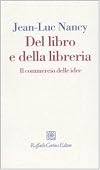
Il commercio delle idee: del libro e della libreria
Liber: pellicola situata tra la corteccia e il legno, tra il cortex e il lignum, tra il pensiero esposto e l’intimità nodosa, interfaccia del fuori e del dentro, essa stessa né fuori né dentro, volta verso l’uno come verso l’altro, mentre volge l’uno verso l’altro, rivolta l’uno nell’altro. Qualunque cosa il libro possa diventare – digitalizzato, smaterializzato e virtualizzato così come rilegato in cuoio e foglie d’oro show more – non è possibile che non rimanga, per quanto sottile possa diventare, “per il lettore blocco puro – trasparente” attraverso il quale non accediamo ad altro che a noi stessi, gli uni agli altri ma in ciascuno come in geroglifico.
La vera proprietà del libro, la sua “virtus operativa” o la sua “vis magica”, ciò che si potrebbe chiamare la sua “librarietà”, si trova solamente nel rapporto che esso stabilisce e mantiene tra la sua apertura e la sua chiusura. A differenza della porta del proverbio, non è necessario che un libro sia aperto o chiuso: è sempre tra i due stati, passa sempre da uno all’altro.
Questo passaggio continuo e incessantemente reversibile – il libro aperto infatti si richiude proprio mentre il libro chiuso si apre – dipende dal fatto che il libro non può essere considerato né semplicemente come un “contenente” né propriamente come un “contenuto”. Il libro non è l’oggetto che è possibile riporre su uno scaffale o posare su un tavolo, e non è nemmeno il testo che risulta stampato sulle sue pagine. Ma va piuttosto dall’uno all’altro, o meglio si mantiene nella tensione tra i due: apre questa tensione, la suscita e non smette di alimentarla con il susseguirsi delle sue pagine, affidandola al suo volume come ad una sorta di repositorio…
Un omaggio al libro, a questo strano oggetto, o merce, a al luogo in cui esso viene messo in vendita, la libreria, affidato alle cure di quel singolare commerciante che è il libraio, a cui spetta non solo vendere, ma innanzitutto scegliere, esporre, offrire il libro alla curiosità del lettore. Una curiosità che si rivolge in prima battuta alla “materia” del libro, che si manifesta nel contatto sensibile con le sue pagine, la sua copertina, il suo formato. Solo qui si espone l’Idea del libro: un’idea o un “senso”, inseparabili dalla materialità. Il libro è per Jean-Luc Nancy l’elemento distintivo della nostra cultura, in quanto privo di un senso giò dato, di una verità assoluta e unitaria, che precede la sua esposizione, sempre particolare e finita e quindi sempre plurale.
Parlando del libro, Nancy riprende così i temi fondamentali del suo pensiero: la materialità o la corporeità del “senso”, il suo darsi sempre in una superficie, nelle pieghe e nelle aperture che la attraversano, nella sua costitutiva impurità. E lo fa con una scrittura singolare che nella sua straordinaria densità, contamina linguaggio filosofico e poetico, termini tecnici e gergali.
L’autore del libro Jean-Luc Nancy è uno dei filosofi contemporanei più originali ed innovativi. Insegna all’università di Strasburgo. show less
Liber: pellicola situata tra la corteccia e il legno, tra il cortex e il lignum, tra il pensiero esposto e l’intimità nodosa, interfaccia del fuori e del dentro, essa stessa né fuori né dentro, volta verso l’uno come verso l’altro, mentre volge l’uno verso l’altro, rivolta l’uno nell’altro. Qualunque cosa il libro possa diventare – digitalizzato, smaterializzato e virtualizzato così come rilegato in cuoio e foglie d’oro show more – non è possibile che non rimanga, per quanto sottile possa diventare, “per il lettore blocco puro – trasparente” attraverso il quale non accediamo ad altro che a noi stessi, gli uni agli altri ma in ciascuno come in geroglifico.
La vera proprietà del libro, la sua “virtus operativa” o la sua “vis magica”, ciò che si potrebbe chiamare la sua “librarietà”, si trova solamente nel rapporto che esso stabilisce e mantiene tra la sua apertura e la sua chiusura. A differenza della porta del proverbio, non è necessario che un libro sia aperto o chiuso: è sempre tra i due stati, passa sempre da uno all’altro.
Questo passaggio continuo e incessantemente reversibile – il libro aperto infatti si richiude proprio mentre il libro chiuso si apre – dipende dal fatto che il libro non può essere considerato né semplicemente come un “contenente” né propriamente come un “contenuto”. Il libro non è l’oggetto che è possibile riporre su uno scaffale o posare su un tavolo, e non è nemmeno il testo che risulta stampato sulle sue pagine. Ma va piuttosto dall’uno all’altro, o meglio si mantiene nella tensione tra i due: apre questa tensione, la suscita e non smette di alimentarla con il susseguirsi delle sue pagine, affidandola al suo volume come ad una sorta di repositorio…
Un omaggio al libro, a questo strano oggetto, o merce, a al luogo in cui esso viene messo in vendita, la libreria, affidato alle cure di quel singolare commerciante che è il libraio, a cui spetta non solo vendere, ma innanzitutto scegliere, esporre, offrire il libro alla curiosità del lettore. Una curiosità che si rivolge in prima battuta alla “materia” del libro, che si manifesta nel contatto sensibile con le sue pagine, la sua copertina, il suo formato. Solo qui si espone l’Idea del libro: un’idea o un “senso”, inseparabili dalla materialità. Il libro è per Jean-Luc Nancy l’elemento distintivo della nostra cultura, in quanto privo di un senso giò dato, di una verità assoluta e unitaria, che precede la sua esposizione, sempre particolare e finita e quindi sempre plurale.
Parlando del libro, Nancy riprende così i temi fondamentali del suo pensiero: la materialità o la corporeità del “senso”, il suo darsi sempre in una superficie, nelle pieghe e nelle aperture che la attraversano, nella sua costitutiva impurità. E lo fa con una scrittura singolare che nella sua straordinaria densità, contamina linguaggio filosofico e poetico, termini tecnici e gergali.
L’autore del libro Jean-Luc Nancy è uno dei filosofi contemporanei più originali ed innovativi. Insegna all’università di Strasburgo. show less
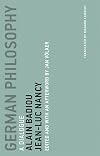
This’ll make you want to re-read everybody you should have been re-reading anyway, the questions posed are truly exceptional and perfectly (un)timely, answered by two intellectual juggernauts at the top of their game. Here’s a rather simple exchange in the grand scheme of the discussion, but I liked it quite a bit.
BADIOU
Since the Greeks, I think that the gods, in many different manifestations, haven’t ceased to die—and to rise again, here and there.
NANCY
But if they really have show more risen again, there have also been many false resurrections. But doesn’t that also mean that the task of philosophy cannot simply be to rediscover or reach a point where “it” will be given again? “It” being the truth. Because we could then know it (anew) in its entirety as given? Or because it—the true—would begin to be given again?
BADIOU
I think that the task of philosophy is to find rational and shareable protocols so that humanity isn’t poisoned by its mourning of the death of the gods. show less
BADIOU
Since the Greeks, I think that the gods, in many different manifestations, haven’t ceased to die—and to rise again, here and there.
NANCY
But if they really have show more risen again, there have also been many false resurrections. But doesn’t that also mean that the task of philosophy cannot simply be to rediscover or reach a point where “it” will be given again? “It” being the truth. Because we could then know it (anew) in its entirety as given? Or because it—the true—would begin to be given again?
BADIOU
I think that the task of philosophy is to find rational and shareable protocols so that humanity isn’t poisoned by its mourning of the death of the gods. show less
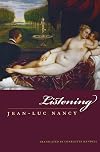
Very nice book of musical theory (although it doesn't quite stand up to my gold standard, the one paragraph on music in Artaud's second call for a Theater of Cruelty). This book also flirts with the idea of a phenomenology based on aural metaphors rather than visual ones.
(as a side note, i find it a little suspect that this book is supposed to be anti-authoritarian despite its only examples of music being classical compositions)
(as a side note, i find it a little suspect that this book is supposed to be anti-authoritarian despite its only examples of music being classical compositions)
Awards


You May Also Like


Associated Authors
Statistics
- Works
- 216
- Also by
- 8
- Members
- 2,420
- Popularity
- #10,592
- Rating
- 3.4
- Reviews
- 19
- ISBNs
- 536
- Languages
- 13
- Favorited
- 3