
Laurent Bouzereau
Author of Star Wars: The Making of Episode I: The Phantom Menace
About the Author
Works by Laurent Bouzereau
The Art of Bond: From Storyboard to Screen: The Creative Process Behind the James Bond Phenomenon (2006) 73 copies, 2 reviews
A Night At The Movies 1 copy
Ultra Violent Movies 1 copy
Associated Works
The Complete Making of Indiana Jones: The Definitive Story Behind All Four Films (2008) — Interviewer — 179 copies, 4 reviews
Tagged
Common Knowledge
- Canonical name
- Bouzereau, Laurent
- Birthdate
- 1962
- Gender
- male
- Nationality
- France
- Associated Place (for map)
- France
Members
Reviews
The Art of Bond: From Storyboard to Screen: The Creative Process Behind the James Bond Phenomenon by Laurent Bouzereau
The Philandering Toff Who Would Be Bond
By LIESL SCHILLINGER
THE MAN WHO SAVED BRITAIN
A Personal Journey into the Disturbing World of James Bond.
By Simon Winder.
312 pp. Farrar, Straus & Giroux.
$25.
THE ART OF BOND
From the Storyboard to Screen: The Creative Process Behind the James Bond Phenomenon.
By Laurent Bouzereau.
240 pp. Harry N. Abrams.
$40.
THREE little words, possibly the most powerful ever strung together, shake the soul and stir the blood of practically every moviegoing man on the show more planet: “Bond, James Bond.”
And yet, in 1953, the year that this icon of British influence first appeared in print in Ian Fleming’s thriller “Casino Royale,” the country he glorified, Britain, had lost its empire, was reeling from two world wars, which had left its populace economically and emotionally battered, and was suffering from what Simon Winder calls “a sort of paroxysm of national self-loathing.”
In “The Man Who Saved Britain,” Mr. Winder’s ravishingly original reflection on the rise of the world’s most revered British subject, he ruefully admits his own fascination with Bond, while acknowledging that the imperial excellence he embodies had crumbled long before Fleming put finger to gold-plated typewriter.
Fleming, Mr. Winder writes, was a decaying remnant of the defunct British Empire — a “cynical upper-class waster” and “banal philandering toff,” who was raised with “sheer imbecile levels of privilege” and wrote his fantasies of Bond to stroke his own ego. His character’s tersely macho name came from a guidebook to birds of the West Indies, which Fleming liked to leaf through at his Jamaican retreat.
In other words, the hero the world worships was invented by an escapist snob, named after an obscure ornithologist and used by his creator to soothe the “neuroses, panics, highs, dreams and disappointments of a Britain that has now vanished and whose death throes he romanced.” (It could be a sinister scheme of the Bond archvillain Blofeld.)
An Englishman himself, Mr. Winder writes that he understands why Britons embraced Bond. When Agent 007 jetted onto the scene, vanquishing evil foreign foes and seducing sex kittens between vodka martinis, he gave his countrymen “profound, wistful reassurance that for at least one British male, things were still going well.” But, he asks, “What did the rest of the world see in these films?” As a man who at 42 is still haunted by the first Bond movie he saw (“Live and Let Die”), at age 10, while slurping on a rum-filled chocolate bar, he has had time to come up with a theory or two.
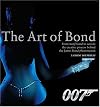
WHILE England’s reputation has been more or less on the mend since the 1980s, 007’s fame has never flagged. The 21st film in the Bond cavalcade, a remake of “Casino Royale,” is to open next week, with Bond played by Daniel Craig. Just in time for the premiere, the movie buff Laurent Bouzereau has released an irresistible compilation of photographs, stills, storyboards, posters, book jackets, scores and sketches from Bond’s mythic half-century.
In a spirit of inclusion, stills of Mr. Craig appear among shots of Sean Connery, Diana Rigg (the one and only Mrs. Bond) and the steel-tooth assassin, Jaws. There is even a full-page advertisement of Mr. Craig in black tie, sporting a Bond-franchise-sanctioned Omega Seamaster watch.
Before you scoff in Bondlike derision, remember that Fleming himself was a shameless brand-name dropper. In his books, he specified every drink 007 drank (for example, Wolfschmidt vodka from Riga), every car he drove (like Aston Martins and battleship gray Bentleys), every smoke he smoked (Morlands of Grosvenor Street, with three gold rings on the filter) and even his bath oil (Floris). “Casino Royale,” Mr. Winder notes, was “the first great hymn to consumerism.”
Mr. Bouzereau’s homage contains hundreds of brief, revealing interviews with actors, directors, musicians and, yes, marketers. They have guilty appeal. Some convey privy information, like who thought up the tentacled love nest in “Octopussy” (the production designer Peter Lamont) or what made Ridley Scott decide to be a film director (a college field trip to the set of “Dr. No”). Others are simply fun, like the caption to a picture of Steven Spielberg leaning against his sports car. The director, a confirmed fan of 007, confides, “I own a DB9 Aston Martin, and the only reason why I have it is because of James Bond.”
Likewise, most of these pages are devoted to frank idolatry. Mr. Bouzereau brings together images of awe-inspiring sets by Ken Adam, like the watery warhead hangar in “The Spy Who Loved Me,” and close-ups of Bond fetish objects, like the shoe with the pop-out knife that Lotte Lenya wore in “From Russia With Love.” Delectable snapshots preserve a lean, bright-eyed Roger Moore, standing by a “Trespassers Will Be Eaten” sign at the alligator farm in “Live and Let Die”; and a glamorous young Ursula Andress.
Best of all is a picture of Mr. Connery napping on the set, which shows that Bond is sexier asleep than most men can dream of being when awake. It’s enough to make a Bond girl sigh, “Oh, James!” show less
By LIESL SCHILLINGER
THE MAN WHO SAVED BRITAIN
A Personal Journey into the Disturbing World of James Bond.
By Simon Winder.
312 pp. Farrar, Straus & Giroux.
$25.
THE ART OF BOND
From the Storyboard to Screen: The Creative Process Behind the James Bond Phenomenon.
By Laurent Bouzereau.
240 pp. Harry N. Abrams.
$40.
THREE little words, possibly the most powerful ever strung together, shake the soul and stir the blood of practically every moviegoing man on the show more planet: “Bond, James Bond.”
And yet, in 1953, the year that this icon of British influence first appeared in print in Ian Fleming’s thriller “Casino Royale,” the country he glorified, Britain, had lost its empire, was reeling from two world wars, which had left its populace economically and emotionally battered, and was suffering from what Simon Winder calls “a sort of paroxysm of national self-loathing.”
In “The Man Who Saved Britain,” Mr. Winder’s ravishingly original reflection on the rise of the world’s most revered British subject, he ruefully admits his own fascination with Bond, while acknowledging that the imperial excellence he embodies had crumbled long before Fleming put finger to gold-plated typewriter.
Fleming, Mr. Winder writes, was a decaying remnant of the defunct British Empire — a “cynical upper-class waster” and “banal philandering toff,” who was raised with “sheer imbecile levels of privilege” and wrote his fantasies of Bond to stroke his own ego. His character’s tersely macho name came from a guidebook to birds of the West Indies, which Fleming liked to leaf through at his Jamaican retreat.
In other words, the hero the world worships was invented by an escapist snob, named after an obscure ornithologist and used by his creator to soothe the “neuroses, panics, highs, dreams and disappointments of a Britain that has now vanished and whose death throes he romanced.” (It could be a sinister scheme of the Bond archvillain Blofeld.)
An Englishman himself, Mr. Winder writes that he understands why Britons embraced Bond. When Agent 007 jetted onto the scene, vanquishing evil foreign foes and seducing sex kittens between vodka martinis, he gave his countrymen “profound, wistful reassurance that for at least one British male, things were still going well.” But, he asks, “What did the rest of the world see in these films?” As a man who at 42 is still haunted by the first Bond movie he saw (“Live and Let Die”), at age 10, while slurping on a rum-filled chocolate bar, he has had time to come up with a theory or two.
WHILE England’s reputation has been more or less on the mend since the 1980s, 007’s fame has never flagged. The 21st film in the Bond cavalcade, a remake of “Casino Royale,” is to open next week, with Bond played by Daniel Craig. Just in time for the premiere, the movie buff Laurent Bouzereau has released an irresistible compilation of photographs, stills, storyboards, posters, book jackets, scores and sketches from Bond’s mythic half-century.
In a spirit of inclusion, stills of Mr. Craig appear among shots of Sean Connery, Diana Rigg (the one and only Mrs. Bond) and the steel-tooth assassin, Jaws. There is even a full-page advertisement of Mr. Craig in black tie, sporting a Bond-franchise-sanctioned Omega Seamaster watch.
Before you scoff in Bondlike derision, remember that Fleming himself was a shameless brand-name dropper. In his books, he specified every drink 007 drank (for example, Wolfschmidt vodka from Riga), every car he drove (like Aston Martins and battleship gray Bentleys), every smoke he smoked (Morlands of Grosvenor Street, with three gold rings on the filter) and even his bath oil (Floris). “Casino Royale,” Mr. Winder notes, was “the first great hymn to consumerism.”
Mr. Bouzereau’s homage contains hundreds of brief, revealing interviews with actors, directors, musicians and, yes, marketers. They have guilty appeal. Some convey privy information, like who thought up the tentacled love nest in “Octopussy” (the production designer Peter Lamont) or what made Ridley Scott decide to be a film director (a college field trip to the set of “Dr. No”). Others are simply fun, like the caption to a picture of Steven Spielberg leaning against his sports car. The director, a confirmed fan of 007, confides, “I own a DB9 Aston Martin, and the only reason why I have it is because of James Bond.”
Likewise, most of these pages are devoted to frank idolatry. Mr. Bouzereau brings together images of awe-inspiring sets by Ken Adam, like the watery warhead hangar in “The Spy Who Loved Me,” and close-ups of Bond fetish objects, like the shoe with the pop-out knife that Lotte Lenya wore in “From Russia With Love.” Delectable snapshots preserve a lean, bright-eyed Roger Moore, standing by a “Trespassers Will Be Eaten” sign at the alligator farm in “Live and Let Die”; and a glamorous young Ursula Andress.
Best of all is a picture of Mr. Connery napping on the set, which shows that Bond is sexier asleep than most men can dream of being when awake. It’s enough to make a Bond girl sigh, “Oh, James!” show less
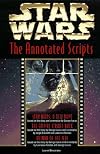
Laurent Bouzereau's Star Wars: The Annotated Screenplays features the theatrical scripts of the Original Star Wars Trilogy along with annotations from George Lucas, Irvin Kershner, Lawrence Kasdan, Ralph McQuarrie and others. Bouzereau carefully combed details from early drafts and script treatments, explaining how ideas were formed, discarded, reused, and referenced later. He also includes notes for the Special Editions of the films and how the studio went back to reshoot or recreate show more certain scenes that didn't make the original cuts. Bouzereau writes, "It all began in 1973 when Lucas sat down and wrote a forty-page outline entitled 'Journal of the Whills' about 'Mace Windy, a revered Jedi Bendu of Ophuchi,' as told by 'C.J. Thorpe, Padawaan learner of the famed Jedi'" (pg. viii). Though the prequel trilogy had not yet appeared, some of these details further demonstrate how Lucas tied those films to his early ideas. Of course, J. W. Rinzler now has three coffee table books complete with script details and production artwork/photographs that detail the making of each of the three films in greater detail. Further, Rinzler, along with Mike Mayhew and George Lucas, adapted Lucas's first draft into a graphic novel for Dark Horse Comics. That said, as the first draft of Star Wars history, this book will remain of interest for fans who want to know more about the franchise's history. show less
The Art of Bond: From Storyboard to Screen: The Creative Process Behind the James Bond Phenomenon by Laurent Bouzereau
How lucky to pick this up in a sale for the princely sum of £2. A book I suspect is worth far more. Some really good pictures and behind the scenes shots of the best series of films ever bar none. As a total bond buff I found this absorbing and pleasing for the fact that most of the contributors are usually confined to getting in the way of the dancing lady in the title sequences of the said films. Im sure we all know what bond meant to the major players, Connery Moore Lee etc but it was show more nice to here the slants of the people who made it all possible and the creative genius behind it all.
Not a lot of reading in this book but what there is coupled with the pictures have increased my knowledge further of this subject. show less
Not a lot of reading in this book but what there is coupled with the pictures have increased my knowledge further of this subject. show less

A chatty, informal biography of Alma Reville Hitchcock by her daughter, Pat Hitchcock O'Connell, the book is as much about her father, director Alfred Hitchcock, as it is about her mother. Lots of behind-the-scenes details about the movies both Hitchcocks worked on. Many family pictures, especially of Alma and daughter, Pat. Apparently Alfred much preferred being behind the camera at home, as well as on the film set. A pleasant, leisurely read.
You May Also Like


Associated Authors
Statistics
- Works
- 24
- Also by
- 1
- Members
- 826
- Popularity
- #30,877
- Rating
- 3.9
- Reviews
- 7
- ISBNs
- 33
- Languages
- 5
- Favorited
- 1