
Frank Wedekind (1864–1918)
Author of Spring Awakening: A Play
About the Author
This poet-playwright turned actor in order to produce the effect he wanted in his plays. Though as a young writer he associated himself with the naturalists, "Wedekind was not a consistent naturalist," says John Gassner (Treasury of the Theater); he was instead an original artist who was not apt to show more follow fashions". . . [and who] helped himself to much naturalistic detail to support his personal crusade for frankness about the elemental power of the sexual instinct." (Bowker Author Biography) show less
Image credit: Wikimedia Commons
Works by Frank Wedekind
Spring's Awakening 7 copies
I drammi satanici: Risveglio di primavera: Spirito della terra: Il vaso di Pandora: Il marchese di Keith (1991) 6 copies
Marianne und andere Erzählungen 6 copies
Prosa, Dramen, Verse 5 copies
Théâtre complet : Tome 2, La boîte de Pandore, une tragédie-monstre ; L'esprit de la terre ; La boîte de Pandore (1995) 5 copies
Rabbi Esra 3 copies
Ausgew_hlte Werke, v.2: Erdgeist/ Die Bôchse der Pandora/ Der Kammersaenger — Author — 2 copies
Reclam XL : Text und Kontext : Frank Wedekind : Frühlings Erwachen [2021] (2021) — Author — 2 copies
Franziska/ Simson/ Herakles 2 copies
König Nicolo oder So ist das Leben: Schauspiel in drei Aufzügen und neun Bildern mit einem Prolog (1902) 2 copies
Tragedies of Sex 2 copies
Die Fürstin Russalka 2 copies
"Earth Spirit" and "Pandora's Box" Announcement: Direct Theater (September 9- October 3, 1977) 1 copy
Frank Wedekind, Thomas Mann, Heinrich Mann. Briefwechsel mit Maximilian Harden (Pharus) (1996) 1 copy
Mine-Haha eller Unga flickors fysiska fostran : följd av Heinrich von Kleist och Läget i världen (2017) 1 copy
Gedichte und Chansons 1 copy
Wedekind: Plays One 1 copy
Wedekind Plays: 1: Spring Awakening: A Children's Tragedy, Lulu: A Monster Tragedy (World Classics) (2014) 1 copy
Gesammelte Werke 1 copy
Hamburger Lesehefte plus Königs Materialien : Frank Wedekind : Frühlings Erwachen (2021) — Text — 1 copy
Dramen und Prosa — Author — 1 copy
Überfürchtenichts 1 copy
Musik. Franziska 1 copy
Ich liebe nicht den Hundetrab. Gedichte, Bänkellieder und Balladen (Klassische Kleine Bühne) (1969) 1 copy
Damnation! 1 copy
Gesammelte Werke : Band 5 1 copy
Bei den Hallen 1 copy
Ich langeweile mich 1 copy
Die Schutzimpfung 1 copy
@ 1 copy
The Lulu Plays. 1 copy
Ausgewählte Werke in zwei Bänden. Der Marquis von Keith, König Nicolo, Karl Hetmann.Tod und Teufel usw. (2001) 1 copy
Dramen ; 1 1 copy
Prosa 1 copy
Bella, eine Hundegeschichte 1 copy
Associated Works
Tagged
Common Knowledge
- Legal name
- Wedekind, Benjamin Franklin
- Birthdate
- 1864-07-24
- Date of death
- 1918-03-09
- Gender
- male
- Occupations
- journalist
author
actor - Nationality
- Germany
- Birthplace
- Hannover, Germany
- Places of residence
- Hannover, Germany (birth)
Lenzburg, Switzerland
Munich, Bavaria, Germany (death) - Place of death
- Munich, Bavaria, Germany
- Associated Place (for map)
- Germany
Members
Reviews
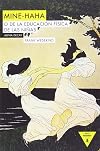
La trama comienza con Helene Engel, una anciana que entrega un manuscrito a su vecino, que resulta ser el propio autor, arrojándose posteriormente por la ventana. Dicho manuscrito consiste en unas memorias donde la protagonista narra una extraña historia. Se crió en una especie de orfanato, rodeada solo por niñas y alguna mujer, consagradas únicamente a perfeccionarse físicamente, mediante gimnasia, danza e interpretación de diversos instrumentos musicales. También actúan en obras show more de teatro con ciertos elementos eróticos, a las que asiste público, y donde el lector se da cuenta de la turbiedad del asunto, aunque no las niñas.
Interesante novela corta, fábula o relato infantil grotesco, sórdido aunque elegantemente narrado, inclasificable por lo que acontece en el mismo, tanto atmosféricamente como en todo lo relativo a esos ritos de iniciación que rodean la historia. show less
Interesante novela corta, fábula o relato infantil grotesco, sórdido aunque elegantemente narrado, inclasificable por lo que acontece en el mismo, tanto atmosféricamente como en todo lo relativo a esos ritos de iniciación que rodean la historia. show less
This is a story about several young teenagers in late 1800's Germany who are all coming to terms with what it means to be both children and adults; or at least somewhere inbetween. It's a story about exploring themselves both mentally and physically but also noticing the difference in their interactions and relations with other teenagers – and most importantly, their relation to the adult world and how the adults view and treat them and their questions and thoughts.
It's about the suicidal show more teenager who can't stop thinking about lady legs, his best friend who struggles with the ignorance of the adulthood without realising his own and the two boys who hide away in the vineyards to kiss. We meet the girl abused by her father late at night; a dark secret that is eating her up from the inside. As she somewhat tells her friends of her abuse, one of them wants to experience what abuse is like. It's truly a coming of age story; gritty and dark in ways the 80's coming of age films never allowed – but it's also filled with so much wonder and light. It's dark and it's heartbreaking but it's also bright and full of love.
This god damn play. Honestly. I've been waiting for the right time to do this review because it's so fantastic. Before this, I was not that interested in reading plays. I mean, I'd read a few Shakespeare plays before but this one changed my god damn world. Thanks to this play, I haven't only gotten into reading plays but I've become a lot more passionate about theatre than I was before; especially musical theatre. This isn't a musical but it brought me to the musical adaption of the play. Although, as much as I love the characters and the actors of the musical, very few things could beat this play.
It makes one really think about things and see things from a new perspective. I really wish I'd known about this play when I was around fourteen, fifteen because it would've helped me so much. But it feels just as important for the adult world to read; to realise their flaws and consider what they teach their children but also how and why. show less
It's about the suicidal show more teenager who can't stop thinking about lady legs, his best friend who struggles with the ignorance of the adulthood without realising his own and the two boys who hide away in the vineyards to kiss. We meet the girl abused by her father late at night; a dark secret that is eating her up from the inside. As she somewhat tells her friends of her abuse, one of them wants to experience what abuse is like. It's truly a coming of age story; gritty and dark in ways the 80's coming of age films never allowed – but it's also filled with so much wonder and light. It's dark and it's heartbreaking but it's also bright and full of love.
This god damn play. Honestly. I've been waiting for the right time to do this review because it's so fantastic. Before this, I was not that interested in reading plays. I mean, I'd read a few Shakespeare plays before but this one changed my god damn world. Thanks to this play, I haven't only gotten into reading plays but I've become a lot more passionate about theatre than I was before; especially musical theatre. This isn't a musical but it brought me to the musical adaption of the play. Although, as much as I love the characters and the actors of the musical, very few things could beat this play.
It makes one really think about things and see things from a new perspective. I really wish I'd known about this play when I was around fourteen, fifteen because it would've helped me so much. But it feels just as important for the adult world to read; to realise their flaws and consider what they teach their children but also how and why. show less
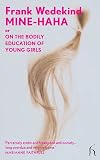
[Mine-Haha] by [[Frank Wedekind]]
I wasn’t familiar with Wedekind before reading this book, but he was apparently more well-known for his work in the theater than for his fiction, which can only make me think he was an amazing dramatist. The title story is fantastic, compelling and chilling in equal measure, and seems to me a pretty good indication that if he concentrated on fiction, he would have been just as successful in that field. As further evidence, the other two stories are just show more okay, but a strong voice shines through. Wedekind’s specialty seems to be showing characters living lives that seem normal in their outlines but turn out to be grotesquely distorted upon closer inspection.
This effect is heightened by the way the stories are told, too. Each uses a story-within-a-story framing device, which emphasizes the multilayered nature of the pieces right from the start. And that “multilayered-ness” is an essential part of Wedekind’s writing. Philip Ward, the book‘s translator, explains it well in his introduction. After providing one possible deconstruction of the title story, Ward continues, “But then, Mine-Haha can be read a dozen ways.”
Both that title and the highly provocative subtitle are apt examples of this, but a little stage-setting is needed first. “Mine-haha” is presented as a fragment of a manuscript written by an 84-year-old woman who has just thrown herself out the window of her fourth-story apartment as the piece opens. The manuscript comes into the hands of a neighbor of hers, and those pages make up the heart of the story here.
Mine-haha, were told by the neighbor/narrator at the beginning of the story, is the “title” that “appears in the notebooks” that contain the old lady’s writing. And at the end of the story, in sort of an afterward, the narrator then writes that a “young American” had informed him that Mine-haha is “Indian and means: ‘Laughing-Water.’”
But “Mine-haha” also happens to be the Germanic form of “Minnehaha,” and that’s the name of Hiawath’s lover in Longfellow’s “Song of Hiawatha.” It also appears that the more “modern” translation of “Mine-haha” is “Falling Water,” as in “Waterfall.” It’s not clear to me if Wedekind were aware of either of these two details. Certainly, if he were familiar with the Longfellow poem, there are probably further layers to the story, but I, on the other hand, am NOT familiar enough with the poem to pick them out.
Anyways, moving on to the subtitle, “On the bodily education of young girls.” That was specifically appended by the narrator, who believed it was “necessary to add it,” since the title is “frankly, hard to understand.”
Maybe. But there at least as many readings of the subtitle as there are of the title. It’s hard to believe the narrator would have used those words unless he thought the manuscript were as “perversely erotic” as Marianne Faithfull described the story itself to be in her blurb of the book. On the other hand, there is nothing else in the narrator’s forward or afterward to the manuscript to indicate he thought it was in any way erotic in any way at all.
What the manuscript describes is, in broad outline, a story about young girls being raised in a secluded, isolated sort of settlement where they are taught only dance and music. Literally. I mean, we even find out later that they haven’t been taught to read. Before the age of seven, they are with boys their age; after, only with other girls.
Their training culminates in performances of what are obviously some sort of sexual pantomimes, done in various stages of undress, but which the girls themselves don’t understand. They think their performances are more in the way of light amusements for the audience, and notably, the stage lights shine on them so brightly they can’t see the faces of the audiences, of all men.
So, the way the manuscript is written, from the viewpoint of one of those girls, their lives are “natural” and “normal.” Anything beyond this is supplied by the reader’s experience. And this reader didn’t find it “perversely erotic” but eerily dystopian in a [Handmaid’s Tale] sense.
The other two, much shorter stories, are “The Burning of Egliswyl” and “The Sacrificial Lamb,” and their quality runs in the same order. In the first, the narrator recounts how once, when he was much younger, he ended up walking with his father after school back home, in the company of a convicted arsonist hired out from the prison to help his father. During this walk, the arsonist tells the story of how he ended up in prison. It’s suitably weird and frightening, but in a more normal way; that is, it involves the conjunction between arson and sexual frustration.
The final piece trods the well-worn ground involving a prostitute telling the story of how a bad choice in men leads her to a life of sin.
In the end, if the title story were of the same quality of the other two, the book wouldn‘t be anything special. As it is, “Mine-haha” is strong enough to lift the whole into the realm of “highly recommended.” show less
I wasn’t familiar with Wedekind before reading this book, but he was apparently more well-known for his work in the theater than for his fiction, which can only make me think he was an amazing dramatist. The title story is fantastic, compelling and chilling in equal measure, and seems to me a pretty good indication that if he concentrated on fiction, he would have been just as successful in that field. As further evidence, the other two stories are just show more okay, but a strong voice shines through. Wedekind’s specialty seems to be showing characters living lives that seem normal in their outlines but turn out to be grotesquely distorted upon closer inspection.
This effect is heightened by the way the stories are told, too. Each uses a story-within-a-story framing device, which emphasizes the multilayered nature of the pieces right from the start. And that “multilayered-ness” is an essential part of Wedekind’s writing. Philip Ward, the book‘s translator, explains it well in his introduction. After providing one possible deconstruction of the title story, Ward continues, “But then, Mine-Haha can be read a dozen ways.”
Both that title and the highly provocative subtitle are apt examples of this, but a little stage-setting is needed first. “Mine-haha” is presented as a fragment of a manuscript written by an 84-year-old woman who has just thrown herself out the window of her fourth-story apartment as the piece opens. The manuscript comes into the hands of a neighbor of hers, and those pages make up the heart of the story here.
Mine-haha, were told by the neighbor/narrator at the beginning of the story, is the “title” that “appears in the notebooks” that contain the old lady’s writing. And at the end of the story, in sort of an afterward, the narrator then writes that a “young American” had informed him that Mine-haha is “Indian and means: ‘Laughing-Water.’”
But “Mine-haha” also happens to be the Germanic form of “Minnehaha,” and that’s the name of Hiawath’s lover in Longfellow’s “Song of Hiawatha.” It also appears that the more “modern” translation of “Mine-haha” is “Falling Water,” as in “Waterfall.” It’s not clear to me if Wedekind were aware of either of these two details. Certainly, if he were familiar with the Longfellow poem, there are probably further layers to the story, but I, on the other hand, am NOT familiar enough with the poem to pick them out.
Anyways, moving on to the subtitle, “On the bodily education of young girls.” That was specifically appended by the narrator, who believed it was “necessary to add it,” since the title is “frankly, hard to understand.”
Maybe. But there at least as many readings of the subtitle as there are of the title. It’s hard to believe the narrator would have used those words unless he thought the manuscript were as “perversely erotic” as Marianne Faithfull described the story itself to be in her blurb of the book. On the other hand, there is nothing else in the narrator’s forward or afterward to the manuscript to indicate he thought it was in any way erotic in any way at all.
What the manuscript describes is, in broad outline, a story about young girls being raised in a secluded, isolated sort of settlement where they are taught only dance and music. Literally. I mean, we even find out later that they haven’t been taught to read. Before the age of seven, they are with boys their age; after, only with other girls.
Their training culminates in performances of what are obviously some sort of sexual pantomimes, done in various stages of undress, but which the girls themselves don’t understand. They think their performances are more in the way of light amusements for the audience, and notably, the stage lights shine on them so brightly they can’t see the faces of the audiences, of all men.
So, the way the manuscript is written, from the viewpoint of one of those girls, their lives are “natural” and “normal.” Anything beyond this is supplied by the reader’s experience. And this reader didn’t find it “perversely erotic” but eerily dystopian in a [Handmaid’s Tale] sense.
The other two, much shorter stories, are “The Burning of Egliswyl” and “The Sacrificial Lamb,” and their quality runs in the same order. In the first, the narrator recounts how once, when he was much younger, he ended up walking with his father after school back home, in the company of a convicted arsonist hired out from the prison to help his father. During this walk, the arsonist tells the story of how he ended up in prison. It’s suitably weird and frightening, but in a more normal way; that is, it involves the conjunction between arson and sexual frustration.
The final piece trods the well-worn ground involving a prostitute telling the story of how a bad choice in men leads her to a life of sin.
In the end, if the title story were of the same quality of the other two, the book wouldn‘t be anything special. As it is, “Mine-haha” is strong enough to lift the whole into the realm of “highly recommended.” show less
 This review was written for LibraryThing Early Reviewers.
If you have heard the name Frank Wedekind it is almost certainly in relation to the G W Pabst silent classic Pandora's Box. Pabst's film is based on two plays by Wedekind. Alternatively you may have heard of him via Alban `Berg's incomplete opera Lulu. Here though we have three short stories (or are they fables?) that gleam like the gems that they are.
Hesperus Press are responsible for bringing these wonderfully written imaginative texts to our attention and they must be applauded for it. show more Part symbolist, part surreal, part expressionist, they remind me of nothing so much as The Supermale by Alfred Jarry which was actually written the year before the main fable here. I also thought of Schnitzler's Dream Story and even some of Michele Tournier's work.
In these perfectly complete tales Wedekind walks us through an almost mythical set of scenarios in a style that seems both dated and timeless at the same time: dated because so few people have sought to emulate it; timeless for its pared down, almost mundane beauty.
There are 3 gems here that everybody should know, 3 fables that question societal norms, 3 exquisitely crafted texts that demonstrate writing skills that we could all learn from. Should all learn from. show less
Hesperus Press are responsible for bringing these wonderfully written imaginative texts to our attention and they must be applauded for it. show more Part symbolist, part surreal, part expressionist, they remind me of nothing so much as The Supermale by Alfred Jarry which was actually written the year before the main fable here. I also thought of Schnitzler's Dream Story and even some of Michele Tournier's work.
In these perfectly complete tales Wedekind walks us through an almost mythical set of scenarios in a style that seems both dated and timeless at the same time: dated because so few people have sought to emulate it; timeless for its pared down, almost mundane beauty.
There are 3 gems here that everybody should know, 3 fables that question societal norms, 3 exquisitely crafted texts that demonstrate writing skills that we could all learn from. Should all learn from. show less
This review was written for LibraryThing Early Reviewers.Lists
Théâtre (1)
Favourite Books (1)
Awards


You May Also Like


Associated Authors
Statistics
- Works
- 152
- Also by
- 8
- Members
- 1,908
- Popularity
- #13,492
- Rating
- 3.5
- Reviews
- 22
- ISBNs
- 248
- Languages
- 12
- Favorited
- 5
