

Thomas Mann (1) (1875–1955)
Author of The Magic Mountain
For other authors named Thomas Mann, see the disambiguation page.
About the Author
Thomas Mann was born into a well-to-do upper class family in Lubeck, Germany. His mother was a talented musician and his father a successful merchant. From this background, Mann derived one of his dominant themes, the clash of views between the artist and the merchant. Mann's novel, Buddenbrooks show more (1901), traces the declining fortunes of a merchant family much like his own as it gradually loses interest in business but gains an increasing artistic awareness. Mann was only 26 years old when this novel made him one of Germany's leading writers. Mann went on to write The Magic Mountain (1924), in which he studies the isolated world of the tuberculosis sanitarium. The novel was based on his wife's confinement in such an institution. Doctor Faustus (1947), his masterpiece, describes the life of a composer who sells his soul to the devil as a price for musical genius. Mann is also well known for Death in Venice (1912) and Mario the Magician (1930), both of which portray the tensions and disturbances in the lives of artists. His last unfinished work is The Confessions of Felix Krull, Confidence Man (1954), a brilliantly ironic story about a nineteenth-century swindler. An avowed anti-Nazi, Mann left Germany and lived in the United States during World War II. He returned to Switzerland after the war and became a celebrated literary figure in both East and West Germany. In 1929 he was awarded the Nobel Prize for literature. (Bowker Author Biography) show less
Series
Works by Thomas Mann
Joseph and His Brothers: The Stories of Jacob, Young Joseph, Joseph in Egypt, Joseph the Provider (1934) — Author — 1,257 copies, 20 reviews
Death in Venice ; Tristan ; Tonio Kroger ; Doctor Faustus ; Mario and the magician ; A man and his dog ; The black swan ; Confessions of Felix Krull, confidence man (1903) — Author — 55 copies
Frühe Erzählungen 1893-1912: In der Fassung der Großen kommentierten Frankfurter Ausgabe (Thomas Mann, Große kommentierte Frankfurter Ausgabe. Werke, Briefe, Tagebücher) (1981) 47 copies, 1 review
Listen, Germany! Twenty-Five Radio Messages to the German People over BBC (1987) 45 copies, 1 review
Romanzi brevi. Tristano-Tonio Kröger-La morte a Venezia-Cane e padrone (1995) — Author — 34 copies, 1 review
The Letters of Heinrich and Thomas Mann, 1900-1949 (Weimar and Now: German Cultural Criticism, No 12) (1998) 27 copies, 1 review
De verkorene ; De ontgoocheling ; De klerenkast ; Uur der beproeving ; Drie essays (1963) — Author — 18 copies
Ensayos sobre musica, teatro y literatura / Essays on Music, Theater and Literature (Clasicos Modernos) (Spanish Edition) (2002) 14 copies
Order of the Day: Political Essays and Speeches of Two Decades (Essay index reprint series) (1969) 11 copies
Thomas Mann. Romane und Erzählungen. Interpretationen. (Lernmaterialien) (Literatur Studium) (1999) 9 copies
Fem berättelser : Tristan. Tonio Kröger. Döden i Venedig. Barnslig hjärtesorg. Mario och trollkarlen 7 copies
Ein Briefwechsel 7 copies
Obras escogidas 7 copies
Obras completas 7 copies
Le opere.: I Buddenbrook, Tolstoj, R. Wagner e L'anello del Nibelungo, Goethe e la democrazia (1978) 7 copies
Freud und die Zukunft 6 copies
Rede und Antwort (der philosophischen Fakultät der Rheinischen Friedrich-Wilhelms-Universität zu Bonn gewidmet) (1984) 6 copies
Neue Studien 6 copies
Dialogo con Goethe 6 copies
Carobni breg 1 6 copies
This Quarter 5 copies
Große kommentierte Frankfurter Ausgabe : Werke, Briefe, Tagebücher Bd. 12 2 Bekenntnisse des Hochstaplers Felix Krull : Der Memoiren erster Teil; Kommentar (2012) — Author — 5 copies
Novelle 5 copies
Lettere a italiani 5 copies
Новеллы 5 copies
"Die Welt ist meine Vorstellung" : eine Einführung in die "Große kommentierte Frankfurter Ausgabe" der Werke von Thomas Mann (2001) 5 copies
Späte Erzählungen 1919-1953: Text (Thomas Mann, Große kommentierte Frankfurter Ausgabe. Werke, Briefe, Tagebücher) (2021) 5 copies
Essays II. 1914-1926. Text und Kommentar, 2 Bände (große kommentierte Frankfurter Ausgabe) (2002) 4 copies
Thomas Mann. Souffrances et Grandeur de Richard Wagner. Traduit de l'allemand par Félix Bertaux (1933) 4 copies
Thomas Mann, Grosse Kommentierte Frankfurter Ausgabe: Essays, 7 Bde., Tl.1, Essays 1893-1914, m. Kommentar: 14 (2002) 4 copies
מוות בוונציה : וסיפורים אחרים 4 copies
Briefe III 1924-1932. Große kommentierte Frankfurter Ausgabe: Text und Kommentar in zwei Bänden: 23 (2002) 4 copies
Grosse kommentierte Frankfurter Ausgabe, Band 22: Briefe II 1914-1923 (mit Kommentar) (2002) 4 copies
Os famintos 4 copies
Tristan och andra noveller 4 copies
Dialogo — Author — 4 copies
Novellák 4 copies
Miszellen 4 copies
Past Masters and Other Papers 4 copies
O pensamento vivo de Schopenhauer 4 copies
Over Menno ter Braak — Author — 3 copies
Der Tod in Venedig: Erlauterungen zu Thomas Mann (Konigs Erlauterungen und Materialien) (1996) 3 copies
Seçme öyküler — Author — 3 copies
Blood of the Volsungs 3 copies
Os famintos e outras historias 3 copies
Ausgewählte Prosa 3 copies
Death in Venice and Other Stories — Author — 3 copies
Tristan. Sechs Novellen 3 copies
Nobiltà dello spirito: saggi critici 3 copies
[Brief an Heinrich Eduard Jacob über seine Biographie Joseph Haydns] (Fischer Klassik Plus) (2011) 3 copies
Noveller 3 copies
Déception 3 copies
Saggi su Goethe 3 copies
Novelle e racconti 3 copies
Thomas Mann, Die große Originalton-Edition. Feature, Lesung, O-Ton mit Thomas Mann Tonio Kröger (2015) 3 copies
Zwei Festreden 2 copies
Thomas Mann: Der Zauberberg - Der komplette Dreiteiler (Langfassung) (Fernsehjuwelen) (2013) 2 copies
Thomas Mann elbeszélései 2 copies
Novellen Zweiter Band. 2 copies
Compte rendu parisien 2 copies
Düşkün 2 copies
romanzi brevi 2 copies
Arthur Schopenhauer 2 copies
"Sie zu lieben, mein Freund, ist eine hohe Kunst.": Thomas Mann, Agnes E. Meyer - Der Briefwechsel (2017) 2 copies
Goethe und die Demokratie 2 copies
Tonio Kröger : Döden i Venedig ; Mario och trollkarlen — Author — 2 copies
Biblioteca Obscura: Der Tod in Venedig und andere Novellen: Künstlerisch illustrierte Schmuckausgabe (2025) 2 copies
Die großen Hörspiele: Buddenbrooks / Der Zauberberg / Der Tod in Venedig [ungekürzte Lesung] (2010) — Author — 2 copies
托马斯·曼作品:布登勃洛克一家 (译林经典) 2 copies
A boldogság akarása novellák 2 copies
ブッデンブローク家の人びと 中 (岩波文庫 赤 433-2) 2 copies
Nachlese : Prosa 1951-1955 2 copies
Los Buddenbrok ( 2005 ) 2 copies
Huset Buddenbrook, Bind III 2 copies
József és testvérei 1-2 2 copies
Thomas Mann művei 2. 2 copies
Sieben Aufsätze 2 copies
In memory of Masaryk 2 copies
Gesammelte Werke in zehn Bänden 2 copies
Novely a povídky 2 copies
Novellen. Erster Band 2 copies
War and Democracy 2 copies
Thomas Mann összes novellái 2 copies
Die Begegnung 2 copies
Bericht über meinen Bruder 2 copies
Ernst Penzoldt zum Abschied 2 copies
Perduta 2 copies
Le pasteur Niemöller 2 copies
Aus "Versuch über Schiller" 2 copies
Die schönsten Erzählungen 2 copies
Ansprache im Goethejahr 1949 2 copies
Doktor Faustus: Ein Film von Franz Seitz nach dem Roman von Thomas Mann (Fischer Cinema) (German Edition) (1982) 2 copies
Königliche Hoheit. Große kommentierte Frankfurter Ausgabe. 2 Bände: Textband / Kommentarband (2004) 2 copies
Grosse kommentierte Frankfurter Ausgabe, Band 21: Briefe I 1889-1913 (mit Kommentar) (2002) 2 copies
Sechzehn Jahre Vorrede zur amerikanischen Ausgabe von "Joseph und seine Brüder" in einem Bande (2011) 2 copies
Briefe 1940 - 1943 2 copies
Huset Buddenbrook II 2 copies
Válogatott tanulmányok 2 copies
Thomas Mann writes us 2 copies
Huset Buddenbrook 3 1 copy
Trolddomsbjerget. 1. bind 1 copy
A Christmas Poem 1 copy
Trolddomsbjerget. 2. bind 1 copy
Der Knabe Henoch Erzählung 1 copy
Briefwechsel (Veröffentlichungen der Deutschen Akademie für Sprache und Dichtung Darmstadt) (German Edition) (1977) 1 copy
Novellák 1 copy
Tonio Kroger BUR Bilingue 1 copy
De tio budorden : noveller 1 copy
Muerte en Venecia 1 copy
Maríó og töframaðurinn 1 copy
De ontgoocheling 1 copy
Briefe 1948-1955 1 copy
Reisebericht 1 copy
Richard Wagner und kein Ende 1 copy
Lettres de Thomas Mann 1 copy
The years of my life 1 copy
Ein Brief über Heinrich Mann 1 copy
Δύο νουβέλες γιά το φύλο, Όταν ο Γιάπε και ο Ντο Εσκομπάρ πλακώθηκαν στο ξύλο. Έκπτωτη (Gefallen) 1 copy
Thomas Mann 1 copy
Obras Completas 1 copy
Heinrich Heine, der »Gute« 1 copy
Tonio Kröger – Bilingual German-English Edition / Zweisprachig Deutsch-Englisch (German Edition) 1 copy
Literarische Porträts 1 copy
Stvaraoci i dela eseji 1 copy
Troldfjeldet. 1.-2. Bd. 1 copy
Nastanak Doktora Faustusa 1 copy
Briefe Richard Wagners 1 copy
Samtliche Erzahlungen by Mann, Thomas — Author — 1 copy
Erzälungen — Author — 1 copy
T. II. JOSÉ Y SUS HERMANOS 1 copy
LOS BUDDENBROOK TOMO II 1 copy
Ostatnie nowele 1 copy
JOSÉ EN EGIPTO 1 copy
José e os Seus Irmãos 1 copy
Királyi fenség I-II. 1 copy
Obras Completas Vol. III 1 copy
98. Relato de mi vida 1 copy
Huset Buddenbrook I 1 copy
Ein Leben in Bildern 1 copy
Thomas Manns Essays, Band 1 1 copy
Richard Wagner To essays 1 copy
Briefwechsel 1 copy
Die Stimmen der Familie Mann in Originaltönen. Mitglieder der Familie Mann berichten über das Familienleben (2001) 1 copy
Новеллы; Лотта в Веймаре 1 copy
Čarobni breg 1 copy
Doktor Faustus : život nemačkog kompozitora Adrijana Leverkina, ispričao jedan prijatelj. [1] 1 copy
Die 10 Gebote Heute. Band 1 = The 10 Commandments Today. Volume 1 = Les 10 commandements et l'époque actuelle. Tome 1 — Author — 1 copy
I Buddenbrook 5 - 7 1 copy
Trolddomsbjerget - Bind II 1 copy
Czarodziejska góra 2 1 copy
Czarodziejska góra 1 1 copy
Selbstkommentare über ' Buddenbrooks'. ( Informationen und Materialien zur Literatur). (1990) 1 copy
MANN,T., Der Erwählte. Roman. (Ffm.), S. Fischer, 1951. 320 S., 2 Bll. Olwd. - Stockholmer Gesamtausgabe. - Erste Ausgabe. (1956) 1 copy
Thomas Mann, Das erzählerische Werk in 12 Bänden: Tonio Kröger: Frühe Erzählungen. Sämtliche Erzählungen von 1893 (2002) 1 copy
Dr. Faustus und die Wirkung 1 copy
Τριστάνος 1 copy
Déception, suivi de Fiorenza 1 copy
Huset Buddenbrook, Bind 1 1 copy
Huset Buddenbrook, Bind 2 1 copy
Åndsmenneskets ansvar 1 copy
Moartea la Veneția 1 copy
Os melhores contos 1 copy
Czarodziejska góra. 1 1 copy
Novellen Bans I 1 copy
Novellen Band II 1 copy
Buddenbrooks I 1 copy
La montaña mágica, Volumen I 1 copy
Ο Φρόϋντ και το μέλλον 1 copy
Mann, Thomas 1 copy
Der alte Fontane 1 copy
[Thomas Mann. "In memoriam Menno ter Braak"] — Author — 1 copy
Der französische Einfluss 1 copy
Levelek : 1934-1955 1 copy
Death in Venice / Orestia 1 copy
Opere 1 copy
巴里日記 1 copy
STORIES. Limited Edition. A Volume in the Collected Stories of the World's Greatest Writers. (1978) 1 copy
Ensaios 1 copy
Bauschan kommt um die Ecke 1 copy
Phantasie über Goethe 1 copy
[Otto Julius Bierbaum] 1 copy
Goethe-kenkyû 1 copy
Uur der beproeving 1 copy
Scrisori 1 copy
Briefe 1 copy
Essays 1 copy
Mônchen als Kulturzentrum — Author — 1 copy
Novely a povídky. I. svazek 1 copy
Novely a povídky. II. sv. 1 copy
Carlotta a Weimar; Confessioni del cavaliere d'industria Felix Krull (Vol 5 - Tutte le opere di Thomas Mann) — Author — 1 copy
Ockulta upplevelser 1 copy
Opowiadania 1 copy
THOMAS MANN: Deutsche Hörer! Europäische Hörer!, Radiosendungen nach Deutschland 1940 bis 1945; (1986) 1 copy
Ora greve ed altri racconti 1 copy
A kiválasztott ; A törvény 1 copy
Erzählungen, vol. 1 1 copy
Schwere Stunde: [zum 100. Geburtstag von Thomas Mann am 6. 6. 1975] — Author — 1 copy
Frühe Erzählungen (1893-1912) - Kommentarband (Große kommentierte Frankfurter Ausgabe, Bd. 2/2) 1 copy
Tristão e Outros Contos 1 copy
Es geht um den Menschen 1 copy
Nagy Frigyes 1 copy
Krull in defense of love' 1 copy
Chez le prophète nouvelle 1 copy
Heinrich von Kleist 1 copy
Lessings nationale Sendung 1 copy
Un'apologia dell'amore 1 copy
Freud Feuchtwanger 1 copy
Levelek 1 copy
Mibhar has-sippūrim 1 copy
Die Amme hatte die Schuld. Ein literarischer Staffellauf mit dem kleinen Herrn Friedemann (1997) 1 copy
Retour d'Amérique 1 copy
Der Tod in Venedig : Text, Materialien, Kommentar mit den bisher unveröffentlichten Arbeitsnotizen Thomas Manns (1983) 1 copy
Chết ở Venice 1 copy
A letter from Thomas Mann 1 copy
Erich von Kahler 1 copy
Reden und Aufsätze. Band 2 1 copy
Reden und Aufsätze. Band 1 1 copy
Buddebrooks 1 1 copy
The Bible [stark gekürzt] 1 copy
`Allamatni al-hajat 1 copy
Zor Saat 1 copy
Buddebrooks 2 1 copy
Dílo Thomase Manna 1 copy
Schriftsteller der Gegenwart 1 copy
Listy 1937-1947. [T.] 2 1 copy
Listy 1889-1936. T. 1 1 copy
Wagner och vår tid : Essäer, betraktelser, brev — Author — 1 copy
La historias de JacSob 1 copy
Große kommentierte Frankfurter Ausgabe : Werke, Briefe, Tagebücher [...] 6 2 Essays 1945 - 1950 Kommentar (2002) 1 copy
Buddebrooks 3 1 copy
Geleitwort 1 copy
Railway Accident [short fiction] — Author — 1 copy
آل بودنبروك - الجزء الأول 1 copy
آل بودنبروك - الجزء الثانى 1 copy
آل بودنبروك - الجزء الثالث 1 copy
Buddebrooks 4 1 copy
Die schönsten Erzählungen 1 copy
Kampf um München als Kulturzentrum: sechs Vorträge — Author — 1 copy
Kjell Erik Killi Olsen 1 copy
טריסטאן ; אדון פרידמאן הקטן 1 copy
Drie essays 1 copy
Nuvele 1 copy
De klerenkast 1 copy
4: Romanzi brevi 1 copy
Tonio Kröger a jiné novely 1 copy
“That Man Is My Brother” 1 copy
“What I Believe” 1 copy
Mann on Mann 1 copy
Thomas Manns noveller 1 copy
Aufsätze, Reden, Essays. Bd. 1: 1893-1913; Bd. 2: 1914-1918; Bd. 3: 1919-1925 [no more published] 1 copy
Macht und Geist 1 copy
America and the refugee 1 copy
Culture and politics 1 copy
Die Buddenbrooks Edition 1 copy
From the Book of Genesis these are the chapters covered by Thomas Mann in "Joseph the provider" 1 copy
A note on Thomas Mann 1 copy
Briefe deutscher Klassiker [An den Herrn Dekan der Philosophischen Fakultät der Universität Bonn] 1 copy
I accuse the Hitler regime 1 copy
Fischerausgabe 1 copy
Associated Works
This I Believe: The Personal Philosophies of Remarkable Men and Women (2006) — Contributor — 1,146 copies, 36 reviews
The Graphic Canon, Vol. 3: From Heart of Darkness to Hemingway to Infinite Jest (2013) — Contributor — 162 copies, 1 review
An Outline of Psychoanalysis / Civilization and Its Discontents (1973) — Afterword, some editions — 99 copies
The Dedalus Book of German Decadence: Voices of the Abyss (Decadence from Dedalus) (1994) — Contributor — 78 copies
A Very German Christmas: The Greatest Austrian, Swiss and German Holiday Stories of All Time (2020) — Contributor — 36 copies, 1 review
Het neusje van de zalm een feestelijke bloemlezing uit Querido's 'vlaggetjesreeks' (1986) — Contributor — 7 copies
The intellectual tradition of modern Germany : A collection of writings from the eighteenth to the twentieth century : Volume 2 : History and Society (1973) — Contributor — 3 copies
The intellectual tradition of modern Germany : A collection of writings from the eighteenth to the twentieth century (1973) — Contributor — 3 copies
Modern Short Stories — Contributor — 3 copies
Czarny pająk : opowieści niesamowite z literatury niemieckojęzycznej (1988) — Contributor — 3 copies
Ode to Boy: Vol. 2: An Anthology of Same-Sex Attraction in Literature from the 19th Century Through the First World War (2014) — Contributor — 2 copies
Meesters der vertelkunst : zevenendertig verhalen uit de moderne wereldliteratuur (1975) — Contributor — 2 copies
Los premios Nobel de literatura. Narraciones / Los paladinos de Carlos XII / Tonio Kroger (1979) — Author — 2 copies
Modern Short Stories — Contributor — 2 copies
Der Zauberspiegel. Phantastische Erzählungen der Weltliteratur — Contributor — 2 copies
50 seltsame Geschichten — Contributor — 1 copy
Los premios Nobel de literatura. Limites y horizontes / La última alegria / El nascimento de Dr. Fausto — Author — 1 copy
Los premios Nobel de literatura. Alteza real / Pensamientos y aventuras / viaje a oriente — Contributor — 1 copy
Moderne Erzähler 17 — Author — 1 copy
Briefe zur deutschen Situation: deutschlandpolitische Vorstellungen im Umfeld der sogenannten Großen Kontroverse um Thomas Mann — Associated Name — 1 copy
A Caravan of Music Stories by the World's Great Authors — Contributor — 1 copy
Nobelpreisträger für Literatur: 1929, 1930 - Thomas Mann: Buddenbrooks - Sinclair Lewis: Babbitt (1985) — Contributor — 1 copy
Tagged
Common Knowledge
- Canonical name
- Mann, Thomas
- Legal name
- Mann, Paul Thomas
- Other names
- Mann, Thomas
- Birthdate
- 1875-06-06
- Date of death
- 1955-08-12
- Gender
- male
- Education
- Ludwig Maximillians University of Munich
Technical University of Munich - Occupations
- novelist
short story writer
essayist - Organizations
- Princeton University
- Awards and honors
- Nobel Prize (Literature ∙ 1929)
American Academy of Arts and Letters (Literature ∙ 1950) - Relationships
- Mann, Golo (son)
Mann, Klaus (son)
Mann, Erika (daughter)
Mann, Heinrich (brother)
Mann, Viktor (brother)
Mann-Borgese, Elisabeth (daughter) (show all 9)
Mann, Monika (daughter)
Mann, Frido (grandson)
Mann, Katia (wife) - Cause of death
- aneurysm (perforated iliac artery aneurysm resulting in a retroperitoneal hematoma, compression and thrombosis of the iliac vein)
- Nationality
- Germany (birth)
USA (naturalized 1944)
Czechoslovakia (1936) - Birthplace
- Lübeck, Germany
- Places of residence
- Lübeck, Germany
Munich, Bavaria, Germany
Küsnacht, Switzerland
Pacific Palisades, California, USA
Palestrina, Italy
Princeton, New Jersey, USA (show all 7)
Kilchberg, Switzerland - Place of death
- Zurich, Switzerland
- Burial location
- Kilchberg, Switzerland
- Map Location
- Germany
Members
Discussions
Mann: Death in Venice in Author Theme Reads (May 2014)
Mann: Tonio Kroger SPOILERS THREAD in Author Theme Reads (May 2014)
Introducing Thomas Mann in Author Theme Reads (February 2014)
The Magic Mountain : A safe descent. in Le Salon Littéraire du Peuple pour le Peuple (May 2012)
The Magic Mountain: On our way to the top ! in Le Salon Littéraire du Peuple pour le Peuple (November 2011)
The Magic Mountain : On our way to the camp 2 in Le Salon Littéraire du Peuple pour le Peuple (November 2011)
The Magic Mountain : On our way to the camp 1 in Le Salon Littéraire du Peuple pour le Peuple (October 2011)
Reviews

Hans visits his cousin in a TB sanatorium. 1000 pages later he's still there when the Great War breaks out.
That's arguably all you really need to know about this book, if you haven't read it, and it was pretty much all I remembered from the first time I read it (quite some time ago). Mann himself encourages readers to read it twice. More than twice would probably be better, but there are limits to how many times you can plough through a work this long. I certainly hope it won't be my last show more time...
So what is it really about? As usual with Mann, you can take your pick. It's a book with a lot of discussions of serious political and philosophical topics, with characters who explicitly argue for and are obviously meant to represent abstract principles and schools of thought, but it's also a book full of apparently trivial superficial detail about the everyday life of the sanatrium. The international clientele of the sanatorium is obviously sometimes parodying the clumsy process by which Edwardian/Wilhelmite Europe lurched towards war, but at other times the symbolism is more existential than political, as the patients step back from the real world to flirt with the seductive attractions of illness and death.
Basically, it's a book where you can find just about anything discussed to just about any depth, with no apparent rule to fix how much analysis should go on - say - the best way of wrapping yourself in blankets, as opposed to the utility of revolutions, the physics of the gramophone, the history of Freemasonry, or tonight's menu. Endlessly fascinating, occasionally infuriating (no-one but Mann could take over a hundred words to tell us that a record was the last act of Verdi's Aida), always magnificent.
(This was my 1000th review on LibraryThing!) show less
That's arguably all you really need to know about this book, if you haven't read it, and it was pretty much all I remembered from the first time I read it (quite some time ago). Mann himself encourages readers to read it twice. More than twice would probably be better, but there are limits to how many times you can plough through a work this long. I certainly hope it won't be my last show more time...
So what is it really about? As usual with Mann, you can take your pick. It's a book with a lot of discussions of serious political and philosophical topics, with characters who explicitly argue for and are obviously meant to represent abstract principles and schools of thought, but it's also a book full of apparently trivial superficial detail about the everyday life of the sanatrium. The international clientele of the sanatorium is obviously sometimes parodying the clumsy process by which Edwardian/Wilhelmite Europe lurched towards war, but at other times the symbolism is more existential than political, as the patients step back from the real world to flirt with the seductive attractions of illness and death.
Basically, it's a book where you can find just about anything discussed to just about any depth, with no apparent rule to fix how much analysis should go on - say - the best way of wrapping yourself in blankets, as opposed to the utility of revolutions, the physics of the gramophone, the history of Freemasonry, or tonight's menu. Endlessly fascinating, occasionally infuriating (no-one but Mann could take over a hundred words to tell us that a record was the last act of Verdi's Aida), always magnificent.
(This was my 1000th review on LibraryThing!) show less
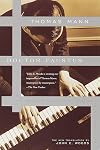
Mann's attempt at an elegy for German culture following Hitler and a postmortem to extract the inextricable elements in that culture that birthed the NS-zeit. Doctor Faustus doesn't fail, exactly, but it comes uncomfortably close to being an apologia at moments--not for Nazism, but for the abovesaid elements that combining volatilely permitted it. The pretext is a retelling of the Faust myth through the life of the fictional composer Adrian Leverkühn, who is presented as a kind of show more Schoenberg-analogue in music (the twelve-tone system is his) if not in life, and who makes a deal with the devil for 24 years of unparalleled creative power in exchange for forswearing the capacity and the right to love.
Leverkühn is then a symbol of the German genius. It is as ponderous and heavy a genius here as we know it to be of old, with some added convolution or perplexity perhaps from the need to talk around the central shameful act of writing a book about the German genius, in any wise, in the mid-forties. Like, just shut your mouth for a decade or two, Thomas Mann, and then let's talk about how the modern era's most subtle and capacious culture (as it perhaps even really was, for the non-relativists among us) was brought low by its own good and evil. You know? Like, in The Magic Mountain Mann's heart was in the right place and he didn't have an agenda--slowly, carefully, he aired out the chambers and inspected the sores of pre–First World War Europe, a civilization sick in body and spirit. In Doctor Faustus, though, he does have an agenda. He is subtle and capacious in the best spirit of his people, and he does not stoop to, say, decrying the Nazis for their destruction of German culture (because, like, "true" German culture?) as your average sad old guy in the gasthaus without Mann's artistic responsibilities might. But he does, often, evince despair that he has lost the right to do even that decrying. In short, Mann's narrator, Serenus Zeitblom, comes ever-so-close, often, to espousing that the real tragedy of the Second World War and the Holocaust are the stain they left on German honour and the fact that we can no longer hear Bach or read Goethe without an astringent aftertaste. Mann described Zeitblom as a pastiche of his author and of course he was aware of this problem. But I think the lexicon of the "new social movements" is really apt here: he is mansplaining and derailing and not being a good ally. Sucking up all the air in the room. White people.
I think this is part of why so many of the novel-of-ideas parts of this were hieratic and sterile to me (tho I love The Magic Mountain so much): Mann is going into contusions, chasing his tail. (Let it be said now for the record, he is also right, and if he had had his lawyers sit on this manuscript till 1975 it might feel different). It may also be that I'm just too stupid (dummkopf! I mention in passing here that Mann's vision of Germany is seemingly that of a nation of 75 habilitationisten and privatdozente and country doctors and bohemian violinists and philistine colonels who nevertheless keep salons and try to touch the gesicht des Gottes. Although he diagnoses the Nazis with acuity, this still reduces them to the nature of a brain fever suffered by the bourgeois guardians of--not only culture, but history! governance!--who were too too enamoured with a certain politics brut. Where in fact the Nazis were real dudes too. And then the stolid peasant and bürger don't even get a look in--if the Nazis are a condition or affliction, the non-intelligensia are a mere backdrop. It's quiet arrogance, through and through--the kind of pride that comes before a you know what.)
Funny enough for a so frequently forbidding novel, with a high bar of entry and all that, what kept me reading and what accounts for the quite-high-in-the-great-scheme-of-things rating I'm giving the book wasn't the ideas, it was the writing. I don't think of Mann as among the most trippingly beautiful writers, but this is up there with Death in Venice in terms of staging and lyricism. I will remember characters--both Zeitblom and Leverkühn, the unrequited love of the former for the latter, and the greater psychosexual web that humanizes the hieratic--Rudi Schwerdtfeger who finally got Adrian to call him du; Rüdiger Schildknapp who was the only one who could make him laugh; Kretzschmar and Kumpf and divers others of his teachers; poor little Nepomuk or Echo (weep for the beautiful child in fiction, my friends!)--and scenes (operatic influence here, I think)--Kretzschmar's lectures, Leverkühn's fateful trip to the brothel in Bratislava, the ill-fated marriage of Inez Rodde and Helmut Institoris, the campy, magisterial entry-stage-left of der teufel, and Leverkühn's final hideous crescendo, where he hauls himself down to hell like Don Giovanni or somebody only cursed to solitude even to the extent of having to show himself out. They made this a significant experience perhaps best compared to going into your first music lesson, being handled the most beautifully crafted instrument and densely orchestrated score, and expected to keep up with a quartet of virtuosi as they run through the inscrutable last string quartets of a twentieth-century master who fled in ' 39 and ended up teaching composition and theory to prematurely balding young American men with very thick glasses at oh let's say Brown.
(Listening to the Brandenburg Concertos as I write this, and it does seem clear how their smooth Apollonianisms, filtered through two hundred years of German cultural DNA, might give rise to a sense that something like the twelve-tone system was a supremely rational, and not a complexly alien, next step, in politics as well as music. No one who speaks German could be a bad man! I think Hitler's love of Wagner covers up a lot of complexity regarding the input of modernity into national socialism--an atavistic Kulturismus that sounds a bit like special pleading, of a sort that the Heidegger of "The Question Concerning Technology" would have approved. It's not that anything monstrous was going on or that the Nazis would have transformed Germany and Europe into a twisted surveillance technocracy avec bonfire parties, it's that the Jews and gypsies and communists and homosexuals were totally littering on the pristine mountain paths and we just really care about keeping the mountain paths clean and also they peed in the pure white snow. What I'm saying is that too much listening to Bach could make a certain kind of person at a certain kind of time value mountain paths more than non-German lives and then also see the imposition of twelve tones on music and death camps on Europe as an organic extension of the patternization in Bach. I know that's probably a fucked-up false equivalency, and I can see why Schoenberg hated this book (also because Mann borrowed part of Nietzsche's backstory for Leverkühn too and Schoenberg didn't want the world all thinking he had the syphilis).) show less
Leverkühn is then a symbol of the German genius. It is as ponderous and heavy a genius here as we know it to be of old, with some added convolution or perplexity perhaps from the need to talk around the central shameful act of writing a book about the German genius, in any wise, in the mid-forties. Like, just shut your mouth for a decade or two, Thomas Mann, and then let's talk about how the modern era's most subtle and capacious culture (as it perhaps even really was, for the non-relativists among us) was brought low by its own good and evil. You know? Like, in The Magic Mountain Mann's heart was in the right place and he didn't have an agenda--slowly, carefully, he aired out the chambers and inspected the sores of pre–First World War Europe, a civilization sick in body and spirit. In Doctor Faustus, though, he does have an agenda. He is subtle and capacious in the best spirit of his people, and he does not stoop to, say, decrying the Nazis for their destruction of German culture (because, like, "true" German culture?) as your average sad old guy in the gasthaus without Mann's artistic responsibilities might. But he does, often, evince despair that he has lost the right to do even that decrying. In short, Mann's narrator, Serenus Zeitblom, comes ever-so-close, often, to espousing that the real tragedy of the Second World War and the Holocaust are the stain they left on German honour and the fact that we can no longer hear Bach or read Goethe without an astringent aftertaste. Mann described Zeitblom as a pastiche of his author and of course he was aware of this problem. But I think the lexicon of the "new social movements" is really apt here: he is mansplaining and derailing and not being a good ally. Sucking up all the air in the room. White people.
I think this is part of why so many of the novel-of-ideas parts of this were hieratic and sterile to me (tho I love The Magic Mountain so much): Mann is going into contusions, chasing his tail. (Let it be said now for the record, he is also right, and if he had had his lawyers sit on this manuscript till 1975 it might feel different). It may also be that I'm just too stupid (dummkopf! I mention in passing here that Mann's vision of Germany is seemingly that of a nation of 75 habilitationisten and privatdozente and country doctors and bohemian violinists and philistine colonels who nevertheless keep salons and try to touch the gesicht des Gottes. Although he diagnoses the Nazis with acuity, this still reduces them to the nature of a brain fever suffered by the bourgeois guardians of--not only culture, but history! governance!--who were too too enamoured with a certain politics brut. Where in fact the Nazis were real dudes too. And then the stolid peasant and bürger don't even get a look in--if the Nazis are a condition or affliction, the non-intelligensia are a mere backdrop. It's quiet arrogance, through and through--the kind of pride that comes before a you know what.)
Funny enough for a so frequently forbidding novel, with a high bar of entry and all that, what kept me reading and what accounts for the quite-high-in-the-great-scheme-of-things rating I'm giving the book wasn't the ideas, it was the writing. I don't think of Mann as among the most trippingly beautiful writers, but this is up there with Death in Venice in terms of staging and lyricism. I will remember characters--both Zeitblom and Leverkühn, the unrequited love of the former for the latter, and the greater psychosexual web that humanizes the hieratic--Rudi Schwerdtfeger who finally got Adrian to call him du; Rüdiger Schildknapp who was the only one who could make him laugh; Kretzschmar and Kumpf and divers others of his teachers; poor little Nepomuk or Echo (weep for the beautiful child in fiction, my friends!)--and scenes (operatic influence here, I think)--Kretzschmar's lectures, Leverkühn's fateful trip to the brothel in Bratislava, the ill-fated marriage of Inez Rodde and Helmut Institoris, the campy, magisterial entry-stage-left of der teufel, and Leverkühn's final hideous crescendo, where he hauls himself down to hell like Don Giovanni or somebody only cursed to solitude even to the extent of having to show himself out. They made this a significant experience perhaps best compared to going into your first music lesson, being handled the most beautifully crafted instrument and densely orchestrated score, and expected to keep up with a quartet of virtuosi as they run through the inscrutable last string quartets of a twentieth-century master who fled in ' 39 and ended up teaching composition and theory to prematurely balding young American men with very thick glasses at oh let's say Brown.
(Listening to the Brandenburg Concertos as I write this, and it does seem clear how their smooth Apollonianisms, filtered through two hundred years of German cultural DNA, might give rise to a sense that something like the twelve-tone system was a supremely rational, and not a complexly alien, next step, in politics as well as music. No one who speaks German could be a bad man! I think Hitler's love of Wagner covers up a lot of complexity regarding the input of modernity into national socialism--an atavistic Kulturismus that sounds a bit like special pleading, of a sort that the Heidegger of "The Question Concerning Technology" would have approved. It's not that anything monstrous was going on or that the Nazis would have transformed Germany and Europe into a twisted surveillance technocracy avec bonfire parties, it's that the Jews and gypsies and communists and homosexuals were totally littering on the pristine mountain paths and we just really care about keeping the mountain paths clean and also they peed in the pure white snow. What I'm saying is that too much listening to Bach could make a certain kind of person at a certain kind of time value mountain paths more than non-German lives and then also see the imposition of twelve tones on music and death camps on Europe as an organic extension of the patternization in Bach. I know that's probably a fucked-up false equivalency, and I can see why Schoenberg hated this book (also because Mann borrowed part of Nietzsche's backstory for Leverkühn too and Schoenberg didn't want the world all thinking he had the syphilis).) show less

Thomas Mann es un escritor excepcional, no cabe duda. Su estilo es tan musical y lleno de vaivenes rítmicos que gusta dejarse llevar por el ritmo de las palabras. Sin embargo, Tonio Kröger es una novelita para separarnos de su personaje, para entender que no nos podemos acercar a él. Su protagonista, este Tonio Kröger, es un personaje que cada vez que se acerca a un conflicto emocional enraizado con su pasado, se monta un discurso grandilocuente para darse por satisfecho en su elección show more de ser un hombre aburguesado, elevado a la altura de la poesía y visto por los demás como alguien "importante".
Nada más lejos de la realidad, ya que todo se termina maquinando narrativamente como una estructura perfecta para poder ver la verdad de un ser aquejado por expectativas rotas en la niñez y la adolescencia, que se miente a sí mismo para sentirse parte de esos rubios de ojos azules que alaba por pura envidia. Es un personaje aquejado de un desprecio a su condición de mestizaje, a su tez morena propia de un natural del Mediterráneo. Es un personaje que busca la huida al ideal romántico del Norte y creerá disfrutar de aquella evanescencia de lo que significa su ciudad natal, sus recuerdos patéticos de niñez, sus expectativas rotas de conexión con sus dos amores del pasado, descubiertos en un baile que se idealiza pese a ser una coreografía de formalidades ridículas que nadie ve con excesiva felicidad.
En definitiva, Tonio Kröger se encuentra atrapado por la narración, por esa afirmación autoindulgente de su idealizada condición burguesa. Ni su confidente amiga, la bohemia polaca Lisaveta, lo conseguirá desprender de sus idilios febriles que no le dejan vivir viviendo, sino no-vivir pensando que vive. Y a pesar de todo, de que no es una lectura que busque una conclusión satisfactoria y que se empeñe en sacarnos del personaje para verlo en su realidad más cruda; es esta sorpresa como lectores y el interés que genera cuando entendemos que ese "no he entendido nada", en realidad es un "me gustaría haber visto algo que no había, pero ha sido interesante que me saquen del personaje para que sea crítico con él y vea lo absurdo e irónico que es todo". show less
Nada más lejos de la realidad, ya que todo se termina maquinando narrativamente como una estructura perfecta para poder ver la verdad de un ser aquejado por expectativas rotas en la niñez y la adolescencia, que se miente a sí mismo para sentirse parte de esos rubios de ojos azules que alaba por pura envidia. Es un personaje aquejado de un desprecio a su condición de mestizaje, a su tez morena propia de un natural del Mediterráneo. Es un personaje que busca la huida al ideal romántico del Norte y creerá disfrutar de aquella evanescencia de lo que significa su ciudad natal, sus recuerdos patéticos de niñez, sus expectativas rotas de conexión con sus dos amores del pasado, descubiertos en un baile que se idealiza pese a ser una coreografía de formalidades ridículas que nadie ve con excesiva felicidad.
En definitiva, Tonio Kröger se encuentra atrapado por la narración, por esa afirmación autoindulgente de su idealizada condición burguesa. Ni su confidente amiga, la bohemia polaca Lisaveta, lo conseguirá desprender de sus idilios febriles que no le dejan vivir viviendo, sino no-vivir pensando que vive. Y a pesar de todo, de que no es una lectura que busque una conclusión satisfactoria y que se empeñe en sacarnos del personaje para verlo en su realidad más cruda; es esta sorpresa como lectores y el interés que genera cuando entendemos que ese "no he entendido nada", en realidad es un "me gustaría haber visto algo que no había, pero ha sido interesante que me saquen del personaje para que sea crítico con él y vea lo absurdo e irónico que es todo". show less
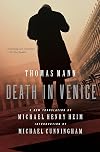
"...where the hideous death lurked in secret—at such times the atrocious seemed to him rich in possibilities, and laws of morality had dropped away."
The novel astonished me. It wasn't what I expected. It is quite brilliant, a masterpiece.
Unlike others, I didn't find this novel explicitly about pedophilia--unlike Lolita, which distinctly and undeniably is. I know that won't sit well with everyone. I can understand that. When I watched the 1971 film of the novel, that pedophilia lust was a show more major aspect and exacerbated by the shameful exploitation and lack of protection for "the most beautiful boy in the world," the real youth, Björn Andrésen. But the novel is about so much more than that. It is about lust, but also lust for life, for youth, for beauty, for being loved in spite of outward appearances (ironic, I know) by a misguided man who never so much as even speaks a word to the boy.
The man is Gustav von Aschenbach, age 50, who, up to this point, has over-intellectualized his whole life, putting Art with a capitol A as the most desirable and potent of all things. He has never been a physically robust or a remarkably attractive person and does not seem to, thus far, possess any passion, except in theory. He has a grown daughter and had a wife who has since died. He describes their marriage as having been happy, although that seems faint praise since he doesn't even call her by name. From an early age, he has given his truest devotions to his work. That is what has provided his life, if not passion, its meaning, satisfaction, staid acclimation, respectability, honors, and financial reward. His work has been accomplished with deliberate study and steadfastness. His whole identity is Artist. A tightly controlled one.
When he decides to go for a vacation to Venice ("Not far, not all the way to the tigers"), it is the first sign Aschenbach is not quite as satisfied as he once was. He is repulsed by ugliness, and especially the ugliness of, we slowly learn, of aging. And he is aging.
The brilliance of Mann is how deftly he takes readers down the emotionally stifled deterioration of Aschenbach, through so many successively progressive stages, until ultimately to his complete humiliated, unraveled, unfettered indulgence of his long ignored emotions.
Upon seeing a remarkably beautiful 14 year old boy at his Venice hotel (we can agree that we too can be momentarily smitten by a remarkable beauty, at any age; we too have eyes)--begins in earnest his slow but pointed rejection of his own aging and transforms the rejection into an absurd hope, then obsession, and then a truly wicked disregard for danger. All for the sake of a ridiculous projected fantasy of a reciprocal budding love with this boy. An elixir.
It's not an easy novel to experience, but it's not exactly about outright sexual deviance either. It is full moral abandonment of self-regard due to fear of aging and death.
It's a story of such pathos, repugnance, and, under Mann's genius, deep sadness, even pity. Aschenbach began a needlessly tragic journey with a mere natural, but much belated observation about his own capacity for lust that he has dismissed since his youth for the sake of his plans for success. When his intellectualizing about Eros and Socrates and whatever Classicism he has hitherto relied on for balance and harmony, when those begin to ring more and more hollow, he progressively becomes consumed by "the tigers" he once avoided, to self obliteration.
And it started with a small belated recognition of delight in feelings,
"Past emotions, precious early afflictions and yearnings which had been stifled by his rigorous programme of living, were now returning in such strange new forms. With an embarrassed, astonished smile, he recognized them..." show less
The novel astonished me. It wasn't what I expected. It is quite brilliant, a masterpiece.
Unlike others, I didn't find this novel explicitly about pedophilia--unlike Lolita, which distinctly and undeniably is. I know that won't sit well with everyone. I can understand that. When I watched the 1971 film of the novel, that pedophilia lust was a show more major aspect and exacerbated by the shameful exploitation and lack of protection for "the most beautiful boy in the world," the real youth, Björn Andrésen. But the novel is about so much more than that. It is about lust, but also lust for life, for youth, for beauty, for being loved in spite of outward appearances (ironic, I know) by a misguided man who never so much as even speaks a word to the boy.
The man is Gustav von Aschenbach, age 50, who, up to this point, has over-intellectualized his whole life, putting Art with a capitol A as the most desirable and potent of all things. He has never been a physically robust or a remarkably attractive person and does not seem to, thus far, possess any passion, except in theory. He has a grown daughter and had a wife who has since died. He describes their marriage as having been happy, although that seems faint praise since he doesn't even call her by name. From an early age, he has given his truest devotions to his work. That is what has provided his life, if not passion, its meaning, satisfaction, staid acclimation, respectability, honors, and financial reward. His work has been accomplished with deliberate study and steadfastness. His whole identity is Artist. A tightly controlled one.
When he decides to go for a vacation to Venice ("Not far, not all the way to the tigers"), it is the first sign Aschenbach is not quite as satisfied as he once was. He is repulsed by ugliness, and especially the ugliness of, we slowly learn, of aging. And he is aging.
The brilliance of Mann is how deftly he takes readers down the emotionally stifled deterioration of Aschenbach, through so many successively progressive stages, until ultimately to his complete humiliated, unraveled, unfettered indulgence of his long ignored emotions.
Upon seeing a remarkably beautiful 14 year old boy at his Venice hotel (we can agree that we too can be momentarily smitten by a remarkable beauty, at any age; we too have eyes)--begins in earnest his slow but pointed rejection of his own aging and transforms the rejection into an absurd hope, then obsession, and then a truly wicked disregard for danger. All for the sake of a ridiculous projected fantasy of a reciprocal budding love with this boy. An elixir.
It's not an easy novel to experience, but it's not exactly about outright sexual deviance either. It is full moral abandonment of self-regard due to fear of aging and death.
It's a story of such pathos, repugnance, and, under Mann's genius, deep sadness, even pity. Aschenbach began a needlessly tragic journey with a mere natural, but much belated observation about his own capacity for lust that he has dismissed since his youth for the sake of his plans for success. When his intellectualizing about Eros and Socrates and whatever Classicism he has hitherto relied on for balance and harmony, when those begin to ring more and more hollow, he progressively becomes consumed by "the tigers" he once avoided, to self obliteration.
And it started with a small belated recognition of delight in feelings,
"Past emotions, precious early afflictions and yearnings which had been stifled by his rigorous programme of living, were now returning in such strange new forms. With an embarrassed, astonished smile, he recognized them..." show less
Lists
German Literature (17)
Venice (1)
1920s (1)
100 knjiga (1)
AP Lit (1)
The Nibelungs (1)
Winter Books (1)
Read These Too (1)
Europe (1)
bound (1)
Reading Globally (1)
First Novels (1)
Yet another list (1)
music to my eyes (1)
Out of Copyright (1)
E's Reader (1)
. (1)
1910s (1)
Unread books (2)
Short and Sweet (2)
1940s (2)
Metafiction (2)
. (4)
Modernism (5)
Favourite Books (4)
Liste Otto (4)
A Novel Cure (4)
Five star books (3)
Faust legend (1)
Franklit (1)
1950s (2)
Elegant Prose (2)
Awards


You May Also Like


Associated Authors
Statistics
- Works
- 1,006
- Also by
- 85
- Members
- 51,862
- Popularity
- #293
- Rating
- 3.9
- Reviews
- 743
- ISBNs
- 2,269
- Languages
- 38
- Favorited
- 72


