
Hermann Hesse (1877–1962)
Author of Siddhartha
About the Author
Hermann Hesse (July 2, 1877 -- August 9, 1962) was a German poet, novelist, essayist and painter. His best-known works included Steppenwolf, Siddhartha, and The Glass Bead Game, each of which explores an individual's search for authenticity, self-knowledge and spirituality. In 1946, he received the show more Nobel Prize in Literature. Hess publicly announced his views on the savagery of World War I, and was considered a traitor. He moved to Switzerland where he eventually became a naturalized citizen. He warned of the advent of World War II, predicting that cultureless efficiency would destroy the modern world. His theme was usually the conflict between the elements of a person's dual nature and the problem of spiritual loneliness. His first novel, Peter Camenzind, was published in 1904. His masterpiece, Death and the Lover (1930), contrasts a scholarly abbot and his beloved pupil, who leaves the monastery for the adventurous world. Steppenwolf (1927), a European bestseller, was published when defeated Germany had begun to plan for another war. It is the story of Haller, who recognizes in himself the blend of the human and wolfish traits of the completely sterile scholarly project. During the 1960s Hesse became a favorite writer of the counter culture, especially in the United States, though his critical reputation has never equaled his popularity. Hermann Hesse died in 1962. (Bowker Author Biography) show less
Series
Works by Hermann Hesse
The Seasons of the Soul: The Poetic Guidance and Spiritual Wisdom of Hermann Hesse (2011) 86 copies, 1 review
Hermann-Hesse-Lesebuch: Erzählungen, Betrachtungen und Gedichte (suhrkamp taschenbuch) (1992) 31 copies, 1 review
Peter Camenzind ; Gertrud ; Knulp ; Kuren ; Narziss en Goldmund ; Fabuleuze vertellingen ; Een golfje op de stroom (1990) — Author — 24 copies, 1 review
Gesammelte Erzählungen: Band 1. Aus Kinderzeiten. 1900-1905: Gesammelte Erzählungen I. 1900-1905: BD 1 (suhrkamp taschenbuch) (1977) 21 copies
De terugkeer van Zarathoestra en andere gedenkschriften tegen het radicalisme van rechts en links (1993) — Author — 20 copies
Gedichte des Malers: Zehn Gedichte mit farbigen Zeichnungen von Hermann Hesse (insel taschenbuch) (1985) 12 copies
Die schönsten Gedichte von Hermann Hesse. Mit einem Essay des Autors über Gedichte. (1996) 11 copies
Knulp-Il ciclone-Demian-Narciso e Boccadoro-Saggi-Poesie-Lettere ai contemporanei. Nobel 1946 (1979) 10 copies
Kindheit und Jugend vor Neunzehnhundert: Zweiter Band. Hermann Hesse in Briefen und Lebenszeugnissen. 1895-1900 (suhrkamp taschenbuch) (1984) 10 copies
Notizie straordinarie da un altro pianeta: Augustus ; Sequenza di sogni (Piccola biblioteca universale) (1993) 9 copies
Klingsors sista sommar : Österlandsfärden — Author — 8 copies
The Seasons of Life: A Companion for the Poetic Journey--Poems and Prose Previously Unpublished in English (2020) 8 copies
In der alten Sonne und andere Erzählungen — Author — 8 copies
Gesammelte Werke. Bd. 8. Narziss und Goldmund - Die Morgenlandfahrt - Späte Prosa. (2001) — Author — 7 copies
Obras completas II (Prosas tempranas / Relatos de aquende / Gertrudis / Rosshalde / Demian / Pequeño (1979) 5 copies
Antología poética 5 copies
Stunder i trädgården : en idyll 5 copies
Hermann Hesse & Romain Rolland : correspondence, diary entries, and reflections, 1915 to 1940 (1978) 5 copies
Una hora después de medianoche : Hermann Lauscher : Peter Camnzind : Bajo la rueda : Cuentos (1903-1906) (1987) 4 copies
Gesammelte Werke. Bd. 7. Kurgast — Author — 4 copies
The World of Hermann Hesse (Boxed Set) (Magister Ludi, Steppenwolf, Narcissus & Goldmund, Siddhartha, The Journey to the East, and Demian) (1990) 4 copies
Der Lateinschüler. Geschichten und Erinnerungen aus Kindheit und Schulzeit (bb, 376) (1977) 4 copies
Bajo la rueda. Kleiin y Wagner. El ultimo verano (SC686) (Spanish Edition) (2010) — Author — 4 copies
Erzählungen 4 copies
Histórias Medievais 4 copies
Blätter aus Prevorst - Eine Auswahl von Berichten über Magnetismus, Hellsehen, Geistererscheinungen aus dem Kreise Justinus Kerners (1987) 4 copies
False vocazioni 4 copies
O livro das fábulas 4 copies
Weg nach Innen : Kinderseele.Wanderung.Klein und Wagner.Klingsors letzter Sommer.Siddharta (1973) 4 copies
Ystävykset : kertomuksia 4 copies
Stupně. - Pozdní básně. - Raná próza. - Petr Camenzind ; [z německého originálu přeložili Vratislav Slezák, Vladimír… (1998) 4 copies
Unenäokingitus : [jutustused] 3 copies
Kingsor's Last Summer 3 copies
Gesammelte Werke. Bd. 1. Stufen - Die späten Gedichte - Frühe Prosa - Peter Camenzind. (1972) 3 copies
Tempo di fieno: racconti 3 copies
Il gioco della vita - I. La disperazione e la grazia. Epistolario scelto (1904-1950) (2016) 3 copies
孤独な魂 : ゲルトルート 3 copies
Zauber des Anfangs 3 copies
Briefe 3 copies
Podivuhodné posolstvo z inej hviezdy 3 copies
Mažame mieste: novelės 3 copies
Själens spegel : Valda noveller 3 copies
Les Contes merveilleux 3 copies
湖畔の家 : ロスハルデ 3 copies
I capolavori di Hermann Hesse 3 copies
Alene : Dikt i utvalg 2 copies
2002 2 copies
Die dunkle und wilde Seite der Seele. Briefwechsel mit seinem Psychoanalytiker Josef Bernhard Lang. 1916-1944. (2006) 2 copies
Augustus 2 copies
Fine Dream Sequence 2 copies
Obras completas, en cuatro tomos 2 copies
El Balneario 2 copies
Friedrich Hölderlin. Dokumente seines Lebens - Tagebuchblätter, Aufzeichnungen, Briefe (Eine kleine Landesbibliothek) (2012) 2 copies
Úvahy a imprese ; Vzpomínky a listy přátelům ; Politické úvahy ; Mozaika z dopisů 1930-1961 ; O literatuře ; Recenze a články (2003) 2 copies
Opere 2 copies
Faldum 2 copies
Von Wesen und Herkunft des Glasperlenspiels: Die vier Fassungen der Einleitung zum Glasperlenspiel (Suhrkamp Taschenbuch ; 382) (German Edition) (1977) 2 copies
Bilder der Toskana: Von Florenz bis Siena. Betrachtungen, Reisenotizen, Gedichte und Erzählungen (2006) 2 copies, 1 review
Vroege romans Hesse set 3 ex: avonturen Herman Lauscher, Peter Camenzind en Tussen de raderen — Author — 2 copies
Minha fé 2 copies
Neue Gedichte 2 copies
Sämtliche Werke in 20 Bänden und einem Registerband: Band 8: Die Erzählungen 3. 1911–1954 (2001) 2 copies
Câu chuyện dòng sông 2 copies
Die Welt im Buch III. Rezensionen und Aufsätze aus den Jahren 1917-1925 [= Sämtliche Werke, Bd. 18/20] (2001) 2 copies
Die Welt im Buch 1: Rezensionen und Aufsatze aus den Jahren 1900 - 1910: Bd. 16 (Samtliche Werke) (2002) 2 copies
Weg nach innen fünf Erzählungen 2 copies
Jocul Cu Margele De Sticla 2 copies
»Außerhalb des Tages und des Schwindels«: Hermann Hesse – Alfred Kubin. Briefwechsel 1928-1952 (2008) 2 copies
Obras completas - Tomo III 2 copies
Obras completas - Tomo II 2 copies
Obras Completas (v. I) 2 copies
Ο βροχοποιός 2 copies
Gesammelte Werke: neue Gedichte 2 copies
Reis naar het morgenland een verhaal 2 copies
Das Stumme spricht. Herkunft und Heimat. Natur und Kunst. Zusammengestellt von Volker Michels. (1986) 2 copies
Die Welt im Buch 5: Rezensionen und Aufsätze aus den Jahren 1935 - 1962 und Nachlese: Bd. 20 (2001) 2 copies
Narrativas 2 copies
Obras Completas (v. III) 2 copies
Un'ora dopo mezzanotte 2 copies
Ο βροχοποιός, Ο εξομολογητής , Ινδική βιογραφία : νουβέλες / Έρμαν Έσσε , απόδοση στα ελληνικά… (1989) 2 copies
Brev från en diktare 2 copies
Gesammelte Erzählungen. Band 3 Geschenkausgabe. Zusammengestellt von Volker Michels. (1983) 2 copies
Gesammelte Erzählungen. Band 2 Geschenkausgabe. Zusammengestellt von Volker Michels. (1983) 2 copies
Bilderbuch Schilderungen — Author — 2 copies
Demijan ; Roshalde 2 copies
Betrachtungen 2 copies
Herman Hesse Collected Works 8 2 copies
El cofre robado 2 copies
Contos sublimes 2 copies
JORNADAS DESDE LA TIERRA 2 copies
Hermann Hesse, Helene Voigt-Diederichs;: Zwei Autorenportrats in Briefen 1897 bis 1900 (German Edition) (1971) 2 copies
L'angelo azzurro 1 copy
Erzählungen. 2 1 copy
The Poet 1 copy
Hesse - Poesie d'amore 1 copy
Poemas 1 copy
La musica del mondo: Pensieri e letture (Oscar scrittori moderni Vol. 2031) (Italian Edition) (2012) 1 copy
Innen und Außen 1 copy
Briefwechsel 1 copy
Die Erzh̃lungen / Bd. 1-2 1 copy
Η ινδική βιογραφία και άλλα… 1 copy
Ystävykset : kertomuksia 1 copy
Damyān 1 copy
Hermann Hesse, 3 book set , paperback softcover, Rosshalde, Magister Ludi, Narziss and Goldmund 1 copy
The Complete Hermann Hesse Collection: Siddhartha, Demian and Steppenwolf (Grapevine Press) (2025) 1 copy
Rejsen til Nürnberg 1 copy
Le opere: Il ciclone; Demian; Narciso e Boccadoro; Saggi; Poesie; Lettere ai contemporanei; Knulp 1 copy
Cuentos 03 [1910 - 1919] 1 copy
El Lobo Estrepario 1 copy
Cuentos 04 [1919 - 1953] 1 copy
Cuentos 02 [1907 - 1909] 1 copy
Cuentos 01 [1903 - 1906] 1 copy
Seçilmiş Şiirler 1896 -1962 1 copy
The Poet, A Fable 1 copy
Najpiękniejsze opowiadania 1 copy
O m©Łgico 1 copy
Stupne 1 copy
Male radosti 1 copy
INFANCIA DE UN MAGO. 1 copy
I na kraju šta je sreća 1 copy
HERMAN HESSE - OPERE 1 copy
Conversation With he Stove 1 copy
Erzählungen 1 1 copy
The Dream Of The Gods 1 copy
The Painter 1 copy
O Livro das Fábulas 1 copy
Tale Of The Wicker Chair 1 copy
Sobre guerra e paz 1 copy
Three Lindens 1 copy
Among The Massagetae 1 copy
Δοκίμια, δεύτερος τόμος 1 copy
King Yu 1 copy
Nocturnal Games 1 copy
Report From Normalia 1 copy
The Jackdaw 1 copy
Erzählungen 2 1 copy
Minha vida 1 copy
UJKU I STEPËS 1 copy
NËN RROTË 1 copy
LUFTË DHE PAQE 1 copy
PELEGRINËT E LINDJES 1 copy
Sidhdhartha 1 copy
Suhrkamp 1 copy
The Enamored Youth 1 copy
I Meridiani - Siddharta 1 copy
Deambulações Fantásticas 1 copy
I Meridiani - Klein e Wagner 1 copy
The Merman 1 copy
I Meridiani - Demian 1 copy
I Meridiani - Knulp 1 copy
Peter Camenzina 1 copy
Leggende e Fiabe 2 voll. 1 copy
Huệ Tím 1 copy
Ein Blatt von meinem Baum 1 copy
Ο Λύκος της Στέππας 1 copy
Gesammelte Werke 6 1 copy
Gesammelte Werke 5 1 copy
Vivências 1 copy
Gertrude and I 1 copy
Peter Camenzind. Rao Clasic 1 copy
The Dream of the Gods 1 copy
Сидхарта 1 copy
Gesammelte Werke 4 1 copy
Gesammelte Werke 3 1 copy
Gesammelte Werke 2 1 copy
Späte Prosa 1 copy
Siddhartha, Alma de niño 1 copy
Hermann Hesse, Een biografie 1 copy
52 Poesie 1 copy
Una hora después de medianoche / Hermann Lauscher / Peter Camenzind / Bajo la rueda / Cuentos (1903/1906) 1 copy, 1 review
Siddhartha, Magister Ludi: the Bead Game, Narcissus and Goldman, Demian, Steppenwolf, short stories 1 copy
Correspondance 1 copy
Sidharta 1 copy
In sight of chaos 1 copy
Pod kołami 1 copy
Narziss och goldmun 1 copy
Briefe : erweiterte Ausgabe 1 copy
Ystävykset 1 copy
Ystävykset 1 copy
An einen jungen Künstler. 1 copy
Große Erzählungen. 1 copy
... Das junge Genie. 1 copy
ヘッセ=マン往復書簡集 1 copy
Diario italiano, 1901-1903 1 copy
Demian - Siddharta - Der Steppenwolf. Erläuterungen und Materialien. (Lernmaterialien) (2001) 1 copy
Six novels, The Prodigy etc 1 copy
流浪者之歌(Vagrants) 1 copy
Trost der Nacht 1 copy
Lieder deutscher Dichter 1 copy
Sommernacht mit Raketen 1 copy
Nuvele 1 copy
1994 1 copy
2003 1 copy
2005 1 copy
1975 1 copy
1961 1 copy
1970 1 copy
Correspondência entre amigos 1 copy
Two Worlds [from "Demian"] 1 copy
Lettere da un minuto 1 copy
Το όνειρο και άλλα διηγήματα 1 copy
Narrativa completa 18 Una hora despues de medianoche / Hermann Lauscher / Peter Camenzind / Bajo la 1 copy
amicizia e altri racconti 1 copy
Una sonata (in Racconti) 1 copy
Hermann Hesse Kalender - 2013: Mit 13 Aquarellen sowie Handschriften seiner Gedichte über die Natur (2012) 1 copy
Hesse: Racconti 1 copy
Hans Amstein (in Racconti) 1 copy
Discursos en Suecia 1 copy
Leggere a letto 1 copy
Erwin 1 copy
Eine Auswahl für Ausländer. 1 copy
Spolverare i libri 1 copy
Il liceale (in Racconti) 1 copy
Şeftali Ağacı 1 copy
Harry's Loves 1 copy
هرمان هسه؛ سيرة ذاتية 1 copy
Merkwürdige Nachricht von einem andern Stern. Märchen. Mit Illustrationen von Ernst Lewinger. 1 copy
Siddhartha : Hermann Hesse u. d. Ferne Osten , Erzählgn, Legenden, Tagebücher, Essays. (1973) 1 copy
Hermann Hesse uber "Narziss und Goldmund" : eine Dokumentation zur Entstehung- und Wirkungsgeschicht 1 copy
Razmatranja i pisma 1 copy
Valter Kempf i druge priče 1 copy
Fantaasiad : [esseed] 1 copy
Ντέμιαν: Μυθιστόρημα 1 copy
Ystykset : kertomuksia 1 copy
Obras completas, Tomo II 1 copy
Da un'altra stella: favole 1 copy
PELKO 1 copy
Klett Lektürehilfen Hermann Hesse, Der Steppenwolf: Interpretationshilfe für Oberstufe und Abitur (2017) 1 copy
פטר קמנצינד : סיפור 1 copy
Obras completas, Tomo III 1 copy
Sidra 1 copy
Ausgewählte Werke. Bd. 6: Ausgewählte Gedichte. Ausgewählte Betrachtungen. Briefe an junge Menschen 1 copy
Sämtliche Werke in 20 Bänden und einem Registerband: Band 15: Die politischen Schriften. Eine Dokumentation (2004) 1 copy
Knulp - Il ciclone - Demian - Narciso e Boccadoro - Saggi - Poesie - Lettere ai contemporanei 1 copy
Pod kolesom 1 copy
Sämtliche Werke in 20 Bänden und einem Registerband: Band 14: Betrachtungen und Berichte II. 1927–1961 (2003) 1 copy
Short Stories — Author — 1 copy
L'infanzia del mago 1 copy
Obras Completas Tomo 3 1 copy
Obras Completas Tomo 2 1 copy
Obras Completas Tomo 1 1 copy
Obras Maestras - Hesse 1 copy
Der schwere Weg 1 copy
Minha fé 1 copy
Gesammelte Dichtungen 1 copy
Lettere ai contemporanei 1 copy
Atsitokėjimai: [esė] 1 copy
Gesammelte Werke: Erzählung 1 copy
Pod kołami 1 copy
Blick ins Chaos 1 copy
Chakke Tale 1 copy
O Lobo das Estepes Livro 1 1 copy
Sämtliche Werke in 20 Bänden und einem Registerband: Band 7: Die Erzählungen 2. 1907–1910 (2001) 1 copy
PEQUEÑAS ALEGRÌAS 1 copy
Peter Camenzind. Unterm Rad. Gertrud: Sämtliche Werke in 20 Bänden und einem Registerband, Band 2 (2001) — Author — 1 copy
il romanzo della mia vita 1 copy
Associated Works
Spells of Enchantment: The Wondrous Fairy Tales of Western Culture (1991) — Contributor — 605 copies, 5 reviews
The Graphic Canon, Vol. 3: From Heart of Darkness to Hemingway to Infinite Jest (2013) — Contributor — 162 copies, 1 review
Flower, Fruit, and Thorn Pieces, or, the Wedded Life, Death, and Marriage of Firmian Stanislaus Siebenkaes (1796) — Afterword, some editions — 108 copies, 2 reviews
A Very German Christmas: The Greatest Austrian, Swiss and German Holiday Stories of All Time (2020) — Contributor — 36 copies, 1 review
Four Last Songs + Four songs, Op.27 : No.1 Rest, my soul op. 27/1 + No.2 Cäcilie + No.4 Tomorrow! + Eight songs, Op.10 : No.1 Dedication + 5 songs, Op.41 : No.1 Lullaby+ 6 songs,… (2007) — Texts — 22 copies, 1 review
Strauss : Death and transfiguration + Four last Songs + Metamorphosen {sound recording} {1969/1972/1973 Karajan/Berlin Philharmonic/Janowitz}/ (1969) — Text — 20 copies, 1 review
Strauss : Death and transfiguration + Four last songs {sound recording} {1972/1973 Karajan/Berlin Philharmonic/Janowitz} (1972) — Text — 6 copies
The intellectual tradition of modern Germany : A collection of writings from the eighteenth to the twentieth century : Volume 2 : History and Society (1973) — Contributor — 3 copies
Scarlett Pimpernel / Der letzte Mohikaner / Knulp / Irgendwo in Tibet (1973) — Contributor — 3 copies
The intellectual tradition of modern Germany : A collection of writings from the eighteenth to the twentieth century (1973) — Contributor — 3 copies
Die Einsamen. Kindheitsnovellen von O. Dymow, A.v. Hatzfeld, H. Hesse, J. Mühlberger, R. Musil, F. Ssologub und St. Zweig. (1947) — Contributor — 2 copies
Strauss : Death and transfiguration + Four Last Songs + Wagner : Twilight of the Gods : Siegfried's Rheinfahrt + Siegfried's death und funeral march {sound recording} (1992) — Text — 2 copies
Lebensgut — Ein deutsches Lesebuch für Mädchen — 5. Teil (9. Schuljahr) — Contributor — 1 copy
Velhagen und Klasings Monatshefte 40. Jahrgang 1925/1926 Band 1 — Illustrator — 1 copy
Winterzeit : eine fotografisch-poetische Betrachtung — Contributor — 1 copy
Los premios Nobel de literatura. Alteza real / Pensamientos y aventuras / viaje a oriente — Contributor — 1 copy
Maulbronner Impressionen — Text from estate — 1 copy
Tagged
Common Knowledge
- Legal name
- Hesse, Hermann Karl
- Birthdate
- 1877-07-02
- Date of death
- 1962-08-09
- Gender
- male
- Education
- Evangelical Theological Seminary, Maulbronn Abbey, Baden-Württemberg, Germany
Gymnasium, Cannstatt, Germany - Occupations
- novelist
short story writer
essayist
poet - Awards and honors
- Bauernfeld-Preis (1906)
Mejstrik-Preis of the Schiller Foundation in Vienna (1928)
Gottfried Keller Preis (1936)
Goethe Prize (1946)
Nobel Prize (Literature, 1946)
Honorary Doctorate from The University of Bern (1947) (show all 9)
Wilhelm Raabe Literature Prize (1950)
Pour le Mérite (1954)
Peace Prize of the German Book Trade (1955) - Relationships
- Hesse, Martin (zoon)
- Short biography
- Hermann Karl Hesse; 2 July 1877 – 9 August 1962) was a German-born Swiss poet, novelist, and painter. His best-known works include Demian, Steppenwolf, Siddhartha, and The Glass Bead Game, each of which explores an individual's search for authenticity, self-knowledge and spirituality. In 1946, he received the Nobel Prize in Literature.
Hermann Karl Hesse was born on 2 July 1877 in the Black Forest town of Calw in Württemberg, German Empire. His grandparents served in India at a mission under the auspices of the Basel Mission, a Protestant Christian missionary society. His grandfather Hermann Gundert compiled the current grammar in Malayalam language, compiled a Malayalam-English dictionary, and also contributed to the work in translating the Bible to Malayalam. Hesse's mother, Marie Gundert, was born at such a mission in India in 1842. In describing her own childhood, she said, "A happy child I was not..." As was usual among missionaries at the time, she was left behind in Europe at the age of four when her parents returned to India. - Nationality
- Germany
Switzerland (naturalised 1923) - Birthplace
- Calw, Kingdom of Württemberg, German Empire
- Places of residence
- Montagnola, Ticino, Switzerland
Bern, Switzerland
Gaienhofen, Lake Constance, Germany
Basel, Switzerland
Calw, German Empire - Place of death
- Montagnola, Ticino, Switzerland
- Burial location
- Cimitero di San Abbondio, Montagnola, Ticino, Switzerland
- Associated Place (for map)
- Switzerland
Members
Discussions
Fine editions of Hesse or Hašek? in Fine Press Forum (October 2022)
1914 Hermann Hesse, Rosshalde in Literary Centennials (September 2014)
English Boy Thinks He Finds Eden in Name that Book (January 2012)
Reviews

Steppenwolf, for me, is easiest to examine when broken into two parts: pre-Hermine and post-Hermine. Before our half-man half-wolf protagonist meets the woman that will change his life, the novel is quite philosophically dense. There's a lot of meaty intellectual insight, especially in the Treatise on the Steppenwolf, and it takes some time to absorb. After Harry encounters Hermine, we've still got all that juicy, thinky stuff, but all of a sudden, things get fun!
I love a novel that show more challenges me intellectually, and there's no question that does just that. Harry's conversation with a certain famous composer at the novel's close brings up some really cool stuff to think about:
Humanity seems to be cursed with an ability to recognize and connect with the beautiful/great (you could even call it the divine) in the world but is very rarely able to accurately represent it in the way it deserves to be represented (e.g. Goethe's bust, Handel over the radio). How we react to our own shortcomings in our relationship to divinity is key to our potential for happiness.
The idea of giving up one's life for an ideal tends to be viewed as the ultimate form of sacrifice, but it seems to be neither the greatest nor most productive sacrifice. Harry is laughed at and derided for his desire to be executed when he is told, "You are willing to die, you coward, but not to live." Harry is seeking to exit life and reach "eternity," something Hermine also refers to as the kingdom of God and the communion of saints. By attempting to take the most direct and immediate route, however, Harry is both shortchanging himself and the world. When reading this passage, I thought of something that Elder Zosima said in The Brothers Karamazov:
Now, all that alone would have made Steppenwolf fantastic, but what kicked things up a notch was the silly side of Harry and Hermine's relationship. While this was probably the wrong way to look at things, and Hesse probably wouldn't have been thrilled with me, I looked at quite a bit of it as a rom-com movie montage and found it hysterical. The dancing lessons, buying the gramophone, Harry learning how to shop for women, and even the almost-threesome all rolled through my head as Hall and Oates's "You Make My Dreams" played in the background. Most of all, I got a kick out of middle-aged Harry getting nervous about participating in his first Ball, like a kid getting ready for prom. I know this probably sounds like a knock, but it's not. The foundation of Steppenwolf is so solid that sprinkling moments of levity on top worked like gravy on mashed potatoes.
It's deep, it's unpredictable, and it's great. show less
I love a novel that show more challenges me intellectually, and there's no question that does just that. Harry's conversation with a certain famous composer at the novel's close brings up some really cool stuff to think about:
Humanity seems to be cursed with an ability to recognize and connect with the beautiful/great (you could even call it the divine) in the world but is very rarely able to accurately represent it in the way it deserves to be represented (e.g. Goethe's bust, Handel over the radio). How we react to our own shortcomings in our relationship to divinity is key to our potential for happiness.
The idea of giving up one's life for an ideal tends to be viewed as the ultimate form of sacrifice, but it seems to be neither the greatest nor most productive sacrifice. Harry is laughed at and derided for his desire to be executed when he is told, "You are willing to die, you coward, but not to live." Harry is seeking to exit life and reach "eternity," something Hermine also refers to as the kingdom of God and the communion of saints. By attempting to take the most direct and immediate route, however, Harry is both shortchanging himself and the world. When reading this passage, I thought of something that Elder Zosima said in The Brothers Karamazov:
"Love in action is a harsh and dreadful thing compared to love in dreams. Imaginary love yearns for an immediate heroic act that is achieved quickly and seen by everyone. People may actually reach a point where they are willing to sacrifice their lives, as long as the ordeal doesn't last too long, is quickly over - just like on the stage, with the public watching and admiring. A true act of love, on the other hand, requires hard work and patience, and for some, it is a whole way of life."Really, though, Harry isn't being asked to go that far or to suffer to that extent. He isn't even asked to love. All he needs to do is to laugh a little more.
Now, all that alone would have made Steppenwolf fantastic, but what kicked things up a notch was the silly side of Harry and Hermine's relationship. While this was probably the wrong way to look at things, and Hesse probably wouldn't have been thrilled with me, I looked at quite a bit of it as a rom-com movie montage and found it hysterical. The dancing lessons, buying the gramophone, Harry learning how to shop for women, and even the almost-threesome all rolled through my head as Hall and Oates's "You Make My Dreams" played in the background. Most of all, I got a kick out of middle-aged Harry getting nervous about participating in his first Ball, like a kid getting ready for prom. I know this probably sounds like a knock, but it's not. The foundation of Steppenwolf is so solid that sprinkling moments of levity on top worked like gravy on mashed potatoes.
It's deep, it's unpredictable, and it's great. show less

Harry Haller is a well-off man (not a wolf man) who has no need of employment but has been unlucky in love and in his opinions. Approaching fifty, he has become restless with undemanding contentment and aging. He is still longing for adventure, still in search of something that will stir his heart. He calls himself the steppenwolf because he is suspicious of the animal side of his nature - really just all the portions of himself he thrusts down and away from his sense of identity as a man of show more wisdom and learning. Hesse despaired of readers who only focused on the surface level of this novel, viewing it only as the story of a man sinking slowly into despair and madness. If it isn't that, then what is it?
To a degree it is what Hesse is always saying, about the sturdy slap intellectuals receive after becoming lost in themselves, when they are reminded about reality, and what impact for good or ill they can have upon its unfolding. It's a story about how we get so wrapped up in the narrow stories we tell about ourselves, built upon just a small handful of events in our lives that we replay in memory, we abandon and forget the thousand other shades that formed us and were also a part of that story. And it reminds us that work's, art's and leisure's effects upon our emotions and well-being is what counts most, more than their objective worth. It reminds us that identifying too closely with just one slice of ourselves, one interpretation, creates a fallacy whereby we can mistakenly underrate our worth to ourselves and to the world. And that even if the entire world seems bent on moving in the wrong direction, it does not change the fundamental laws of the universe that underlie everything, and all must straighten out again in time. Those laws are accessible in even the darkest times, thus we can celebrate them even in the midst of despair.
Or maybe it's just some old man getting high on drugs and not learning a whole lot in the end. You decide. show less
To a degree it is what Hesse is always saying, about the sturdy slap intellectuals receive after becoming lost in themselves, when they are reminded about reality, and what impact for good or ill they can have upon its unfolding. It's a story about how we get so wrapped up in the narrow stories we tell about ourselves, built upon just a small handful of events in our lives that we replay in memory, we abandon and forget the thousand other shades that formed us and were also a part of that story. And it reminds us that work's, art's and leisure's effects upon our emotions and well-being is what counts most, more than their objective worth. It reminds us that identifying too closely with just one slice of ourselves, one interpretation, creates a fallacy whereby we can mistakenly underrate our worth to ourselves and to the world. And that even if the entire world seems bent on moving in the wrong direction, it does not change the fundamental laws of the universe that underlie everything, and all must straighten out again in time. Those laws are accessible in even the darkest times, thus we can celebrate them even in the midst of despair.
Or maybe it's just some old man getting high on drugs and not learning a whole lot in the end. You decide. show less
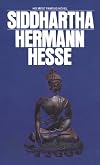
So far, I have loved everything I've read by Hermann Hesse, and I'm excited to dig into the rest of his works.
This was a book that felt like it should be cliche, but somehow wasn't? There's just a consistent authenticity present that just makes it feel so... human?
The lessons and ideals expressed seem like they could be very shallow, but the more you think about them, the more depth is revealed. This feels like the type of book you could read 10 times, and take away something differently show more every time you read it depending on what stage of life you are in. I do think a lot of the philosophy was lost on me, due to not being read at the right time in life.
That being said, the discussions about the river were amazing, and very profound. I loved that whole section: the lesson that a river is simultaneously the small stream at it's source, as well as the large body of water, ending, and returning the water to the ocean and not one or the other. Similarly, a person is not removed from their past, their source, nor defined by their future, but it is a part of them. To accept that is the only way to truly exist in the present, and live, and grow. Time does not exist. (sidenote: this greatly reminded me of Slaughterhouse Five, one of my favorite books of all time). show less
This was a book that felt like it should be cliche, but somehow wasn't? There's just a consistent authenticity present that just makes it feel so... human?
The lessons and ideals expressed seem like they could be very shallow, but the more you think about them, the more depth is revealed. This feels like the type of book you could read 10 times, and take away something differently show more every time you read it depending on what stage of life you are in. I do think a lot of the philosophy was lost on me, due to not being read at the right time in life.
That being said, the discussions about the river were amazing, and very profound. I loved that whole section: the lesson that a river is simultaneously the small stream at it's source, as well as the large body of water, ending, and returning the water to the ocean and not one or the other. Similarly, a person is not removed from their past, their source, nor defined by their future, but it is a part of them. To accept that is the only way to truly exist in the present, and live, and grow. Time does not exist. (sidenote: this greatly reminded me of Slaughterhouse Five, one of my favorite books of all time). show less
Rosshalde é uma ampla propriedade rural em algum recanto da Alemanha, que abriga um casarão, jardins, vegetação silvestre e um lago. O cenário idílico evoca paz e tranquilidade, ambiente perfeito para as criações de um artista como Johann Veraguth. Suas obras fazem sucesso, e o pintor conta até com um estúdio na propriedade para trabalhar em isolamento. Tudo perfeito, porém, olhando de perto esse estúdio também é o refúgio de Johann, que deixou de conviver com sua esposa Adele show more no casarão.
Quarto romance do escritor alemão Hermann Hesse, “Rosshalde” é assim o retrato melancólico de um casamento fracassado. Johann e Adele encontram-se apenas na hora do almoço, uma concessão familiar pelo bem-estar de Pierre, o filho de sete anos do casal. Albert, o filho mais velho, vive em outra cidade para estudar – distância que também convém por conta das desavenças com o pai.
A rotina de Johann é quebrada pelas visitas casuais de Pierre. Ele ama e até se esforça para dar atenção ao filho, mas não consegue deixar de focar na tela, e a conexão é frágil. Além disso, o garoto não gosta do cheiro das tintas. O pintor se angustia entre a vontade de se realizar como artista e a dedicação à família. O quadro de solidão é rompido com a visita de Otto Burkhardt, um velho amigo. O texto é excelente, porém triste. A presença de Otto é um alívio na trama – e para os leitores. Os amigos dividem longos diálogos, garrafas de vinho e braçadas no lago. Em um momento de provação, Johann e Adele parecem se aproximar.
Gostei muito desse romance, e acabei contando parte da história, mas apesar de curta a narrativa ainda se desenvolve em outras situações. O livro tem traços autobiográficos, pois na ocasião da escrita o próprio casamento de Hesse estava abalado. E sua obra é marcada pela busca da realização e liberdade individual frente a vida em sociedade. Em 1910, o autor já explorara o tema da busca interna e externa no romance “Gertrud”.
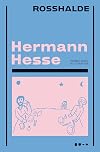
“Rosshalde” foi lançado em 1914, pouco antes da eclosão da Primeira Guerra Mundial. tradução Julia Bussius. Essa edição da Todavia é de 2023, com tradução de Julia Bussius. A bela capa é de Luciana Facchini, com ilustração de Juan Narowé. show less
Quarto romance do escritor alemão Hermann Hesse, “Rosshalde” é assim o retrato melancólico de um casamento fracassado. Johann e Adele encontram-se apenas na hora do almoço, uma concessão familiar pelo bem-estar de Pierre, o filho de sete anos do casal. Albert, o filho mais velho, vive em outra cidade para estudar – distância que também convém por conta das desavenças com o pai.
A rotina de Johann é quebrada pelas visitas casuais de Pierre. Ele ama e até se esforça para dar atenção ao filho, mas não consegue deixar de focar na tela, e a conexão é frágil. Além disso, o garoto não gosta do cheiro das tintas. O pintor se angustia entre a vontade de se realizar como artista e a dedicação à família. O quadro de solidão é rompido com a visita de Otto Burkhardt, um velho amigo. O texto é excelente, porém triste. A presença de Otto é um alívio na trama – e para os leitores. Os amigos dividem longos diálogos, garrafas de vinho e braçadas no lago. Em um momento de provação, Johann e Adele parecem se aproximar.
Gostei muito desse romance, e acabei contando parte da história, mas apesar de curta a narrativa ainda se desenvolve em outras situações. O livro tem traços autobiográficos, pois na ocasião da escrita o próprio casamento de Hesse estava abalado. E sua obra é marcada pela busca da realização e liberdade individual frente a vida em sociedade. Em 1910, o autor já explorara o tema da busca interna e externa no romance “Gertrud”.
“Rosshalde” foi lançado em 1914, pouco antes da eclosão da Primeira Guerra Mundial. tradução Julia Bussius. Essa edição da Todavia é de 2023, com tradução de Julia Bussius. A bela capa é de Luciana Facchini, com ilustração de Juan Narowé. show less
Lists
Metafiction (1)
Folio Society (1)
Five star books (1)
Metamorphoses (1)
1910s (1)
Monastic life (1)
AP Lit (1)
100 knjiga (1)
All Things India (1)
Macho Fiction (1)
. (1)
current (1)
Elegant Prose (1)
Didactic Fiction (1)
Overdue Podcast (1)
Modernism (1)
Books to Read (1)
el (3)
1930s (2)
Florida (2)
philosophy (2)
A Novel Cure (2)
Existentialism (4)
Unread books (4)
Gen X Library (3)
. (3)
BitLife (1)
At the Library (1)
Short and Sweet (1)
Magic Realism (1)
Read (1)
Favourite Books (2)
1920s (2)
Read in 2006 (2)
Out of Copyright (1)
Awards


You May Also Like


Associated Authors
Statistics
- Works
- 1,016
- Also by
- 47
- Members
- 93,883
- Popularity
- #99
- Rating
- 3.9
- Reviews
- 1,288
- ISBNs
- 3,337
- Languages
- 53
- Favorited
- 465


