
Adriana Lisboa
Author of Symphony in White (THE AMERICAS)
Works by Adriana Lisboa
Contos que Contam — Author — 3 copies
CONTOS POPULARES JAPONESES 1 copy
Antes de dar nomes ao mundo 1 copy
Associated Works
Tagged
Common Knowledge
- Birthdate
- 1970-03-25
- Gender
- female
- Education
- Rio de Janeiro State University (MFA|Brazilian literature)
Rio de Janeiro State University (PhD|Comparative literature)
Federal University of Rio de Janeiro (BFA|music) - Occupations
- author
jazz singer
music teacher
translator
flautist - Organizations
- International Research Center for Japanese Studies
University of California, Berkeley - Agent
- Nicole Witt
Jonah Straus - Short biography
- Adriana Lisboa is a Brazilian writer. She is the author of six novels, and has also published poetry, short stories and books for children. Originally written in Portuguese, her books have been translated into more than a dozen languages. Crow Blue is Lisboa's most recent novel translated into English and was named a book of the year by The Independent (London). Her stories and poems have appeared in Granta, Modern Poetry in Translation, The Brooklyn Rail, Litro, The Missing Slate, Joyland, Sonofabook, Waxwing, and others.
- Nationality
- Brazil
- Birthplace
- Rio de Janeiro, Brazil
- Places of residence
- Rio de Janeiro, Brazil
Avignon, France
USA
New Zealand - Associated Place (for map)
- Rio de Janeiro, Brazil
Members
Reviews
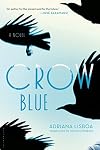
Following her mother's death, Vanja arrives in Colorado at the age of thirteen, uprooting herself from her home in Brazil to live with Fernando, her mother's first husband. Though her ultimate hope is to find her biological father, the novel takes a touching, meandering path toward that end. Vanja finds Lakewood, a suburb of Denver, to be nothing like Rio, but she acclimatizes fairly easily (though she can't help but compare her new — odd, yet sort of charming — environs with her former show more idyllic life on Copacabana Beach). Vanja's narrative includes a colorful cast of supporting characters, but it is also interrupted by the darker, parallel story of Fernando's past. The book is beautifully and delicately written. One quibble, which is perhaps more on the translator, is the frequent use of the phrase "as if" — unfortunately, as happens with these things, once I started to notice it, I began seeing it constantly. show less

Es ist die Geschichte zweier Schwestern aus Brasilien, die völlig unterschiedliche Lebenswege einschlagen, sich aber trotzdem immer noch verbunden fühlen. Nach zehn Jahren steht ein Wiedersehen in ihrem Elternhaus bevor und in einem für europäische Verhältnisse ungewöhnlichen, aber dennoch wundervollen, poetischen Stil erzählt die Autorin über die Kindheit und das Erwachsenwerden dieser beiden Frauen.
Klar ist, es gibt Etwas über das in dieser Familie niemand spricht, es herrscht show more eine Grabesstille im Zuhause der beiden Mädchen. Nur wenige wissen davon und die Geschichte selbst nähert sich diesem Etwas nur allmählich mit vagen Andeutungen, wohingegen seine Auswirkungen überdeutlich beschrieben werden. Alle leiden darunter: die Einen direkt, die Anderen indirekt. Es muss etwas Abscheuliches gewesen sein, doch dieses entsetzlich Unbeschreibliche wird auf eine solch stimmungsvolle und poetische Weise erzählt, dass der Kontrast zwischen Sprache und Erlebtem wohl kaum größer sein könnte.
Doch der Roman lebt nicht nur von der wunderbaren Sprache der Autorin. Während es zu Beginn nur selten Hinweise auf das Unaussprechliche gibt, steigen diese mit zunehmender Seitenzahl. Und so rätselte ich mit, was denn geschehen sein könnte und wurde immer ungeduldiger, je näher das Treffen der beiden Schwestern rückte. Obwohl ich wie vermutlich viele Andere auch es schon früher ahnte (zumindest ungefähr), was passiert sein könnte, ist die 'Auflösung' dennoch schockierend - ich konnte das Unglaubliche kaum glauben.
Es ist eine Geschichte, wie sie sich auch in unserer Gegend hätte ereignen können, voller Schweigen und Verschlossenheit. Doch durch die bilderreiche Sprache Adriana Lisboas wird schon nach wenigen Seiten klar: Man befindet sich mitten in Südamerika.
Weshalb dann nicht die volle Punktzahl? Das Buch ist trotz des traurigen Themas sehr sehr poetisch - für meinen Geschmack etwas zu sehr. Um nicht falsch verstanden zu werden: Nein, das hier ist KEIN Kitsch und drückt nicht auf die Tränendrüse. Doch als durchschnittliche Mitteleuropäerin vertrage ich offenbar nur eine bestimmte Menge an Poesie - und die ist mit diesem Buch auf jeden Fall erreicht ;-) show less
Klar ist, es gibt Etwas über das in dieser Familie niemand spricht, es herrscht show more eine Grabesstille im Zuhause der beiden Mädchen. Nur wenige wissen davon und die Geschichte selbst nähert sich diesem Etwas nur allmählich mit vagen Andeutungen, wohingegen seine Auswirkungen überdeutlich beschrieben werden. Alle leiden darunter: die Einen direkt, die Anderen indirekt. Es muss etwas Abscheuliches gewesen sein, doch dieses entsetzlich Unbeschreibliche wird auf eine solch stimmungsvolle und poetische Weise erzählt, dass der Kontrast zwischen Sprache und Erlebtem wohl kaum größer sein könnte.
Doch der Roman lebt nicht nur von der wunderbaren Sprache der Autorin. Während es zu Beginn nur selten Hinweise auf das Unaussprechliche gibt, steigen diese mit zunehmender Seitenzahl. Und so rätselte ich mit, was denn geschehen sein könnte und wurde immer ungeduldiger, je näher das Treffen der beiden Schwestern rückte. Obwohl ich wie vermutlich viele Andere auch es schon früher ahnte (zumindest ungefähr), was passiert sein könnte, ist die 'Auflösung' dennoch schockierend - ich konnte das Unglaubliche kaum glauben.
Es ist eine Geschichte, wie sie sich auch in unserer Gegend hätte ereignen können, voller Schweigen und Verschlossenheit. Doch durch die bilderreiche Sprache Adriana Lisboas wird schon nach wenigen Seiten klar: Man befindet sich mitten in Südamerika.
Weshalb dann nicht die volle Punktzahl? Das Buch ist trotz des traurigen Themas sehr sehr poetisch - für meinen Geschmack etwas zu sehr. Um nicht falsch verstanden zu werden: Nein, das hier ist KEIN Kitsch und drückt nicht auf die Tränendrüse. Doch als durchschnittliche Mitteleuropäerin vertrage ich offenbar nur eine bestimmte Menge an Poesie - und die ist mit diesem Buch auf jeden Fall erreicht ;-) show less
This review was first published in Belletrista.
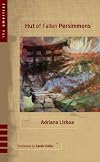
It is interesting to read a book that you are certain will be a love story—though you aren't sure whether happy or ill-fated, requited or unrequited—only to find yourself perpetually poised, waiting for that romance to start. Haruki, an illustrator of books, and Celina, an embroidery artist, meet by chance on a subway in Rio de Janeiro. He is attracted to her and she is somewhat intrigued by him or, it may be, simply by something new in her show more life. Haruki has a commission to illustrate a journal of the Edo poet Matsuo Bashō, and he wants to travel to Japan to Rakushisha, the Hut of Fallen Persimmons, where Bashō stayed while writing much of it. On impulse, he invites Celina. Quite improbably, even while thinking that she wants to answer no, Celina accepts. Some kind of relationship between Haruki and Celina seems inevitable. From their deliberations as they think about the possibility of just sex or of a deeper relationship, it seems inevitable to them, also.
And yet, time seems to stall once they reach Japan. Lisboa catches that moment of something impending, neither occurring nor abandoned, and prolongs it. As Haruki and Celina use this break from their normal lives to reflect, they reveal parts of their pasts that have left them emotionally caught, unable to move beyond a certain condition: Haruki is in love with a married woman who, though she cares for him, will not leave her husband; Celina has some misfortune in her past that leaves her scarred and wanting no one close to her.
As the two separate, he to research his illustrations and she to explore, I found myself contemplating the numerous haiku that fill the story as Haruki reads through Bashō's journal. I find a kind of stillness in haiku, arising from the fact that they are based upon a single moment of perception by the senses rather than interpretation or explanation, and that same sort of stillness seemed to pervade the story. It had that same quality of a moment caught up out of time and presented to the reader. There is no table of contents or chapter numbering but, intrigued, I stopped and paged through the book and counted 17 chapters, corresponding to the 17 morae of a haiku.
Beyond this resemblance in form, Lisboa has structured the story to include the juxtaposition of two ideas that is essential to a proper haiku, the internal comparison that can be either a contrasting or a mirroring of images. Bashō's poem of leave-taking from Rakushisha sets the summer rain against an image of departing and, in a conscious echo, Haruki and Celina, though physically apart, experience the same moment of watching "the gentle rain that begins to fall" as they make their decisions about their emotional lives—whether to accept where they are or to move on.
Lisboa's prose is beautiful, even in translation. There was something crystalline and unfussy about it that delighted me. For all the apparent simplicity of the language, however, it is a book that requires close attention; it is not something to be read while drowsy on the beach. It is full of unheralded switching between timelines, unsignaled changing of voices, and a use of pronouns that demands awareness. I might have preferred it without this approach; it was an extra effort that did not seem to enhance the theme or mood. However, that is my only complaint about this story that has left me thinking about it well after I finished reading it.
Summer rain
Papers torn off
Marks on the walls
--Bashō's last poem at Raskushisha show less
It is interesting to read a book that you are certain will be a love story—though you aren't sure whether happy or ill-fated, requited or unrequited—only to find yourself perpetually poised, waiting for that romance to start. Haruki, an illustrator of books, and Celina, an embroidery artist, meet by chance on a subway in Rio de Janeiro. He is attracted to her and she is somewhat intrigued by him or, it may be, simply by something new in her show more life. Haruki has a commission to illustrate a journal of the Edo poet Matsuo Bashō, and he wants to travel to Japan to Rakushisha, the Hut of Fallen Persimmons, where Bashō stayed while writing much of it. On impulse, he invites Celina. Quite improbably, even while thinking that she wants to answer no, Celina accepts. Some kind of relationship between Haruki and Celina seems inevitable. From their deliberations as they think about the possibility of just sex or of a deeper relationship, it seems inevitable to them, also.
And yet, time seems to stall once they reach Japan. Lisboa catches that moment of something impending, neither occurring nor abandoned, and prolongs it. As Haruki and Celina use this break from their normal lives to reflect, they reveal parts of their pasts that have left them emotionally caught, unable to move beyond a certain condition: Haruki is in love with a married woman who, though she cares for him, will not leave her husband; Celina has some misfortune in her past that leaves her scarred and wanting no one close to her.
As the two separate, he to research his illustrations and she to explore, I found myself contemplating the numerous haiku that fill the story as Haruki reads through Bashō's journal. I find a kind of stillness in haiku, arising from the fact that they are based upon a single moment of perception by the senses rather than interpretation or explanation, and that same sort of stillness seemed to pervade the story. It had that same quality of a moment caught up out of time and presented to the reader. There is no table of contents or chapter numbering but, intrigued, I stopped and paged through the book and counted 17 chapters, corresponding to the 17 morae of a haiku.
Beyond this resemblance in form, Lisboa has structured the story to include the juxtaposition of two ideas that is essential to a proper haiku, the internal comparison that can be either a contrasting or a mirroring of images. Bashō's poem of leave-taking from Rakushisha sets the summer rain against an image of departing and, in a conscious echo, Haruki and Celina, though physically apart, experience the same moment of watching "the gentle rain that begins to fall" as they make their decisions about their emotional lives—whether to accept where they are or to move on.
Lisboa's prose is beautiful, even in translation. There was something crystalline and unfussy about it that delighted me. For all the apparent simplicity of the language, however, it is a book that requires close attention; it is not something to be read while drowsy on the beach. It is full of unheralded switching between timelines, unsignaled changing of voices, and a use of pronouns that demands awareness. I might have preferred it without this approach; it was an extra effort that did not seem to enhance the theme or mood. However, that is my only complaint about this story that has left me thinking about it well after I finished reading it.
Summer rain
Papers torn off
Marks on the walls
--Bashō's last poem at Raskushisha show less
Sometimes I need to paraphrase Paul Simon - "Slow down you read too fast. You gotta make the novel last." So it is with 'Crow Blue', a novel to be read sentence at a time because each sentence might be a little poem. Or it might not.
This is a lovely book. Written in the first person there are two, almost distinct, voices. The one of thirteen years - curious, cute, exploring, mixed-up - the other, of 21, now grown-up and reflective. There is a plot. Well, more than one actually. The plotlines show more enmesh (it's a word the character discovers).
Translated sensitively from Portuguese by an Australian. Surprise--an Australian? Why should I be surprised? Cultural cringe? show less
This is a lovely book. Written in the first person there are two, almost distinct, voices. The one of thirteen years - curious, cute, exploring, mixed-up - the other, of 21, now grown-up and reflective. There is a plot. Well, more than one actually. The plotlines show more enmesh (it's a word the character discovers).
Translated sensitively from Portuguese by an Australian. Surprise--an Australian? Why should I be surprised? Cultural cringe? show less
Lists
Awards


You May Also Like


Associated Authors
Statistics
- Works
- 21
- Also by
- 2
- Members
- 212
- Popularity
- #104,833
- Rating
- 4.0
- Reviews
- 13
- ISBNs
- 47
- Languages
- 9
- Favorited
- 2