
Bruno Arpaia
Author of The Angel of History
Works by Bruno Arpaia
L'impostore 3 copies
Patria 2 copies
Nel grembo del mondo: cinque racconti di miniera: Brosso, Coazze, Prali, Rorà, Traversella, Vrù (2000) 1 copy
La memoria illusa 1 copy
Terraza Marlowe 1 copy
Associated Works
Tagged
Common Knowledge
- Birthdate
- 1957-08-31
- Gender
- male
- Nationality
- Italy
- Birthplace
- Ottaviano, Italia
- Associated Place (for map)
- Ottaviano, Italia
Members
Reviews
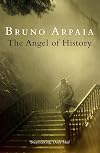
I found this a book that was depressing to contemplate reading but engrossing when I did. The story of the flight of Walter Benjamin from German to Paris and then as war spreads across France is interwoven with that of Laureano, a Spanish Communist who himself faces civil war then flight and exile. Their stories provide different perspectives on war and the experience of being a refugee, a displaced person without nationality or a place to call home. The younger man survives thanks to his show more youth and physical abilities and the burning sensuality and memory of the woman he desires; Benjamin is tortured by the intellectual and personal failures that he perceives surrounding him, the darkness of his melancholy pressing in upon him more than the imminent dangers that gradually surround him. The stories of these two eventually converge in the Pyrenees in the final chapters and the fate of each is determined. This novel gave a lyrical voice to refugees and their depravations and was all the more poignant to read alongside the news of the hundreds of refugees still losing their war-ravaged lives attempting to cross Europe's borders. show less

Parte male (come si fa a citare la trasmissione tv "le iene" come fonte attendibile? come si fa a citare oggi Richard Florida come se fosse l'ultima novità), poi piano si riprende, con osservazioni non banali sul dibattito (vedi l'interpretazione del libro Kulturinfarkt) e una lettura più ampia dello stato dei beni culturali in Italia, che riconduce i tagli e i generali problemi economici alla politica di non sviluppo intrapresa dall'Italia per la sua economia dagli anni '60. Nel suo show more genere, uno dei migliori. show less

Quando la fantascienza non è più, ahinoi, fantascienza. E' realismo, tristemente efficace.
In this novel, episodes involving Walter Benjamin are interwoven with the fictional story of some Spanish refugees. For those who already know what happened in Portbou this is a bit of a chronicle foretold. Nonetheless, the Benjamin storyline is the most riveting part. This may be due in part to my personal interest in finding out more about Benjamin as Arpaia's novel evidently has a solid historical basis with references to events and important figures of the time.
However, the other half of show more the story, dealing with the Spanish republicans is also a believable tale about refugees. This storyline ties in well with other reading on the subject as the characters get involved in key civil war battles. There is little doubt that Arpaia, a journalist and former history teacher from Naples, has done his homework.
"The Work of Art in the Age of Mechanical Reproduction" (German: Das Kunstwerk im Zeitalter seiner technischen Reproduzierbarkeit; originally published in Zeitschrift für Sozialforschung) is a 1935 essay by German cultural critic Walter Benjamin, which has been influential in the fields of cultural studies and media theory. It was produced, Benjamin wrote, in the effort to describe a theory of art that would be "useful for the formulation of revolutionary demands in the politics of art".
Benjamin gave the name "auratic perception" to the aesthetic faculty through which civilization would recover a lost appreciation of myth. show less
However, the other half of show more the story, dealing with the Spanish republicans is also a believable tale about refugees. This storyline ties in well with other reading on the subject as the characters get involved in key civil war battles. There is little doubt that Arpaia, a journalist and former history teacher from Naples, has done his homework.
"The Work of Art in the Age of Mechanical Reproduction" (German: Das Kunstwerk im Zeitalter seiner technischen Reproduzierbarkeit; originally published in Zeitschrift für Sozialforschung) is a 1935 essay by German cultural critic Walter Benjamin, which has been influential in the fields of cultural studies and media theory. It was produced, Benjamin wrote, in the effort to describe a theory of art that would be "useful for the formulation of revolutionary demands in the politics of art".
Benjamin gave the name "auratic perception" to the aesthetic faculty through which civilization would recover a lost appreciation of myth. show less
Lists
Awards


You May Also Like


Statistics
- Works
- 26
- Also by
- 13
- Members
- 188
- Popularity
- #115,782
- Rating
- 3.8
- Reviews
- 9
- ISBNs
- 40
- Languages
- 4
- Favorited
- 1