
About the Author
Image credit: https://en.wikipedia.org/wiki/File:Mujaku_Asanga_Kofukuji.JPG
日本語: 無着(むじゃく)像 木彫 高193cm about ACE1208 鎌倉時代, 奈良興福寺北円堂
1208年前後、1952/4/15 発行
日本の彫刻 6 鎌倉 美術出版社
運慶, 写真:藤本四八(1911, 飯田 - 2006、小樽)
Mujaku (Asanga)(indian buddhist about ACE310-390), Wood, 193cm height, about ACE1208,The Northern Octagonal Hall of Kofukuji Temple, Nara, Japan
about ACE1208, Published April 15, 1952
NIHON NO TYOKOKU ( JAPAN SCULTPURES), No.6, Kamakura Period, BIJYUTU-SHUPPAN Co.
sculptor: UNKEI, 13th century, photo: Shihachi Fujimoto(family name)), (1911, IIDA,NAGANO, Japan - 2006,Otaru, Hokkaido, Japan ) a renowned Japanese photographer
日本語: 無着(むじゃく)像 木彫 高193cm about ACE1208 鎌倉時代, 奈良興福寺北円堂
1208年前後、1952/4/15 発行
日本の彫刻 6 鎌倉 美術出版社
運慶, 写真:藤本四八(1911, 飯田 - 2006、小樽)
Mujaku (Asanga)(indian buddhist about ACE310-390), Wood, 193cm height, about ACE1208,The Northern Octagonal Hall of Kofukuji Temple, Nara, Japan
about ACE1208, Published April 15, 1952
NIHON NO TYOKOKU ( JAPAN SCULTPURES), No.6, Kamakura Period, BIJYUTU-SHUPPAN Co.
sculptor: UNKEI, 13th century, photo: Shihachi Fujimoto(family name)), (1911, IIDA,NAGANO, Japan - 2006,Otaru, Hokkaido, Japan ) a renowned Japanese photographer
Works by Asanga
Universal Vehicle Discourse Literature (Mahayanasutralamkara) (Treasury of the Buddhist Sciences) (1992) 42 copies, 1 review
The Bodhisattva Path to Unsurpassed Enlightenment: A Complete Translation of the Bodhisattvabhumi (Tsadra) (2016) 24 copies
A Compendium of the Mahayana: Asanga's Mahayanasamgraha and Its Indian and Tibetan Commentaries (Tsadra) (2019) 21 copies, 3 reviews
Asanga's Chapter on ethics with the commentary of Tsong-Kha-Pa, The basic path to awakening, the complete Bodhisattva (1989) 7 copies
Two Commentaries on the Samdhinirmocana-Sutra (Studies in Asian Thought and Religion) (1992) 4 copies
Bodhisattvabhūmiḥ 1 copy
Associated Works
Buddha Nature: The Mahayana Uttaratantra Shastra with Commentary (2000) — Compiler — 123 copies, 1 review
Tagged
Common Knowledge
- Canonical name
- Asanga
- Other names
- Aryasanga
- Birthdate
- c. 300
- Date of death
- 370
- Gender
- male
- Occupations
- Buddhist monk
- Organizations
- Yogacara
- Relationships
- Vasubandhu (half-brother)
- Nationality
- India
- Associated Place (for map)
- India
Members
Reviews


Translator:This text is a précis of Yogācāra philosphy on conscious interiority. Translated from the Chinese translation of the Sanskrit original.
A Compendium of the Mahayana: Asanga's Mahayanasamgraha and Its Indian and Tibetan Commentaries (Tsadra) by Asanga
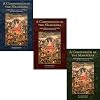
The first complete English translation of Asanga's Mahayanasamgraha, the most important and comprehensive Indian Yogacara text, and all its available Indian commentaries.
Winner of the Khyentse Foundation Prize for Outstanding Translation.
The Mahāyānasaṃgraha, published here with its Indian and Tibetan commentaries in three volumes, presents virtually everything anybody might want to know about the Yogācāra School of mahāyāna Buddhism. It discusses in detail the nature and operation show more of the eight kinds of consciousness, the often-misunderstood notion of “mind only” (cittamātra), dependent origination, the cultivation of the path and its fruition in terms of the four wisdoms, and the three bodies (kāyas) of a buddha.
Volume 1 presents the translation of the Mahāyānasaṃgraha along with a commentary by Vasubandhu. The introduction gives an overview of the text and its Indian and Tibetan commentaries, and explains in detail two crucial elements of the Yogācāra view: the ālaya-consciousness and the afflicted mind (kliṣṭamanas).
Volume 2 presents translations of the commentary by Asvabhāva and an anonymous Indian commentary on the first chapter of the text. These translations are supplemented in the endnotes by excerpts from Tibetan commentaries and related passages in other Indian and Chinese Yogācāra works.
Volume 3 includes appendices with excerpts from other Indian and Chinese Yogācāra texts and supplementary materials on major Yogācāra topics in the Mahāyānasaṃgraha. show less
Winner of the Khyentse Foundation Prize for Outstanding Translation.
The Mahāyānasaṃgraha, published here with its Indian and Tibetan commentaries in three volumes, presents virtually everything anybody might want to know about the Yogācāra School of mahāyāna Buddhism. It discusses in detail the nature and operation show more of the eight kinds of consciousness, the often-misunderstood notion of “mind only” (cittamātra), dependent origination, the cultivation of the path and its fruition in terms of the four wisdoms, and the three bodies (kāyas) of a buddha.
Volume 1 presents the translation of the Mahāyānasaṃgraha along with a commentary by Vasubandhu. The introduction gives an overview of the text and its Indian and Tibetan commentaries, and explains in detail two crucial elements of the Yogācāra view: the ālaya-consciousness and the afflicted mind (kliṣṭamanas).
Volume 2 presents translations of the commentary by Asvabhāva and an anonymous Indian commentary on the first chapter of the text. These translations are supplemented in the endnotes by excerpts from Tibetan commentaries and related passages in other Indian and Chinese Yogācāra works.
Volume 3 includes appendices with excerpts from other Indian and Chinese Yogācāra texts and supplementary materials on major Yogācāra topics in the Mahāyānasaṃgraha. show less
You May Also Like


Associated Authors
Statistics
- Works
- 17
- Also by
- 2
- Members
- 197
- Popularity
- #111,409
- Rating
- 4.6
- Reviews
- 7
- ISBNs
- 16