

Richard Rudgley
Author of The Lost Civilizations of the Stone Age
About the Author
Richard Rudgley is a critically acclaimed author, documentary filmmaker, and TV personality whose books have been translated into 13 languages. In 1991 he became the first winner of the British Museum Prometheus Award for his book, The Alchemy of Culture. His other books include The Encyclopedia of show more Psychoactive Substances, Lost Civilizations of the Stone Age, Barbarians, and Wildest Dreams. He lives in Victoria, British Columbia. show less
Works by Richard Rudgley
Pagan Resurrection: A Force for Evil or the Future of Western Spirituality? (2006) 30 copies, 2 reviews
The Celts {2006} 1 copy
Tagged
Common Knowledge
- Birthdate
- 1961
- Gender
- male
- Education
- University of Oxford
- Nationality
- UK
- Places of residence
- London, England, UK
- Map Location
- England, UK
Members
Reviews
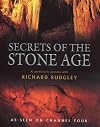
This is a fascinating look at stone age achievements that, unusually, starts from the premise that the Egyptians based their great achievements on earlier civilisations and then works systematically backwards in time. For example the Maltese stone temples built a millenium before the first dynasties of Pharaohs by a civilisation whose fate we do not know are amazing and one wonders why they are not better known. The achievements of Palaeolithic cave artists as long as 28,000 years ago are show more staggering. To say nothing of the accomplishments of the much and unfairly maligned Neandertals. A wonderful eye opener to the sheer breadth of prehistoric achievement. Could have benefited from an index though. show less
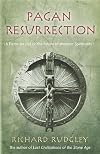
An odd book which contains some useful material on 'irrationalist' thinking in general and on the extreme Right. The book cannot seem to decide whether it approves of Odinist thinking as a sound response to universal archetypes or as harbinger of something much darker. The truth is probably somewhere inbetween. Most Heathen pagans are not right-wing nutters though they are equally unlikely to be socialist collectivists and the implicit association of the radical Right with Heathenism is (in show more this book) a trifle confused. A relatively easy read, worth a quick run-through but not in the 'Hutton' category by any means. show less
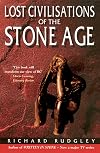
The author mostly succeeds in establishing that the roots of human achievement in many cases go back much further than is often assumed into what is generally known as prehistory. However, he often oversimplifies the arguments made by other archaeologists and portrays them as having an utterly rigid conception of a 40000BP threshold for the formation of modern human consciousness, thereby setting up a crude dichotomy between two schools of thought. The tone is set by his introduction where show more he cites examples of appalling insensitivity by 19th century archaeologists in grave robbing (e.g. of Tasmanian aborigines) and seems to imply that many modern archaeologists are also like that. So, overall, a fascinating look at many prehistoric attainments, but should be read alongside other views, especially as relating to controversial areas such as early art objects or evidence of human occupation in the Americas or Australia. show less
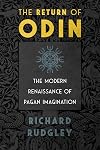
There is no structure or plan to the book, it randomly lists events, ideas, history, beliefs and any trivia related to paganism. It mentions Viking dildos, Hitler's secret Antarctic base where he escaped after WW2 and many crazier things that I have already forgotten. Technically the book never claims anything it describes to be true, everything is couched in ambiguous unsourced claims. In which case why bother writing about any of it if it's all bollocks?
The book mentions Carl Jung more show more times than I can count. If you're interested you can cut out the middleman and just read Carl Jung's "Essay on Wotan" which is widely available online. show less
The book mentions Carl Jung more show more times than I can count. If you're interested you can cut out the middleman and just read Carl Jung's "Essay on Wotan" which is widely available online. show less
You May Also Like


Statistics
- Works
- 14
- Members
- 680
- Popularity
- #37,180
- Rating
- 3.6
- Reviews
- 11
- ISBNs
- 38
- Languages
- 5