
Patricia Harman
Author of The Midwife of Hope River
About the Author
Patricia Harman has spent over thirty years caring for women as a midwife, first as a lay-midwife, and later as a nurse-midwife in teaching hospitals and a community hospital birthing center. She became an RN as the first step in getting licensed as certified nurse midwife. In 1985 she began her show more training at the University of Minnesota where she received her MSN in Nurse-Midwifery. She has been a nurse-midwife on the faculty of The Ohio State University, Case Western Reserve University and most recently West Virginia University. She also spent several years in private practice, before the rising costs of liability insurance for Obstetrics caused her to give up deliveries. The change in life style afforded Harman the free time to pursue writing. She has written two memoirs; Arms Wide Open: A Midwife's Journey, and The Blue Cotton Gown: A Midwife's Memoir. She has also written several novels; The Midwife of Hope River and The Reluctant Midwife, which comprise the Hope River Series. (Bowker Author Biography) show less
Series
Works by Patricia Harman
Trange tider i Hope River 1 copy
Lost on Hope Island: The Amazing Tale of the Little Goat Midwives: Book 3: Quarantine (2022) 1 copy, 1 review
Tagged
Common Knowledge
- Birthdate
- 1943-11-01
- Gender
- female
- Nationality
- USA
- Places of residence
- Morgantown, West Virginia, USA
- Associated Place (for map)
- West Virginia, USA
Members
Reviews
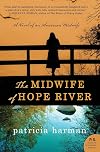
Patricia Harman’s writing is so vivid and authentic that I had to remind myself that the story was only fiction.
The Midwife of Hope River is a compelling historical fiction novel that takes place in the 1930s, in the coal mining communities of Union County, West Virginia.
Elizabeth Snyder, aka Patience Murphy, is a 36-year-old widowed showgirl; hiding from the law in the rural hills of West Virginia. Patience learns midwifery from Mrs. Kelly and Mrs. Potts, the only two midwives in the show more County. But when they both died, Patience found herself alone with only her apprentice, Bitsy, a young girl she took into her home and befriended, to assist her. The story pulls at the reader’s heartstrings as it follows these two women into poverty-stricken homes and into the homes of mothers in the midst of labor. The reader will also find their emotions skyrocketing and plummeting as they witness Patience and her assistant struggling to keep both mother and child alive during prolonged and complicated births.
Patience Murphy would have loved to have had some assistance from Dr. Blum, the local physician. But Dr. Blum only treated families who had the means to pay for his services. And he refused to go into any of the homes that didn’t have running water and electricity; the very same homes that Patience and Bitsy often found themselves in. Payment was rare from these impoverished families. If they were paid, it was usually in the form of a meal, a chicken, or wood to heat their home. But most of the time it was just a hug and a thank you.
Even though slavery no longer existed in West Virginia, prejudice, segregation, and racial hate crimes still did. Patience discovered this first hand when she found white supremacists setting fire to her fence and threatening to rape her along with her black apprentice, Bitsy. Neighbor, good friend and local veterinarian, Daniel Hester, saw the fire in Patience’s yard and gathered forces to combat it and the men dressed as the KKK.
Patience held a warm and tender fondness for Daniel Hester, the man who always seemed to be there whenever she needed help. Patience, in turn, would assist him with his veterinarian calls. Although the two were not romantically in love, their bond of friendship was strong and ran deep within each other’s heart.
Patience Murphy would eventually find that the care she so freely gave to others would come to her in the form of support and friendship. This friendship would be her saving grace when her troubled past came knocking at her door.
I found The Midwife of Hope River to be riveting from the very first page. Patricia Harman draws from her vast experience as a midwife. She paints accurate and vivid pictures of what women experience during normal and complicated deliveries. I had to remind myself that The Midwife of Hope River was only fiction because it read like a true story, with realistic characters, dialogue, and situations. Although the book has a thread of grief and sadness running through it, readers will find themselves smiling at the many humorous situations Patience finds herself in.
I would highly recommend reading The Midwife of Hope River. It’s a magnificently written, fascinating, and difficult to put down book. It’s a story that will stay with the reader long after they have finished the last page.
~5 out of 5 stars~ Review by Peg Glover show less
The Midwife of Hope River is a compelling historical fiction novel that takes place in the 1930s, in the coal mining communities of Union County, West Virginia.
Elizabeth Snyder, aka Patience Murphy, is a 36-year-old widowed showgirl; hiding from the law in the rural hills of West Virginia. Patience learns midwifery from Mrs. Kelly and Mrs. Potts, the only two midwives in the show more County. But when they both died, Patience found herself alone with only her apprentice, Bitsy, a young girl she took into her home and befriended, to assist her. The story pulls at the reader’s heartstrings as it follows these two women into poverty-stricken homes and into the homes of mothers in the midst of labor. The reader will also find their emotions skyrocketing and plummeting as they witness Patience and her assistant struggling to keep both mother and child alive during prolonged and complicated births.
Patience Murphy would have loved to have had some assistance from Dr. Blum, the local physician. But Dr. Blum only treated families who had the means to pay for his services. And he refused to go into any of the homes that didn’t have running water and electricity; the very same homes that Patience and Bitsy often found themselves in. Payment was rare from these impoverished families. If they were paid, it was usually in the form of a meal, a chicken, or wood to heat their home. But most of the time it was just a hug and a thank you.
Even though slavery no longer existed in West Virginia, prejudice, segregation, and racial hate crimes still did. Patience discovered this first hand when she found white supremacists setting fire to her fence and threatening to rape her along with her black apprentice, Bitsy. Neighbor, good friend and local veterinarian, Daniel Hester, saw the fire in Patience’s yard and gathered forces to combat it and the men dressed as the KKK.
Patience held a warm and tender fondness for Daniel Hester, the man who always seemed to be there whenever she needed help. Patience, in turn, would assist him with his veterinarian calls. Although the two were not romantically in love, their bond of friendship was strong and ran deep within each other’s heart.
Patience Murphy would eventually find that the care she so freely gave to others would come to her in the form of support and friendship. This friendship would be her saving grace when her troubled past came knocking at her door.
I found The Midwife of Hope River to be riveting from the very first page. Patricia Harman draws from her vast experience as a midwife. She paints accurate and vivid pictures of what women experience during normal and complicated deliveries. I had to remind myself that The Midwife of Hope River was only fiction because it read like a true story, with realistic characters, dialogue, and situations. Although the book has a thread of grief and sadness running through it, readers will find themselves smiling at the many humorous situations Patience finds herself in.
I would highly recommend reading The Midwife of Hope River. It’s a magnificently written, fascinating, and difficult to put down book. It’s a story that will stay with the reader long after they have finished the last page.
~5 out of 5 stars~ Review by Peg Glover show less
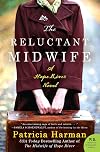
Lovers of TV’s Call the Midwife will enjoy this tale of a small-town American midwife’s assistant, reluctantly taking on the job when the Depression leaves her hopeless and almost homeless. The lives of people struggling on the edges of poverty are vividly portrayed, and there’s plenty of well-researched history, covering race relations, rejection of outsiders, mistrust of government programs, and the pursuit of medicine. Protagonist Becky is a doctor’s daughter and physician’s show more assistant. But the doctor she worked with has lost his mind, just as the world lost its financial safety-net. Now Becky cares for her employer as if he were a child, and cares for neighbor’s children and children-to-be. Meanwhile the Civilian Conservation Corps sets up camp, and a handsome stranger threatens to steal Becky’s heart.
The story is enhanced by quotes from Nurse Becky's diary, lending a powerful sense of immediacy, soon paired with a touch of mystery. Details are convincing. Characters are pleasingly complex. And the dialog mostly rings true to life (though I have issues with some of the swear words which felt awkwardly modern).
A recurring theme is the way we make assumptions – who can be trusted, who can be healed, who is worth caring for – and how easily all those assumptions can be wrong. In a world of poverty, trust is paramount. And in a world of broken trust, mercy might rule. A thin thread of faith reminds the characters that there’s something more to be trusted, beyond themselves, but the story works equally for readers of faith and readers just interested in an honest tale set in the world our grandparents knew.
Disclosure: I received a free copy in exchange for my honest review. show less
The story is enhanced by quotes from Nurse Becky's diary, lending a powerful sense of immediacy, soon paired with a touch of mystery. Details are convincing. Characters are pleasingly complex. And the dialog mostly rings true to life (though I have issues with some of the swear words which felt awkwardly modern).
A recurring theme is the way we make assumptions – who can be trusted, who can be healed, who is worth caring for – and how easily all those assumptions can be wrong. In a world of poverty, trust is paramount. And in a world of broken trust, mercy might rule. A thin thread of faith reminds the characters that there’s something more to be trusted, beyond themselves, but the story works equally for readers of faith and readers just interested in an honest tale set in the world our grandparents knew.
Disclosure: I received a free copy in exchange for my honest review. show less
 This review was written for LibraryThing Early Reviewers.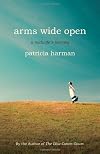
I received this book as part of Early Reviewers in 2011. I loved it so much and it dovetailed with my interests and experiences so well I promptly found myself unable to write about it. My notes on the book include things such as “If you’ve ever followed a pensive wild man into the woods” and “Memoirs on a bohemian life lived”.
I’m younger than the author and no longer working in a healthcare space at this moment but the emotional impact of the experiences endure. This book is show more the beauty of midwifery. These are the memories of someone who has spent their lives caring about others. Which some could say was the spirit of the time of the 70’s. But, also, there are the timeless values of women and the beauty of life making.
As a person who has also had a series of different relationships with others as well as my own “failed” marriages I also understand what it is to walk a piece of life with someone, float apart, float back together, hold space. Something that is also seen in this book. This is an intimate beautiful book about caring and what it is to be a midwife with a window into one's private pensive space over a longer arc of life. show less
I’m younger than the author and no longer working in a healthcare space at this moment but the emotional impact of the experiences endure. This book is show more the beauty of midwifery. These are the memories of someone who has spent their lives caring about others. Which some could say was the spirit of the time of the 70’s. But, also, there are the timeless values of women and the beauty of life making.
As a person who has also had a series of different relationships with others as well as my own “failed” marriages I also understand what it is to walk a piece of life with someone, float apart, float back together, hold space. Something that is also seen in this book. This is an intimate beautiful book about caring and what it is to be a midwife with a window into one's private pensive space over a longer arc of life. show less
This review was written for LibraryThing Early Reviewers.What an amazing read. I love the way this author writes. She writes about women, and their weaknesses and their joys. Mostly Patricia Harman writes about their strengths. This is a story of a woman who became a midwife more by accident than by design. Patience was a woman who had lost her parents at an early age, walked away from an orphanage and into the first of many adventures she was to experience. She lost a lover and a child, and eventually became a widow due to a terrible accident. show more Yet she found a way to survive.
She landed in small, very poor town in West Virginia. The mines nearby provided work for some, but The Depression found its way into town and many of the richer inhabitants became poor and the poor became destitute. But life has a way of going on, and babies will be born, and so she made her living as a midwife, which she had learned from her great and beloved friend Mrs. Kelly during the years they shared a home and a way of life. Even though she had spent much of her life in cities like Pittsburgh and Chicago, she took to rural living like one who was born to it, and was finally living a life she enjoyed and was a respected member of the community. But even country life had its pitfalls, and she still had a challenge or two ahead of her. A self described warrior, she made her way, and eventually found more than a life she was content with, she found a way to be happy. show less
She landed in small, very poor town in West Virginia. The mines nearby provided work for some, but The Depression found its way into town and many of the richer inhabitants became poor and the poor became destitute. But life has a way of going on, and babies will be born, and so she made her living as a midwife, which she had learned from her great and beloved friend Mrs. Kelly during the years they shared a home and a way of life. Even though she had spent much of her life in cities like Pittsburgh and Chicago, she took to rural living like one who was born to it, and was finally living a life she enjoyed and was a respected member of the community. But even country life had its pitfalls, and she still had a challenge or two ahead of her. A self described warrior, she made her way, and eventually found more than a life she was content with, she found a way to be happy. show less
This review was written for LibraryThing Early Reviewers.Lists
You May Also Like


Statistics
- Works
- 17
- Members
- 1,292
- Popularity
- #19,860
- Rating
- 3.9
- Reviews
- 155
- ISBNs
- 84
- Languages
- 6
