
Paul Ricœur (1913–2005)
Author of Memory, History, Forgetting
About the Author
Professor of philosophy at the University of Paris and the University of Chicago, Paul Ricoeur has been described as "possibly the only younger philosopher in Europe whose reputation is of the magnitude of that of the old men of Existentialism---Marcel, Jaspers, Heidegger and Sartre . . . ." His show more work has been characterized as "the most massive accomplishment of any philosopher of Christian faith since the appearance of Gabriel Marcel." A practitioner of the phenomenology of Edmund Husserl mediated by a return to Immanuel Kant---in that things in themselves, though unknowable, are not excluded by bracketing existence but are acknowledged as the necessary conditions for the possibility of human experience---Ricoeur has examined those parts of experience---faulty, fallible, and susceptible to error and evil---that other phenomenologists, interested primarily in the cognitional, have neglected. In this respect he follows in the footsteps of Heidegger and Sartre, but he goes beyond them in his discovery of principles transcending human subjectivity that are amenable to spiritual interpretation. Here Ricoeur steps within the contemporary hermeneutic circle of Heidegger and Hans-Georg Gadamer, on whom he has written. Ricoeur's hermeneutical method, however, has much in common with the methods of biblical exegesis, and in this respect his works should be especially appealing to seminarians and the clergy. (Bowker Author Biography) show less
Image credit: Le philosophe Paul Ricœur, en 1995
Series
Works by Paul Ricœur
The Rule of Metaphor: The Creation of Meaning in Language (Routledge Classics) (1975) 400 copies, 5 reviews
Hermeneutics and the Human Sciences: Essays on Language, Action and Interpretation (1981) 205 copies, 1 review
Main Trends in Philosophy (Main Trends of Research in the Social and Human Sciences. Selections.) (1979) 24 copies
La Religion pour penser - Écrits et conférences 5 (05) (La Couleur des idées) (French Edition) (2021) 4 copies
Eseuri de hermeneutica 2 copies
O conflito das Interpretações 2 copies
Interpretaçao e Ideologias 2 copies
Hermenéutica y Psicoanálisis 1 copy
Das Selbst als ein Anderer. 1 copy
Exégesis y Hermenéutica: Problemas de método y ejercicios de lectura (Spanish Edition) (2021) 1 copy
Čas a vyprávění I. 1 copy
Tempo e Narrativa - Tomo I 1 copy
ÉTICA Y CULTURA 1 copy
Dal Testo all'azione 1 copy
Cái ác 1 copy
El lenguaje de la fe 1 copy
Paul Ricoeur: 1913-2005 1 copy
Poder y conflicto 1 copy
Söz Edimleri Kuramı ve Etik 1 copy
Associated Works
The Company of Preachers: Wisdom on Preaching, Augustine to the Present (2002) — Contributor — 199 copies, 2 reviews
Tagged
Common Knowledge
- Canonical name
- Ricœur, Paul
- Legal name
- Ricœur, Jean Paul Gustave
- Birthdate
- 1913-02-27
- Date of death
- 2005-05-20
- Gender
- male
- Education
- Faculté des lettres de Paris Sorbonne (Doctorat, Philosophie, 1950)
Agrégation de philosophie (Rang 2, 1935)
Université de Rennes (Licence, Philosophie, 1933)
Lycée Émile-Zola de Rennes - Occupations
- professor
philosopher - Organizations
- Université de Chicago, Etats-Unis (Professeur, Philosophie, 1970 | 1985)
Université catholique de Louvain, Belgique (Professeur, Philosophie, 1970 | 1973)
Université Paris-Nanterre (Professeur, Philosophie, 1968 | 1970)
Université de la Sorbonne (Professeur, Philosophie, 1956 | 1968)
Université de Strasbourg (Maître de conférences, Philosophie, 1948 | 1956)
Collège Cévenol, Le chambon-sur-Lignon (Professeur, Philosophie, 1945 | 1948) (show all 13)
Faculté de théologie protestante de Paris (Professeur, Philosophie, pendant 10 ans)
Lycée Dupuy-de-Lôme de Lorient (Professeur, Philosophie, 1935 | 1939)
Esprit, Revue de philosophie (Collaborateur)
Académie royale néerlandaise des arts et des sciences (Membre)
Académie américaine des arts et des sciences (Membre | 1971)
Modern Language Association (Membre)
French Army (WWII) - Awards and honors
- Kluge Prize (2004)
Balzan Prize (1999)
Kyoto Prize in Arts and Philosophy (2000)
Gordon J. Laing Award (1999)
American Academy of Arts and Sciences (Foreign Honorary Member, 1971) - Relationships
- Macron, Emmanuel (Secrétaire, 1999 | 2001)
Dalbiez, Roland (Professeur)
Marcel, Gabriel (Professeur) - Cause of death
- natural causes
- Nationality
- France
- Birthplace
- Valence, Drôme, Auvergne-Rhône-Alpes, France
- Place of death
- Châtenay-Malabry, Hauts-de-Seine, ïle-de-France, France
- Burial location
- Châtenay-Malabry New Cemetery, Châtenay-Malabry, France
- Associated Place (for map)
- France
Members
Discussions
Paul Ricoeur / English recommendations? in Philosophy and Theory (November 2022)
Reviews
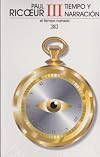
La primera edición en francés de esta obra data de 1985. Sus fundamentos proceden del análisis del tiempo en las “Confesiones” de San Agustín y del concepto de mythos (que aquí se traduce por trama) de la “Poética” de Aristóteles. Sus tres volúmenes versan sobre el tiempo en el relato histórico, el tiempo en el relato de ficción y la experiencia del tiempo en la narración. La principal aportación de las ideas de Ricoeur es difícil de circunscribir. Se trata de una obra show more monumental que explora los horizontes de la vida humana en tanto narración y las implicaciones que ello tiene para la historia, la ficción narrativa y la experiencia del tiempo. Impresiona, por de pronto, la amplitud de las exploraciones, que van desde la obra de los historiadores franceses de la escuela de los Annales hasta las consideraciones nomológicas de raigambre hempeliana en lo histórico, y desde la narratología científica hasta la comprensión inteligible de los textos de ficción, con enjundiosos análisis de obras como “En busca del tiempo perdido”, “La señora Dalloway” y “La montaña mágica”. En estos análisis se logra, además de la densidad intelectual del filósofo, la intuición del esteta y la sensibilidad del crítico. En el quehacer bioético, el estudio de esta obra es importante por varios motivos, de los cuales solamente destacaremos dos. Primero, como toda narración histórica, la de la misma bioética como disciplina y como discurso oscila entre la coyuntura y la estructura. El tratamiento escolar del tema lo reduce a cuatro o cinco acontecimientos relevantes (Nuremberg, Tuskeege, Willowbrook y otros) y trata de formar una seriación del tipo causa-efecto entre esos sucesos y el desarrollo de la embrionaria teoría que abona el principialismo ingenuo. Poca atención se presta en esta reconstrucción a la estructura social en la cual se dan los fenómenos de la investigación científica y sus aplicaciones en los planos del conocimiento y del bienestar. Las reflexiones de Ricoeur merecerían ser tratadas en todo curso que confronte las raíces históricas del movimiento bioético. En el trabajo de deliberación comunitaria que los comités ilustran, es evidente que lo narrativo –y por extensión lo hermenéutico– tiene destacado papel, aunque ello no sea siempre reconocido en el trabajo cotidiano. Lamentablemente, comprender se transforma a menudo en asunto de sentimientos y psicología, lo cual enturbia el trabajo sistemático de la tradición filosófica en la epistemología de la vida cotidiana y el tratamiento del Lebenswelt, que esencialmente constituyen el trabajo dialógico.
Ricoeur, con su insistencia en la comprensión narrativa, explora más allá de la empatía o la simpatía y puede acercar el análisis del juicio moral al estudio de los equiliibrios lógicos y reflexivos que permiten tomar decisiones. Sin duda alguna, esta obra fundamental debiera tener un sitio en los estudios bioéticos, aunque su autor no necesariamente haya desarrollado sus implicaciones en este campo.
Fernando Lolas Stepke show less
Ricoeur, con su insistencia en la comprensión narrativa, explora más allá de la empatía o la simpatía y puede acercar el análisis del juicio moral al estudio de los equiliibrios lógicos y reflexivos que permiten tomar decisiones. Sin duda alguna, esta obra fundamental debiera tener un sitio en los estudios bioéticos, aunque su autor no necesariamente haya desarrollado sus implicaciones en este campo.
Fernando Lolas Stepke show less
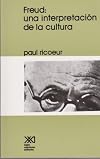
¿Puede escribirse sobre Freud sin ser analista ni analizado? No, si se trata de un ensayo sobre el psicoanálisis como práctica viva; si se trata de un ensayo sobre la obra de Freud en tanto que documento escrito, al que la muerte de su autor puso punto final: una interpretación de conjunto de nuestra cultura que hizo cambiar la comprensión que los hombres tienen de su vida, Precisamente esta interpretación ha caído en el dominio público hasta la vulgarización. De ahí que el show more filósofo tenga la obligación de justificarla, es decir, de determinar su sentido, su legitimidad y sus límites Paul Ricœur demuestra que sólo una reflexión sobre el lenguaje puede proporcionar una estructura aceptable de la exégesis freudiana de nuestros sueños, nuestros mitos y nuestros símbolos. Esta exégesis se articula a su vez con una reflexión sobre el sujeto, de la que proporciona algo así como "la arqueología"; pero en cambio, hace estallar la filosofía del sujeto en sus expresiones ingenuas y prematuras: la lectura de Freud se convierte en el instrumento de una ascesis del "yo", desalojado de las ilusiones de la conciencia inmediata. La cuestión que así se plantea sale al encuentro de la que Ricœur dejó en suspenso al final de su trabajo sobre "la simbólica del mal": ¿qué es pensar según símbolos? Esta obra no se limita, pues, a los debates de un filósofo con Freud sino que abre los horizontes de una nueva investigación show less
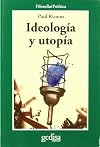
La amplitud de la obra de Paul Ricoeur tal vez no haya sido sobrepasada por la de ningún otro pensador actual. Aunque se lo conoce principalmente por sus escritos sobre simbolismo religioso y psicoanálisis, Ricoeur hizo también significativas contribuciones a las teorías de la historia, a la filosofía analítica del lenguaje, a la ética, a las teorías de la acción, al estructuralismo, a la teoría crítica y a la teoría literaria. Este libro ofrece la única aplicación adecuada de show more la teoría de la interpretación de Ricoeur a los ámbitos social, cultural y político.
Posiblemente Ricoeur sea el primer pensador, desde Mannheim, que intenta discutir los conceptos de ideología y utopía, situándolos dentro de un solo marco conceptual. La ideología fue típicamente un tema tratado por los sociólogos y los teóricos políticos; la utopía lo fue por historiadores y especialistas literarios. Al yuxtaponer los dos conceptos, Ricoeur los define y los demarca mejor en tanto que los diferencia pronunciadamente de anteriores formulaciones conceptuales.
Ricoeur sostiene que mientras la ideología es típicamente la legitimación de "lo que es", la utopía actúa para destruir el orden dado. Dice Ricoeur que la utopía es el poder de la variación imaginativa y observa que, así como la ideología puede caracterizarse en tres planos diferentes, también en tres planos puede caracterizarse la utopía: cuando la ideología es deformación, la utopía es evasión; cuando la ideología es la legitimación de la autoridad presente, la utopía es el desafío de esa autoridad; cuando la ideología es identificación, la utopía es la exploración de lo posible. show less
Posiblemente Ricoeur sea el primer pensador, desde Mannheim, que intenta discutir los conceptos de ideología y utopía, situándolos dentro de un solo marco conceptual. La ideología fue típicamente un tema tratado por los sociólogos y los teóricos políticos; la utopía lo fue por historiadores y especialistas literarios. Al yuxtaponer los dos conceptos, Ricoeur los define y los demarca mejor en tanto que los diferencia pronunciadamente de anteriores formulaciones conceptuales.
Ricoeur sostiene que mientras la ideología es típicamente la legitimación de "lo que es", la utopía actúa para destruir el orden dado. Dice Ricoeur que la utopía es el poder de la variación imaginativa y observa que, así como la ideología puede caracterizarse en tres planos diferentes, también en tres planos puede caracterizarse la utopía: cuando la ideología es deformación, la utopía es evasión; cuando la ideología es la legitimación de la autoridad presente, la utopía es el desafío de esa autoridad; cuando la ideología es identificación, la utopía es la exploración de lo posible. show less

Near the end of his life the philosopher Paul Ricoeur began to meditate on death with a focus on three questions: "1) "imagined figures" (what representation can I give myself?); 2) "mourning and cheerfulness" (what is their root?); and 3) "Am I still a Christian?" (along with In what way am I not a "Christian philosopher"?)." (p viii) The result of thinking about these questions is the slight book, Living Up to Death. The thoughts in this spare book that he left unfinished at the end of his show more life may be summed up by the phrase "Get on with life." That is we must address the choices in our life that one is mortal and that one cannot be loved by everyone. (p ix)
I read this book and discussed it in a course on the "Art and Practice of Dying". I will try to share some of the issues that I found both interesting and important in Ricoeur's book. One surely is his discussion of the "philosophies of finitude". That is our human mortality that we all share -- we all are obliged to die and having to die must consider our own mortality. But can we really do any more than look forward, unable to really see the end? Each day we look forward to the next day, week, month, perhaps year but the end is something that, at best, we can only hope to live up to. Then it happens. Ludwig Wittgenstein said it well in the Tractatus: "Death is not a lived experience,". Ricoeur observes that "so long as they remain lucid ill dying people do not see themselves as dying, as soon to be dead, but as still living," (pp 13-14)
With the emphasis on still living he theorizes that this feeling is connected with something essential that everyone experiences - perhaps in a religious way - but perhaps only when actually facing death.
These thoughts do not sound very cheerful, yet they are discussed in a chapter entitled "Mourning and Cheerfulness". What is cheerful about death? Ricoeur references narratives about death camp experiences ( Jorge Semprun and Primo Levi) observing that the connections between humans and the comfort that comes from the process of mourning. This he calls the "relation of our desire to live" in relation to all others. The discourse presents ideas that, while not necessarily convincing, are thought-provoking. They enable and encourage meditation on issues that might otherwise be hidden away in some corner where we do not go. This does not mean that it is comfortable to think about these ideas, but it can be comforting. I would compare it to what Ricoeur has to say about writing about these issues: "the work of memory is the work of mourning. And both are a word of hope, torn from what is unspoken." (p 39)
It is important to note that, even here with these thoughts, the manuscript left by Ricoeur was not complete and included notes in the margin that the editors of the book refer to.
The book concludes with fragments for a final chapter (chapters?) that were left unformed. Here Ricoeur was attempting to distinguish between his role as philosopher and his life as a Christian. He also comments on his own physical deterioration. His wife had died in 1998 and in 2003 he suffered degeneration of his eyesight and his heart. Yet even during this time he noted "People see me as looking better than I feel". (p 95)
He continued to think about theses issues in his last days and sent the following note to a younger colleague:
"Dear Marie,
At the hour of decline the word resurrection arises. Beyond every miraculous episode . From the depths of life, a power suddenly appears, which says that being is being against death.
Believe this with me.
your friend, Paul R."
This reminds me of a quote from Albert Camus, "In the depth of winter, I finally learned that within me there lay an invincible summer." I have always found this uplifting and there are similar moments in Paul Ricoeur's book. While it is incomplete and only partially fragments of what would have been a larger work it is still a valuable contribution to the literature about the philosophy of death and dying. show less
I read this book and discussed it in a course on the "Art and Practice of Dying". I will try to share some of the issues that I found both interesting and important in Ricoeur's book. One surely is his discussion of the "philosophies of finitude". That is our human mortality that we all share -- we all are obliged to die and having to die must consider our own mortality. But can we really do any more than look forward, unable to really see the end? Each day we look forward to the next day, week, month, perhaps year but the end is something that, at best, we can only hope to live up to. Then it happens. Ludwig Wittgenstein said it well in the Tractatus: "Death is not a lived experience,". Ricoeur observes that "so long as they remain lucid ill dying people do not see themselves as dying, as soon to be dead, but as still living," (pp 13-14)
With the emphasis on still living he theorizes that this feeling is connected with something essential that everyone experiences - perhaps in a religious way - but perhaps only when actually facing death.
These thoughts do not sound very cheerful, yet they are discussed in a chapter entitled "Mourning and Cheerfulness". What is cheerful about death? Ricoeur references narratives about death camp experiences ( Jorge Semprun and Primo Levi) observing that the connections between humans and the comfort that comes from the process of mourning. This he calls the "relation of our desire to live" in relation to all others. The discourse presents ideas that, while not necessarily convincing, are thought-provoking. They enable and encourage meditation on issues that might otherwise be hidden away in some corner where we do not go. This does not mean that it is comfortable to think about these ideas, but it can be comforting. I would compare it to what Ricoeur has to say about writing about these issues: "the work of memory is the work of mourning. And both are a word of hope, torn from what is unspoken." (p 39)
It is important to note that, even here with these thoughts, the manuscript left by Ricoeur was not complete and included notes in the margin that the editors of the book refer to.
The book concludes with fragments for a final chapter (chapters?) that were left unformed. Here Ricoeur was attempting to distinguish between his role as philosopher and his life as a Christian. He also comments on his own physical deterioration. His wife had died in 1998 and in 2003 he suffered degeneration of his eyesight and his heart. Yet even during this time he noted "People see me as looking better than I feel". (p 95)
He continued to think about theses issues in his last days and sent the following note to a younger colleague:
"Dear Marie,
At the hour of decline the word resurrection arises. Beyond every miraculous episode . From the depths of life, a power suddenly appears, which says that being is being against death.
Believe this with me.
your friend, Paul R."
This reminds me of a quote from Albert Camus, "In the depth of winter, I finally learned that within me there lay an invincible summer." I have always found this uplifting and there are similar moments in Paul Ricoeur's book. While it is incomplete and only partially fragments of what would have been a larger work it is still a valuable contribution to the literature about the philosophy of death and dying. show less
Lists
Metaphors, etc. (1)
Awards


You May Also Like


Associated Authors
Statistics
- Works
- 197
- Also by
- 11
- Members
- 6,353
- Popularity
- #3,870
- Rating
- 4.1
- Reviews
- 53
- ISBNs
- 474
- Languages
- 19
- Favorited
- 11


