
Brooke Allen (1) (1956–)
Author of Moral Minority: Our Skeptical Founding Fathers
For other authors named Brooke Allen, see the disambiguation page.
About the Author
Brooke Allen's critical writing appears frequently in the Times Book Review, the Atlantic Monthly, The New Criterion, the Hudson Review, and the New Leader. She lives with her husband and two children in Brooklyn, New York
Image credit: Brooke Allen
Works by Brooke Allen
Associated Works
Counterpoints: 25 Years of The New Criterion on Culture and the Arts (2007) — Contributor — 48 copies
Against the Grain: The New Criterion on Art and Intellect at the End of the Twentieth Century (1995) — Contributor — 36 copies
Tagged
Common Knowledge
- Canonical name
- Allen, Brooke
- Birthdate
- 1956
- Gender
- female
- Education
- The University of Virginia
Université de Paris- Sorbonne
Columbia University (MPhil ∙ PhD. ∙ English Literature) - Organizations
- Bennington College
Northeast Conference on Science & Skepticism (NECSS – pronounced “nexus”) - Relationships
- Aaron, Peter (husband)
Aaron, Eve (daughter)
Aaron, Elizabeth (daughter)
Allen, Jay (mother)
Allen, Lewis (father) - Short biography
- Brooke Allen's critical writing appears frequently in the New York Times Book Review, the Atlantic Monthly, The New Criterion, The Hudson Review, and The Nation. She lives with her husband and two children in Brooklyn, New York. [from Moral Minority (2006)]
- Nationality
- USA
- Places of residence
- Brooklyn, New York, USA
- Associated Place (for map)
- New York, USA
Members
Reviews
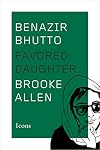
This short book packs a lot into its 151 pages of text, and doesn’t pull any punches in its chronicle of the life and family background of Benazir Bhutto, a fascinating and complex woman. It also tells the turbulent history of Pakistan, from its origins up to almost the present day, which is at least as interesting as Bhutto’s personal story.
Exceptionally charismatic, Bhutto has a mixed legacy continues to inspire some, including Malala, the Pakistani Nobel Peace Prize winning teenager show more who’s an activist for female education, but Bhutto was not free from the taint of corruption and wasn’t completely what I naively expected. Her family is still active in Pakistani politics, making this book especially relevant.
The author, Brooke Allen, was able to obtain personal insights from people who had been close to Bhutto, but she also uses what she terms the “foundational research” of other writers and the book is heavily footnoted citing her sources. Eye-opening and highly readable.
I read an advanced review copy of this book supplied by the publisher. Review opinions are mine. show less
Exceptionally charismatic, Bhutto has a mixed legacy continues to inspire some, including Malala, the Pakistani Nobel Peace Prize winning teenager show more who’s an activist for female education, but Bhutto was not free from the taint of corruption and wasn’t completely what I naively expected. Her family is still active in Pakistani politics, making this book especially relevant.
The author, Brooke Allen, was able to obtain personal insights from people who had been close to Bhutto, but she also uses what she terms the “foundational research” of other writers and the book is heavily footnoted citing her sources. Eye-opening and highly readable.
I read an advanced review copy of this book supplied by the publisher. Review opinions are mine. show less
3.5 stars
Benazir Bhutto was the first female prime minister of Pakistan in 1988 (she was also the youngest at 34-years old). Her father had been prime minister earlier on before the country was taken over by the head of the military. Her father was a socialist and believed in democracy. He made sure his children were well-educated in the US and England. Benazir was attractive and charismatic. When she was elected, she promised health care, education, and more housing.
But underneath it all, show more Benazir herself wasn’t really democratic nor socialist, despite her adoration of her father and being groomed by him to become a politician. With her feudal family background, she felt she had a God-given right to rule as she wished. She and another party leader switched leading Pakistan throughout the 1990s, but Benazir and her husband were actually quite corrupt and stole/skimmed a lot of money from Pakistan. She was later arrested and forced into exile. But she came back to devastating results (for herself): she was assassinated in 2007.
I’ve left out quite a bit and there is a lot of detail in this short book (it’s under 200 pages). The history of Pakistan is not something I know much about, so I feel like I learned a lot, but there was also so much information that it was also hard to take it all in. It is a good book; I do feel if I’d already known more about Pakistan, I might have been able to absorb even more. show less
Benazir Bhutto was the first female prime minister of Pakistan in 1988 (she was also the youngest at 34-years old). Her father had been prime minister earlier on before the country was taken over by the head of the military. Her father was a socialist and believed in democracy. He made sure his children were well-educated in the US and England. Benazir was attractive and charismatic. When she was elected, she promised health care, education, and more housing.
But underneath it all, show more Benazir herself wasn’t really democratic nor socialist, despite her adoration of her father and being groomed by him to become a politician. With her feudal family background, she felt she had a God-given right to rule as she wished. She and another party leader switched leading Pakistan throughout the 1990s, but Benazir and her husband were actually quite corrupt and stole/skimmed a lot of money from Pakistan. She was later arrested and forced into exile. But she came back to devastating results (for herself): she was assassinated in 2007.
I’ve left out quite a bit and there is a lot of detail in this short book (it’s under 200 pages). The history of Pakistan is not something I know much about, so I feel like I learned a lot, but there was also so much information that it was also hard to take it all in. It is a good book; I do feel if I’d already known more about Pakistan, I might have been able to absorb even more. show less
(posted on my blog: davenichols.net)
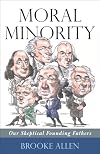
Brooke Allen presents a quick history of six of the primary Founding Fathers of the USA and their views towards religion and government. Allen lets each featured statesman speak largely for himself, with excellect excerpts taken in context, conveying the undoubtable position that Franklin, Washington, Adams, Jefferson, Madison, and Hamilton were absolutely determined to create a nation which maintained walls between church and state.
Each of the first six show more chapters features a different statesmen. Throughout, Allen largely excerpts topical writings from letters, speeches, and other documents which offer keen insight into the thoughts and opinions of each man. Allen points out that many modern Christians try to argue that these men were likewise Christian, founding the nation on primarily Christian beliefs and values. By reading the thoughts of these men, that argument could not be any more wrong.
Although none of these men were atheist or agnostic (in modern terms, though Franklin may have been despite a few of his public statements), most were Deists who specifically denied the very Christian beliefs of the divinity of Jesus, revelation, atonement, and the historical value of the Bible. Each man argued prodigiously against mingling church and state.
Latter parts of the book give the reader a nice history of Enlightenment thought which greatly influenced these men. The ideals of natural law and personal freedoms come not from Biblical interpretations and implementations, but instead from enlighted thinkers such as Locke, Paine, Voltaire, and Smith. Allen's history is brief but covers the subject very nicely. Jefferson himself shows that he understood the concepts of natural law to come early Saxons prior to their exposure to Christianity, contrary to the breathless claims made by modern evangelicals and apologists.
Moral Minority is a great book to offer any reader willing to consider the words of the Founders themselves rather than simply accept the modern-day evangelical propaganda regarding our 'Christian' heritage. While there is no doubt that Christianity played a large role in the development of our nation, as did many practicing, devout Christians, the most commonly cited statesment responsible for leading the Revolution and early US govenrment were, without a doubt, against any co-mingling of church and state. It could not be more clear, and it makes the secular-religious struggle over church and state issues today blatantly one of revisionist history by those on the religious side, a deceptive tactic that launched during the lifetimes of these statesmen.
One of the interesting side effects noted by Allen is that the drive for a truly secular government rather than a tolerant one (the tolerant government has an official state religion but offers 'toleration' to other religions) was the development of a more religious population. Had a specific Christian denomination been given sanction, argues Allen, it is very likely that the resulting population would have been less able to develop the wide variety of denominations we now find. By refusing to allow a single sanction, the founders in effect allowed a great diversity of religious varieties to thrive. Though not quite the effect these men were after, all would clearly favor their decision even to this day.
Reading this book should make one angry over the blatant lies and revisionist history taking place by Christians in this nation. Madison, Adams, and Jefferson are doing flips in their respective graves. Take this opportunity to join the Freedom From Religion Foundation, which is leading the fight to keep religion out of state affairs. I highly recommend this book to anyone wanting a quick history of the opinions of our most important founding statesment concerning religion and church/state matters. Four and one-half stars. show less
Brooke Allen presents a quick history of six of the primary Founding Fathers of the USA and their views towards religion and government. Allen lets each featured statesman speak largely for himself, with excellect excerpts taken in context, conveying the undoubtable position that Franklin, Washington, Adams, Jefferson, Madison, and Hamilton were absolutely determined to create a nation which maintained walls between church and state.
Each of the first six show more chapters features a different statesmen. Throughout, Allen largely excerpts topical writings from letters, speeches, and other documents which offer keen insight into the thoughts and opinions of each man. Allen points out that many modern Christians try to argue that these men were likewise Christian, founding the nation on primarily Christian beliefs and values. By reading the thoughts of these men, that argument could not be any more wrong.
Although none of these men were atheist or agnostic (in modern terms, though Franklin may have been despite a few of his public statements), most were Deists who specifically denied the very Christian beliefs of the divinity of Jesus, revelation, atonement, and the historical value of the Bible. Each man argued prodigiously against mingling church and state.
Latter parts of the book give the reader a nice history of Enlightenment thought which greatly influenced these men. The ideals of natural law and personal freedoms come not from Biblical interpretations and implementations, but instead from enlighted thinkers such as Locke, Paine, Voltaire, and Smith. Allen's history is brief but covers the subject very nicely. Jefferson himself shows that he understood the concepts of natural law to come early Saxons prior to their exposure to Christianity, contrary to the breathless claims made by modern evangelicals and apologists.
Moral Minority is a great book to offer any reader willing to consider the words of the Founders themselves rather than simply accept the modern-day evangelical propaganda regarding our 'Christian' heritage. While there is no doubt that Christianity played a large role in the development of our nation, as did many practicing, devout Christians, the most commonly cited statesment responsible for leading the Revolution and early US govenrment were, without a doubt, against any co-mingling of church and state. It could not be more clear, and it makes the secular-religious struggle over church and state issues today blatantly one of revisionist history by those on the religious side, a deceptive tactic that launched during the lifetimes of these statesmen.
One of the interesting side effects noted by Allen is that the drive for a truly secular government rather than a tolerant one (the tolerant government has an official state religion but offers 'toleration' to other religions) was the development of a more religious population. Had a specific Christian denomination been given sanction, argues Allen, it is very likely that the resulting population would have been less able to develop the wide variety of denominations we now find. By refusing to allow a single sanction, the founders in effect allowed a great diversity of religious varieties to thrive. Though not quite the effect these men were after, all would clearly favor their decision even to this day.
Reading this book should make one angry over the blatant lies and revisionist history taking place by Christians in this nation. Madison, Adams, and Jefferson are doing flips in their respective graves. Take this opportunity to join the Freedom From Religion Foundation, which is leading the fight to keep religion out of state affairs. I highly recommend this book to anyone wanting a quick history of the opinions of our most important founding statesment concerning religion and church/state matters. Four and one-half stars. show less
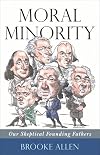
Wonderful single source debunking of the myth of the US government being founded on Christian principles. Nothing could be further from the truth as Ms. Allen illustrates. Her case is laid out by citing the writings and biographies of the six most visible of the Founders: Franklin, Washington, Adams, Jefferson, Madison and Hamilton. Should be required reading for Beck, O'Reilly, the Tea Party Darlings and anyone else spouting that nonsense.
Lists
Best Biographies (1)
Awards

You May Also Like


Associated Authors
Statistics
- Works
- 12
- Also by
- 3
- Members
- 296
- Popularity
- #79,167
- Rating
- 4.0
- Reviews
- 11
- ISBNs
- 21
- Languages
- 1