
Biyi Bandele (1967–2022)
Author of Burma Boy
About the Author
Works by Biyi Bandele
Associated Works
Tagged
Common Knowledge
- Other names
- Bandele-Thomas, Biyi
- Birthdate
- 1967-10-13
- Date of death
- 2022-08-07
- Gender
- male
- Education
- Obafemi Awolowo University
- Occupations
- novelist
playwright
filmmaker - Cause of death
- suicide
- Nationality
- Nigeria
- Birthplace
- Kafanchan, Nigeria
- Places of residence
- England, UK
- Place of death
- Lagos, Nigeria
- Associated Place (for map)
- Nigeria
Members
Reviews

The way Bandele writes had me spell bound from the first page. I'm a sucker for details and nice descriptions and it was just great. It was also interesting to read about war through the eyes of a naive but courageous fourteen year old boy. It just confirmed that war is a terrible thing but I also enjoyed the small glimpses of brotherhood throughout the story. No matter how many times they bickered, there was a genuine affection between them all - even if it was merely because they were all show more stuck in the same Hell.
It was however slightly hard to tell the other characters apart at times as whilst they had their own personalities, they were all described rather briefly and only a few really stood out. show less
It was however slightly hard to tell the other characters apart at times as whilst they had their own personalities, they were all described rather briefly and only a few really stood out. show less
This is actually the story of Samuel Crowther, a Nigerian man captured into slavery but after release becomes the first Black African Bishop of the Anglican Church. The first part of the book has almost nothing to do with Ajayi (his African name). Rather it is a farcical look at the tribe's king who is constantly drunk and the sycophant "advisor" to him. This part has so many African terms it is difficult to read. (I probably wouldn't have kept with it if this was the entire book). Ajayi is show more almost a minor character in this part. The next chapter (almost a third of the way into the book), begins the story of Ajayi.
Captured at about the age of 12, Ayayi serves several masters and is resold several times. By 1822, however, the slave trade was illegal in Britain and a British ship overtook the Spanish ship that he was on. He and the rest of the captives were taken to Sierra Leone to the Church Missionary Society where he learned to read and easily picked up the English language. He is baptized as Samuel Crowther.
His preaching and teaching becomes so popular and effective that he is sent to England where he actually meets Queen Victoria and eventually becomes the first Black African Bishop. He marries as has children.
He returns to Lagos and is well respected still traveling to various tribes preaching. Eventually, his son also becomes a minister. Crowther is significant in the signing over of Nigeria to the British; he does this in order to stop the slave trade. Colonialism soon becomes very apparent and he is eventually replaced as Bishop by a white man.
The first was so difficult to read although funny in places it didn't seem to match the telling of Crowther who was obviously a very intelligent and caring man. Good to read about him. show less
Captured at about the age of 12, Ayayi serves several masters and is resold several times. By 1822, however, the slave trade was illegal in Britain and a British ship overtook the Spanish ship that he was on. He and the rest of the captives were taken to Sierra Leone to the Church Missionary Society where he learned to read and easily picked up the English language. He is baptized as Samuel Crowther.
His preaching and teaching becomes so popular and effective that he is sent to England where he actually meets Queen Victoria and eventually becomes the first Black African Bishop. He marries as has children.
He returns to Lagos and is well respected still traveling to various tribes preaching. Eventually, his son also becomes a minister. Crowther is significant in the signing over of Nigeria to the British; he does this in order to stop the slave trade. Colonialism soon becomes very apparent and he is eventually replaced as Bishop by a white man.
The first was so difficult to read although funny in places it didn't seem to match the telling of Crowther who was obviously a very intelligent and caring man. Good to read about him. show less
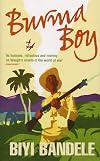
Deep in the jungles of Burma, during World War II a select group of soldiers called Chindits, plied their method of warfare against the invader. Several of these troops were made up of African soldiers, mostly from the country of Nigeria. Their average age was somewhere between sixteen and nineteen, although some were a lot younger. In fact, the main character of Burma Boy was barely fourteen, a fully fledged member of the Thunder Brigade whose basic orders were to exist behind enemy lines show more and create havoc.
Author Biyi Bandele based his book partly on the stories passed onto him by his father who served in Burma during WW II. Patrolling jungle trails, setting ambushes, and living in defended strongholds, these Chindits fought the Japanese in hand-to-hand combat, killing and being killed. It was a very personal war for them and they relished their chance to fight for King Joji {King George).
I believe the author caught the elements of warfare accurately. The story veers between the downtimes when the soldiers joke, laugh and sometimes argue with each other while they catch up on sleep and eating. Then the action begins and the characters are tossed into tense, terror filled situations against a ruthless enemy who never surrenders. Added to this is the setting of hot, humid Burma where it’s torrential rains and/or burning sun creates additional stress and exhaustion. A fascinating look at a small corner of World War II that I had previously known nothing about. And although at times I found the author’s style a little aimless, overall he managed the contrast between the light-hearted banter of boys to the grim life and death situations they had to face admirably. I did, however, have a slight problem with the abrupt ending, feeling that so much more could have been told of this soldier’s story. show less
Author Biyi Bandele based his book partly on the stories passed onto him by his father who served in Burma during WW II. Patrolling jungle trails, setting ambushes, and living in defended strongholds, these Chindits fought the Japanese in hand-to-hand combat, killing and being killed. It was a very personal war for them and they relished their chance to fight for King Joji {King George).
I believe the author caught the elements of warfare accurately. The story veers between the downtimes when the soldiers joke, laugh and sometimes argue with each other while they catch up on sleep and eating. Then the action begins and the characters are tossed into tense, terror filled situations against a ruthless enemy who never surrenders. Added to this is the setting of hot, humid Burma where it’s torrential rains and/or burning sun creates additional stress and exhaustion. A fascinating look at a small corner of World War II that I had previously known nothing about. And although at times I found the author’s style a little aimless, overall he managed the contrast between the light-hearted banter of boys to the grim life and death situations they had to face admirably. I did, however, have a slight problem with the abrupt ending, feeling that so much more could have been told of this soldier’s story. show less

Biyi Bandele (1967-) is an award-winning playwright who was born in Nigeria and currently lives in London. He has also written four novels, including The King's Rifle, which was originally published as Burma Boy in 2007 in the UK.
The King's Rifle is a historical novel about black African soldiers who served in World War II in the Burma Campaign against the Japanese. The characters are based on actual participants in the war, based on Bandele's research and on the stories told by his father, show more who served in the Burma Campaign.
The main character is a 13 year old Nigerian boy, Ali Banana, who lies about his age and manages to get enlisted for battle with his older friends. He contracts chicken pox, and instead of going off with his friends, he is sent to fight with the Chindits, a legendary British Special Forces unit founded by General Charles Wingate, who makes a striking appearance early in the book. His unit, made up of Nigerians commanded by Sergeant Damisa, a father like figure to his young charges, is sent to Burma to fight alongside British Army and British Indian Army forces. The units meet at White City, a stronghold that the Japanese attempt to reacquire. The young men must grow up quickly, as their training has been meager and they don't receive much support or respect from their British and Indian colleagues. The fortress is relentlessly attacked by swarms of Japanese forces, and the Chindits are provided with very little outside support, which begins to take its toll on them.
This is an enjoyable story of an unfamiliar piece of military history, with engaging characters and rapid fire action. show less
The King's Rifle is a historical novel about black African soldiers who served in World War II in the Burma Campaign against the Japanese. The characters are based on actual participants in the war, based on Bandele's research and on the stories told by his father, show more who served in the Burma Campaign.
The main character is a 13 year old Nigerian boy, Ali Banana, who lies about his age and manages to get enlisted for battle with his older friends. He contracts chicken pox, and instead of going off with his friends, he is sent to fight with the Chindits, a legendary British Special Forces unit founded by General Charles Wingate, who makes a striking appearance early in the book. His unit, made up of Nigerians commanded by Sergeant Damisa, a father like figure to his young charges, is sent to Burma to fight alongside British Army and British Indian Army forces. The units meet at White City, a stronghold that the Japanese attempt to reacquire. The young men must grow up quickly, as their training has been meager and they don't receive much support or respect from their British and Indian colleagues. The fortress is relentlessly attacked by swarms of Japanese forces, and the Chindits are provided with very little outside support, which begins to take its toll on them.
This is an enjoyable story of an unfamiliar piece of military history, with engaging characters and rapid fire action. show less
Lists
THE WAR ROOM (1)
Awards


You May Also Like


Statistics
- Works
- 12
- Also by
- 1
- Members
- 205
- Popularity
- #107,801
- Rating
- 3.8
- Reviews
- 7
- ISBNs
- 34
- Languages
- 5