
Rick Rubin
Author of The Creative Act: A Way of Being
Works by Rick Rubin
kreativ. Die Kunst zu sein: Das Kreativ-Geheimnis des Star-Produzenten hinter Johnny Cash, Adele, Run-DMC, Jay-Z und U2. Der NY-Times-Bestseller (2023) 15 copies
Everyday American history of the 20th century: From reconstruction to the present day (1998) 11 copies
Tougher Than Leather 1 copy
Luovuus ja olemisen taito 1 copy
Associated Works
Atomic Werewolves and Man-Eating Plants: When Men's Adventure Magazines Got Weird (Men's Adventure Library) (2023) — Contributor — 7 copies
Rolling Stone Australia #647 — some editions — 1 copy
Tagged
Common Knowledge
- Birthdate
- 1963-03-10
- Gender
- male
- Nationality
- USA
- Birthplace
- Long Beach, New York, USA
- Associated Place (for map)
- New York, USA
Members
Reviews
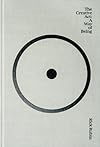
Most books on creativity try to teach you how to produce.
Rick Rubin’s The Creative Act does something far more interesting—it reframes creativity as a way of existing.
Rubin, known for shaping the sound of artists across genres, doesn’t write like a producer here. He writes like a quiet observer of the human condition. The book reads less like instruction and more like a series of meditations—short, distilled reflections on awareness, attention, and the unseen forces behind making show more anything meaningful.
One of the central ideas is disarmingly simple: creativity isn’t reserved for artists. It’s available to anyone willing to pay attention. The work, then, is not forcing output—but refining perception.
What stood out most is Rubin’s emphasis on receptivity over control. In a culture obsessed with optimization and productivity, he suggests that the best ideas arrive when we create the conditions to notice them. Not when we chase them.
This isn’t a tactical playbook. You won’t find step-by-step frameworks or productivity hacks. Instead, you’ll find reminders:
• To slow down
• To notice more
• To trust your taste
• To make things because you must, not because you should
At times, the book borders on the abstract. Readers looking for concrete systems may find it elusive. But that’s also its strength—it resists commodifying creativity.
The Creative Act is less about doing creative work, and more about becoming the kind of person through whom creative work can pass.
A book to return to—not for answers, but for alignment. show less
Rick Rubin’s The Creative Act does something far more interesting—it reframes creativity as a way of existing.
Rubin, known for shaping the sound of artists across genres, doesn’t write like a producer here. He writes like a quiet observer of the human condition. The book reads less like instruction and more like a series of meditations—short, distilled reflections on awareness, attention, and the unseen forces behind making show more anything meaningful.
One of the central ideas is disarmingly simple: creativity isn’t reserved for artists. It’s available to anyone willing to pay attention. The work, then, is not forcing output—but refining perception.
What stood out most is Rubin’s emphasis on receptivity over control. In a culture obsessed with optimization and productivity, he suggests that the best ideas arrive when we create the conditions to notice them. Not when we chase them.
This isn’t a tactical playbook. You won’t find step-by-step frameworks or productivity hacks. Instead, you’ll find reminders:
• To slow down
• To notice more
• To trust your taste
• To make things because you must, not because you should
At times, the book borders on the abstract. Readers looking for concrete systems may find it elusive. But that’s also its strength—it resists commodifying creativity.
The Creative Act is less about doing creative work, and more about becoming the kind of person through whom creative work can pass.
A book to return to—not for answers, but for alignment. show less
Wow.
I know a lot of reviewers are slagging the hell out of this book, but here's what I'll say...
This book, while thick, has very brief slices of all aspects of the creative process and, to me, no one has ever better captured precisely how I work when I create. Honestly, at times it felt as though Rubin was in my head and had observed the stages and aspects of my creative process, then translated it into this book.
As well, I can say that I had a fairly severe crisis of creativity, literally show more questioning whether I should keep going, about a month ago.
And this book, Rubin's observations and illustrations and explanations? Yeah, it went a long way in bringing me back to faith in myself and how I do things.
Does he hit a couple of sour notes along the way? Yes. But is that also part of the creative process too. I choose to ignore those, and focus on the other 99% of this book, because what he offers is wonderful. show less
I know a lot of reviewers are slagging the hell out of this book, but here's what I'll say...
This book, while thick, has very brief slices of all aspects of the creative process and, to me, no one has ever better captured precisely how I work when I create. Honestly, at times it felt as though Rubin was in my head and had observed the stages and aspects of my creative process, then translated it into this book.
As well, I can say that I had a fairly severe crisis of creativity, literally show more questioning whether I should keep going, about a month ago.
And this book, Rubin's observations and illustrations and explanations? Yeah, it went a long way in bringing me back to faith in myself and how I do things.
Does he hit a couple of sour notes along the way? Yes. But is that also part of the creative process too. I choose to ignore those, and focus on the other 99% of this book, because what he offers is wonderful. show less

Got to the anecdote about his appendix, and I'm done with this fool.
I was already kinda irked, and trying to overcome that -- his use of Source is just seemingly relabeling the Tao. Like okay... You're allowed to reframe when trying to get an idea across to people who might be put off or unfamiliar, buuuuut this is a seemingly woo philosophical term, and now that bit of paraphrase coupled with the spiritual mummery is increasingly reading like a bit of erasure or anti-Asian bias. Maybe he show more references something other than his own ass as precedent, but so far, he seems firmly up there.
And then home slice claims he was walking around in a bookstore with a burst appendix and just no-sold the concept of surgical intervention as optional because --seeking inspiration-- he opened a random book & read a doctor saying 'no u'
Nope!
To sum up: the vibes are rancid.
Whatever creativity he brings out in others, his advice is tainted by straight up quackery and some insidious-feeling interpretation of established philosophies based in a narrow, subjective understanding (rather than expansive.) Read this with salt at the ready, or better yet, instead seek primary sources and books of creative exercises. show less
I was already kinda irked, and trying to overcome that -- his use of Source is just seemingly relabeling the Tao. Like okay... You're allowed to reframe when trying to get an idea across to people who might be put off or unfamiliar, buuuuut this is a seemingly woo philosophical term, and now that bit of paraphrase coupled with the spiritual mummery is increasingly reading like a bit of erasure or anti-Asian bias. Maybe he show more references something other than his own ass as precedent, but so far, he seems firmly up there.
And then home slice claims he was walking around in a bookstore with a burst appendix and just no-sold the concept of surgical intervention as optional because --seeking inspiration-- he opened a random book & read a doctor saying 'no u'
Nope!
To sum up: the vibes are rancid.
Whatever creativity he brings out in others, his advice is tainted by straight up quackery and some insidious-feeling interpretation of established philosophies based in a narrow, subjective understanding (rather than expansive.) Read this with salt at the ready, or better yet, instead seek primary sources and books of creative exercises. show less
I didn't review this on my first read, but I remember enjoying this book - hence the five star review. Upon a re-read, I was initially a bit less enthusiastic as many of Rubin's hippyish aphorisms seemed a little trite and superficial. Eventually it dawned on me that the reality was that I had internalised many of his points after the initial reading and applied them to my own creative endeavours.
Definitely a five starts, probably next re-read should be the hardcopy to allow me to make notes.
Definitely a five starts, probably next re-read should be the hardcopy to allow me to make notes.
Lists
Awards


You May Also Like


Associated Authors
Statistics
- Works
- 9
- Also by
- 8
- Members
- 1,884
- Popularity
- #13,655
- Rating
- 3.8
- Reviews
- 22
- ISBNs
- 31
- Languages
- 11