
Judith Dupre
Author of Skyscrapers
About the Author
Image credit: Jennifer P. Sheridan/Yale Divinity School
Works by Judith Dupre
Associated Works
Black Dog Opera Library : Mozart : Magic flute [book + sound recording] (1996) — Series Editor — 49 copies, 1 review
Tagged
Common Knowledge
- Birthdate
- 1956
- Gender
- female
- Education
- Brown University
Hunter College - Awards and honors
- Westchester Arts Council Artists Award (2004)
Washington Irving Book Award (2003)
MacDowell Colony Fellowship (2003) - Nationality
- USA
- Associated Place (for map)
- USA
Members
Reviews
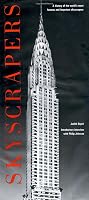
How difficult it is to experience this book now, that was meant as a tower of hope, a monument to the urban sophistication of the twentieth century. It's an appropriately tall book, over eighteen inches.and slim, about eight inches. It's black-and-white photographs (a full-page one for each skyscraper), its use of bold blacks, trim silvery print, and half-tones are a visual tribute to the steel height and efficiency of the buildings. Like an elevator, one's eye automatically rises from the show more first floors of the majestic photographs and then descend slowly down the print (and small illustrations) on the opposite page. The book is - or was intended to be - awesome. One subtle touch of the modernism it embodies is captured in the amusingly ironice names of the publisher and designer: Black Dog & Leventhal and Alleycat, respectively.
From the soaring Chrysler Building on the cover, the foggy skyline on the front endpaper, the half-tone of an upward gaze at the Flatiron building behind the table of contents, through a procession of fifty of the world's best-known skyscrapers to the tall silver and black of the back cover, one is almost overwhelmed by the massiveness and magnificent of these achievements in architecture. A page of historical notes and data for each entry provides the information one needs to trace the history of the art form. On the bottom right corner of each entry, small silhouettes compare the height of the building under consideration with that of the Sears Tower, the Empire State Building, and the Eiffel Tower. The chronology is divided into five sections: Ancient Roots (beginning with the Washington Monument), The Growth of New York City, Materials and Technology, Towers, and Visionary Cities. One cannot help leafing through the whole books, spotting all fifty in order before one returns to the text and the details.
But then here it is - right after the John Hancock Center in Chicago and the Trans-america Pyramid in San Francisco , just before the Sears Tower in Chicago and the John Hancock Tower in Boston, in the middle of the section modestly call Materials and Technology, there it stands again. Frankly, in this context, it looks rather plain, squarish in the cluttered landscape at its foot, not gleaming like John Hancock, not ornate like the Transamerica. The twin towers of the World Trade Center simply seem efficient, practical, quite safe. Looking at this page now, more than a decade after 9/11, one can only grieve.
And suddenly the whole book appears in a new perspective. Maybe a nostalgic look back on the show less
From the soaring Chrysler Building on the cover, the foggy skyline on the front endpaper, the half-tone of an upward gaze at the Flatiron building behind the table of contents, through a procession of fifty of the world's best-known skyscrapers to the tall silver and black of the back cover, one is almost overwhelmed by the massiveness and magnificent of these achievements in architecture. A page of historical notes and data for each entry provides the information one needs to trace the history of the art form. On the bottom right corner of each entry, small silhouettes compare the height of the building under consideration with that of the Sears Tower, the Empire State Building, and the Eiffel Tower. The chronology is divided into five sections: Ancient Roots (beginning with the Washington Monument), The Growth of New York City, Materials and Technology, Towers, and Visionary Cities. One cannot help leafing through the whole books, spotting all fifty in order before one returns to the text and the details.
But then here it is - right after the John Hancock Center in Chicago and the Trans-america Pyramid in San Francisco , just before the Sears Tower in Chicago and the John Hancock Tower in Boston, in the middle of the section modestly call Materials and Technology, there it stands again. Frankly, in this context, it looks rather plain, squarish in the cluttered landscape at its foot, not gleaming like John Hancock, not ornate like the Transamerica. The twin towers of the World Trade Center simply seem efficient, practical, quite safe. Looking at this page now, more than a decade after 9/11, one can only grieve.
And suddenly the whole book appears in a new perspective. Maybe a nostalgic look back on the show less
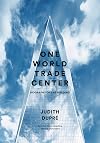
This is a remarkable paean to the building of the One World Trade Center. This book celebrates in pictures aand prose the considerable effort to make this building come about. Although it evades any look at the status or role of nearby buildings like the Deutsche Bank or St. Paul' Chapel, it is well worth reading.

A gorgeous book, with beautiful illustrations. The devotion to Mary deserves a wide sweep of a book, even though there is a Roman Catholic bent. The collection of art pictured in these pages is tremendous.
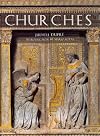
beautiful book. Great gift. Like all of Dupre's books the format is outstanding showing much imagination and thought about how to best present the material it covers. This one opens like a church door revealing, like all of her books, wonderful pictures of all the buildings presented. She does not confine her efforts to the western world and temples and mosques are also presented as places of worship.
Lists
Awards


You May Also Like


Associated Authors
Statistics
- Works
- 19
- Also by
- 4
- Members
- 1,356
- Popularity
- #18,965
- Rating
- 3.8
- Reviews
- 23
- ISBNs
- 58
- Languages
- 6