
Evelio Rosero
Author of The Armies
About the Author
Works by Evelio Rosero
Teresita cantaba / Teresita Used To Sing (Spanish Edition) (Torre De Papel Naranja) (Torre Naranja) (2002) 8 copies
Armatele 1 copy
LOS ALMUERZOS 1 copy
Associated Works
A Thousand Forests in One Acorn: An Anthology of Spanish-Language Fiction (2014) — Contributor — 51 copies
Tagged
Common Knowledge
- Canonical name
- Rosero, Evelio
- Legal name
- Rosero Diago, Evelio
- Birthdate
- 1958-03-20
- Gender
- male
- Education
- Universidad Externado de Colombia (Journalism)
- Occupations
- writer
journalist - Awards and honors
- Premio Nacional de Cuento (1979)
Premio Iberoamericano de Libro de Cuentos Netzahualcóyotl (1982)
Premio Nacional de Literatura (2006) - Nationality
- Colombia
- Birthplace
- Bogotá, Colombia
- Places of residence
- Bogota, Colombia (birth)
Pasto, Colombia
Bogota, Colombia - Associated Place (for map)
- Bogota, Colombia
Members
Reviews
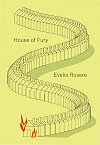
Evelio Rosero's House of Fury (Casa de furia, translated from the Spanish by Victor Meadowcraft) opens on a scene of great domestic harmony and peace. Nacho Caicedo, a magistrate in Bogotá, Colombia, is celebrating his anniversary with his wife, Alma Santacruz. If Nacho is a bit philosophical, a bit of a dreamer, then Alma is eminently practical, ruling over her household firmly. The kitchen is a hive of activity, with platters on platters of food being prepared for hundreds of guests. show more Upstairs, their six daughters - the youngest, seventeen, and the oldest, twenty-seven, are getting ready for the big party. But this picture lasts moments: Uriela, the youngest daughter, sees from her balcony her uncle, Alma's brother, the family's black sheep, arrive despite having been essentially banned from the house. Not long after, one of her sisters, Italia, discovers she is pregnant, but doesn't want to marry her lover or have the baby - shocking in their conservative, upper class society. Francia, the oldest, about to elope, finds out her boyfriend is engaged to someone else through a newspaper announcement. Their cousins, two inept, violent young men, arrive early and upset the household, and are despatched to relocate the unwanted uncle - through a series of understandings, managing to accidentally schedule his execution instead. As the book goes on, events spiral into full-blown disasters. At the party, Alma, furious, rebukes priests in attendance as worthless and corrupt, recognising one of them as an abuser of young children (even as he is introduced as a friend of Nacho's) - to the shock of all those in attendance. A drug-dealing cousin attempts to assault a maid, and is prevented by his alcoholic wife, who pays off the maid to forget the incident, as she has paid off so many others. At the end of the novel, a man, infuriated by Nacho's refusal to take a bribe and let him go in a criminal case, arrives armed, to exact a brutal, and bloody revenge. A grotesque, brutal, bloodbath follows.
Rosero's book is entirely too brutal to be classed as dark comedy - after the first few pages, the comedy retreats increasingly into tragedy. It's a bit like watching a traffic accident - you don't want to see it but you can't look away, and eventually you're reading while peering between your fingers to dull the blow. Rosero, of course, is excoriating the state of Colombia, and the manner in which its violence and corruption visits on everyone - the rich in their dresses, the poor in the kitchens, the men and woman, the criminal and the honest man. But Rosero isn't blind to the patterns of privilege that render this sort of corruption and violence more potent towards the women, the poor. Towards the end, Nacho, kidnapped by his enemies and tortured, reflects that "...the whole country is a cemetery..." a fate that certainly besets his whole house, and everyone in it who has profited from their connection to the magistrate, for better or worse. It was hard to read, but I couldn't stop myself from reading. show less
Rosero's book is entirely too brutal to be classed as dark comedy - after the first few pages, the comedy retreats increasingly into tragedy. It's a bit like watching a traffic accident - you don't want to see it but you can't look away, and eventually you're reading while peering between your fingers to dull the blow. Rosero, of course, is excoriating the state of Colombia, and the manner in which its violence and corruption visits on everyone - the rich in their dresses, the poor in the kitchens, the men and woman, the criminal and the honest man. But Rosero isn't blind to the patterns of privilege that render this sort of corruption and violence more potent towards the women, the poor. Towards the end, Nacho, kidnapped by his enemies and tortured, reflects that "...the whole country is a cemetery..." a fate that certainly besets his whole house, and everyone in it who has profited from their connection to the magistrate, for better or worse. It was hard to read, but I couldn't stop myself from reading. show less

GOOD OFFICES, by Evelio Rosero, was an "in between books" read for me, a little book I picked up at a library sale a few years ago. Translated from the Spanish, the story is set in modern day Bogota, where poverty is rampant and corruption is king. Th protagonist is Tancredo, a young (twenty-ish) hunchback who was raised and educated by Father Almido, the parish priest, who, along with his sacristan, is deeply involved with a very shady type crime boss who supplies them with boxes and boxes show more of cash. Tancredo is worked hard by his benefactor, tasked with setting up daily meals in the church hall for orphans, prostitutes, the elderly and destitute, and cleaning up after. He is also in a secret relationship with Sabina, the goddaughter of the sacristan. There are also three old women, "the three Lilias," survivors of a long ago village massacre taken in by Father Almido. They are the cooks, and are also worked mercilessly. All of these people live in rooms on the church grounds. The story takes place inside the church compound in the course of just one day, when the pastor and his sacristan are called away to a meeting with their shady benefactor, and an old, charismatic, alcoholic priest, Father San Jose Matamoros, comes to fill in. Possessed of a beautiful singing voice, which he uses for the mass and also employs later, he completely wins over the three Lilias, as well as the other parishioners. His presence, however, causes all the careful, often corrupt and scandalous constructions within the little parish family to unravel and come apart. You might even say, all hell breaks loose. I was completely caught up in this story. This might be my first Colombian novel, or novella actually, as it is less than 120 pages and can easily be read in just a few hours. Rosero is an excellent writer. Very highly recommended.
- Tim Bazzett, author of the memoir, BOOKLOVER show less
- Tim Bazzett, author of the memoir, BOOKLOVER show less

Una fábula que se adelantó en el tiempo al menos veinte años: un mundo de gente enfrentada entre sí en un lugar cerrado donde no existe sino una idea del mundo.
Dos universos se oponen en esta nouvelle, una de las precursoras del mejor registro del gran escritor colombiano Evelio Rosero. Dominantes y dominados se enfrentan. Unos van vestidos, los otros desnudos. Una voz, la del protagonista, decide luchar desde el encierro. La literatura para Rosero es una especie de oráculo en el que show more se adelanta el futuro. Esta pequeña fábula publicada en 1986, cuenta la historia de una serie de personajes encerrados en una casa, como una pequeña muestra de la sociedad, en donde todos están dispuestos a arrasar con los diferentes, aquellos que deciden mantenerse al margen del deber ser. show less
Dos universos se oponen en esta nouvelle, una de las precursoras del mejor registro del gran escritor colombiano Evelio Rosero. Dominantes y dominados se enfrentan. Unos van vestidos, los otros desnudos. Una voz, la del protagonista, decide luchar desde el encierro. La literatura para Rosero es una especie de oráculo en el que show more se adelanta el futuro. Esta pequeña fábula publicada en 1986, cuenta la historia de una serie de personajes encerrados en una casa, como una pequeña muestra de la sociedad, en donde todos están dispuestos a arrasar con los diferentes, aquellos que deciden mantenerse al margen del deber ser. show less
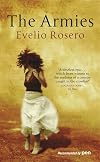
Evelio Rosero (1958-) is an award winning author and journalist who was born in Bogotá, Colombia, where he currently resides. The Armies (Los ejércitos), his first novel to be translated into English, won the Tusquets International Novel Prize in 2006 and the Independent Foreign Fiction Prize in 2009.
Ismael is a 70 year old retired school teacher, who lives peacefully with his wife Otilia in a Colombian village. His days are spent picking oranges from the trees in his garden, while show more longingly admiring his neighbor as she sunbathes in the nude. Surrounding this peaceful village, however, are guerrillas who grow coca in the nearby hills, who occasionally threaten and kidnap individuals but do not have much of an impact on the town as a whole. Unfortunately for the villagers, the army decides to use the village as a front in the war against the guerrillas, and slowly but steadily the villagers are caught in the middle of these warring factions.
Ismael decides to take an early morning walk, and is detained by government soldiers. Otilia goes to look for him later that day, and Ismael goes to look for her after his release. However, there is fierce fighting on that day, and he cannot find her by day's end. His neighbor's husband and son are kidnapped, and a number of villagers are killed or injured. Over the next days, as the fighting intensifies and the villagers find themselves increasingly trapped, Ismael continues his search for Otilia, vowing to remain there until she returns to him.
No one in The Armies is entirely innocent or guilty: the captain of the army randomly shoots several civilians, accusing them of being guerrillas; the mayor and the local police abandon the villagers with little warning; journalists drop in for photo ops but are detached and uninterested in the villagers' plight; and the country's president denies the existence of the war, and claims that the deaths reported by the media were due to old age.
This was a beautifully written novel which captures the horrors of the Colombian civil war, without resorting to gruesome and repetitive depictions of violence. show less
Ismael is a 70 year old retired school teacher, who lives peacefully with his wife Otilia in a Colombian village. His days are spent picking oranges from the trees in his garden, while show more longingly admiring his neighbor as she sunbathes in the nude. Surrounding this peaceful village, however, are guerrillas who grow coca in the nearby hills, who occasionally threaten and kidnap individuals but do not have much of an impact on the town as a whole. Unfortunately for the villagers, the army decides to use the village as a front in the war against the guerrillas, and slowly but steadily the villagers are caught in the middle of these warring factions.
Ismael decides to take an early morning walk, and is detained by government soldiers. Otilia goes to look for him later that day, and Ismael goes to look for her after his release. However, there is fierce fighting on that day, and he cannot find her by day's end. His neighbor's husband and son are kidnapped, and a number of villagers are killed or injured. Over the next days, as the fighting intensifies and the villagers find themselves increasingly trapped, Ismael continues his search for Otilia, vowing to remain there until she returns to him.
No one in The Armies is entirely innocent or guilty: the captain of the army randomly shoots several civilians, accusing them of being guerrillas; the mayor and the local police abandon the villagers with little warning; journalists drop in for photo ops but are detached and uninterested in the villagers' plight; and the country's president denies the existence of the war, and claims that the deaths reported by the media were due to old age.
This was a beautifully written novel which captures the horrors of the Colombian civil war, without resorting to gruesome and repetitive depictions of violence. show less
Lists
Awards


You May Also Like


Associated Authors
Statistics
- Works
- 36
- Also by
- 1
- Members
- 608
- Popularity
- #41,353
- Rating
- 3.7
- Reviews
- 24
- ISBNs
- 113
- Languages
- 11