
Philip Matyszak
Author of Ancient Rome on Five Denarii a Day
About the Author
Philip 'Maty' Matyszak holds a doctorate in Ancient History from St John's College, Oxford University, and has been studying, teaching and writing on the subject for over twenty years. He specializes in the history of Classical Greece and of the Late Republic and Early Imperial periods of Rome. show more Maty has personal military experience both as a conscript in Rhodesia and with the Territorial Army in Britain. These days he splits his time between writing in his home in Canada's Monaschee Mountains and providing e-learning courses for Cambridge University's Institute of Continuing Education. show less
Image credit: Philip Matyszak
Series
Works by Philip Matyszak
Chronicle of the Roman Republic: The Rulers of Ancient Rome from Romulus to Augustus (2008) 353 copies, 2 reviews
24 Hours in Ancient Rome: A Day in the Life of the People Who Lived There (2017) 299 copies, 8 reviews
24 Hours in Ancient Athens: A Day in the Life of the People Who Lived There (2017) 171 copies, 7 reviews
The Classical Compendium: A Miscellany of Scandalous Gossip, Bawdy Jokes, Peculiar Facts, and Bad Behavior from the Ancient Greeks and Romans (2009) 115 copies, 2 reviews
Ancient Magic: A Practitioner's Guide to the Supernatural in Greece and Rome (2019) 76 copies, 1 review
A Year in the Life of Ancient Greece: The Real Lives of the People Who Lived There (2021) 50 copies, 3 reviews
A Walk Through Ancient Rome: A Tour of the Historical Sites That Shaped the City (2024) 23 copies, 2 reviews
Fiii lui Caesar 1 copy
Associated Works
Tagged
Common Knowledge
- Canonical name
- Matyszak, Philip
- Birthdate
- 20th Century
- Gender
- male
- Education
- University of Oxford (St. John's College)
- Nationality
- UK
- Associated Place (for map)
- UK
Members
Reviews
24 Hours in Ancient Athens: A Day in the Life of the People Who Lived There (24 Hours in Ancient History Book 3) by Philip Matyszak
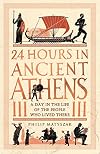
There's a small cottage industry of "daily life in" type books (even outside this particular series), and this is one of the best realized I've read. It gives little vignettes of different people's lives, from different social strata, of both genders, often with a little interesting short story plot about their character - but it does this by liberally using ancient sources and examples to draw from. Not just illustrating, as you might expect, a daily cleaning and gym routine, but also show more scenes from legal battles and architectural designs.
There are some anachronisms in that it's putting together a fictional 'day' that draws from events from years past and present from the theoretical day the book takes place in, and there are some fuzzy anachronisms like an aside about collecting "first editions" (in a time of hand copying what would that mean?), but overall it manages to be both engaging and informative. show less
There are some anachronisms in that it's putting together a fictional 'day' that draws from events from years past and present from the theoretical day the book takes place in, and there are some fuzzy anachronisms like an aside about collecting "first editions" (in a time of hand copying what would that mean?), but overall it manages to be both engaging and informative. show less
24 Hours in Ancient Rome: A Day in the Life of the People Who Lived There (24 Hours in Ancient History) by Philip Matyszak
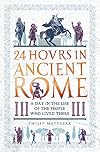
Fascinating, expansive and well-written account of a great society, showing just how confident and structured and resourceful the Romans were, how they must have felt themselves to be at the apex of history, the dynamic centre of the world. The book adopts the framework of looking at and through the eyes of 24 individual characters as the 24 hours of a typical day go by. This works well, both because of the author’s imaginative writing and because of all the little details of particular show more activities it uncovers: the farmer with a pot of axle-grease and a whip to hand as he drives his cart through the night to bring his produce in to Roman food markets, the renowned gladiators with their bits of work on the side sparring to entertain dinner party guests or kneecapping debt defaulters. Matyszak weaves all this together engagingly, but also relies on or borrrows from the authors and sources of the time itself. Names like Martial, Petronius, etc may sound like dusty classsics, but the earthy translations or paraphrases here (see especially the wonderful Seneca letter on p158) tempt this reader to seek out much more from them. show less
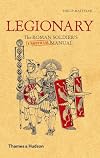
Един древен еврейски цар е казал за тогавашните най-големи врагове на държавата му: "Римската битка е като строева подготовка, само с добавена кръв.".
Наистина, римската армия разчита не толкова на по-доброто оръжие, броня, численост или иновативна стратегия, за да show more побеждава всевъзможни противници по всички краища на света - точно обратното, римляните са скучни, предвидими, често са значително по-малко на брой... но е невъзможно да спреш военнта им машина, разполагаща легион след легион отлично тренирани, добре екипирани войници с нечувана за времето си прецизност и организация.
Римската армия (след реформите на Марий и особено след Октавиан Август) въвежда за пръв път много основополагащи и за днешните армии практики: многобройна професионална армия, близка до днешната командна и организационна структура, определен брой години за прослужване, пенсия след успешно уволнение, издигане на строевата подготовка в култ, издигане на логистиката на придвижване, на изграждане на временни фортификации и на снабдяване до важна (дори по-важна от боя) част от военното изкуство, стандартизирана екипировка и т.н.
В типичния си стил, проф. Матишак използва общодостъпен език, за да опише различните аспекти на римската военна машина и да ни помогне да си представим какво би било да си легионер в различните краища на империята преди две хиляди години.
Това, което може би ще ви направи впечатление е неочакваният (но логичен) факт, че през по-голямата част от времето си легионерите не участват в бойни действия - дори могат да минат десетилетия преди някой легион да види битка или да тръгне на кампания. През повечето време легионите изпълняват различни цивилни задачи, като "опазване на мира", изграждане на пътища, конвоиране на търговци, лов на бандити и т.н. show less
Наистина, римската армия разчита не толкова на по-доброто оръжие, броня, численост или иновативна стратегия, за да show more побеждава всевъзможни противници по всички краища на света - точно обратното, римляните са скучни, предвидими, често са значително по-малко на брой... но е невъзможно да спреш военнта им машина, разполагаща легион след легион отлично тренирани, добре екипирани войници с нечувана за времето си прецизност и организация.
Римската армия (след реформите на Марий и особено след Октавиан Август) въвежда за пръв път много основополагащи и за днешните армии практики: многобройна професионална армия, близка до днешната командна и организационна структура, определен брой години за прослужване, пенсия след успешно уволнение, издигане на строевата подготовка в култ, издигане на логистиката на придвижване, на изграждане на временни фортификации и на снабдяване до важна (дори по-важна от боя) част от военното изкуство, стандартизирана екипировка и т.н.
В типичния си стил, проф. Матишак използва общодостъпен език, за да опише различните аспекти на римската военна машина и да ни помогне да си представим какво би било да си легионер в различните краища на империята преди две хиляди години.
Това, което може би ще ви направи впечатление е неочакваният (но логичен) факт, че през по-голямата част от времето си легионерите не участват в бойни действия - дори могат да минат десетилетия преди някой легион да види битка или да тръгне на кампания. През повечето време легионите изпълняват различни цивилни задачи, като "опазване на мира", изграждане на пътища, конвоиране на търговци, лов на бандити и т.н. show less
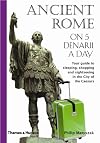
If you have plans to get into your time machine and visit ancient Rome, this is the book for you. Just make sure you go in the time of the Caesars (200 AD). By reading this book you can learn how to don a new toga or tunic, attend the best circus, avoid drinking feces tainted water, visit a brothel, see the tomb of St. Peter and so much more. Read every word so you don't miss the humor (especially in the section of useful phrases. My personal favorite: "Vel vinum mihi da, vel nummos mihi show more redde or I want my wine or my money back"). How's this for tongue-in-cheek: "The oldest and largest of Rome's sewers is the Cloca Maxima, which runs under the forum and is large enough to take a boat through, if that is your idea of fun" (p 34). See what I mean? It's a small book but it's packed with good fun! show less
Lists
Antigua Roma (1)
You May Also Like


Associated Authors
Statistics
- Works
- 48
- Also by
- 3
- Members
- 3,593
- Popularity
- #7,052
- Rating
- 3.9
- Reviews
- 62
- ISBNs
- 199
- Languages
- 15