
Ayọ̀bámi Adébáyọ̀
Author of Stay with Me
About the Author
Image credit: Ventures Africa
Works by Ayọ̀bámi Adébáyọ̀
Associated Works
New Daughters of Africa: An International Anthology of Writing by Women of African Descent (2019) — Contributor — 116 copies, 1 review
Of This Our Country: Acclaimed Nigerian Writers on the Home, Identity, and Culture They Know (2021) — Contributor — 21 copies
Tagged
Common Knowledge
- Legal name
- Adébáyọ̀, Ayọ̀bámi
- Other names
- Adebayo, Ayobami
- Birthdate
- 1988-01-29
- Gender
- female
- Education
- Obafemi Awolowo University, Nigeria
- Relationships
- Iduma, Emmanuel (husband)
- Short biography
- Ayobami Adebayo was born in Lagos, Nigeria, shortly after, her family moved to Ilesa and then to Ile-Ife, where she spent most of her childhood in the University Staff Quarters of Obafemi Awolowo University.[2][3] She studied at Obafemi Awolowo University, earning BA and MA degrees in Literature in English, and in 2014 she went to study Creative Writing (MA Prose fiction) at the University of East Anglia, where she was awarded an International Bursary.[4][5] She has also studied with Chimamanda Ngozi Adichie and Margaret Atwood.Adebayo has been a writer in residence at Ledig House Omi, Hedgebrook, Sinthian Cultural Institute, Ox-Bow School of Art, Siena Art Institute, and Ebedi Hills.[17][18] She was shortlisted for the Miles Morland Scholarship in 2014 and 2015
- Nationality
- Nigeria
- Birthplace
- Lagos, Nigeria
- Associated Place (for map)
- Lagos, Nigeria
Members
Reviews
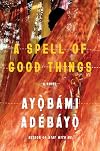
This is a story of modern Nigeria with its wide economic disparity and political upheaval. It is a world where who your parents are is more important to your success than your abilities; an environment where children whose parents can’t afford to pay their private school costs are beaten. Wuraola’s parents are wealthy; she is a doctor doing a medical residency, about to be engaged to the son of another wealthy man with political aspirations. Eniola’s family is dirt poor ever since his show more father lost his teaching position when history jobs were eliminated. They barely have anything to eat, owe back rent and back tuition. Wuraola and Eniola’s world collide tragically when Eniola tries to help his family by working for a local politician. This same politician is running against Wuraola’s intended’s father.
I wasn’t sure about this book when I chose it, but I really liked it. It is heartbreaking, but so well written with fully developed characterizations that it quickly won me over. There are many important concepts here, presented with poignancy and a bit of humor. I did feel that the ending was somewhat rushed; I wish there would have been more of an explanatory denouement. It takes a while to get into the book, but don’t give up; it is a very worthwhile read.
Thanks to #netgalley and #knopf for the ARC. show less
I wasn’t sure about this book when I chose it, but I really liked it. It is heartbreaking, but so well written with fully developed characterizations that it quickly won me over. There are many important concepts here, presented with poignancy and a bit of humor. I did feel that the ending was somewhat rushed; I wish there would have been more of an explanatory denouement. It takes a while to get into the book, but don’t give up; it is a very worthwhile read.
Thanks to #netgalley and #knopf for the ARC. show less
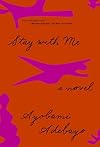
Set in modern-day Nigeria, this novel starts as a story of a stubbornly childless marriage in which Akin succumbs to his family's pressure to take a second wife to ensure the continuation of the family line. Yejida is devastated by this decision -- she and Akin had agreed that polygamy was not for them! -- and considers her options for conceiving a child to secure her position as the first wife, the only wife. But the story takes several surprising turns and evolves into a richly wrought show more story of love, loss, and family. It explores the terrible damage we do when we lie to ourselves and our loved ones but also when we give in to life's hurts, failing to question that which seems inevitable. This was an engaging read told from the POVs of both wife and husband; my main quibble is that their voices were not sufficiently distinct. Still, I'm truly glad I read it. show less
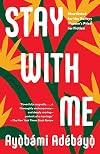
This debut novel is set in Nigeria from the 1980s to the 2000s, and is centered on Yejide and Akin, who met as students at the University of Lagos and married soon afterward. Yejide's childhood was a difficult one, as her mother died just after giving birth to her, and as a result she was ignored and reviled by her father's other wives and her step siblings. Akin was the first son of a middle class family, whose strong willed and influential mother approved of his education and the lifestyle show more it afforded him, but imposed upon him her Yoruban beliefs, which she believed to be superior and more authentic than the Western culture he learned in school.
Yejide and Akin loved each other deeply, but fell into trouble when they were unable to conceive, to the great dismay and disfavor of Akin's mother, referred to as "Moomi" throughout the novel and his father's other wives. Moomi, believing that the problem lies with Yejide, searches for a second wife for her son, who must bear a child to preserve the family's lineage, even though his younger brother Dotun and his wife have already produced several children. After an extensive search she finds a second wife for him, and he reluctantly agrees to accept Funmi even though he does not wish to have relations to her, which damages the trust and love that Yejide had for him. Funmi does not bear Akin a child, and due to intense pressure from his mother and Yejide's burning desire to bear a child he hatches a secret plan to ensure that it will happen.
For the first 100 pages or so I had no idea why Stay with Me was an appropriate choice for the Wellcome Book Prize longlist, but once I realized where the story was going it became much more interesting, and its relevance as a book about medicine, health and illness became apparent. This was a very enjoyable and often gripping novel about marriage, childbirth, the pressures that supposedly well meaning family members can have on a young couple, and cultural differences, with a sprinkling of humor and the trouble that ordinary Nigerians faced under martial law in the late 20th century. I look forward to reading more of this talented young author's work in the near future. show less
Yejide and Akin loved each other deeply, but fell into trouble when they were unable to conceive, to the great dismay and disfavor of Akin's mother, referred to as "Moomi" throughout the novel and his father's other wives. Moomi, believing that the problem lies with Yejide, searches for a second wife for her son, who must bear a child to preserve the family's lineage, even though his younger brother Dotun and his wife have already produced several children. After an extensive search she finds a second wife for him, and he reluctantly agrees to accept Funmi even though he does not wish to have relations to her, which damages the trust and love that Yejide had for him. Funmi does not bear Akin a child, and due to intense pressure from his mother and Yejide's burning desire to bear a child he hatches a secret plan to ensure that it will happen.
For the first 100 pages or so I had no idea why Stay with Me was an appropriate choice for the Wellcome Book Prize longlist, but once I realized where the story was going it became much more interesting, and its relevance as a book about medicine, health and illness became apparent. This was a very enjoyable and often gripping novel about marriage, childbirth, the pressures that supposedly well meaning family members can have on a young couple, and cultural differences, with a sprinkling of humor and the trouble that ordinary Nigerians faced under martial law in the late 20th century. I look forward to reading more of this talented young author's work in the near future. show less
'Alles wat had kunnen zijn’ is de tweede roman van Ayọ̀bámi Adébáyọ̀ en het eerste ‘Boek van de maand’ bij Hebban, wat grote verwachtingen schept. Het stond op de longlist van de Booker Prize 2023 en werd uit het Engels vertaald door Elvira Veenings. Nigeria en bij uitbreiding het hele Afrikaanse continent is voor mij onbekend terrein. Met open vizier treed ik dit avontuur tegemoet.
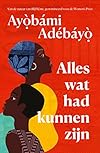
De cover valt op met zijn felle kleuren en twee gestileerde personen die heel dicht bij elkaar show more komen, maar elkaar niet lijken te zien of niet willen zien: symbolen voor rijk en arm in Nigeria, waartussen een immense kloof gaapt die door het corrupte systeem uitgediept wordt. Als Adébáyọ van haar vaste route door Ifè afwijkt en de beelden uit de sloppenwijk op haar netvlies gebrand blijven, wordt haar roman geboren. Ze is geschokt en probeert zich in te leven in een voor haar onbekende kant van Nigeria. Hoe breek je uit die vicieuze cirkel?
De opbouw maakt zo’n cirkelbeweging met een proloog en epiloog, waarin de gedachten van Caro over de verkiezingen aan bod komen. Dezelfde persoon na verloop van tijd op dezelfde plaats. Alles lijkt hetzelfde en toch is niets nog hetzelfde na alles wat er is gebeurd. In vier grote delen, voorzien van een geheimzinnige titel en een bijhorend citaat en onderverdeeld in korte hoofdstukken, leren we de rijke arts in opleiding Wúràọlá en haar familie en de arme student Eniolá en zijn familie kennen.
Wat is verantwoordelijk voor die gapende kloof tussen arm en rijk in Nigeria? Adébáyọ beschrijft niet alleen hoe het corrupte systeem dit in de hand werkt, maar tekent eveneens minutieus, hoe de Nigerianen in hun eeuwenoude tradities vastgeroest zitten. ‘Alles wat had kunnen zijn’ vertrekt uit deze hoofdthema’s, maar kijkt verder.
Via Yéyé glijdt je terug in de tijd en krijg je inzicht in het belang van het huwelijk, zelfs al is haar dochter Wúràọlá bijna als arts afgestudeerd. Aan de andere kant zie je Eniolá hopen op een kwalitatieve opleiding, wat in Nigeria helemaal geen evidentie is. Zeker niet als zijn vader door een hervorming zijn job en al zijn energie verliest. Iyá Eniolá (Eniolá’s moeder) blijft niet bij de pakken zitten en vecht als een leeuwin, maar kan de bedelstaf niet afwenden. Zowel de sterkte als de mishandeling van de vrouw, depressiviteit, onderwijs als hoop op een betere toekomst zijn secundaire thema’s. De zus van Wúràọlá én die van Eniolá rebelleren tegen wat van hen verwacht wordt, maar het is uiteindelijk Eniolá die dé dominosteen doet omvallen, nadat het verhaal rustig alle andere dominosteentjes had klaargezet.
Het leven in Nigeria bekijk je vanuit verschillende perspectieven. Op die manier krijg je een gedetailleerd beeld en kan je je een levenswijze proberen voor te stellen die heel erg van de onze afwijkt. Toch zijn er ook universele zaken zoals het huiselijk geweld. Alles is in eenvoudige bewoordingen weergegeven en enkel de onvertaalde stukken uit het Yoruba doen de wenkbrauwen fronsen. Nochtans zijn die exotische namen zo poëtisch zoals Wúràọlá ‘gouden overvloed’ betekent. Geen ingewikkelde stijlfiguren, maar wel enkele mooie beelden:
‘De tijd was meedogenloos, hij stopte niet, zelfs niet om mensen de kans te geven zichzelf van de vloer te schrapen als ze verbrijzeld waren.’
‘Pas achteraf was hij (Eniolá) in staat om te bedenken dat die aanwezigheid niets anders kon zijn dan zijn eigen angst die, groter geworden dan zijn lichaam kon bevatten, naar buiten golfde om hem als een tweede schaduw te achtervolgen in het gras.’
Adébáyọ beschrijft de schrijnende wantoestanden zonder een oordeel te vellen of een oplossing aan te bieden en laat het einde open. Wat als er in een olieproducerend land zelfs voor een ziekenhuis niet genoeg elektriciteit is? Corruptie en tradities zitten zodanig in het leven van de Nigerianen verweven, zoals de afbeelding van de politiekers in de ankara-stof die ze als aalmoes tijdens hun campagne uitdelen, dat het kluwen moeilijk te ontwarren is. Vele personages wachten te lang om stappen te ondernemen en willen dan plots met te grote stappen vooruit. Ga nooit af op een fata morgana, maar blijf ook niet werkloos toezien. Ze houdt haar landgenoten een spiegel voor. Wie durft er in deze spiegel te kijken? show less
De cover valt op met zijn felle kleuren en twee gestileerde personen die heel dicht bij elkaar show more komen, maar elkaar niet lijken te zien of niet willen zien: symbolen voor rijk en arm in Nigeria, waartussen een immense kloof gaapt die door het corrupte systeem uitgediept wordt. Als Adébáyọ van haar vaste route door Ifè afwijkt en de beelden uit de sloppenwijk op haar netvlies gebrand blijven, wordt haar roman geboren. Ze is geschokt en probeert zich in te leven in een voor haar onbekende kant van Nigeria. Hoe breek je uit die vicieuze cirkel?
De opbouw maakt zo’n cirkelbeweging met een proloog en epiloog, waarin de gedachten van Caro over de verkiezingen aan bod komen. Dezelfde persoon na verloop van tijd op dezelfde plaats. Alles lijkt hetzelfde en toch is niets nog hetzelfde na alles wat er is gebeurd. In vier grote delen, voorzien van een geheimzinnige titel en een bijhorend citaat en onderverdeeld in korte hoofdstukken, leren we de rijke arts in opleiding Wúràọlá en haar familie en de arme student Eniolá en zijn familie kennen.
Wat is verantwoordelijk voor die gapende kloof tussen arm en rijk in Nigeria? Adébáyọ beschrijft niet alleen hoe het corrupte systeem dit in de hand werkt, maar tekent eveneens minutieus, hoe de Nigerianen in hun eeuwenoude tradities vastgeroest zitten. ‘Alles wat had kunnen zijn’ vertrekt uit deze hoofdthema’s, maar kijkt verder.
Via Yéyé glijdt je terug in de tijd en krijg je inzicht in het belang van het huwelijk, zelfs al is haar dochter Wúràọlá bijna als arts afgestudeerd. Aan de andere kant zie je Eniolá hopen op een kwalitatieve opleiding, wat in Nigeria helemaal geen evidentie is. Zeker niet als zijn vader door een hervorming zijn job en al zijn energie verliest. Iyá Eniolá (Eniolá’s moeder) blijft niet bij de pakken zitten en vecht als een leeuwin, maar kan de bedelstaf niet afwenden. Zowel de sterkte als de mishandeling van de vrouw, depressiviteit, onderwijs als hoop op een betere toekomst zijn secundaire thema’s. De zus van Wúràọlá én die van Eniolá rebelleren tegen wat van hen verwacht wordt, maar het is uiteindelijk Eniolá die dé dominosteen doet omvallen, nadat het verhaal rustig alle andere dominosteentjes had klaargezet.
Het leven in Nigeria bekijk je vanuit verschillende perspectieven. Op die manier krijg je een gedetailleerd beeld en kan je je een levenswijze proberen voor te stellen die heel erg van de onze afwijkt. Toch zijn er ook universele zaken zoals het huiselijk geweld. Alles is in eenvoudige bewoordingen weergegeven en enkel de onvertaalde stukken uit het Yoruba doen de wenkbrauwen fronsen. Nochtans zijn die exotische namen zo poëtisch zoals Wúràọlá ‘gouden overvloed’ betekent. Geen ingewikkelde stijlfiguren, maar wel enkele mooie beelden:
‘De tijd was meedogenloos, hij stopte niet, zelfs niet om mensen de kans te geven zichzelf van de vloer te schrapen als ze verbrijzeld waren.’
‘Pas achteraf was hij (Eniolá) in staat om te bedenken dat die aanwezigheid niets anders kon zijn dan zijn eigen angst die, groter geworden dan zijn lichaam kon bevatten, naar buiten golfde om hem als een tweede schaduw te achtervolgen in het gras.’
Adébáyọ beschrijft de schrijnende wantoestanden zonder een oordeel te vellen of een oplossing aan te bieden en laat het einde open. Wat als er in een olieproducerend land zelfs voor een ziekenhuis niet genoeg elektriciteit is? Corruptie en tradities zitten zodanig in het leven van de Nigerianen verweven, zoals de afbeelding van de politiekers in de ankara-stof die ze als aalmoes tijdens hun campagne uitdelen, dat het kluwen moeilijk te ontwarren is. Vele personages wachten te lang om stappen te ondernemen en willen dan plots met te grote stappen vooruit. Ga nooit af op een fata morgana, maar blijf ook niet werkloos toezien. Ze houdt haar landgenoten een spiegel voor. Wie durft er in deze spiegel te kijken? show less
Lists
Awards


You May Also Like


Associated Authors
Statistics
- Works
- 2
- Also by
- 5
- Members
- 1,820
- Popularity
- #14,133
- Rating
- 4.2
- Reviews
- 93
- ISBNs
- 61
- Languages
- 11