
Helen Fremont
Author of After Long Silence
Works by Helen Fremont
Associated Works
Tagged
Common Knowledge
- Gender
- female
- Education
- Wellesley College
Boston University School of Law
Warren Wilson College MFA Program for Writers - Occupations
- lawyer
memoirist - Organizations
- Brandeis University
Marlboro Review
Harvard University
Emerson College
Radcliffe Institute for Advanced Study
Bread Loaf Writers' Conference (show all 7)
Committee for Public Counsel Services - Agent
- Elise Goodman
Arnold Goodman
Gail Hochman - Short biography
- From Publishers Weekly: Raised Roman Catholic in a Michigan suburb, Helen Fremont knew that her parents had been in concentration camps. Her Polish-born mother Batya was interned in fascist Italy, and her Hungarian-born father Kovik was sentenced to life in the Soviet gulag. But her parents refused to talk about their past, and they never let on that they had been born Jews. As adults, Fremont, a Boston lawyer and public defender, and her sister, Lara, a psychiatrist, pieced together their parents' hidden past by examining archives and tracking down Holocaust survivors. The resulting book, After Long Silence: A Memoir, was published in 1999.
- Nationality
- USA
- Places of residence
- Boston, Massachusetts, USA
- Associated Place (for map)
- Massachusetts, USA
Members
Reviews
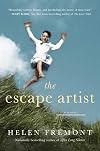
As I began to read this book and saw that her family had disowned her after the publishing of her first memoir, I thought uh oh, revenge book. But I'm not so sure now, granted she had nothing to lose , but she had a lot to figure out. This is such a sad story of a dysfunctional family that changes thinking. As in her first book, "After Long Silence" A family in such dysfunction appearing to be normal really made me think of the trauma of many now from abuse or post traumatic stress show more disorders. So many layers to the survivors lies and identity that one can only begin to understand life during WWII in Poland and Italy. show less
In After Long Silence, Fremont's first book, she documented the secret lives and identities her parents had hidden after surviving the Holocaust and immigrating to the U.S. With this memoir, she shifts her focus to her own life and experiences, and how her parents' emotional wounds psychologically and severely impacted her and her sister during their childhoods.
This story was so messed up, but like the proverbial train wreck I couldn't look away. It absolutely demonstrates the validity and show more seriousness of generational trauma. Though I'm tempted to give credence to Fremont as the author, at times I found myself wondering whose version of reality was actually the truth. At the end, I really hoped Fremont is OK and that she's somehow found peace. (Also I'd love to see the results of a DNA test with Renzo!). show less
This story was so messed up, but like the proverbial train wreck I couldn't look away. It absolutely demonstrates the validity and show more seriousness of generational trauma. Though I'm tempted to give credence to Fremont as the author, at times I found myself wondering whose version of reality was actually the truth. At the end, I really hoped Fremont is OK and that she's somehow found peace. (Also I'd love to see the results of a DNA test with Renzo!). show less
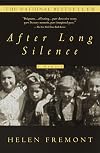
I’ve read a lot of stories about the Shoah (the Holocaust), but never one quite like the story of Helen Fremont’s family. Her book, After Long Silence: A Memoir, is truly a blend of genres, regardless of the title.
Fremont is of my generation, but her parents were European refugees who came to the United States after WWII. To everyone outside the family they were a nice Polish-American Catholic family. Inside the nuclear family, they also appeared to be Catholics of Polish ancestry.
The show more book is about the story Helen discovers when she is an adult. Her parents were actually Jews who had survived the horrors of the Holocaust. They won’t admit it, though–at least not until Helen hounds them for the truth.
From the opening, the main question Helen seeks to answer in the book is “What really happened to my parents during the war years?” Eventually that question turns into “Why do they still want to keep the secret?”
Fremont alternates her story with that of both her parents before and during and right after the war. Once the story of her parents’ paths to survival begins in earnest, Fremont has me completely hooked. Those chapters/sections are to me the essence of the book–and they truly would not be memoir if they were not framed within a memoir. They read like a Holocaust biography or novel–gripping and disturbing. What her parents did to survive shows how far the human spirit and personality can stretch and mold.
The sections about Fremont’s parents’ lives are imagined stories based upon Fremont’s research.It makes sense that the stories of her parents overshadows Fremont’s own story since the huge secret her parents imposed on their family overshadowed Fremont’s life. But at the end of the book she feels independent of them. This is important because it means she can differentiate herself as an individual adult. show less
Fremont is of my generation, but her parents were European refugees who came to the United States after WWII. To everyone outside the family they were a nice Polish-American Catholic family. Inside the nuclear family, they also appeared to be Catholics of Polish ancestry.
The show more book is about the story Helen discovers when she is an adult. Her parents were actually Jews who had survived the horrors of the Holocaust. They won’t admit it, though–at least not until Helen hounds them for the truth.
From the opening, the main question Helen seeks to answer in the book is “What really happened to my parents during the war years?” Eventually that question turns into “Why do they still want to keep the secret?”
Fremont alternates her story with that of both her parents before and during and right after the war. Once the story of her parents’ paths to survival begins in earnest, Fremont has me completely hooked. Those chapters/sections are to me the essence of the book–and they truly would not be memoir if they were not framed within a memoir. They read like a Holocaust biography or novel–gripping and disturbing. What her parents did to survive shows how far the human spirit and personality can stretch and mold.
The sections about Fremont’s parents’ lives are imagined stories based upon Fremont’s research.It makes sense that the stories of her parents overshadows Fremont’s own story since the huge secret her parents imposed on their family overshadowed Fremont’s life. But at the end of the book she feels independent of them. This is important because it means she can differentiate herself as an individual adult. show less

Growing up in Michigan in the 1960s and ‘70s, Helen Fremont had no idea that her parents were not Polish Catholic refugees from war-ravaged Europe, but were, in fact, Jewish. In After Long Silence, she interweaves the story of her quest, with her older sister, to discover the truth about their history with a part-factual, part-fictional narrative of her parents’ childhoods in and around Lvov, her mother’s and her aunt’s assumption of new identities to survive and flee from Nazi show more occupation, and her father’s endurance in and escape from a Siberian prison camp.
Fremont’s goal is ambitious and complex: to find out what really happened and to understand why her parents chose to keep the truth from their children and how this secrecy affected her own psychological development. It is complicated by her parents’, especially her mother’s, unwillingness — or inability — to discuss their 50-year-old experiences. As a result, though compellingly and often almost poetically written, particularly in the sections telling the parents’ stories, After Long Silence is ultimately a frustrating book.
Fremont acknowledges in an introductory author’s note that she has imagined certain details, and frequently reiterates that it is not always clear what happened: the reader has no way of knowing which aspects of her parents’ experiences are real, and which are not. It is the very specificity of her descriptions, the details of events and feelings, that make her parents’ stories believable, but it is these that are most likely imaginary. She writes, “History is a card table full of illusions, and we must sort through and pick the ones we wish to believe.” Do we want to believe, or do we want to know the truth, and how much of the truth is historical fact and how much is emotional reality? These questions emerge, but are unanswered.
Troubling also is Fremont’s persistence in investigating her parents’ history in the face of their resistance to her doing so, their desire to keep their secret a secret, their fear and fury and anguish at her digging up long-buried, even forgotten memories. And yet, they also want to know — some of the truth. Her mother, who had begged her own mother to let her stay in Lvov with her family, rather than escape to her married sister in Rome, now begs her daughters to tell her where and when and how her parents were killed. Her father, who wrote his own, unpublished, 600-page memoir of his six years in the Gulag, reveals that he had wanted to tell his daughters they were Jewish when they turned 18, but their mother (and her sister in Rome) refused. Fremont’s right to know her own history collides with her parents’ right to maintain their privacy and the new life they chose.
Why did Fremont’s parents decide to keep up the myths about their lives even after emigrating to America? Without their cooperation, Fremont can only speculate that her mother’s unshakable bond with her sister, whose marriage to an Italian count, through a complicated series of events, saved both sisters in Lvov and gave them, separately, a way to get out of Poland, committed her to maintaining a secret that was also her sister’s secret. She can only imagine that the horrors her mother observed and endured, the stress of taking on false identity after false identity, led her to forget, to repress. Amazingly, to this day, nobody — not her mother, not her aunt, not her father — can remember her mother’s original name.
Finally, it is unclear what being Jewish means to Fremont. She tries attending services but is mystified by the Hebrew. She studies with a rabbi, tells him she is a lesbian, and assumes his disapproval extends to Jews as a whole. In an afterword to the paperback edition, she attends an extended family reunion, complete with bagels, lox, and kugel, after cousins she never knew existed recognized her family’s story when the hardback edition was published and sought her out. Fremont was in her thirties when she unraveled her parents’ past: discovering her Jewish identity did not set her on a new religious path but provided her with emotional answers, psychological comfort. show less
Fremont’s goal is ambitious and complex: to find out what really happened and to understand why her parents chose to keep the truth from their children and how this secrecy affected her own psychological development. It is complicated by her parents’, especially her mother’s, unwillingness — or inability — to discuss their 50-year-old experiences. As a result, though compellingly and often almost poetically written, particularly in the sections telling the parents’ stories, After Long Silence is ultimately a frustrating book.
Fremont acknowledges in an introductory author’s note that she has imagined certain details, and frequently reiterates that it is not always clear what happened: the reader has no way of knowing which aspects of her parents’ experiences are real, and which are not. It is the very specificity of her descriptions, the details of events and feelings, that make her parents’ stories believable, but it is these that are most likely imaginary. She writes, “History is a card table full of illusions, and we must sort through and pick the ones we wish to believe.” Do we want to believe, or do we want to know the truth, and how much of the truth is historical fact and how much is emotional reality? These questions emerge, but are unanswered.
Troubling also is Fremont’s persistence in investigating her parents’ history in the face of their resistance to her doing so, their desire to keep their secret a secret, their fear and fury and anguish at her digging up long-buried, even forgotten memories. And yet, they also want to know — some of the truth. Her mother, who had begged her own mother to let her stay in Lvov with her family, rather than escape to her married sister in Rome, now begs her daughters to tell her where and when and how her parents were killed. Her father, who wrote his own, unpublished, 600-page memoir of his six years in the Gulag, reveals that he had wanted to tell his daughters they were Jewish when they turned 18, but their mother (and her sister in Rome) refused. Fremont’s right to know her own history collides with her parents’ right to maintain their privacy and the new life they chose.
Why did Fremont’s parents decide to keep up the myths about their lives even after emigrating to America? Without their cooperation, Fremont can only speculate that her mother’s unshakable bond with her sister, whose marriage to an Italian count, through a complicated series of events, saved both sisters in Lvov and gave them, separately, a way to get out of Poland, committed her to maintaining a secret that was also her sister’s secret. She can only imagine that the horrors her mother observed and endured, the stress of taking on false identity after false identity, led her to forget, to repress. Amazingly, to this day, nobody — not her mother, not her aunt, not her father — can remember her mother’s original name.
Finally, it is unclear what being Jewish means to Fremont. She tries attending services but is mystified by the Hebrew. She studies with a rabbi, tells him she is a lesbian, and assumes his disapproval extends to Jews as a whole. In an afterword to the paperback edition, she attends an extended family reunion, complete with bagels, lox, and kugel, after cousins she never knew existed recognized her family’s story when the hardback edition was published and sought her out. Fremont was in her thirties when she unraveled her parents’ past: discovering her Jewish identity did not set her on a new religious path but provided her with emotional answers, psychological comfort. show less
You May Also Like


Associated Authors
Statistics
- Works
- 5
- Also by
- 1
- Members
- 705
- Popularity
- #35,923
- Rating
- 3.7
- Reviews
- 24
- ISBNs
- 20
- Languages
- 2