
J. Courtney Sullivan
Author of Maine
About the Author
J. Courtney Sullivan received a B.A. in Victorian literature from Smith College in 2003. She worked for Allure and then moved to The New York Times. Her work has appeared in The New York Times Book Review, The Chicago Tribune, New York, Elle, Glamour, the New York Observer, and Men's Vogue. Her show more first book, Dating Up: Dump the Shlump and Find a Quality Man, was published in 2007. In 2010, she co-edited a feminist essay collection entitled Click: When We Knew We Were Feminists. Her fiction works include Commencement, Maine and The Engagements. (Bowker Author Biography) show less
Image credit: J. Courtney Sullivan
Works by J. Courtney Sullivan
Associated Works
A Paris All Your Own: Bestselling Women Writers on the City of Light (2017) — Contributor — 84 copies, 5 reviews
Tagged
Common Knowledge
- Canonical name
- Sullivan, J. Courtney
- Legal name
- Sullivan, Julie Courtney
- Birthdate
- 1982
- Gender
- female
- Occupations
- novelist
- Nationality
- USA
- Places of residence
- Brooklyn, New York, USA
- Associated Place (for map)
- New York, USA
Members
Reviews

At first I was kind of bored by this book. Motherhood doesn’t interest me much so Elizabeth’s whinging and wrangling with her new status made me zone out. At least she didn’t abandon her writing completely and tried to work so that having Sam as babysitter was legit. Dumb ofher not to recognize the whole Hollow Tree thing though that’s probably a product of the privilege she was doing her best to cast aside. Also at first the parts with Sam tripping through the last few college show more semesters with still no plan of action was also kind of dull. I didn’t go to college so have no first hand experience with that kind of semi-safe aimlessness.
Then she met Clive and I knew this would either kill her or teach her a whole lot. At her age disastrous romances do so much to shape who we are as women and define what we want; or more importantly what we don’t. As her relationship with Elizabeth got to be more like friends, I was a little jealous of her having an outside influence as good as Elizabeth’s was for her. So many young women make the worst decisions of their lives at that time and so often don’t have anyone they look up to who also gives sound advice. Even though ultimately Sam found out how her dream job came her way, she took it because it was good for her. She woke up to at least that extent and that saved her character for me.
Even though he wasn’t overtly horrible, I was glad to see the back of creepy Clive. He was controlling and condescending. It can be hard not to play the age card when around people much younger, but when I’ve been in situations like that I’m very aware of it and do my best not to. With him though, it seems like the only way he can feel good about himself is to be with a woman who will look up to him and that was Sam. The attention of an older man can be very flattering. Experience gives us knowledge, but it’s not the only way people come by smarts. I’m glad Sam realized that even though she was crazy in love, her doubts had their roots in common sense and that you can be in love with someone who isn’t good for you.
As things progressed with Elizabeth and the option of a second child, I felt a lot of sympathy and anger on her behalf. Men just treat women’s bodies like machines they can turn on and off and use as they please. The work they do is just a given and they are entitled to it. It ties into the overarching theme of entitlement and privilege. Andrew’s is Elizabeth’s body. He feels entitled to her womb. Even a regular, non-stressful, 100% wanted pregnancy is an ordeal for the human body never mind the added horror, strain and pressure of IVF. I am happily childfree, but when a friend of mine had her daughter, we talked a little bit about working out during her pregnancy. She kept at it because that’s who she is and it made the process better for her, but I reminded her that there would be no going back to exactly how it was before she delivered. It’s life changing, body changing and so when men just think pressuring a woman into doing it again is ok, I get a bit squiggle-eyed. Ditto for those women who judge others for not doing so, like one of the BK mommas did at the beginning of the book. So much for women valuing feminism because it gives us choices.
But I’m getting side tracked. I really wish that the intimacy and honesty that developed between Elizabeth and Andrew could have extended into her telling him about not going through with a second round of IVF even though she said she was. In the end, it seemed that something came of it anyway and the point was probably moot, but it seemed like a step backward at the time. She tacitly agreed he could just use her body as if it was just another tool in the drawer and that’s really wrong. I’ve had more than one relationship founder on the baby rocks with my resolve and sense of agency. That I don’t have to have a baby to please anyone if it doesn’t please me.
Anyway…the other big theme here is money, class and privilege and the recognition of having them. Sam’s comes from her relationship with the cafeteria workers she knows on her job and thinks she’s the same as, and Elizabeth’s from her in-law’s financial problems. Sam has to take a student job because she doesn’t come from money; her best friend does and here at the end of their college time, Sam is starting to see the creeping vines of privilege grow and spread through all the lives they touch. Sometimes it’s for the good when Sam herself benefits, but that also brings feelings of guilt. Her naive attempt to help the women she works with get better treatment goes horribly wrong as anyone with perspective can tell will happen, but she is all earnestness and outrage and thinks calling for action is the right thing to do. When she painfully finds out it isn’t and that her actions made things worse for everyone, it is a relief for her that she can legitimately walk away because it’s graduation.
Elizabeth’s privilege is deeper, more overt and somewhat more painful to watch. She has a real distaste for her father, his cheating ways and his money, vowing not to take a penny from him after he destroys a relationship by having an affair with her boyfriend’s mother. Her wayward and narcissistic sister promises to do the same, but after taking $250,000 off Elizabeth with no idea at all of paying it back, it’s discovered that daddy’s been supporting her all along. Just exactly what that huge chunk of change was for when she basically had no bills is never explained. I hated every person in Elizabeth’s family during that Christmas scene and would have cheerfully watched them being eaten by dogs. How Elizabeth ended up so normal is mystifying and incredible.
So in the end I ended up liking the book a lot more than I thought I would. It’s a very slow mover so if you can’t get wrapped up in the stories of the women, their side-business and lives, you probably will hate it. show less
Then she met Clive and I knew this would either kill her or teach her a whole lot. At her age disastrous romances do so much to shape who we are as women and define what we want; or more importantly what we don’t. As her relationship with Elizabeth got to be more like friends, I was a little jealous of her having an outside influence as good as Elizabeth’s was for her. So many young women make the worst decisions of their lives at that time and so often don’t have anyone they look up to who also gives sound advice. Even though ultimately Sam found out how her dream job came her way, she took it because it was good for her. She woke up to at least that extent and that saved her character for me.
Even though he wasn’t overtly horrible, I was glad to see the back of creepy Clive. He was controlling and condescending. It can be hard not to play the age card when around people much younger, but when I’ve been in situations like that I’m very aware of it and do my best not to. With him though, it seems like the only way he can feel good about himself is to be with a woman who will look up to him and that was Sam. The attention of an older man can be very flattering. Experience gives us knowledge, but it’s not the only way people come by smarts. I’m glad Sam realized that even though she was crazy in love, her doubts had their roots in common sense and that you can be in love with someone who isn’t good for you.
As things progressed with Elizabeth and the option of a second child, I felt a lot of sympathy and anger on her behalf. Men just treat women’s bodies like machines they can turn on and off and use as they please. The work they do is just a given and they are entitled to it. It ties into the overarching theme of entitlement and privilege. Andrew’s is Elizabeth’s body. He feels entitled to her womb. Even a regular, non-stressful, 100% wanted pregnancy is an ordeal for the human body never mind the added horror, strain and pressure of IVF. I am happily childfree, but when a friend of mine had her daughter, we talked a little bit about working out during her pregnancy. She kept at it because that’s who she is and it made the process better for her, but I reminded her that there would be no going back to exactly how it was before she delivered. It’s life changing, body changing and so when men just think pressuring a woman into doing it again is ok, I get a bit squiggle-eyed. Ditto for those women who judge others for not doing so, like one of the BK mommas did at the beginning of the book. So much for women valuing feminism because it gives us choices.
But I’m getting side tracked. I really wish that the intimacy and honesty that developed between Elizabeth and Andrew could have extended into her telling him about not going through with a second round of IVF even though she said she was. In the end, it seemed that something came of it anyway and the point was probably moot, but it seemed like a step backward at the time. She tacitly agreed he could just use her body as if it was just another tool in the drawer and that’s really wrong. I’ve had more than one relationship founder on the baby rocks with my resolve and sense of agency. That I don’t have to have a baby to please anyone if it doesn’t please me.
Anyway…the other big theme here is money, class and privilege and the recognition of having them. Sam’s comes from her relationship with the cafeteria workers she knows on her job and thinks she’s the same as, and Elizabeth’s from her in-law’s financial problems. Sam has to take a student job because she doesn’t come from money; her best friend does and here at the end of their college time, Sam is starting to see the creeping vines of privilege grow and spread through all the lives they touch. Sometimes it’s for the good when Sam herself benefits, but that also brings feelings of guilt. Her naive attempt to help the women she works with get better treatment goes horribly wrong as anyone with perspective can tell will happen, but she is all earnestness and outrage and thinks calling for action is the right thing to do. When she painfully finds out it isn’t and that her actions made things worse for everyone, it is a relief for her that she can legitimately walk away because it’s graduation.
Elizabeth’s privilege is deeper, more overt and somewhat more painful to watch. She has a real distaste for her father, his cheating ways and his money, vowing not to take a penny from him after he destroys a relationship by having an affair with her boyfriend’s mother. Her wayward and narcissistic sister promises to do the same, but after taking $250,000 off Elizabeth with no idea at all of paying it back, it’s discovered that daddy’s been supporting her all along. Just exactly what that huge chunk of change was for when she basically had no bills is never explained. I hated every person in Elizabeth’s family during that Christmas scene and would have cheerfully watched them being eaten by dogs. How Elizabeth ended up so normal is mystifying and incredible.
So in the end I ended up liking the book a lot more than I thought I would. It’s a very slow mover so if you can’t get wrapped up in the stories of the women, their side-business and lives, you probably will hate it. show less
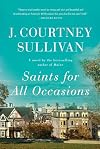
Two sisters emigrate from Ireland to America in the mid-1950s, one to marry a man she doesn't love, and one to fall in love with a man she cannot marry, setting off a tale of duty and deception that spans half a century.
This is not a book for readers who want a beginning, middle, and end. It jumps backward and forward in time with multiple stops in between. Sullivan uses this structure to allow the reader to see her characters operating with incomplete information, yet understand (as the show more characters themselves cannot) how the hidden and revealed truths of their lives influence their decisions and the events that unfold from those decisions.
Neither of the sisters is particularly likeable. Nora, the elder, is duty-driven but takes little pleasure in it. She begins the book as a shy, inarticulate 21-year-old, driven into responsibilities far beyond her years by her mother's early death. Theresa, at 17, has a verve and curiosity that will lead her unwittingly into a situation that changes their lives irrevocably. By the end of the novel, they have essentially changed places: Nora has found a strength -- even a hardness -- that allows her to stand her ground and be seen by her family as an unbending pillar, while Theresa has become content and whole in a life that from the outside, seems incredibly restrictive. Theresa's change in particular is the most difficult for the reader to accept while at the same time being absolutely essential to the unfolding of the story.
Ireland, the Catholic Church, and the transplanted culture of the Irish emigrants, are almost characters in themselves. Don't look for shamrocks and leprechauns, or bloody tales of The Troubles, though. At one point, one of the characters muses on how much "more Irish" the American-born seem to be than their parents were. But the family ties and interrelated support among an emigrant community and the heavy hand of a patriarchal church are woven throughout the tale.
It's an engaging read, but the conclusion is somewhat of a letdown. After the long and twisting path to get to that ultimate scene, Sullivan just chops it off abruptly. It's like a 300 page game of Chutes and Ladders that suddenly ends when someone zips down the chute to the finish line and that's it -- we're done. show less
This is not a book for readers who want a beginning, middle, and end. It jumps backward and forward in time with multiple stops in between. Sullivan uses this structure to allow the reader to see her characters operating with incomplete information, yet understand (as the show more characters themselves cannot) how the hidden and revealed truths of their lives influence their decisions and the events that unfold from those decisions.
Neither of the sisters is particularly likeable. Nora, the elder, is duty-driven but takes little pleasure in it. She begins the book as a shy, inarticulate 21-year-old, driven into responsibilities far beyond her years by her mother's early death. Theresa, at 17, has a verve and curiosity that will lead her unwittingly into a situation that changes their lives irrevocably. By the end of the novel, they have essentially changed places: Nora has found a strength -- even a hardness -- that allows her to stand her ground and be seen by her family as an unbending pillar, while Theresa has become content and whole in a life that from the outside, seems incredibly restrictive. Theresa's change in particular is the most difficult for the reader to accept while at the same time being absolutely essential to the unfolding of the story.
Ireland, the Catholic Church, and the transplanted culture of the Irish emigrants, are almost characters in themselves. Don't look for shamrocks and leprechauns, or bloody tales of The Troubles, though. At one point, one of the characters muses on how much "more Irish" the American-born seem to be than their parents were. But the family ties and interrelated support among an emigrant community and the heavy hand of a patriarchal church are woven throughout the tale.
It's an engaging read, but the conclusion is somewhat of a letdown. After the long and twisting path to get to that ultimate scene, Sullivan just chops it off abruptly. It's like a 300 page game of Chutes and Ladders that suddenly ends when someone zips down the chute to the finish line and that's it -- we're done. show less
Family Feud
If you grew up in a family of size, and particularly one with roots in the old country, you appreciate how seemingly small slights can set off a feud lasting years. And family gatherings, oh boy, sometimes they could get, well, explosive. Better to look in on somebody else’s family feud, like Courtney Sullivan’s Irish clan of Rafferty-Flynn.
It boils down to an incident, a very big incident, between the two Flynn sisters, Nora and Theresa. Their family ships them off to show more America in the late 50s, to Boston and the Irish enclave there. Nora is the older; Theresa the younger. Nora is solid, formal, old Irish to her marrow. Theresa is younger, a teen, impetuous by the standards of the day and the isle they hail from. The idea upon emigrating was for Nora to marry Charlie Rafferty, who preceded her. It almost doesn’t happen, until Theresa gets herself into “trouble,” code of the day for pregnant outside marriage. Then Nora, the responsible one to her own mind, has to hatch a plan. The plan involves taking Theresa’s burden entirely onto herself. Thus, her life in American begins with a lie and a secret that goes on and on, affecting her own family in subtle ways (though among the young, nobody knows Nora has a sister, and that Patrick is not of her issue).
Theresa flees, apparently because she is the irresponsible one. But not really, because the pain of watching Nora raises her baby named Patrick (as well as has and brings up three of her own) is just too painful. She knocks about for a while in New York, and eventually finds solace in her Catholic religion, specifically as a cloistered nun. Thus, she and Nora disappear from each other’s life. Until years later, in 2009, when Patrick dies in single car accident, drunk at the wheel, the opening of the novel.
The story alternates from present to past, back and forth, as well as from character to character, these being the Rafferty children as middle-aged adults, John, Bridget, and Brian. Really, though, it’s Nora’s tale and how she relates to her sister over the years. True, they have little contact, but, as Sullivan clearly portrays, you carry people around with you, in your head and your heart, what you loved about them, your points of resentment and anger, your turmoil over either reconciling or not. And further, how even the closest of people, as Nora and Theresa were in their youth, can never really know what the other thinks or feels, and certainly not when you erect barriers, as Nora does.
Overall, you’ll find this an often engrossing tale of family life of the type that is all but vanishing from the American scene but for immigrant groups, like the Rafferty-Flynns. If you’re from a family of any size, you’ll probably see bits of yourself and your siblings on these pages. There’s much here that will resonate with people, like Charlie and Nora’s frugality for one. “Sixteen dollars for a margarita! I can’t get over it,” shouts Charlie, days after their son John takes them to a fancy beach restaurant. Oh, boy, hear you brother. show less
If you grew up in a family of size, and particularly one with roots in the old country, you appreciate how seemingly small slights can set off a feud lasting years. And family gatherings, oh boy, sometimes they could get, well, explosive. Better to look in on somebody else’s family feud, like Courtney Sullivan’s Irish clan of Rafferty-Flynn.
It boils down to an incident, a very big incident, between the two Flynn sisters, Nora and Theresa. Their family ships them off to show more America in the late 50s, to Boston and the Irish enclave there. Nora is the older; Theresa the younger. Nora is solid, formal, old Irish to her marrow. Theresa is younger, a teen, impetuous by the standards of the day and the isle they hail from. The idea upon emigrating was for Nora to marry Charlie Rafferty, who preceded her. It almost doesn’t happen, until Theresa gets herself into “trouble,” code of the day for pregnant outside marriage. Then Nora, the responsible one to her own mind, has to hatch a plan. The plan involves taking Theresa’s burden entirely onto herself. Thus, her life in American begins with a lie and a secret that goes on and on, affecting her own family in subtle ways (though among the young, nobody knows Nora has a sister, and that Patrick is not of her issue).
Theresa flees, apparently because she is the irresponsible one. But not really, because the pain of watching Nora raises her baby named Patrick (as well as has and brings up three of her own) is just too painful. She knocks about for a while in New York, and eventually finds solace in her Catholic religion, specifically as a cloistered nun. Thus, she and Nora disappear from each other’s life. Until years later, in 2009, when Patrick dies in single car accident, drunk at the wheel, the opening of the novel.
The story alternates from present to past, back and forth, as well as from character to character, these being the Rafferty children as middle-aged adults, John, Bridget, and Brian. Really, though, it’s Nora’s tale and how she relates to her sister over the years. True, they have little contact, but, as Sullivan clearly portrays, you carry people around with you, in your head and your heart, what you loved about them, your points of resentment and anger, your turmoil over either reconciling or not. And further, how even the closest of people, as Nora and Theresa were in their youth, can never really know what the other thinks or feels, and certainly not when you erect barriers, as Nora does.
Overall, you’ll find this an often engrossing tale of family life of the type that is all but vanishing from the American scene but for immigrant groups, like the Rafferty-Flynns. If you’re from a family of any size, you’ll probably see bits of yourself and your siblings on these pages. There’s much here that will resonate with people, like Charlie and Nora’s frugality for one. “Sixteen dollars for a margarita! I can’t get over it,” shouts Charlie, days after their son John takes them to a fancy beach restaurant. Oh, boy, hear you brother. show less
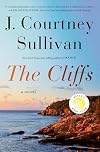
I was expecting a gothic tale about a spooky house on a cliff.
While there WAS a haunted house at the center of this novel, The Cliffs to me was more of a modern dysfunctional family story, wrapped around a surprising good treatise on viewing history through various lenses and how being a historian is not an exact science.
I think I enjoyed that aspect more than the unfulfilling ghost story I felt I was promised, but which sort of petered out in the end.
The backstories of several of the show more "ghosts" garnered more sympathy from me that the main characters self-destructive behaviors.
Now I want to go and visit Maine. show less
While there WAS a haunted house at the center of this novel, The Cliffs to me was more of a modern dysfunctional family story, wrapped around a surprising good treatise on viewing history through various lenses and how being a historian is not an exact science.
I think I enjoyed that aspect more than the unfulfilling ghost story I felt I was promised, but which sort of petered out in the end.
The backstories of several of the show more "ghosts" garnered more sympathy from me that the main characters self-destructive behaviors.
Now I want to go and visit Maine. show less
Lists
Books Read 2026 (1)
Must-Read Maine (1)
Summer Books (1)
Netgalley Reads (2)
Read with Jenna (1)
To Read (2)
Awards


You May Also Like


Associated Authors
Statistics
- Works
- 11
- Also by
- 1
- Members
- 5,005
- Popularity
- #5,006
- Rating
- 3.5
- Reviews
- 280
- ISBNs
- 119
- Languages
- 6
- Favorited
- 4