
Andrei D. Sakharov (1) (1921–1989)
Author of Memoirs
For other authors named Andrei D. Sakharov, see the disambiguation page.
Works by Andrei D. Sakharov
Wie ich mir die Zukunft vorstelle. Gedanken über Fortschritt, friedliche Koexistenz und geistige Freiheit (1973) — Author — 9 copies
Sakharovs stemme 2 copies
Associated Works
Tagged
Common Knowledge
- Other names
- SAKHAROV, Andrei Dmitrievich
SAKHAROV, Andrei - Birthdate
- 1921-05-21
- Date of death
- 1989-12-14
- Gender
- male
- Education
- Moscow State University
- Occupations
- nuclear physicist
dissident
Nobel laureate
activist for disarmament, peace and human rights - Awards and honors
- Nobel Peace Prize in 1975
- Relationships
- Bonner, Elena (wife)
- Nationality
- Rusland
- Birthplace
- Moscow, Russia
- Place of death
- Moscow, Russia
- Map Location
- Russia
- Associated Place (for map)
- Moscow, Russia
Members
Reviews
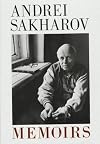
He was the father of the Soviet hydrogen bomb, who used his preeminence to become the leading Soviet dissident (though he objected to the term “dissident” on grounds that I’m not quite sure I grasp). This memoir covers his life up through the end of his internal exile in Gorky (since reverted to the original name, Nizhny Novgorod) in 1986. He died in December 1989.
There was a fair amount of rather dense science and physics in parts, which I passed over quickly.
Sakharov was very brave, show more but his wife and partner in human rights activism Elena Bonner was crazy-brave. For instance, a big part of dissident work in the Soviet Union was attending show trials to support the unjustly accused and be a witness to the injustice, so Sakharov and Bonner were constantly traveling around the Soviet Union to sit in courtroom galleries packed with KGB thugs. The KGB men were there to take up space, to intimidate people, and to cheer and applaud as harsh and pre-determined verdicts were announced, including in one instance recounted in the book a death sentence handed down on December 25, 1970, to Mark Dymshits and Eduard Kuznetsov, Refuseniks who plotted to steal a civilian airplane and fly it to Israel:
"As the death sentences were announced, the KGB agents and other “spectators” broke into loud applause. [Bonner] began shouting furiously: 'Fascists! Only fascists would applaud a death sentence!' The clapping stopped at once."
P. 323. (International pressure resulted in the commutation of those sentences. Both eventually made it to Israel, where Dymshits recently died and Kuznetsov still lives.)
Read Elena Bonner’s obituary from 2011.
The passages about Solzhenitsyn were particularly interesting. The two disagreed about several major issues, and were not afraid to criticize each other. But each respected the place of the other.
“Academician” is a great title, and sadly not in general use in the West. If any of my correspondents from the academic world wish to be referred to as “Academician” let me know and I will do so. show less
There was a fair amount of rather dense science and physics in parts, which I passed over quickly.
Sakharov was very brave, show more but his wife and partner in human rights activism Elena Bonner was crazy-brave. For instance, a big part of dissident work in the Soviet Union was attending show trials to support the unjustly accused and be a witness to the injustice, so Sakharov and Bonner were constantly traveling around the Soviet Union to sit in courtroom galleries packed with KGB thugs. The KGB men were there to take up space, to intimidate people, and to cheer and applaud as harsh and pre-determined verdicts were announced, including in one instance recounted in the book a death sentence handed down on December 25, 1970, to Mark Dymshits and Eduard Kuznetsov, Refuseniks who plotted to steal a civilian airplane and fly it to Israel:
"As the death sentences were announced, the KGB agents and other “spectators” broke into loud applause. [Bonner] began shouting furiously: 'Fascists! Only fascists would applaud a death sentence!' The clapping stopped at once."
P. 323. (International pressure resulted in the commutation of those sentences. Both eventually made it to Israel, where Dymshits recently died and Kuznetsov still lives.)
Read Elena Bonner’s obituary from 2011.
The passages about Solzhenitsyn were particularly interesting. The two disagreed about several major issues, and were not afraid to criticize each other. But each respected the place of the other.
“Academician” is a great title, and sadly not in general use in the West. If any of my correspondents from the academic world wish to be referred to as “Academician” let me know and I will do so. show less

Andrei Sakharov was a thoroughly admirable physicist from the Soviet Union who worked hard for the cause of peace and freedom, which naturally earned him the emnity of his leaders. He was imprisoned, and later banished, and continued his campaign from abroad. This book is a series of articles and essays on the subjects of coexistence, peace and freedom. It's sad that he died before seeing much of what he had hoped for come to pass.
Mentions Lithuania: quotes "There will be a Lithuania, but there will be no Lithuanians."
Lists
Awards

You May Also Like


Associated Authors
Statistics
- Works
- 14
- Also by
- 3
- Members
- 565
- Popularity
- #44,254
- Rating
- 3.7
- Reviews
- 3
- ISBNs
- 62
- Languages
- 10
- Favorited
- 2
