
Ayọ̀bámi Adébáyọ̀
Author of Stay with Me
About the Author
Image credit: Ventures Africa
Works by Ayọ̀bámi Adébáyọ̀
Associated Works
New Daughters of Africa: An International Anthology of Writing by Women of African Descent (2019) — Contributor — 117 copies, 1 review
Of This Our Country: Acclaimed Nigerian Writers on the Home, Identity, and Culture They Know (2021) — Contributor — 21 copies
Tagged
Common Knowledge
- Legal name
- Adébáyọ̀, Ayọ̀bámi
- Other names
- Adebayo, Ayobami
- Birthdate
- 1988-01-29
- Gender
- female
- Education
- Obafemi Awolowo University, Nigeria
- Relationships
- Iduma, Emmanuel (husband)
- Short biography
- Ayobami Adebayo was born in Lagos, Nigeria, shortly after, her family moved to Ilesa and then to Ile-Ife, where she spent most of her childhood in the University Staff Quarters of Obafemi Awolowo University.[2][3] She studied at Obafemi Awolowo University, earning BA and MA degrees in Literature in English, and in 2014 she went to study Creative Writing (MA Prose fiction) at the University of East Anglia, where she was awarded an International Bursary.[4][5] She has also studied with Chimamanda Ngozi Adichie and Margaret Atwood.Adebayo has been a writer in residence at Ledig House Omi, Hedgebrook, Sinthian Cultural Institute, Ox-Bow School of Art, Siena Art Institute, and Ebedi Hills.[17][18] She was shortlisted for the Miles Morland Scholarship in 2014 and 2015
- Nationality
- Nigeria
- Birthplace
- Lagos, Nigeria
- Associated Place (for map)
- Lagos, Nigeria
Members
Reviews
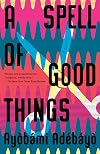
I finished A Spell of Good Things, which really impressed me. Set in a province in Nigeria, it focusses on two families, one well-to-do, the other struggling just to find food for a family of four. One of the two main characters, Eniola, is the teenaged son of the poor family. His father has lost his job as a teacher because of imposed job cuts—the family now has no income. The other main character is Wuraola, a young doctor on her first exhausting hospital service. Her demanding show more boyfriend, Kunle, only makes her busy life more impossible. Kunle’s family is close friends with Wuraola’s, and his father is planning a run for governor of the province. And then there is his opponent, a ruthless, Mafia sort of politician, who would prefer to run unopposed. This novel really develops into a page turner that leads to a shocking conclusion. Political corruption and violence, an underfunded education system whose methods of discipline reminded me of Dickens, abuse of women—all of these issues are present in the world of the novel. Its characters are believably developed; I was able to sympathize with many of them. And its plot kept me reading well past midnight the day I finished it.
I liked this book very much, and I’ve now added Adebayo’s earlier novel Stay with Me to my TBR. I’ve not read any other books on the Booker long list, but I wouldn’t be surprised if…. show less
I liked this book very much, and I’ve now added Adebayo’s earlier novel Stay with Me to my TBR. I’ve not read any other books on the Booker long list, but I wouldn’t be surprised if…. show less
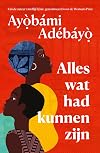
'Alles wat had kunnen zijn’ is de tweede roman van Ayọ̀bámi Adébáyọ̀ en het eerste ‘Boek van de maand’ bij Hebban, wat grote verwachtingen schept. Het stond op de longlist van de Booker Prize 2023 en werd uit het Engels vertaald door Elvira Veenings. Nigeria en bij uitbreiding het hele Afrikaanse continent is voor mij onbekend terrein. Met open vizier treed ik dit avontuur tegemoet.
De cover valt op met zijn felle kleuren en twee gestileerde personen die heel dicht bij elkaar show more komen, maar elkaar niet lijken te zien of niet willen zien: symbolen voor rijk en arm in Nigeria, waartussen een immense kloof gaapt die door het corrupte systeem uitgediept wordt. Als Adébáyọ van haar vaste route door Ifè afwijkt en de beelden uit de sloppenwijk op haar netvlies gebrand blijven, wordt haar roman geboren. Ze is geschokt en probeert zich in te leven in een voor haar onbekende kant van Nigeria. Hoe breek je uit die vicieuze cirkel?
De opbouw maakt zo’n cirkelbeweging met een proloog en epiloog, waarin de gedachten van Caro over de verkiezingen aan bod komen. Dezelfde persoon na verloop van tijd op dezelfde plaats. Alles lijkt hetzelfde en toch is niets nog hetzelfde na alles wat er is gebeurd. In vier grote delen, voorzien van een geheimzinnige titel en een bijhorend citaat en onderverdeeld in korte hoofdstukken, leren we de rijke arts in opleiding Wúràọlá en haar familie en de arme student Eniolá en zijn familie kennen.
Wat is verantwoordelijk voor die gapende kloof tussen arm en rijk in Nigeria? Adébáyọ beschrijft niet alleen hoe het corrupte systeem dit in de hand werkt, maar tekent eveneens minutieus, hoe de Nigerianen in hun eeuwenoude tradities vastgeroest zitten. ‘Alles wat had kunnen zijn’ vertrekt uit deze hoofdthema’s, maar kijkt verder.
Via Yéyé glijdt je terug in de tijd en krijg je inzicht in het belang van het huwelijk, zelfs al is haar dochter Wúràọlá bijna als arts afgestudeerd. Aan de andere kant zie je Eniolá hopen op een kwalitatieve opleiding, wat in Nigeria helemaal geen evidentie is. Zeker niet als zijn vader door een hervorming zijn job en al zijn energie verliest. Iyá Eniolá (Eniolá’s moeder) blijft niet bij de pakken zitten en vecht als een leeuwin, maar kan de bedelstaf niet afwenden. Zowel de sterkte als de mishandeling van de vrouw, depressiviteit, onderwijs als hoop op een betere toekomst zijn secundaire thema’s. De zus van Wúràọlá én die van Eniolá rebelleren tegen wat van hen verwacht wordt, maar het is uiteindelijk Eniolá die dé dominosteen doet omvallen, nadat het verhaal rustig alle andere dominosteentjes had klaargezet.
Het leven in Nigeria bekijk je vanuit verschillende perspectieven. Op die manier krijg je een gedetailleerd beeld en kan je je een levenswijze proberen voor te stellen die heel erg van de onze afwijkt. Toch zijn er ook universele zaken zoals het huiselijk geweld. Alles is in eenvoudige bewoordingen weergegeven en enkel de onvertaalde stukken uit het Yoruba doen de wenkbrauwen fronsen. Nochtans zijn die exotische namen zo poëtisch zoals Wúràọlá ‘gouden overvloed’ betekent. Geen ingewikkelde stijlfiguren, maar wel enkele mooie beelden:
‘De tijd was meedogenloos, hij stopte niet, zelfs niet om mensen de kans te geven zichzelf van de vloer te schrapen als ze verbrijzeld waren.’
‘Pas achteraf was hij (Eniolá) in staat om te bedenken dat die aanwezigheid niets anders kon zijn dan zijn eigen angst die, groter geworden dan zijn lichaam kon bevatten, naar buiten golfde om hem als een tweede schaduw te achtervolgen in het gras.’
Adébáyọ beschrijft de schrijnende wantoestanden zonder een oordeel te vellen of een oplossing aan te bieden en laat het einde open. Wat als er in een olieproducerend land zelfs voor een ziekenhuis niet genoeg elektriciteit is? Corruptie en tradities zitten zodanig in het leven van de Nigerianen verweven, zoals de afbeelding van de politiekers in de ankara-stof die ze als aalmoes tijdens hun campagne uitdelen, dat het kluwen moeilijk te ontwarren is. Vele personages wachten te lang om stappen te ondernemen en willen dan plots met te grote stappen vooruit. Ga nooit af op een fata morgana, maar blijf ook niet werkloos toezien. Ze houdt haar landgenoten een spiegel voor. Wie durft er in deze spiegel te kijken? show less
De cover valt op met zijn felle kleuren en twee gestileerde personen die heel dicht bij elkaar show more komen, maar elkaar niet lijken te zien of niet willen zien: symbolen voor rijk en arm in Nigeria, waartussen een immense kloof gaapt die door het corrupte systeem uitgediept wordt. Als Adébáyọ van haar vaste route door Ifè afwijkt en de beelden uit de sloppenwijk op haar netvlies gebrand blijven, wordt haar roman geboren. Ze is geschokt en probeert zich in te leven in een voor haar onbekende kant van Nigeria. Hoe breek je uit die vicieuze cirkel?
De opbouw maakt zo’n cirkelbeweging met een proloog en epiloog, waarin de gedachten van Caro over de verkiezingen aan bod komen. Dezelfde persoon na verloop van tijd op dezelfde plaats. Alles lijkt hetzelfde en toch is niets nog hetzelfde na alles wat er is gebeurd. In vier grote delen, voorzien van een geheimzinnige titel en een bijhorend citaat en onderverdeeld in korte hoofdstukken, leren we de rijke arts in opleiding Wúràọlá en haar familie en de arme student Eniolá en zijn familie kennen.
Wat is verantwoordelijk voor die gapende kloof tussen arm en rijk in Nigeria? Adébáyọ beschrijft niet alleen hoe het corrupte systeem dit in de hand werkt, maar tekent eveneens minutieus, hoe de Nigerianen in hun eeuwenoude tradities vastgeroest zitten. ‘Alles wat had kunnen zijn’ vertrekt uit deze hoofdthema’s, maar kijkt verder.
Via Yéyé glijdt je terug in de tijd en krijg je inzicht in het belang van het huwelijk, zelfs al is haar dochter Wúràọlá bijna als arts afgestudeerd. Aan de andere kant zie je Eniolá hopen op een kwalitatieve opleiding, wat in Nigeria helemaal geen evidentie is. Zeker niet als zijn vader door een hervorming zijn job en al zijn energie verliest. Iyá Eniolá (Eniolá’s moeder) blijft niet bij de pakken zitten en vecht als een leeuwin, maar kan de bedelstaf niet afwenden. Zowel de sterkte als de mishandeling van de vrouw, depressiviteit, onderwijs als hoop op een betere toekomst zijn secundaire thema’s. De zus van Wúràọlá én die van Eniolá rebelleren tegen wat van hen verwacht wordt, maar het is uiteindelijk Eniolá die dé dominosteen doet omvallen, nadat het verhaal rustig alle andere dominosteentjes had klaargezet.
Het leven in Nigeria bekijk je vanuit verschillende perspectieven. Op die manier krijg je een gedetailleerd beeld en kan je je een levenswijze proberen voor te stellen die heel erg van de onze afwijkt. Toch zijn er ook universele zaken zoals het huiselijk geweld. Alles is in eenvoudige bewoordingen weergegeven en enkel de onvertaalde stukken uit het Yoruba doen de wenkbrauwen fronsen. Nochtans zijn die exotische namen zo poëtisch zoals Wúràọlá ‘gouden overvloed’ betekent. Geen ingewikkelde stijlfiguren, maar wel enkele mooie beelden:
‘De tijd was meedogenloos, hij stopte niet, zelfs niet om mensen de kans te geven zichzelf van de vloer te schrapen als ze verbrijzeld waren.’
‘Pas achteraf was hij (Eniolá) in staat om te bedenken dat die aanwezigheid niets anders kon zijn dan zijn eigen angst die, groter geworden dan zijn lichaam kon bevatten, naar buiten golfde om hem als een tweede schaduw te achtervolgen in het gras.’
Adébáyọ beschrijft de schrijnende wantoestanden zonder een oordeel te vellen of een oplossing aan te bieden en laat het einde open. Wat als er in een olieproducerend land zelfs voor een ziekenhuis niet genoeg elektriciteit is? Corruptie en tradities zitten zodanig in het leven van de Nigerianen verweven, zoals de afbeelding van de politiekers in de ankara-stof die ze als aalmoes tijdens hun campagne uitdelen, dat het kluwen moeilijk te ontwarren is. Vele personages wachten te lang om stappen te ondernemen en willen dan plots met te grote stappen vooruit. Ga nooit af op een fata morgana, maar blijf ook niet werkloos toezien. Ze houdt haar landgenoten een spiegel voor. Wie durft er in deze spiegel te kijken? show less
Yetide and her husband Akin are a middle-class couple living in Nigeria in the 1980s. He works in a bank, she runs her own hairdressing salon. They apparently have a happy marriage. But they (or more particularly, Yetide) are under great pressure from Akin’s mother because they do not have a child. They have both grown up in polygamous households and she persuades Akin to take a second wife.
Yetide is a wonderful character, alternately beautiful and strong, and isolated and bullied. Her own show more mother died in childbirth and she was ostracised by her husband’s other wives. By contrast, she adores Akin’s mother and this makes it harder for her to stand up to her. These experiences compound her own feelings about not being able to have a child and the lengths she is willing to go.
The narration switches between Yetide and Akin’s points of view as we see the strain their changed relationship places on them. You get a powerful sense of the conflicting pressures on them and the importance of family. I also enjoyed the details of their daily life. The minor characters are brilliantly drawn and there is warmth and humour entwined with darker moments. The increasing sense of threat from political events entwines with their personal story.
I did have some issues with the latter part of the book. First we have Yetide’s perspective on a key event, then it doubles back to give us Akin’s. This doesn’t tell you anything you couldn’t have worked out, and slows the story down just when the tension should be rising. I also struggled with the plausibility of some elements of the plot and the end was a little predictable. But despite these reservations, it was a fascinating insight into Nigerian life and the conflict between the ideal of motherhood and the reality.
*
I received a copy of Stay with Me from the publisher via Netgalley.
This review first appeared on my blog https://katevane.wordpress.com/ show less
Yetide is a wonderful character, alternately beautiful and strong, and isolated and bullied. Her own show more mother died in childbirth and she was ostracised by her husband’s other wives. By contrast, she adores Akin’s mother and this makes it harder for her to stand up to her. These experiences compound her own feelings about not being able to have a child and the lengths she is willing to go.
The narration switches between Yetide and Akin’s points of view as we see the strain their changed relationship places on them. You get a powerful sense of the conflicting pressures on them and the importance of family. I also enjoyed the details of their daily life. The minor characters are brilliantly drawn and there is warmth and humour entwined with darker moments. The increasing sense of threat from political events entwines with their personal story.
I did have some issues with the latter part of the book. First we have Yetide’s perspective on a key event, then it doubles back to give us Akin’s. This doesn’t tell you anything you couldn’t have worked out, and slows the story down just when the tension should be rising. I also struggled with the plausibility of some elements of the plot and the end was a little predictable. But despite these reservations, it was a fascinating insight into Nigerian life and the conflict between the ideal of motherhood and the reality.
*
I received a copy of Stay with Me from the publisher via Netgalley.
This review first appeared on my blog https://katevane.wordpress.com/ show less
This book took me through every emotion—hope, admiration, anger, heartbreak, frustration, and even disgust. Adébáyọ̀’s writing completely pulled me in, and I just couldn’t put it down. I had both the ebook and audiobook from the library and when I wasn’t reading, I was thinking about it. I finished the book in 2 days!
This book gives a great glimpse into Nigeria’s culture, traditions, and family dynamics—some of which are actually pretty similar to my own society. It made it show more easy for me to relate to what the characters were going through.
Stay with Me starts as a love story but quickly dives into darker themes like toxic masculinity, cultural pressures, and the intense struggles around motherhood. Infertility and its mental toll is the central theme, which could be triggering for some readers.
Yejide is a complex character who faces immense pressure to have children in a society that blames infertility solely on women and defines womanhood by motherhood.
As the story unfolds, her husband's secrets, the stress of infertility, and societal pressure push Yejide to her breaking point. She grapples with both imagined and real pregnancies, shifting from the isolation of being childless to the trauma of loss, ultimately shutting down emotionally and leaving Akin behind. Adébáyọ̀’s portrayal of Nigerian culture stands out, showing how tradition often gaslights women into silence and sacrifices.
Set against Nigeria’s political chaos from the 1980s to 2008, I think the novel beautifully contrasts public unrest with the characters' private struggles.
The storytelling is smooth and engaging. I like how Adébáyọ̀ sort of skips long descriptions and just dives right into the drama and dialogue, making the book feel sharp and to the point.
There are a few reasons why I couldn't give this book 5 stars.First, it's hard to believe that a university-educated grown woman who has access to a library to look for sickle cell disease is completely clueless about basic human reproductive physiology and is unable to suspect and look up impotence. Second, has NO ONE ever heard of artificial insemination? Not even the brilliant doctors treating Akin's condition? I am totally disgusted by the solution he came up with!!! And finally, how easily did Akin get away from both murder and attempted murder? He deserved punishment! I felt the ending was unfair to Yijide.
This book really drew me in and shook me. I get that people are willing to sacrifice a lot to have a child—and that’s totally their right—but crossing certain lines just feels wrong. Some mistakes come with a cost that can make us lose ourselves and our ability to love and care as human beings.
This book is great for readers who enjoy thought-provoking literary fiction, especially those interested in Nigerian culture. It may resonate with anyone navigating issues of fertility and identity, but be aware that it includes sensitive topics like infertility, terminal illness, death, and mental health, which might be triggering for some. show less
This book gives a great glimpse into Nigeria’s culture, traditions, and family dynamics—some of which are actually pretty similar to my own society. It made it show more easy for me to relate to what the characters were going through.
Stay with Me starts as a love story but quickly dives into darker themes like toxic masculinity, cultural pressures, and the intense struggles around motherhood. Infertility and its mental toll is the central theme, which could be triggering for some readers.
Yejide is a complex character who faces immense pressure to have children in a society that blames infertility solely on women and defines womanhood by motherhood.
As the story unfolds, her husband's secrets, the stress of infertility, and societal pressure push Yejide to her breaking point. She grapples with both imagined and real pregnancies, shifting from the isolation of being childless to the trauma of loss, ultimately shutting down emotionally and leaving Akin behind. Adébáyọ̀’s portrayal of Nigerian culture stands out, showing how tradition often gaslights women into silence and sacrifices.
Set against Nigeria’s political chaos from the 1980s to 2008, I think the novel beautifully contrasts public unrest with the characters' private struggles.
The storytelling is smooth and engaging. I like how Adébáyọ̀ sort of skips long descriptions and just dives right into the drama and dialogue, making the book feel sharp and to the point.
There are a few reasons why I couldn't give this book 5 stars.
This book really drew me in and shook me. I get that people are willing to sacrifice a lot to have a child—and that’s totally their right—but crossing certain lines just feels wrong. Some mistakes come with a cost that can make us lose ourselves and our ability to love and care as human beings.
This book is great for readers who enjoy thought-provoking literary fiction, especially those interested in Nigerian culture. It may resonate with anyone navigating issues of fertility and identity, but be aware that it includes sensitive topics like infertility, terminal illness, death, and mental health, which might be triggering for some. show less
Lists
Awards


You May Also Like


Associated Authors
Statistics
- Works
- 2
- Also by
- 5
- Members
- 1,829
- Popularity
- #14,064
- Rating
- 4.2
- Reviews
- 94
- ISBNs
- 61
- Languages
- 11