
Etaf Rum
Author of A Woman Is No Man
About the Author
Image credit: via author's website
Works by Etaf Rum
Tagged
Common Knowledge
- Birthdate
- 1989-05-08
- Gender
- female
- Nationality
- USA
- Birthplace
- Brooklyn, New York, USA
- Places of residence
- North Carolina, USA
- Associated Place (for map)
- USA
Members
Reviews
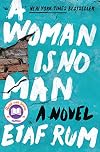
No Woman is a Man by Etaf Rum is the story of the voicelessness and despair of several Arab women living in America. The book sheds light on the Arab culture. Women were expected to have boys because girls were looked at as a dilemma and burden, while boys were a way to secure the family lineage and keep an income. “A women’s worth is measured by house, home, marriage, motherhood.” Family reputation is everything. I was angered and saddened by this “controlling and closed cultural show more world” and the women who had to live this way. All the women were powerless and had no control over their lives or their fate.
“Women were raised to believe they were worthless, shameful creatures who deserved to get beaten, who were made to depend on the men that beat them.”
The book begins with Isra. The year is 1990. Isra is seventeen years old and is shipped off America to marry a Palestine man. She is hopeful that things will be better for her as a woman in a different country. She finds herself, “displaced from home, torn between two cultures and struggling to start anew.” She ends up being ashamed to be a woman and is even more ashamed of her pathetic weakness.
Deya is one of Isra’s daughters and her story takes place in Brooklyn in 2008. Deya is a lot like her mother. “She had learned that there was a certain way she had to live, certain rules she had to follow, and that, as a woman, she would never have a legitimate claim over her own life.” Deya is at the age where it is her turn to be married. She “felt trapped by the confines of the world” and “spent her life trying to please her family, desperate for their validation and approval.” All she really wants is her freedom and the chance to find real love. “She had lived her entire life straddled between two cultures. She was neither Arab nor American. She belonged nowhere. She didn’t know who she was.” She doesn’t believe happiness is real.
Fareeda, the matriarch of this family, is Isra’s mother-in-law and Deya’s grandmother. She is distraught about how her daughter Sarah is disobedient and shuns her Arab culture. Fareeda: “Hadn’t she taught them what it meant to be tough, resilient? Hadn’t she taught them what it meant to be Arab, to always put family first? She couldn’t be blamed for their weaknesses. For this country and its low morals.” Fareeda herself has come from poverty and survived an abusive father and husband. She has accepted that, “Sadness was an inescapable part of a woman’s life.”
Sarah is the most outspoken of all the women. She refuses to be forced to marry someone she doesn’t love and she makes her feelings known to everyone, including her suitors. She becomes a friend and sister and a light in the dark for her sister-in-law Isra.
What I loved most about this story is the role that books played in these women’s lives. Books were a comfort for loneliness. Books kept them company and made them feel alive.
For Isra, books provided, “a surge of happiness.” They helped her “escape from the ordinary world.” They made her feel worthy and gave her hope.
Deya said, “Books were her only reliable sense of comfort, her only hope.” “How many people were hoping to find their story inside, desperate to understand?”
For all these women, it is safer for them to submit and be silent instead of standing up for themselves and fighting for what they want in the world. By the end of the book, there has been so much heartache that you can’t help but desperately want these women to find some sort of happiness. Will any of them be brave enough to fight for their happiness or will they continue to be tied down by the oppressive chains of their Arab culture?
“To want what you can’t have in life is the greatest pain of all.”
Loved this book and these amazing female characters. show less
“Women were raised to believe they were worthless, shameful creatures who deserved to get beaten, who were made to depend on the men that beat them.”
The book begins with Isra. The year is 1990. Isra is seventeen years old and is shipped off America to marry a Palestine man. She is hopeful that things will be better for her as a woman in a different country. She finds herself, “displaced from home, torn between two cultures and struggling to start anew.” She ends up being ashamed to be a woman and is even more ashamed of her pathetic weakness.
Deya is one of Isra’s daughters and her story takes place in Brooklyn in 2008. Deya is a lot like her mother. “She had learned that there was a certain way she had to live, certain rules she had to follow, and that, as a woman, she would never have a legitimate claim over her own life.” Deya is at the age where it is her turn to be married. She “felt trapped by the confines of the world” and “spent her life trying to please her family, desperate for their validation and approval.” All she really wants is her freedom and the chance to find real love. “She had lived her entire life straddled between two cultures. She was neither Arab nor American. She belonged nowhere. She didn’t know who she was.” She doesn’t believe happiness is real.
Fareeda, the matriarch of this family, is Isra’s mother-in-law and Deya’s grandmother. She is distraught about how her daughter Sarah is disobedient and shuns her Arab culture. Fareeda: “Hadn’t she taught them what it meant to be tough, resilient? Hadn’t she taught them what it meant to be Arab, to always put family first? She couldn’t be blamed for their weaknesses. For this country and its low morals.” Fareeda herself has come from poverty and survived an abusive father and husband. She has accepted that, “Sadness was an inescapable part of a woman’s life.”
Sarah is the most outspoken of all the women. She refuses to be forced to marry someone she doesn’t love and she makes her feelings known to everyone, including her suitors. She becomes a friend and sister and a light in the dark for her sister-in-law Isra.
What I loved most about this story is the role that books played in these women’s lives. Books were a comfort for loneliness. Books kept them company and made them feel alive.
For Isra, books provided, “a surge of happiness.” They helped her “escape from the ordinary world.” They made her feel worthy and gave her hope.
Deya said, “Books were her only reliable sense of comfort, her only hope.” “How many people were hoping to find their story inside, desperate to understand?”
For all these women, it is safer for them to submit and be silent instead of standing up for themselves and fighting for what they want in the world. By the end of the book, there has been so much heartache that you can’t help but desperately want these women to find some sort of happiness. Will any of them be brave enough to fight for their happiness or will they continue to be tied down by the oppressive chains of their Arab culture?
“To want what you can’t have in life is the greatest pain of all.”
Loved this book and these amazing female characters. show less
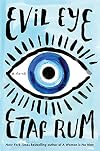
Etaf Rum’s latest work reminds us how easy it is to become stuck peering backward, imprisoned by unhealed trauma, pain and guilt. The author explores these complex issues via a touching albeit slow-paced story that examines family dysfunction over multiple generations. In the process, “Evil Eye” provides insights into Palestinian culture (talk about a timely issue.) The middle part of this novel was a bit of a slog for me. Some reviewers have mentioned vignettes that tend to be show more repetitive. My sense is that the familiar anecdotes were intentionally used to illustrate the protagonist's internal suffering. In the end, Rum delivers an impressive and thought-provoking tale that underscores valuable life lessons. show less
Some books aren't cushy reads. When you read through the story, you experience all the varying emotions from rage to helplessness to sadness to disgust. This is one such book.
The book tells the story of three women of Palestinian descent: Deya, Isra, and Fareeda. Each of a different generation, each of a different ideology, each with a different personality. Their life in Brooklyn is neither smooth nor carefree and each battles a separate demon secretly. Thus their circumstances are similar show more to a great extent but how they react to it is very different.
There are many scenes in this book that just caused me to boil in fury. Like I said, it isn't an easy book to read. You just feel like shaking some of the women characters in the hope of drilling some sense in their head. Many of the situations in the book hit too close to home, and you begin to wonder why such regressive beliefs about gender are so common in certain parts of the world, including India. I have no answer to this.
The basic concept of the book is superb. The age-old tussle between tradition and modernity, and between conservatism and liberalism is illustrated quite nicely through the story. Though the entire book is from the female perspective, it also highlights the unfair pressure on men to live up to social requirements.
Sadly, it is not a very well-written book. Though it is very interesting to read the personalised narratives from the three female voices, the book stumbles in certain parts and indulges in quite a lot of needless rhetoric. But as this is a debut work, I think I ought to be a bit more forgiving towards the author.
You'll find yourself remembering Khaled Hosseini's work, especially 'A Thousand Splendid Suns', many times in the course of reading 'A Woman is No Man'. But there's no comparison. He is a master of his art and Etaf Rum still has some way to go before she can grip the readers with her writing. Yet, this book is compelling in its own way.
Do I recommend it or not? I'm still not sure. Fabulous story, above average but not excellent writing. The story won't leave you easily. If you think you can look beyond the flaws and focus on the (unfortunately) realistic narrative, you must read it. But mind you, it is not a pleasant read. If you are grappling with depression or aren't in a frivolous mood, don't pick up this book. It can rattle your confidence in the world.
********************************************
Join me on the Facebook group, "Readers Forever!", for more reviews and other book-related discussions and fun. show less
The book tells the story of three women of Palestinian descent: Deya, Isra, and Fareeda. Each of a different generation, each of a different ideology, each with a different personality. Their life in Brooklyn is neither smooth nor carefree and each battles a separate demon secretly. Thus their circumstances are similar show more to a great extent but how they react to it is very different.
There are many scenes in this book that just caused me to boil in fury. Like I said, it isn't an easy book to read. You just feel like shaking some of the women characters in the hope of drilling some sense in their head. Many of the situations in the book hit too close to home, and you begin to wonder why such regressive beliefs about gender are so common in certain parts of the world, including India. I have no answer to this.
The basic concept of the book is superb. The age-old tussle between tradition and modernity, and between conservatism and liberalism is illustrated quite nicely through the story. Though the entire book is from the female perspective, it also highlights the unfair pressure on men to live up to social requirements.
Sadly, it is not a very well-written book. Though it is very interesting to read the personalised narratives from the three female voices, the book stumbles in certain parts and indulges in quite a lot of needless rhetoric. But as this is a debut work, I think I ought to be a bit more forgiving towards the author.
You'll find yourself remembering Khaled Hosseini's work, especially 'A Thousand Splendid Suns', many times in the course of reading 'A Woman is No Man'. But there's no comparison. He is a master of his art and Etaf Rum still has some way to go before she can grip the readers with her writing. Yet, this book is compelling in its own way.
Do I recommend it or not? I'm still not sure. Fabulous story, above average but not excellent writing. The story won't leave you easily. If you think you can look beyond the flaws and focus on the (unfortunately) realistic narrative, you must read it. But mind you, it is not a pleasant read. If you are grappling with depression or aren't in a frivolous mood, don't pick up this book. It can rattle your confidence in the world.
********************************************
Join me on the Facebook group, "Readers Forever!", for more reviews and other book-related discussions and fun. show less
In this new "woke" world, there's a lot of emphasis on understanding and validating the realities of other races, genders, and cultures. As illuminating as this undertaking may be, however, it's rarely comfortable, and "uncomfortable" is definitely how this book left me feeling towards the slice of Palestinian culture that A Women is No Man explores.
One instinctively wants to respect (or at least understand) the mores of other cultures, no matter how different than ours; one instinctively show more guards against the impulse to believe that one's own cultural mores are somehow superior to others. But, Holy Cow, I'm having a hard time - not just as a woman, but as a human - accepting that there is anything dignified, justified, or moral about a system that doesn't just strip women of their rights/pride/joy/humanity, but appears to strip *everyone* of their rights/pride/joy/humanity by the time it is done ravaging families.
As the reader will already understand from the blurb at the back of the book, this tale centers around the experiences of two families that have fairly recently emigrated from Palestine. However, this story rarely ventures beyond the kitchen doors of the houses where our protagonists dwell, as the narrative purpose of placing the tale in the U.S. seems mostly to allow the author to explore the brutal contrast between American and Palestinian concepts of family honor, gender roles, and personal freedom.
The contrast is indeed brutal, for in Rum's Palestine, daughters serve no other purpose than to marry, service their husbands, and raise sons; sons serve no other purpose than to protect their family honor, even if this means sacrificing their dreams or engaging in acts of brutality; and the apparent duty mothers/mother-in-laws is to ensure that new generations perpetuate this soul-crushing tradition, no matter what sacrifices are required.
The result of this system, Rum wishes us to see, is a system of ever-widening cycles of shame: mothers who cannot love their own children because they themselves feel unworthy of love; husbands who beat their wives because their culture considers them weak if they don’t; daughters whose only escape is through reading, even though the books they read exacerbate the shame they feel over their passive roles; sons who are so beholden “preserving family honor” that they destroy their own happiness pursuing lives they loath; mothers and mothers-in-law who dare not question the system they have sacrificed so much to preserve, lest humiliation and self-revulsion shatter them.
I realize I have yet to talk about the book itself, which I suppose I would recommend to others, though not without a warning about the bleakness of the content beforehand. Rum’s writing style stays out of the way of the story she is telling. The tale itself is a small but meandering one, told by a variety of narrators, a construct which encourages readers to view story cycles from multiple perspectives. If one experiences feelings of frustration or impatience at the choices that some of the characters here make, the fault is not Rum’s for failing to provide ample and authentic context.
One understands that immigrants fleeing to a new country might, in their desolation, cling to familiar customs and traditions– perhaps even to the point where those traditions become perverted and destructive rather than constructive. But I’m having a hard time understanding how the system described here was *ever* constructive. What purpose is served by a system that forces people to marry without love? That transforms women into creatures so brainless and quiet, they cannot possibly be satisfactory companions or helpmeets? That forces men to sacrifice their happiness in order to preserve a warped and indefensible definition of “family honor”? I’ve been working hard to police myself to accept the traditions of other cultures without judging them, but in this case I may have to make an exception. show less
One instinctively wants to respect (or at least understand) the mores of other cultures, no matter how different than ours; one instinctively show more guards against the impulse to believe that one's own cultural mores are somehow superior to others. But, Holy Cow, I'm having a hard time - not just as a woman, but as a human - accepting that there is anything dignified, justified, or moral about a system that doesn't just strip women of their rights/pride/joy/humanity, but appears to strip *everyone* of their rights/pride/joy/humanity by the time it is done ravaging families.
As the reader will already understand from the blurb at the back of the book, this tale centers around the experiences of two families that have fairly recently emigrated from Palestine. However, this story rarely ventures beyond the kitchen doors of the houses where our protagonists dwell, as the narrative purpose of placing the tale in the U.S. seems mostly to allow the author to explore the brutal contrast between American and Palestinian concepts of family honor, gender roles, and personal freedom.
The contrast is indeed brutal, for in Rum's Palestine, daughters serve no other purpose than to marry, service their husbands, and raise sons; sons serve no other purpose than to protect their family honor, even if this means sacrificing their dreams or engaging in acts of brutality; and the apparent duty mothers/mother-in-laws is to ensure that new generations perpetuate this soul-crushing tradition, no matter what sacrifices are required.
The result of this system, Rum wishes us to see, is a system of ever-widening cycles of shame: mothers who cannot love their own children because they themselves feel unworthy of love; husbands who beat their wives because their culture considers them weak if they don’t; daughters whose only escape is through reading, even though the books they read exacerbate the shame they feel over their passive roles; sons who are so beholden “preserving family honor” that they destroy their own happiness pursuing lives they loath; mothers and mothers-in-law who dare not question the system they have sacrificed so much to preserve, lest humiliation and self-revulsion shatter them.
I realize I have yet to talk about the book itself, which I suppose I would recommend to others, though not without a warning about the bleakness of the content beforehand. Rum’s writing style stays out of the way of the story she is telling. The tale itself is a small but meandering one, told by a variety of narrators, a construct which encourages readers to view story cycles from multiple perspectives. If one experiences feelings of frustration or impatience at the choices that some of the characters here make, the fault is not Rum’s for failing to provide ample and authentic context.
One understands that immigrants fleeing to a new country might, in their desolation, cling to familiar customs and traditions– perhaps even to the point where those traditions become perverted and destructive rather than constructive. But I’m having a hard time understanding how the system described here was *ever* constructive. What purpose is served by a system that forces people to marry without love? That transforms women into creatures so brainless and quiet, they cannot possibly be satisfactory companions or helpmeets? That forces men to sacrifice their happiness in order to preserve a warped and indefensible definition of “family honor”? I’ve been working hard to police myself to accept the traditions of other cultures without judging them, but in this case I may have to make an exception. show less
Lists
Awards


You May Also Like


Statistics
- Works
- 3
- Members
- 2,463
- Popularity
- #10,404
- Rating
- 4.0
- Reviews
- 86
- ISBNs
- 46
- Languages
- 6
- Favorited
- 1