
Don Lee (1) (1959–)
Author of Country of Origin
For other authors named Don Lee, see the disambiguation page.
About the Author
Don Lee lives in Boston, where he is the editor of the literary journal Ploughshares.
Works by Don Lee
The Price of Eggs In China 1 copy
Associated Works
Hint Fiction: An Anthology of Stories in 25 Words or Fewer (2010) — Contributor — 147 copies, 26 reviews
Charlie Chan Is Dead 2: At Home in the World: An Anthology of Contemporary Asian-American Fiction (2004) — Contributor — 97 copies, 1 review
Eat Joy: Stories and Comfort Food from 31 Celebrated Writers (2019) — Contributor — 84 copies, 3 reviews
Tagged
Common Knowledge
- Birthdate
- 1959
- Gender
- male
- Education
- University of California, Los Angeles (BA ∙ English Literature)
Emerson College (MFA ∙ Creative Writing) - Nationality
- USA
- Places of residence
- Tokyo, Japan
Seoul, South Korea
Los Angeles, California, USA
Kalamazoo, Michigan, USA - Associated Place (for map)
- USA
Members
Reviews
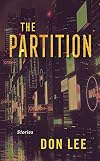
Just finished my advance copy of The Partition by Don Lee. It's short stories that explore Asian American identity. The reason I like them so much is because the characters are so flawed and real. I even sort of hated the main character in one of the stories. She was a piece of work, but I loved that the writing stirred those feelings in me.
It ends in a three-cycle story about an actor, which brought up a lot of the issues in the industry surrounding actors of color. In the very last one show more the actor wonders about his purpose in life which I found to be genuine and relatable.
Definitely recommend to those who enjoy short stories. show less
It ends in a three-cycle story about an actor, which brought up a lot of the issues in the industry surrounding actors of color. In the very last one show more the actor wonders about his purpose in life which I found to be genuine and relatable.
Definitely recommend to those who enjoy short stories. show less
 This review was written for LibraryThing Early Reviewers.
Late in the Day - A up and coming Asian filmmaker is disappointed in his career when his indie movie receives backlash for not being sufficiently "Asian". While he is riding what he doesn't realize will be the high point of his career, he meets a vivacious young woman with whom he spends a memorable night of passion. Later, after he has debased himself professionally, he meets her again. She has been struggling with her health and is much diminished, but he finds comfort in her company show more during an extremely difficult evening.
Commis - A young Asian woman goes home to Missouri during the 2020 pandemic to help her parents close down their Chinese food restaurant. She had to leave home following a disastrous relationship with a married man that ended up shaming her family in their small community. She'd managed to carve our a promising culinary career in Philadelphia but with her job on indefinite hold, she has time to reconnect with her family. Being home is bring up all sorts of issues and she meditates upon her past, her parent's future, and her own questions about what's important in life and work.
The Partition - A young academic, Ingrid, with moderate aspirations has found a comfortable position at a well-endowed small, private university. She loves teaching and her students love her and in a bid to attain a tenure track position, she translates a Korean novel about a woman who murders her husband and feeds his body to strangers. Ingrid's translation is met with strong reviews and she is very close to receiving the position she feels that she's earned when a late review from a Korean professor accuses her of making deliberate changes to the novel in addition to a number of careless errors. It's true that the Ingrid isn't very fluent in Korean, and it is true, if she's honest with herself, that she did make a number of bold changes to the plot, but she also believes she's made it better. Her career is on the verge of total collapse when she is contacted by the book's original author, Sun-mi, wants to meet. Ingrid assumes Sun-mi just wants to yell at her, but agrees meet the author in a small town in Texas. However, Sun-mi makes a surprising proposal: that she will accept the translation and work with Ingrid on her next book if the two find they can respect each other. After a few days in Texas together, they reach an accord and find common ground despite their differences.
Confidants - The protagonist is in a committed relationship with a woman named Kate whom he believes is too good for him. His base insecurities are only exacerbated when a shared acquaintance tells him that she believes Kate is having an affair with an old flame. Kate's old lover is rich and sexy which only leads the protagonist to deeper paranoid suspicions. After stalking him for a few days, he ends up confronting him in the parking lot of his gym, threatening him with a gun. Naturally Kate dumps him after that and won't even tell him if she actually was having an affair. Later, he takes up with the gossip and Kate is back with her old lover.
Years Later - A beautiful young woman spends some time in Japan where she makes a spicy love connection with a young man. The whole is told from the perspective of hindsight, as the two grow apart, change, and eventually lose touch entirely. But neither of them will forget the connection they once had for a brief moment in Japan, although they will eventually forget what it means.
UFOs - A chilling story about an up and coming television news reporter struggling to mold herself into the ideal lead anchor. Her ethnicity is a challenge of course, but through careful plastic surgery she has been able to muddy the waters and appear less Asian than she truly is. Her love life is always busy, if unfulfilling, and despite the ambulance-chasing nature of her job which results in many ghoulish moments, she's successful. Eventually, the tragic death of a young mother triggers her own memories of her mother's suicide which leads her to cross the line morally while interviewing the daughter of the deceased. As a consequence she ends one relationship with an Asian man she can't help but pity even though he's very nice and is rejected by the married white man she's also sleeping with. Despite all this, she ends up landing her dream job and moving to London where she continues to have surgeries and tells herself she's perfectly happy.
The Sanno - A horny teenager has recently relocated to Japan for his father's government job. His parent's marriage is strained and his childhood has been rough as they move around every year or so. But here, in Japan, he's found a girl that seems to like him and he has dedicated himself to losing his virginity with her. They make out a lot, but eventually she catches on that he's not interested in her in any way other than sexually. Faking a passion for one of her favorite musicians, he manages to get tickets to a concert, procures drugs and intends to consummate their relationship in a graveyard. She figures him out though, and leaves before he can do the deed. At the time, he thought he was in love, but in hind sight he realizes he was using her and manipulating her in a predatory way. His family soon moves and his parent's marriage falls apart.
Reenactments - A struggling actor is stuck in rural Texas shooting a B movie where he plays a silent Asian assassin in a Western/Kung Fu movie. He and his fellow leads trade racist jokes and swap stories of bigotry they've faced in the industry as well as their mostly futile attempt to avoid stereotypical roles. The protagonist swore off such roles but eventually had to capitulate to get work which is how he's wound up in this job. He only has one line, as he lays dying, and he's struggling to decide what accent to use. After the director makes an extremely inappropriate racist joke, his fellow leads urge him to sabotage his line as a way to way to strike back at the director. In the end, he can't even manage to do that, finding he truly loses his voice, only able to utter a single syllable much to the director's ire.
Days In, Days Out - This final story completes the trilogy of the final stories of the book which follow Alain, through his teens into his fifties. Having left the acting business, he's fallen into an accidental career making fancy boba tea in San Francisco. When an old flame's daughter graduates college they reconnect again. He's maintained a healthy relationship with the daughter, Beatrice, who is contemplating abandoning her spot at Harvard Med School to go full time with her band. Alain is doing a lot of soul-searching as the boba shops are trying to push him out and he's not sure where his life is going. At loose ends, he and his ex rekindle their romance and bond over their shared disappointments.
This collection of stories is beautiful and thoughtful. It provides a window into complex lives with no easy answers. Recurrent themes of racial identity, regret, self-delusion, and existential disappointment haunt the reader and lead to mournful contemplation of the bigger questions in life. I found much to contemplate in these stories and much to appreciate. show less
Commis - A young Asian woman goes home to Missouri during the 2020 pandemic to help her parents close down their Chinese food restaurant. She had to leave home following a disastrous relationship with a married man that ended up shaming her family in their small community. She'd managed to carve our a promising culinary career in Philadelphia but with her job on indefinite hold, she has time to reconnect with her family. Being home is bring up all sorts of issues and she meditates upon her past, her parent's future, and her own questions about what's important in life and work.
The Partition - A young academic, Ingrid, with moderate aspirations has found a comfortable position at a well-endowed small, private university. She loves teaching and her students love her and in a bid to attain a tenure track position, she translates a Korean novel about a woman who murders her husband and feeds his body to strangers. Ingrid's translation is met with strong reviews and she is very close to receiving the position she feels that she's earned when a late review from a Korean professor accuses her of making deliberate changes to the novel in addition to a number of careless errors. It's true that the Ingrid isn't very fluent in Korean, and it is true, if she's honest with herself, that she did make a number of bold changes to the plot, but she also believes she's made it better. Her career is on the verge of total collapse when she is contacted by the book's original author, Sun-mi, wants to meet. Ingrid assumes Sun-mi just wants to yell at her, but agrees meet the author in a small town in Texas. However, Sun-mi makes a surprising proposal: that she will accept the translation and work with Ingrid on her next book if the two find they can respect each other. After a few days in Texas together, they reach an accord and find common ground despite their differences.
Confidants - The protagonist is in a committed relationship with a woman named Kate whom he believes is too good for him. His base insecurities are only exacerbated when a shared acquaintance tells him that she believes Kate is having an affair with an old flame. Kate's old lover is rich and sexy which only leads the protagonist to deeper paranoid suspicions. After stalking him for a few days, he ends up confronting him in the parking lot of his gym, threatening him with a gun. Naturally Kate dumps him after that and won't even tell him if she actually was having an affair. Later, he takes up with the gossip and Kate is back with her old lover.
Years Later - A beautiful young woman spends some time in Japan where she makes a spicy love connection with a young man. The whole is told from the perspective of hindsight, as the two grow apart, change, and eventually lose touch entirely. But neither of them will forget the connection they once had for a brief moment in Japan, although they will eventually forget what it means.
UFOs - A chilling story about an up and coming television news reporter struggling to mold herself into the ideal lead anchor. Her ethnicity is a challenge of course, but through careful plastic surgery she has been able to muddy the waters and appear less Asian than she truly is. Her love life is always busy, if unfulfilling, and despite the ambulance-chasing nature of her job which results in many ghoulish moments, she's successful. Eventually, the tragic death of a young mother triggers her own memories of her mother's suicide which leads her to cross the line morally while interviewing the daughter of the deceased. As a consequence she ends one relationship with an Asian man she can't help but pity even though he's very nice and is rejected by the married white man she's also sleeping with. Despite all this, she ends up landing her dream job and moving to London where she continues to have surgeries and tells herself she's perfectly happy.
The Sanno - A horny teenager has recently relocated to Japan for his father's government job. His parent's marriage is strained and his childhood has been rough as they move around every year or so. But here, in Japan, he's found a girl that seems to like him and he has dedicated himself to losing his virginity with her. They make out a lot, but eventually she catches on that he's not interested in her in any way other than sexually. Faking a passion for one of her favorite musicians, he manages to get tickets to a concert, procures drugs and intends to consummate their relationship in a graveyard. She figures him out though, and leaves before he can do the deed. At the time, he thought he was in love, but in hind sight he realizes he was using her and manipulating her in a predatory way. His family soon moves and his parent's marriage falls apart.
Reenactments - A struggling actor is stuck in rural Texas shooting a B movie where he plays a silent Asian assassin in a Western/Kung Fu movie. He and his fellow leads trade racist jokes and swap stories of bigotry they've faced in the industry as well as their mostly futile attempt to avoid stereotypical roles. The protagonist swore off such roles but eventually had to capitulate to get work which is how he's wound up in this job. He only has one line, as he lays dying, and he's struggling to decide what accent to use. After the director makes an extremely inappropriate racist joke, his fellow leads urge him to sabotage his line as a way to way to strike back at the director. In the end, he can't even manage to do that, finding he truly loses his voice, only able to utter a single syllable much to the director's ire.
Days In, Days Out - This final story completes the trilogy of the final stories of the book which follow Alain, through his teens into his fifties. Having left the acting business, he's fallen into an accidental career making fancy boba tea in San Francisco. When an old flame's daughter graduates college they reconnect again. He's maintained a healthy relationship with the daughter, Beatrice, who is contemplating abandoning her spot at Harvard Med School to go full time with her band. Alain is doing a lot of soul-searching as the boba shops are trying to push him out and he's not sure where his life is going. At loose ends, he and his ex rekindle their romance and bond over their shared disappointments.
This collection of stories is beautiful and thoughtful. It provides a window into complex lives with no easy answers. Recurrent themes of racial identity, regret, self-delusion, and existential disappointment haunt the reader and lead to mournful contemplation of the bigger questions in life. I found much to contemplate in these stories and much to appreciate. show less
This review was written for LibraryThing Early Reviewers.I received advanced uncorrected proofs of this book courtesy of LibraryThing Early Reviewers and the publisher in exchange for an honest review. This does not affect my opinion of the book or the content of my review.
I am always a bit leery of literary fiction, which I tend to find tedious and dull, but I enjoyed this collection of short stories immensely. It is exactly what it says on the tin (or, at least, my copy of the tin): "an updated exploration of Asian American identity, this time show more with characters who are presumptive model minorities in the arts, academia, and media."
Identity is definitely the core motif, and the author explores every nook and cranny of the idea: everything from race and ethnicity to culture, stereotypes, sexual identity, public presentation, adoption, celebration vs suppression, fetishes. These six stories are all over the place, with different narrators, of different heritages (though with a heavy emphasis on Korean), at different places in their lives and dealing with different issues, both internal and external. I can't say I liked all of the protagonists, but each story was certainly thought provoking, opening my white eyes to invisible issues I have the privilege of not facing, at least not head-on.
My favorite stories are "Commis" - which explore the intersection of food, culture, time, and location, and the final, longer novelette, "Les hôtels d'Alain." This final work is a three-part story, where we follow the narrator, Alian Kweon, over the course of his life, from a 14-year-old adolescent CIA brat in Tokyo to a 59-year-old retired actor who runs an enterprise of boba tea in San Francisco. I liked Alian quite a bit, and found his story compelling, especially given recent conversations about when we, as adults, actually feel like adults, as opposed to children masquerading as adults. I think every has a bit of that imposter feeling when we all realize that everybody's winging it, with varying success, as we careen down the highway of life.
I really enjoyed this collection, and I felt some of the slings and arrows hitting close to home even without the baggage of being Othered by the world in general. Recommended even to those of us who shy away from literary fiction. show less
I am always a bit leery of literary fiction, which I tend to find tedious and dull, but I enjoyed this collection of short stories immensely. It is exactly what it says on the tin (or, at least, my copy of the tin): "an updated exploration of Asian American identity, this time show more with characters who are presumptive model minorities in the arts, academia, and media."
Identity is definitely the core motif, and the author explores every nook and cranny of the idea: everything from race and ethnicity to culture, stereotypes, sexual identity, public presentation, adoption, celebration vs suppression, fetishes. These six stories are all over the place, with different narrators, of different heritages (though with a heavy emphasis on Korean), at different places in their lives and dealing with different issues, both internal and external. I can't say I liked all of the protagonists, but each story was certainly thought provoking, opening my white eyes to invisible issues I have the privilege of not facing, at least not head-on.
My favorite stories are "Commis" - which explore the intersection of food, culture, time, and location, and the final, longer novelette, "Les hôtels d'Alain." This final work is a three-part story, where we follow the narrator, Alian Kweon, over the course of his life, from a 14-year-old adolescent CIA brat in Tokyo to a 59-year-old retired actor who runs an enterprise of boba tea in San Francisco. I liked Alian quite a bit, and found his story compelling, especially given recent conversations about when we, as adults, actually feel like adults, as opposed to children masquerading as adults. I think every has a bit of that imposter feeling when we all realize that everybody's winging it, with varying success, as we careen down the highway of life.
I really enjoyed this collection, and I felt some of the slings and arrows hitting close to home even without the baggage of being Othered by the world in general. Recommended even to those of us who shy away from literary fiction. show less
This review was written for LibraryThing Early Reviewers.[The Partition] by [[Don Lee]]
I enjoyed the first 3/4 of this book, but the last section of three very long stories really dragged for me. They focused more on details of situations like the Vietnam War than on the lives of individuals. Characters were the driving force behind the earlier (and much better, IMO) stories. Lee's main characters are all Asian or mixed Asian people trying to navigate society. Whether a Hawaiian boy of mixed ethnicity, son of a CIA agent, trying to navigate show more Japanese society or a Korean adoptee working her way to the top of television journalism, all were unique and all illuminated the experiences of Asian-Americans in contemporary society. Were it not for the last quarter of the book, I would have rated it higher. show less
Lists
Awards


You May Also Like


Associated Authors
Statistics
- Works
- 8
- Also by
- 6
- Members
- 589
- Popularity
- #42,597
- Rating
- 3.6
- Reviews
- 52
- ISBNs
- 32
- Languages
- 3


