
Mark Obmascik
Author of The Big Year: A Tale of Man, Nature, and Fowl Obsession
About the Author
Mark Obmascik has been a journalist for two decades, most recently at the Denver Post, where he was lead writer for the newspaper's Pulitzer Prize in 2000 and winner of the 2003 National Press Club Award for environmental journalism. His freelance stories have been published in Outside and other show more magazines, and he has aired numerous political stories on public affairs and television news programs. An obsessed birder himself, he lives in Denver with his wife and sons. show less
Works by Mark Obmascik
The Storm on Our Shores: One Island, Two Soldiers, and the Forgotten Battle of World War II (2019) 138 copies, 4 reviews
Tagged
Common Knowledge
- Birthdate
- 20th Century
- Gender
- male
- Education
- Northwestern University (BA, Journalism)
- Occupations
- journalist
- Organizations
- Denver Post
- Awards and honors
- National Press Club Award for environmental journalism (2003)
- Nationality
- USA
- Places of residence
- Denver, Colorado, USA
- Associated Place (for map)
- Colorado, USA
Members
Reviews
The Storm on Our Shores: One Island, Two Soldiers, and the Forgotten Battle of World War II by Mark Obmascik
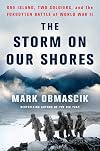
Probably many Americans couldn't find the Aleutians on a map, and Attu would only bring a blank look, so author Mark Obmascik is right on in calling the WWII fight for Attu a "forgotten battle, " in his latest book, THE STORM ON OUR SHORES. I first became aware of the Aleutian Islands in 1963, at the age of 19. I was in the Army, one of ten recruits selected for additional "special" training in Morse intercept . Otherwise, all we knew was that 5 of us would go to Shemya and the other 5 to show more Sinop. I ended up in the latter location, in remote northern Turkey. But 5 of my friends spent a year in Shemya, near the end of the chain of islands stretching from western Alaska deep into the Bering Sea towards Siberia. The Aleutians are a frigid, sparsely populated and deeply inhospitable part of our earth. My unlucky friends who spent a year there learned this quickly.
Attu is even worse. It is the farthest island and westernmost land mass of the U.S. And Obmascik paints a pretty bleak picture of this rocky mess of fog, freezing winds, mud, muskeg and mountains where one of the deadliest battles of WWII took place as U.S. forces took back that rocky atoll from dug-in Japanese troops in May 1943.
But the real heart of this historical account is the meeting of two men, Dick Laird, a soldier from the Appalachian coal country, and Paul Nabuo Tatsuguchi, a US-educated physician/medic from Tokyo. One will kill the other on the final day of the battle of Attu. But along the way, we will first get to know the life stories of these two men - their vastly different origins, childhoods and schooling, how they fell in love, married and began families. And how the war changed everything.
In addition to the personal stories, we also get a history lesson, both about Japan and the war, especially the Pacific theater, as we follow Dick Laird's subsequent battles in Kwajalein and Okinawa. We also get a small taste of the hardships in post-war Japan, as experienced by Tatsuguchi's young widow and children. And Laird's post-war life is also examined, as he changes jobs and moves west, tormented by frequent nightmares of his years in combat and the men he killed and friends he lost.
And there is the inner kernel of this whole story: a brief war diary kept by Paul Tatsuguchi on Attu, recovered by Laird, translated and duplicated numerous times and circulated among U.S. troops. The final pages, in which he says goodbye to his wife and daughters, is heartbreaking.
But perhaps the most moving part of this story is a letter written decades later to Laird by Paul's daughter, Laura, who never knew her father, but had always felt his aching absence in her life.
Ah hell, it's so hard to do justice to this book in just a short review. It's history, it's also quite a geography lesson on the Aleutians. It's a widow's story, a fatherless daughter's story. It's a story of PTSD before it had the name. It's all you need to know about Attu, a place you've never heard of, but a place where thousands died - for what? Mark Obmascik has really done his homework in putting this tiny footnote of the war into a proper and fitting context. I am impressed - and grateful. It's a pretty quick read, so - well, READ THIS BOOK. My highest recommendation.
- Tim Bazzett, author of the Cold War memoir, SOLDIER BOY: AT PLAY IN THE ASA show less
Attu is even worse. It is the farthest island and westernmost land mass of the U.S. And Obmascik paints a pretty bleak picture of this rocky mess of fog, freezing winds, mud, muskeg and mountains where one of the deadliest battles of WWII took place as U.S. forces took back that rocky atoll from dug-in Japanese troops in May 1943.
But the real heart of this historical account is the meeting of two men, Dick Laird, a soldier from the Appalachian coal country, and Paul Nabuo Tatsuguchi, a US-educated physician/medic from Tokyo. One will kill the other on the final day of the battle of Attu. But along the way, we will first get to know the life stories of these two men - their vastly different origins, childhoods and schooling, how they fell in love, married and began families. And how the war changed everything.
In addition to the personal stories, we also get a history lesson, both about Japan and the war, especially the Pacific theater, as we follow Dick Laird's subsequent battles in Kwajalein and Okinawa. We also get a small taste of the hardships in post-war Japan, as experienced by Tatsuguchi's young widow and children. And Laird's post-war life is also examined, as he changes jobs and moves west, tormented by frequent nightmares of his years in combat and the men he killed and friends he lost.
And there is the inner kernel of this whole story: a brief war diary kept by Paul Tatsuguchi on Attu, recovered by Laird, translated and duplicated numerous times and circulated among U.S. troops. The final pages, in which he says goodbye to his wife and daughters, is heartbreaking.
But perhaps the most moving part of this story is a letter written decades later to Laird by Paul's daughter, Laura, who never knew her father, but had always felt his aching absence in her life.
Ah hell, it's so hard to do justice to this book in just a short review. It's history, it's also quite a geography lesson on the Aleutians. It's a widow's story, a fatherless daughter's story. It's a story of PTSD before it had the name. It's all you need to know about Attu, a place you've never heard of, but a place where thousands died - for what? Mark Obmascik has really done his homework in putting this tiny footnote of the war into a proper and fitting context. I am impressed - and grateful. It's a pretty quick read, so - well, READ THIS BOOK. My highest recommendation.
- Tim Bazzett, author of the Cold War memoir, SOLDIER BOY: AT PLAY IN THE ASA show less
Halfway to Heaven: My White-knuckled--and Knuckleheaded--Quest for the Rocky Mountain High by Mark Obmascik
Outstanding! Imagine Bill Bryson's A Walk in the Woods, except the walk turns into climbing every mountain over 14,000 feet tall in Colorado. It's hilarious, informative, and inspirational. Obamascik's quest to climb every 14er as a self-proclaimed overweight 44 year old might seem unimaginable, yet having climbed half a dozen myself (as an overweight 40 year old) I know it's not impossible. No 14er is easy to summit. But some are just plain daunting. The stipulation the author's wife put on show more him was that he had to hike or climb with someone at all times, just in case. The result is a series of hilarious and colorful characters that we get to know through the course of the book. The author provides just enough backstory on the history of some of the mountains and those who have climbed before, and spends less time than you might imagine talking about the climbs themselves. With 54 peaks over 14,000 feet, some of the hikes are mentioned only by name. Some of the more difficult climbs that require ropes, like Little Bear and North Maroon, are described in fascinating detail.
It is not necessary to have climbed mountains to enjoy this book; all you need is a sense of humor and a taste for the outdoors. Highly recommended. show less
It is not necessary to have climbed mountains to enjoy this book; all you need is a sense of humor and a taste for the outdoors. Highly recommended. show less
The Storm on Our Shores: One Island, Two Soldiers, and the Forgotten Battle of World War II by Mark Obmascik
Summary: The story of a forgotten battle in 1943 on Attu in the Aleutians, and two soldiers, "enemies" to each other, one who died, one who survived, and the after story.
You are living quietly as a Japanese-American on the west coast, caring for an aging widow, whose husband died in the Japanese war effort. An elderly man visits your home who was in the battle in which your father died. As he leaves, he finally blurts out the reason the real reason for his visit: "I'm the one who killed your show more father."
Mark Obmascik tells the story of the battle that the devoted pacifist Japanese husband and father, Dr. Paul Nobuo Tatsuguchi, died in, and the story of Dick Laird, the scrappy, courageous soldier at whose hand he died. He fleshes out the life story of each that brought them to this moment, the moments that followed, and the healing Laird finally found as he and Laura Tatsuguchi Davis eventually talked.
Paul Tatsuguchi had emigrated from Hiroshima to California in the 1920's, was raised in a Seventh Day Adventist home, and eventually enrolled in medical school, where he excelled as a surgeon. While there he met, and married Taeko Miyake, who he had known from childhood in Japan. Family needs brought them back to Japan where Paul served as a doctor in an Adventist tuberculosis sanitarium. As the clouds of war gathered, their first daughter Joy was born. Then Paul, who was a pacifist, was drafted into the Japanese war effort. Fortunately the need for doctors meant he would not be called on to kill the enemy. But he could still encounter those who once had been his American friends.
Dick Laird grew up in a southeast Ohio coal town. Enlisting in the army seemed the one thing that promised a better life. He met Rose in Columbus while going through training. They had a tumultuous relationship until the army finally grew him up. Laird was the guy you wanted on your side in a fight and he became a leader among men, rising to sergeant. He could have risen further except for his doubts about his education, offered the opportunity to go to Officers Candidate School.
In June of 1942, Japan invaded a lonely island at the western end of the Aleutians named Attu, about as far west as the U.S. goes. They thought they were getting a stepping stone, but the storms, the spongy soil, the cold and the fogs made it more or less useless as a base. They eventually took Kiska to the east. None of this afforded them much strategic advantage but they did not relinquish it.
American pride could not let this invasion of even these insignificant islands go unchallenged and so in May of 1943, Dick Laird was part of an invasion force sent to retake Attu. Much of the book chronicles this effort and the horrors to which this led. There was the Japanese no-surrender policy of fighting to the death, either in battle or in bushido (ritual suicide). There was the fog in war, in this case the literal fog that led to Laird accidentally killing one of his own runners, mistaking him for the enemy, and nearly taking innocent lives at another point. There were the gruesome deaths all around him of friends and others he fought alongside.
Meanwhile, there was the diary kept by Paul Tatsuguchi chronicling the deteriorating conditions that led to the giving of grenades to his patients so they could take their lives rather than be captured. There is also his faith, and his love for his daughters, including Laura, born during the war. The end came when the remaining Japanese defenders mounted a banzai attack. Tatsuguchi was among a group of soldiers charging Laird and his men. Laird had no choice but to throw a hand grenade, followed by his and his men's rifle fire that wiped out the group.
When they searched the dead, Laird found Tatsuguchi's diary, later widely copied and circulated by others. Someone else found his Bible. Laird struggled after the war with what we now know as PTSD, the memories of gruesome deaths, the runner, the innocent he almost killed, and the death of Tatsuguchi, a pacifist doctor mixed up in a fatal charge. He had nightmares for years, even as he tried to leave the war behind in the daylight.
The most moving part of the book is the encounters he has with Laura, including the incredible letter she wrote him that finally enabled him to sleep at night. The book also raises the questions war so often raises about soldiers each doing their duties honorably, mixed up in what was a needless battle because of the decisions of others and bearing the consequences in their deaths, or their lives. Laird is the embodiment of the tension of doing what he must do, deeply regretting what he had done and yet seeing no way out of this tragic dilemma. All the decorations he received could not unravel this. Only the aggrieved mother and daughter could do so. The wonder of this book is how they did. show less
You are living quietly as a Japanese-American on the west coast, caring for an aging widow, whose husband died in the Japanese war effort. An elderly man visits your home who was in the battle in which your father died. As he leaves, he finally blurts out the reason the real reason for his visit: "I'm the one who killed your show more father."
Mark Obmascik tells the story of the battle that the devoted pacifist Japanese husband and father, Dr. Paul Nobuo Tatsuguchi, died in, and the story of Dick Laird, the scrappy, courageous soldier at whose hand he died. He fleshes out the life story of each that brought them to this moment, the moments that followed, and the healing Laird finally found as he and Laura Tatsuguchi Davis eventually talked.
Paul Tatsuguchi had emigrated from Hiroshima to California in the 1920's, was raised in a Seventh Day Adventist home, and eventually enrolled in medical school, where he excelled as a surgeon. While there he met, and married Taeko Miyake, who he had known from childhood in Japan. Family needs brought them back to Japan where Paul served as a doctor in an Adventist tuberculosis sanitarium. As the clouds of war gathered, their first daughter Joy was born. Then Paul, who was a pacifist, was drafted into the Japanese war effort. Fortunately the need for doctors meant he would not be called on to kill the enemy. But he could still encounter those who once had been his American friends.
Dick Laird grew up in a southeast Ohio coal town. Enlisting in the army seemed the one thing that promised a better life. He met Rose in Columbus while going through training. They had a tumultuous relationship until the army finally grew him up. Laird was the guy you wanted on your side in a fight and he became a leader among men, rising to sergeant. He could have risen further except for his doubts about his education, offered the opportunity to go to Officers Candidate School.
In June of 1942, Japan invaded a lonely island at the western end of the Aleutians named Attu, about as far west as the U.S. goes. They thought they were getting a stepping stone, but the storms, the spongy soil, the cold and the fogs made it more or less useless as a base. They eventually took Kiska to the east. None of this afforded them much strategic advantage but they did not relinquish it.
American pride could not let this invasion of even these insignificant islands go unchallenged and so in May of 1943, Dick Laird was part of an invasion force sent to retake Attu. Much of the book chronicles this effort and the horrors to which this led. There was the Japanese no-surrender policy of fighting to the death, either in battle or in bushido (ritual suicide). There was the fog in war, in this case the literal fog that led to Laird accidentally killing one of his own runners, mistaking him for the enemy, and nearly taking innocent lives at another point. There were the gruesome deaths all around him of friends and others he fought alongside.
Meanwhile, there was the diary kept by Paul Tatsuguchi chronicling the deteriorating conditions that led to the giving of grenades to his patients so they could take their lives rather than be captured. There is also his faith, and his love for his daughters, including Laura, born during the war. The end came when the remaining Japanese defenders mounted a banzai attack. Tatsuguchi was among a group of soldiers charging Laird and his men. Laird had no choice but to throw a hand grenade, followed by his and his men's rifle fire that wiped out the group.
When they searched the dead, Laird found Tatsuguchi's diary, later widely copied and circulated by others. Someone else found his Bible. Laird struggled after the war with what we now know as PTSD, the memories of gruesome deaths, the runner, the innocent he almost killed, and the death of Tatsuguchi, a pacifist doctor mixed up in a fatal charge. He had nightmares for years, even as he tried to leave the war behind in the daylight.
The most moving part of the book is the encounters he has with Laura, including the incredible letter she wrote him that finally enabled him to sleep at night. The book also raises the questions war so often raises about soldiers each doing their duties honorably, mixed up in what was a needless battle because of the decisions of others and bearing the consequences in their deaths, or their lives. Laird is the embodiment of the tension of doing what he must do, deeply regretting what he had done and yet seeing no way out of this tragic dilemma. All the decorations he received could not unravel this. Only the aggrieved mother and daughter could do so. The wonder of this book is how they did. show less
Mark Obmascik likes birds, but he likes birders even better. In Big Year: A Tale of Man, Nature, and Fowl Obsession Obmascik chronicles a year of birding with several different hardcore birders and their quest for "the big year." The Big Year, as explained by Obmascik, is a birder's attempt to chronicle as many birds as possible within a solitary calendar year. There are many different strategies for obtaining the biggest "birds seen" list and competitors will stop at nothing to hone their show more strategies while sabotaging those of others. It's cutthroat, surprisingly so. All for the sake of something so small. Competing birders will spend thousands of dollars, millions of minutes, and countless miles to trek across North America looking for elusive, rare, and unusual birds. To see one is an accomplishment, but to photograph one is triumph. To be known as the biggest list is the best of all. Obmascik delivers humor and respect when sharing these birding tales. You will never look at a common sparrow the same way again. show less
Lists
Put a Bird On It (1)
Awards


You May Also Like


Associated Authors
Statistics
- Works
- 3
- Members
- 1,014
- Popularity
- #25,404
- Rating
- 4.0
- Reviews
- 39
- ISBNs
- 29
- Languages
- 2

