
Paul Addison (1) (1943–2020)
Author of Churchill: The Unexpected Hero
For other authors named Paul Addison, see the disambiguation page.
Works by Paul Addison
Listening to Britain: Home Intelligence Reports on Britain's Finest Hour, May-September 1940 (2010) 49 copies, 2 reviews
The Spirit of the Blitz: Home Intelligence and British Morale, September 1940 - June 1941 (2020) 5 copies
Defenders Of The Empire 1 copy
Associated Works
Transactions of the Royal Historical Society - Fifth Series, Volume 30 (1980) — Contributor, some editions — 5 copies
Tagged
Common Knowledge
- Birthdate
- 1943-05-03
- Date of death
- 2020-01-21
- Gender
- male
- Education
- University of Oxford
- Occupations
- University Lecturer
historian - Nationality
- UK
- Birthplace
- Whittington, Staffordshire
- Map Location
- UK
Members
Reviews
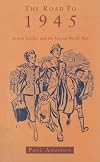
This is the unusual book in which the title tells you more about its contents than the subtitle. Paul Addison's book offers an examination of British politics from the late 1930s to the general election of 1945 with the goal of explaining the change in British political attitudes that brought about Labour's momentous victory. The war is critical to his explanation, as he argues that the Conservative-dominated "National" government was poised to win the election that would have taken place show more but for the outbreak of the war. The conflict left them at a disadvantage: while widely viewed as the part of patriotism, their dominance of British politics in the 1930s ensured that they would receive the blame for the outbreak of the war. Though their leader, Winston Churchill, was enormously popular, his concession of the initiative on domestic policy to the Labour Party, coupled with the change in attitudes brought about by the war, left Labour well positioned to appeal to the electorate when the election was called finally after the end of the war in Europe. All of this Addison relates with clarity and insight, making this book a must-read for anyone seeking to better understand the transformation that took place in British politics during the war. show less
Listening to Britain: Home Intelligence Reports on Britain's Finest Hour―May-September 1940 by Paul Addison
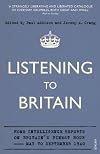
There is simply no good substitute for primary sources. This is even so with a book like this, which shares the primary sources not of the principal actors in WWII—the soldiers and sailors and airmen and their commanders and political leaders, but those left at home to defend, such as they were able, the home front.
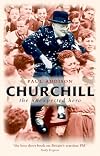
Addison’s focus in this quite short biography is Churchill’s reputation, and his transformation at the age of sixty-five into national hero, after a somewhat undistinguished early career. He contends that Churchill was a politician “underrated before the Second World War and overrated for a long time afterwards” (6) and that we might only now be in a position to form a clear picture of his abilities, flaws and all. Addison’s argument is that Churchill himself did not change: his show more pugnacious egotism was what the times required. Clear and concise with excellent use of quotation, this is essentially an effective book-length essay on the current position of Churchill’s reputation. show less
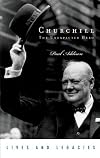
Addison’s focus in this quite short biography is Churchill’s reputation, and his transformation at the age of sixty-five into national hero, after a somewhat undistinguished early career. He contends that Churchill was a politician “underrated before the Second World War and overrated for a long time afterwards” (6) and that we might only now be in a position to form a clear picture of his abilities, flaws and all. Addison’s argument is that Churchill himself did not change: his show more pugnacious egotism was what the times required. Clear and concise with excellent use of quotation, this is essentially an effective book-length essay on the current position of Churchill’s reputation. show less
You May Also Like


Associated Authors
Statistics
- Works
- 13
- Also by
- 3
- Members
- 454
- Popularity
- #54,063
- Rating
- 3.8
- Reviews
- 10
- ISBNs
- 46
- Languages
- 2