
Lindsay Hunter
Author of Eat Only When You're Hungry: A Novel
About the Author
Image credit: Author Lindsay Hunter at the 2017 Texas Book Festival. By Larry D. Moore, CC BY-SA 4.0, https://commons.wikimedia.org/w/index.php?curid=64102514
Works by Lindsay Hunter
My Brother 1 copy
Peggy's Brother 1 copy
Associated Works
Tagged
Common Knowledge
- Gender
- female
Members
Reviews
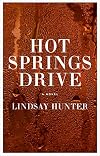
This is a disturbing novel of suburbia-disfunction that somehow redeems itself in the end. The main character, Jackie, is the mother of four boys and is jealous of her next door neighbor Theresa, with only one child, daughter Cece, and who's a younger-looking mom without a weight problem and with an attentive husband. So Jackie gains the upper hand by enrolling them both in a weight-loss program and by having an affair with Adam, Theresa's husband. Jackie's son Douglas, who is way too show more attached to Jackie and is showing signs of mental illness, loses control and destroys everyone's lives in a most violent outburst. His younger brother, Jayson, and Cece had a brief romance in high school before all their lives went awry, and neither has been able to move on from the tragedy. Told from multiple viewpoints, it is still Jackie who maintains control of the story. You won't really like any of these people too much, but the writing has great depth and the remarkable recounting of each one’s insights into their lost lives may keep you reading.
Quotes: "Some people just lived their lives as best they could, safe in the knowledge that they didn't have a dark side to shun, they never had to confront emotions or situations in which they came dangerously close to a side of themselves they'd locked in a dungeon."
"Often, quite often, he found himself confronting the idea that being a man only required pretending to be a man. He had no idea how to accomplish it otherwise." show less
Quotes: "Some people just lived their lives as best they could, safe in the knowledge that they didn't have a dark side to shun, they never had to confront emotions or situations in which they came dangerously close to a side of themselves they'd locked in a dungeon."
"Often, quite often, he found himself confronting the idea that being a man only required pretending to be a man. He had no idea how to accomplish it otherwise." show less
In the early pages of Daddy’s, Lindsay Hunter’s brain-blistering collection of short stories, a restless wife who endures frequent sessions of rough sex with her husband finds pleasure in their invisible electric fence. She puts their dog Marky in front of the TV to watch Animal Planet, then goes out to the edge of the yard:
I wind the vinyl part of Marky’s collar around my hand, holding the plastic receiver in my palm, and then I press the cold metal stimulator against my underwear, show more step forward, and the jolt is delivered. Like a million ants biting. Like teeth. Like the G-spot exists. Like a tiny knife, a precise pinch. Like fireworks. I can’t help it—I cry out; my underwear is flooded with perfect warmth. I lie back in the grass and see stars.
Still with me? If that paragraph shocks and jolts you, then believe me when I say that it’s one of the tamer moments in Hunter’s squirm-worthy stories. I’m not trying to push readers away from Daddy’s—quite the opposite, in fact—but I did want to make you aware that this book is not for everyone.
Put another way, do you remember the way we felt the first time we read Flannery O’Connor and marveled at her daring combination of religion and grotesque humor? Daddy’s slaps our face with that same kind of brass-ballsiness. What O’Connor was to Catholicism, Hunter is to sex. And self-mutilation and incest and domestic violence—any number of things we talk about in low voices behind cupped hands.
The explicit stories in Hunter's collection aren't just eye-opening, they're eye-popping. What else can you say about a story that begins with “We dream about throwing baby in the well”? Or this paragraph from “Food Luck”:
Remember how Mom would eat a dozen eggs and a pan of bacon, and remember how that one Christmas she went to stretch and found an old brown napkin wedged in her neckfat, how then we wanted to know what else was hiding in there, a diary, a housekey, a slice of pizza, and hey remember when we joked that Dad was in there somewhere, because that was how we dealt with Dad leaving us and moving in with the man who ran the movie theater.
That’s a good example of the way Hunter pairs latent sadness with the seamy details of her characters’ lives. The dog-collar orgasms, the pie-eating-contest barf, the feral desert dogs that smell like “mothballs and corn chips and old blood,” the lonely chafe of masturbation, the fat fathers who wear bras: at times, Daddy’s is the literary equivalent of a John Waters movie—and you may feel like showering after each story—but where Waters shocks for shock’s sake, Hunter uses the grotesque as a gateway into the loneliness that darkens many of our lives—whether you like your Oreos with melted Velveeta or not.
We may start off reading Daddy’s for many of the same reasons we read Chuck Palahiniuk: it’s a little flaunty, a little daring, a little naughty. Then, somewhere along the line, Hunter brings us to a place where we feel moments of empathy among the Cheeto crumbs. She takes us where we would not normally go willingly, but even among the sordid and grimy, there are moments of breathtaking beauty. In here, stars twinkle “white as little baby teeth,” bits of cherry pie stick to the corners of a mouth “like blood under a neon light,” a mother yearning for her baby has “nipples like lit matchheads” and the ghost of a dead brother pays a visit to his young siblings in this extraordinary paragraph:
Sure enough Davey’s ghost came fluttering in flimsy as a leaf husk and settled on the toilet. We could see right through to the ruby jewel pump in his chest. You want me to I can gather up that navy winking sky and make us a diamondsparkled sail of it, Davey said, and his voice was the same but unnatural, like some busted chorus of bells clattered out his throat along with everything else.
Hunter can get away with heightened metaphorical language like this because the entire collection is bold and fierce. Like a bottled hot sauce you're trying for the first time, there's always that first hesitant moment before you put it on your tongue. Make no mistake: Hunter burns; oh brother, does she burn.
--This review originally appeared at The Quivering Pen blog: http://davidabramsbooks.blogspot.com/2011/03/particular-sadness-of-cheeto-dust.h... show less
I wind the vinyl part of Marky’s collar around my hand, holding the plastic receiver in my palm, and then I press the cold metal stimulator against my underwear, show more step forward, and the jolt is delivered. Like a million ants biting. Like teeth. Like the G-spot exists. Like a tiny knife, a precise pinch. Like fireworks. I can’t help it—I cry out; my underwear is flooded with perfect warmth. I lie back in the grass and see stars.
Still with me? If that paragraph shocks and jolts you, then believe me when I say that it’s one of the tamer moments in Hunter’s squirm-worthy stories. I’m not trying to push readers away from Daddy’s—quite the opposite, in fact—but I did want to make you aware that this book is not for everyone.
Put another way, do you remember the way we felt the first time we read Flannery O’Connor and marveled at her daring combination of religion and grotesque humor? Daddy’s slaps our face with that same kind of brass-ballsiness. What O’Connor was to Catholicism, Hunter is to sex. And self-mutilation and incest and domestic violence—any number of things we talk about in low voices behind cupped hands.
The explicit stories in Hunter's collection aren't just eye-opening, they're eye-popping. What else can you say about a story that begins with “We dream about throwing baby in the well”? Or this paragraph from “Food Luck”:
Remember how Mom would eat a dozen eggs and a pan of bacon, and remember how that one Christmas she went to stretch and found an old brown napkin wedged in her neckfat, how then we wanted to know what else was hiding in there, a diary, a housekey, a slice of pizza, and hey remember when we joked that Dad was in there somewhere, because that was how we dealt with Dad leaving us and moving in with the man who ran the movie theater.
That’s a good example of the way Hunter pairs latent sadness with the seamy details of her characters’ lives. The dog-collar orgasms, the pie-eating-contest barf, the feral desert dogs that smell like “mothballs and corn chips and old blood,” the lonely chafe of masturbation, the fat fathers who wear bras: at times, Daddy’s is the literary equivalent of a John Waters movie—and you may feel like showering after each story—but where Waters shocks for shock’s sake, Hunter uses the grotesque as a gateway into the loneliness that darkens many of our lives—whether you like your Oreos with melted Velveeta or not.
We may start off reading Daddy’s for many of the same reasons we read Chuck Palahiniuk: it’s a little flaunty, a little daring, a little naughty. Then, somewhere along the line, Hunter brings us to a place where we feel moments of empathy among the Cheeto crumbs. She takes us where we would not normally go willingly, but even among the sordid and grimy, there are moments of breathtaking beauty. In here, stars twinkle “white as little baby teeth,” bits of cherry pie stick to the corners of a mouth “like blood under a neon light,” a mother yearning for her baby has “nipples like lit matchheads” and the ghost of a dead brother pays a visit to his young siblings in this extraordinary paragraph:
Sure enough Davey’s ghost came fluttering in flimsy as a leaf husk and settled on the toilet. We could see right through to the ruby jewel pump in his chest. You want me to I can gather up that navy winking sky and make us a diamondsparkled sail of it, Davey said, and his voice was the same but unnatural, like some busted chorus of bells clattered out his throat along with everything else.
Hunter can get away with heightened metaphorical language like this because the entire collection is bold and fierce. Like a bottled hot sauce you're trying for the first time, there's always that first hesitant moment before you put it on your tongue. Make no mistake: Hunter burns; oh brother, does she burn.
--This review originally appeared at The Quivering Pen blog: http://davidabramsbooks.blogspot.com/2011/03/particular-sadness-of-cheeto-dust.h... show less
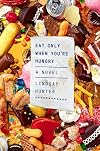
So, I hated this book... until I started discussing it with my book club. And then I found that I loved it. Here's why:
As Greg searches for his son, I come to detest everyone in the book. I don't care about their successes or their failures. At some point, I even stop caring about whether his son is alive or dead. I just want to be done with this book, which I feel compelled to finish in order to be able to discuss at our next meeting.
When I started talking about the book, I held back none show more of my loathing. Neither did anyone else.
And then I was asked this question, "Is there a passage that strikes you as particularly profound?" And there it was. Appreciation for the book.
Greg's son writes him a letter. In the letter, is the phrase, "I reject your narrative." Suddenly, I was forced to look at the novel, the characters, the plot, and realize that it was more an exploration of the reality that we create for ourselves than it was a standard plot-driven book.
It was a difficult read, but after thinking about it in this fashion, I was also able to describe it as compelling... beyond the need to finish it to live up to the expectations of others. show less
As Greg searches for his son, I come to detest everyone in the book. I don't care about their successes or their failures. At some point, I even stop caring about whether his son is alive or dead. I just want to be done with this book, which I feel compelled to finish in order to be able to discuss at our next meeting.
When I started talking about the book, I held back none show more of my loathing. Neither did anyone else.
And then I was asked this question, "Is there a passage that strikes you as particularly profound?" And there it was. Appreciation for the book.
Greg's son writes him a letter. In the letter, is the phrase, "I reject your narrative." Suddenly, I was forced to look at the novel, the characters, the plot, and realize that it was more an exploration of the reality that we create for ourselves than it was a standard plot-driven book.
It was a difficult read, but after thinking about it in this fashion, I was also able to describe it as compelling... beyond the need to finish it to live up to the expectations of others. show less
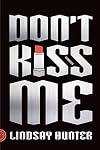
Hunter's writing is exciting and breathless in some stories, yet grotesque and often unbearable in others. She writes about the ugly side(s)of life, of nobodies, of women's worlds, of strange fates. There were honestly some stories that rivaled the grossest of Chuck Palahniuk's oeuvre (not a compliment). A collection of mostly staccato pieces that resulted in a constant readjustment of my expectations.
Awards


You May Also Like


Associated Authors
Statistics
- Works
- 8
- Also by
- 3
- Members
- 470
- Popularity
- #52,370
- Rating
- 3.5
- Reviews
- 12
- ISBNs
- 28
- Languages
- 1
